Choosing an audio interface for multiple microphones can make or break your recording setup. The right unit gives you clean preamps, enough inputs, and stable monitoring without extra hassle.
Below, we’ve focused on options that suit podcasting, music, streaming, and hybrid home-studio workflows, so you can match the interface to your mic count and budget.
Best 10 Audio Interface for Multiple Microphones Picks for 2026
Portable 2-Input Interface
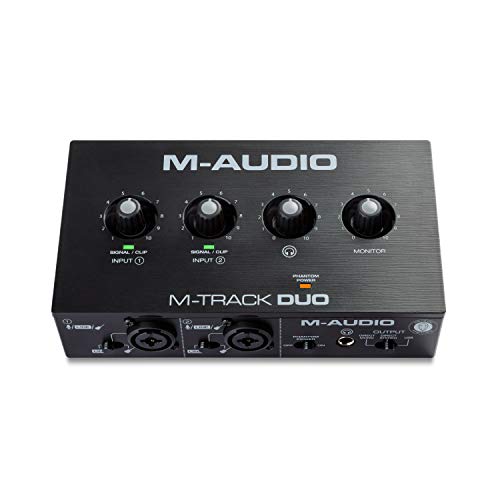
- Two combo XLR/Line/Instrument inputs
- Direct monitoring with USB/direct switch
- Includes software for recording and streaming
Best For: Solo podcasters and small setups with two mics
6-Channel Mixer Interface
Bluetooth Mixer with Phantom Power

- 4 XLR inputs with +48V phantom power
- Bluetooth, USB playback, and DSP effects
- Built-in 3-band EQ for shaping multiple sources
Best For: Karaoke and live mixing with several mics
Hybrid Dual-XLR Interface
MAONO P2 USB-C Audio Interface

- Dual XLR inputs with 56dB gain
- Computer + phone/iPad hybrid connectivity
- Loopback and routing tools for creators
Best For: Streamers and podcasters who want flexible device support
Compact 2-Channel USB-C Interface
High-Fidelity 24-bit/192kHz Recording

- Two combo XLR/TRS inputs
- 24-bit/192kHz recording
- Direct monitor and loopback
Best For: Solo creators and small two-mic setups
Portable 2-Channel Streaming Interface

- Stereo, mix, and USB monitoring
- XLR and 6.35mm mic support
- Lightweight 300g portable design
Best For: Podcasters and streamers who value easy monitoring
Creator-Focused USB Interface
Low-Noise Preamp and Routing Software

- 24-bit/192kHz with 106dB range
- Up to 56 dB preamp gain
- Routing software with loopback
Best For: Creators who want mic clarity and streaming tools
5-in-1 Audio Hub
CB5 USB Audio Interface for Multi-Mic Recording

- 2 stereo microphone jacks for flexible small setups
- Multi-track recording with independent device names
- Portable USB-powered design for recording on the go
Best For: Creators who need a compact multi-mic USB interface for streaming or podcasting
Studio Starter
Scarlett Solo 3rd Gen USB Audio Interface

- Single XLR mic preamp plus one Hi-Z instrument input
- Up to 24-bit/192 kHz recording with Air mode
- Includes software bundle for quick setup
Best For: Solo vocalists and guitarists who do not need multiple mic inputs
Budget Dual-Input
XTUGA Q-12 USB Audio Interface

- Dual input design with XLR and 3.5 mm mic support
- 48V phantom power and low-latency monitoring
- Plug-and-play USB setup for beginners
Best For: Budget buyers who need a simple 2-input interface for basic recording
4-Channel ASIO Interface – Depusheng USB Audio Interface
If you need an audio interface for multiple microphones with more than the usual two inputs, this Depusheng 4-channel model is built for small studio setups. It offers 4-in/4-out connectivity, combo inputs for XLR and 1/4-inch sources, +48V phantom power, and ASIO drivers for low-latency recording on PC or Mac.
Best For: Home studios, beginners, and creators who want to record several mics or line sources at once.
Pros:
- 4 combo inputs give you room for multiple microphones or instrument sources.
- +48V phantom power supports condenser microphones.
- ASIO drivers are designed for low-latency monitoring and recording.
- Includes direct/DAW monitoring plus headphone output and 4 main outs.
Cons:
- Setup may feel more involved than a basic two-channel interface.
- Best suited to recording and small studio workflows rather than portable use.
This is a practical pick if your priority is input count and straightforward computer recording. The included driver, phantom power, and monitoring options make it a flexible budget-friendly way to handle multiple microphones.
Portable 2-Input Interface – M-AUDIO M-Track Duo
The M-AUDIO M-Track Duo is a simple audio interface for multiple microphones only if your setup stays small, since it provides two combo XLR/Line/Instrument inputs with phantom power. It records at up to 48kHz and adds direct monitoring, so it works well for basic vocal tracking, podcasting, streaming, and quick home recording sessions.
Best For: Solo creators, podcasts, and compact home setups that only need two inputs.
Pros:
- Two combo inputs handle microphones, instruments, or line sources.
- Transparent Crystal Preamps are designed for clear mic recording.
- USB/direct monitoring helps reduce latency while tracking.
- Includes a software suite with MPC Beats for getting started fast.
Cons:
- Only 2 channels, so it is not ideal for larger multi-mic sessions.
- 48kHz max sample rate is lower than higher-end interfaces.
For buyers comparing entry-level options, this one stands out for ease of use rather than channel count. It makes sense when you want dependable mic recording and monitoring without a complicated setup.
6-Channel Mixer Interface – Bluetooth Mixer with Phantom Power
This 6-channel audio interface for multiple microphones leans more toward a mixer-style workflow, with 4 XLR inputs, +48V phantom power, Bluetooth, USB playback, and built-in DSP effects. It is geared for users who want to mix several sources, add reverb, and handle karaoke, live streaming, or recording from one compact console.
Best For: Karaoke, live mixing, and multi-mic setups that benefit from onboard effects.
Pros:
- Four XLR inputs support condenser or dynamic microphones with phantom power.
- Bluetooth and USB playback add flexible source options.
- Built-in 16 DSP effects and 3-band EQ help shape the mix.
- Works as a traditional mixer for multi-device audio routing.
Cons:
- It is a traditional analog mixer, so setup is less plug-and-play than a USB interface.
- Notes warn that incorrect operation may result in no sound.
- Not as streamlined for DAW-based recording as an ASIO interface.
This is a good fit if you need a mixer first and an interface second. It offers plenty of connectivity for several microphones, but it makes the most sense for users comfortable with hands-on mixing.
Hybrid Dual-XLR Interface – MAONO P2 USB-C Audio Interface
The MAONO P2 is a strong audio interface for multiple microphones when you need a compact, creator-focused setup with dual XLR inputs and hybrid connectivity. It supports computer and phone or iPad connections at the same time, adds 56dB gain for condenser and dynamic mics, and includes ASIO, loopback, and routing tools for streaming and recording.
Best For: Streamers, podcasters, and mobile creators who want flexible multi-device recording.
Pros:
- Dual XLR inputs support condenser and dynamic microphones.
- Hybrid USB connectivity works with computer plus phone or iPad.
- Loopback and routing software simplify streams and content creation.
- Direct monitoring, mute controls, and 24-bit/192kHz support add studio-friendly control.
Cons:
- Only two XLR inputs, so it is not built for larger mic arrays.
- Advanced routing features may be more than casual users need.
For creators who split time between studio and mobile workflows, this interface is especially practical. It combines low-latency monitoring, flexible connectivity, and useful software tools in a compact design.
Compact 2-Channel USB-C Interface – High-Fidelity 24-bit/192kHz Recording
If you want an audio interface for multiple microphones in a small, portable setup, this 2-channel USB-C model is built for simple plug-and-play recording on Mac, PC, and iOS. It offers two combo inputs, bus-powered operation, and 24-bit/192kHz conversion, making it a practical choice for home recording, vocals, and mobile sessions.
Best For: Solo creators, duos, and mobile users who need a compact interface with two combo inputs and clean monitoring.
Pros:
- Two combo XLR/TRS inputs for flexible mic or instrument recording
- 24-bit/192kHz resolution for high-fidelity capture
- Direct monitor and loopback functions for low-latency use and streaming
- USB-C bus power and plug-and-play setup on Mac and PC
Cons:
- Only 2 channels, so it is not suited to larger microphone setups
- Basic 3.5mm headphone output may not fit every monitoring workflow
Overall, this is a straightforward pick if your audio interface for multiple microphones needs are modest and you value portability, easy setup, and high-resolution recording over expanded input count.
Portable 2-Channel Streaming Interface – Three Monitoring Modes
This audio interface for multiple microphones is aimed at creators who want a lightweight 2-channel unit with flexible monitoring and simple switching between recording, live broadcast, and post-production. It supports XLR and 6.35mm microphones, includes 48V phantom power, and adds stereo, mix, and USB monitoring modes for different workflows.
Best For: Podcasters, streamers, and creators who want a portable interface with flexible monitoring modes.
Pros:
- Three monitoring modes: Stereo, Mix, and USB
- Supports XLR and 6.35mm microphones with 48V phantom power
- LED level indicators help prevent distortion
- Lightweight 300g design with USB-C to USB-A cable included
Cons:
- 48kHz max sample rate is lower than some competing interfaces
- Third-party ASIO driver is recommended for best compatibility
For small recording and streaming setups, this is a practical option if you need a compact interface that makes switching between monitoring modes easy without adding much desk clutter.
Creator-Focused USB Interface – Low-Noise Preamp and Routing Software
If you need an audio interface for multiple microphones in a creator-friendly package, the MAONO PS22 Lite focuses on clean recording, simple mode switching, and flexible software tools. It records at 24-bit/192kHz, offers up to 56 dB of preamp gain with 48V phantom power, and includes routing software plus loopback support for streaming and DAW work.
Best For: Podcasters, streamers, and home-studio users who want software control and low-noise recording.
Pros:
- 24-bit/192kHz recording with 106dB dynamic range
- Up to 56 dB preamp gain and 48V phantom power for mic use
- ProStudio routing software and loopback support for streaming
- Compatible with Mac, Windows, and iPads
Cons:
- Designed around a 2-channel setup, not larger multi-mic rigs
- Advanced routing features may be more than beginners need
This is a strong choice if you want a compact interface that balances microphone performance with creator tools, especially when your workflow includes recording, streaming, and quick setup changes.
5-in-1 Audio Hub – CB5 USB Audio Interface for Multi-Mic Recording
If you need an audio interface for multiple microphones, the Cubilux CB5 is built around flexibility rather than a single input path. It turns one USB port into a compact recording hub with 2 stereo microphone jacks, plus line-in, line-out, and headphone connectivity, making it a practical pick for small recording setups, streaming, or podcast work.
Best For: Creators who want a compact USB interface with multiple mic inputs and simple multi-track recording options.
Pros:
- Provides 2 stereo microphone jacks for multi-mic use
- Supports multi-track recording by assigning independent device names
- Built-in chip supports up to 96 kHz/24-bit capture
- Portable, bus-powered design with no external adapter needed
Cons:
- Line-out jack and audio output jack cannot be used simultaneously
- Not a large-channel studio interface
Overall, the CB5 is a useful compact option when your priority is connecting more than one microphone without moving to a bigger rig. Its strength is convenience and multi-track flexibility, not maximum input count.
Studio Starter – Scarlett Solo 3rd Gen USB Audio Interface
The Focusrite Scarlett Solo is a strong basic interface, but it is not an audio interface for multiple microphones. It is designed around a single XLR mic preamp and one Hi-Z instrument input, so it fits solo vocals, guitar recording, and podcasting with one mic rather than multi-mic sessions.
Best For: Solo creators who need a simple, studio-quality interface for one microphone and one instrument.
Pros:
- High-performing mic preamp with Air mode for extra clarity
- 24-bit/192 kHz recording and playback support
- Low-noise balanced outputs for clean monitoring
- Includes recording software and creative tools in the box
Cons:
- Only one XLR mic preamp, so it is not built for multiple microphones
- Limited to 2 channels total
If your setup is centered on one voice or one instrument at a time, the Solo delivers polished results and an easy path into recording. For multi-mic needs, though, you will want a different interface with more inputs.
Budget Dual-Input – XTUGA Q-12 USB Audio Interface
The XTUGA Q-12 is a straightforward audio interface for multiple microphones in a small home-studio sense, thanks to its dual-input design with XLR and 3.5mm microphone jack support. It is aimed at beginners who want plug-and-play recording, low-latency monitoring, and phantom power without a complicated setup.
Best For: Beginners and budget-conscious users who want a simple 2-input interface for basic vocal recording or streaming.
Pros:
- Dual inputs support XLR and 3.5 mm microphone connections
- Switchable 48V phantom power for condenser mics
- Plug-and-play USB design with no external adapter required
- Low-latency monitoring for easier vocal tracking
Cons:
- Limited to 16-bit/48 kHz resolution
- Best suited to basic 2-channel setups rather than larger multi-mic rigs
For a simple starter build, the Q-12 offers the essentials without extra complexity. It is best viewed as an entry-level interface for light recording and streaming rather than a full-featured studio centerpiece.
How We Picked the Best Audio Interface for Multiple Microphones
We prioritized input count, preamp quality, phantom power, monitoring options, driver stability, and compatibility with common recording workflows. For an Audio Interface for Multiple Microphones, the most important question is whether the unit can handle your actual mic setup cleanly, not just whether it has a low price.
We also looked for useful extras like loopback, direct monitoring, routing controls, and ASIO support, since these features matter for podcasting, streaming, and multi-source recording.
Quick Comparison
Some models here are best for simple two-mic sessions, while others lean toward mixer-style flexibility or broader studio use. If you need only two microphones, a compact 2-in/2-out interface may be enough. If you plan to expand, look for more physical inputs, stronger gain headroom, and flexible monitoring.
Fast Rule of Thumb
Choose the smallest interface that still supports your current microphones plus one extra input if possible. That gives you room to grow without overspending on channels you won’t use.
Key Buying Factors for an Audio Interface for Multiple Microphones
Input count: Make sure the interface has enough mic preamps or combo inputs for every microphone you want to use at the same time. Some products support multiple sources, but not all provide true independent mic channels.
48V phantom power: If you use condenser microphones, confirm that phantom power is available and ideally switchable. This is essential for many studio and podcast mics.
Gain and noise performance: Multiple microphones need enough clean gain so quieter voices stay clear without bringing up hiss. Low-noise preamps matter more as you add more speakers.
Monitoring and routing: Direct monitoring, loopback, and software routing can simplify live sessions, remote interviews, and streaming. These tools also help prevent latency issues.
Connectivity and compatibility: Check support for PC, Mac, iOS, or mobile devices depending on your workflow. USB-C can be convenient, but drivers and software matter just as much as the port type.
Who Should Buy Which Audio Interface for Multiple Microphones?
Podcasters and interview teams: Choose an interface with at least two mic inputs, reliable phantom power, and easy monitoring. If you host roundtables, consider a more flexible mixer-style unit.
Musicians and home recordists: Pick a model with clean preamps, instrument input support, and solid recording resolution. If you track vocals plus guitar, a simple dual-input interface is often the sweet spot.
Streamers and content creators: Look for loopback, routing software, and low-latency performance. These features make an Audio Interface for Multiple Microphones much easier to manage during live production.
Buyers on a budget: Focus on the essentials first: usable mic inputs, phantom power if needed, and dependable drivers. It is better to buy a simpler interface that works well than a feature-heavy one you will not fully use.
In short, match the interface to your mic count, recording style, and future growth. That will give you a cleaner setup and a better long-term value than chasing specifications alone.