A good studio headphone distribution system keeps sessions moving by giving every performer a strong, clear monitor mix without constant cable swapping or volume complaints.
From compact 4-channel units to rackmount 8-channel options, the right choice depends on your room size, input layout, and how much control each listener needs.
Best 10 Studio Headphone Distribution System Picks for 2026
Pro 8-Channel Rack Hub
Behringer HA8000 V2 8-Channel Headphone Amp

- 8 channels for multi-listener monitoring
- High-power output for studio and stage use
- TRS corded design with broad headphone compatibility
Best For: Large studio or live monitoring setups
Compact 4-Way Splitter
Mackie HM-4 4-Channel Headphone Amp

- 4 headphone outputs from one stereo source
- Individual level control on every output
- Compact metal build with included power adapter
Best For: Small studios and simple shared listening
Rack-Mount Monitoring Center
8-Channel Headphone Mixing Distribution Amp

- Up to 16 headphone outputs from 8 channels
- Mono/stereo modes with flexible input routing
- 1U rack design plus LED level metering
Best For: Pro studios needing flexible multi-mix monitoring
Mini Metal 4-Port Hub
FIFINE N6 4-Channel Stereo Headphone Amp
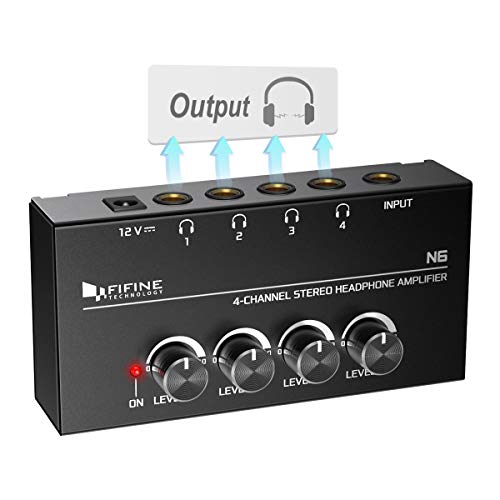
- 4 outputs with separate volume knobs
- Balanced TRS input and quarter-inch headphone jacks
- Compact metal build with included power adapter
Best For: Portable or small-studio headphone sharing
Budget 6-Channel Rack Mixer
Behringer HA6000 6-Channel Headphone Amp

- 6 channels with high-power output
- Supports up to 12 headphones total
- Per-channel EQ, mono switch, and level metering
Best For: Affordable multi-listener studio monitoring
Compact 4-Channel Splitter
LZSIG 4-Channel Headphone Amplifier
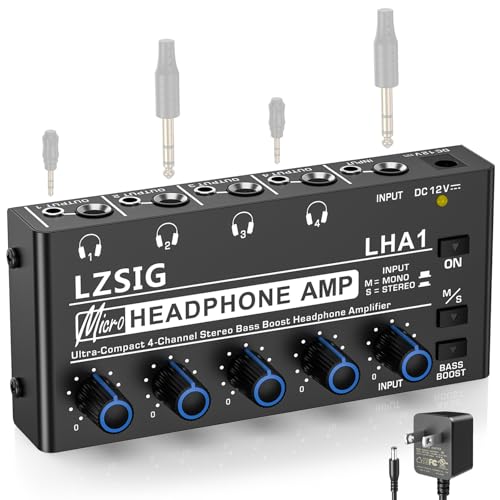
- 4 independent headphone outputs
- Supports 3.5mm and 6.35mm plugs
- Bass boost and stereo/mono switching
Best For: Small shared monitoring setups
Expandable Pro 6-Channel Unit
Bolanle PH6000 Headphone Distribution Amp
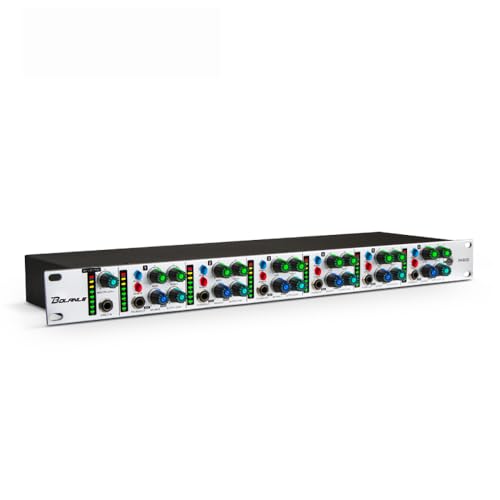
- 6 channels, 12 outputs, and link expansion
- Per-channel high and low EQ controls
- Balanced XLR/1/4-inch inputs with aux per channel
Best For: Professional monitoring rooms needing custom mixes and expansion
Compact 4-Channel Monitor Amp
4-Channel Portable Stereo Headphone Amplifier

- Powers up to 4 headphones from one source
- Independent volume knob for each output
- Compact portable build for studio or stage
Best For: Small studios and recording sessions with up to four listeners
Rackmount 8-Channel Studio Hub
Bolanle PH8000 8-Channel Headphone Amplifier

- Eight independent headphone outputs with level knobs
- Rackmount metal chassis for studio installation
- Supports low- and high-impedance headphones
Best For: Permanent studios and multi-performer monitoring setups
Portable 8-Channel Audio Splitter

- Eight outputs with individual volume control
- Mono/stereo switch for flexible routing
- Metal portable build with included power adapter
Best For: Portable recording and stage monitoring with eight headphone feeds
Pro 8-Channel Rack Hub – Behringer HA8000 V2 8-Channel Headphone Amp
If you need a studio headphone distribution system that can handle a full monitoring setup, the Behringer HA8000 V2 is built for multi-person tracking and stage use. With 8 channels, TRS connectivity, and corded electric power, it is designed to deliver strong headphone output across a wide range of headphones without giving up sonic quality at higher volumes.
Best For: Studios and live rigs that need an 8-channel, high-power headphone amp for multiple listeners.
Pros:
- 8-channel output for larger monitoring sessions
- High-power design aimed at professional stage and studio applications
- Works with virtually all types of headphones, even at maximum volume
- Corded electric operation with TRS connectivity
Cons:
- More hardware than small home recording setups may need
- Uses a straightforward TRS-based connection approach, so setup depends on compatible cabling
The HA8000 V2 is a practical pick when you want one unit to feed many headphones from a single monitoring source. Its strength is simple: lots of channels, high output, and a studio/stage focus.
Compact 4-Way Splitter – Mackie HM-4 4-Channel Headphone Amp
The Mackie HM-4 is a compact studio headphone distribution system for anyone who wants to share one stereo source with up to four listeners. It keeps things simple with individual level control on each output, corded power, and a metal build that is easy to tuck into a small studio desk or mobile setup.
Best For: Small recording setups, practice sessions, or desk rigs that need a simple 4-headphone split.
Pros:
- Shares a single stereo source with up to 4 pairs of headphones
- Individual level control for each output
- Compact metal enclosure with built-like-a-tank construction
- Includes a 12V AC adapter for power
Cons:
- Limited to 4 outputs, so it is not meant for larger monitoring groups
- Designed as a simple splitter-style unit rather than a feature-heavy mixer
If your priority is reliable headphone sharing in a small space, the HM-4 covers the basics well. It is a practical choice when you want individual volume control without adding clutter to the signal chain.
Rack-Mount Monitoring Center – 8-Channel Headphone Mixing Distribution Amp
This studio headphone distribution system is aimed at more demanding monitoring jobs, combining 8-channel amplification with dual mono/stereo input modes and up to 16 headphone outputs. It is built for studio and live sound monitoring, with rear inputs, front and rear headphone outs, LED metering, and independent control per channel for flexible signal routing.
Best For: Professional studios and live monitoring setups that need flexible routing and multiple headphone feeds.
Pros:
- 8 high-power channels with up to 16 headphone outputs
- Mono/stereo modes and dedicated rear inputs for flexible routing
- 6-segment LED metering on all 8 channels
- 1U rack-mount design for studio or mobile racks
Cons:
- More complex than a basic headphone splitter
- Built for professional monitoring, so it may be more unit than casual users need
For teams that need detailed control over multiple mixes, this unit offers a strong blend of flexibility and monitoring visibility. The rack-mount layout and dual-output design make it especially useful in serious studio workflows.
Mini Metal 4-Port Hub – FIFINE N6 4-Channel Stereo Headphone Amp
The FIFINE N6 is a compact studio headphone distribution system made for sharing one stereo source with up to four listeners. It uses a balanced TRS input, four quarter-inch outputs, and separate volume knobs per channel, making it a straightforward option for recording sessions, live use, or other setups that need a small multi-headphone feed.
Best For: Small studios and portable setups that need a compact 4-output headphone amp.
Pros:
- 4-channel design with separate volume control for each output
- Balanced TRS input and 4 quarter-inch headphone outputs
- Compact metal construction with tight, rugged build quality
- Includes a 12V DC power adapter
Cons:
- TRS/TS cables are not included
- Not a mixer; it is a 1 input to 4 output headphone amplifier
The N6 is best viewed as a clean, no-frills distribution tool for small monitoring jobs. If you want portability, simple controls, and a rugged metal case, it fits that brief well.
Budget 6-Channel Rack Mixer – Behringer HA6000 6-Channel Headphone Amp
If you need a studio headphone distribution system that keeps a full session moving without a big spend, the Behringer HA6000 is built for exactly that job. It offers six discrete channels, high-power headphone amplification, and enough rear-panel connectivity to handle multiple headphone pairs and daisy-chained expansion.
Best For: Recording teams, rehearsal rooms, and studios that want an affordable multi-listener monitoring hub with separate mixes.
Pros:
- 6 high-power amplifier channels can drive loads down to 8 ohms.
- Up to 12 headphone pairs can listen across 6 separate mixes.
- Each channel includes 2-band EQ, LED level metering, mono switching, and a dedicated aux input.
- Rear-panel XLR and 1/4-inch I/O support linking additional units for bigger setups.
Cons:
- It is a straightforward distribution amplifier, not a full-featured mixer.
- Best suited to rack-based setups rather than portable casual use.
The HA6000 focuses on practical monitoring features and wide compatibility, making it a strong value pick when the main goal is to feed multiple headphones with reliable, clean audio.
Compact 4-Channel Splitter – LZSIG 4-Channel Headphone Amplifier
The LZSIG headphone amplifier is a compact option for a smaller studio headphone distribution system, especially when you only need to feed four listeners from one source. It provides independent volume control on each channel, support for both 1/8-inch and 1/4-inch headphones, and a bass boost function for shaping the monitoring sound.
Best For: Small studios, practice spaces, and shared listening setups that need simple 4-way headphone distribution.
Pros:
- Four independent headphone channels with separate level control.
- Works with both 3.5mm and 6.35mm headphone plugs.
- Bass boost adds extra energy to vocals and low end when engaged.
- Ultra-low-noise design is aimed at clean monitoring with low distortion.
Cons:
- It is a 4-channel unit, so it is not ideal for larger ensembles.
- The product notes state it is not a mixer.
For a simple, low-noise way to share one audio source across several headphones, the LZSIG is easy to place and easy to use. It is best viewed as a compact distribution tool rather than a full studio control center.
Expandable Pro 6-Channel Unit – Bolanle PH6000 Headphone Distribution Amp
The Bolanle PH6000 is a professional studio headphone distribution system designed for sessions that need six separate mixes and room to grow. With 12 headphone outputs, per-channel EQ, balanced XLR and 1/4-inch inputs, and link output expansion, it is aimed at serious recording, rehearsal, and broadcast workflows.
Best For: Studios, live rooms, and AV installs that need customizable multi-headphone monitoring with expansion potential.
Pros:
- Six independent channels provide up to 12 headphone outputs.
- Each channel has separate high and low EQ controls for personalized mixes.
- Balanced XLR and 1/4-inch inputs plus link output make expansion straightforward.
- Each channel includes a stereo aux input, volume knob, mono switch, and LED meter.
Cons:
- Its feature set is more than a basic splitter, so it is better suited to dedicated installations.
- The rackmount format is less convenient for quick portable use.
Among the three, the PH6000 is the most flexible option for users who want both per-performer control and the ability to scale up later. It is built to act like a central monitoring hub in a professional rack setup.
Compact 4-Channel Monitor Amp – 4-Channel Portable Stereo Headphone Amplifier
If you need a simple studio headphone distribution system for up to four listeners, the Pyle PHA40 keeps things straightforward. It takes one source input and sends it to four 1/4-inch stereo headphone outputs, with separate level knobs so each person can set a comfortable monitor mix.
Best For: Small studios, rehearsal spaces, and on-the-go sessions where four people need independent headphone levels from one source.
Pros:
- Drives up to 4 headphones from a single source input.
- Independent volume control for each listener.
- Compact, portable design for studio or stage use.
- Ultra-low-noise amplification for cleaner monitoring.
Cons:
- Only supports four output channels, so it is not ideal for larger tracking sessions.
- Basic compact format offers fewer monitoring features than rackmount units.
For smaller setups, this unit is a practical way to split monitoring without adding extra gear. Its value is in the simple four-output layout and independent controls, making it easy to give each performer their own level.
Rackmount 8-Channel Studio Hub – Bolanle PH8000 8-Channel Headphone Amplifier
This studio headphone distribution system is built for sessions that need more outputs and more control. The PH8000 distributes one stereo or XLR source to eight independent headphone channels, each with its own volume knob plus signal and peak indicators for faster level checks.
Best For: Permanent studio installs, broadcast rooms, live sound rigs, and multi-user tracking sessions that need eight independent headphone feeds.
Pros:
- Eight independent headphone channels from one source.
- Works with high-impedance headphones up to 600Ω.
- Balanced/unbalanced input support with XLR/TRS combo jack and aux line in.
- 1U rackmount metal chassis for permanent installation.
Cons:
- Designed more for rack installation than portable use.
- May be more system than needed for simple two- or four-person setups.
With its rackmount format and channel status LEDs, the PH8000 is the most installation-ready option here. It suits users who want a central monitoring hub that can stay in the rack and handle daily studio use reliably.
Portable 8-Channel Audio Splitter – Headphone Amplifier 8 Channel
For buyers who want an affordable studio headphone distribution system with flexible input/output handling, this 8-channel amp is a practical pick. It provides one audio input and eight independent outputs, plus a mono/stereo switch for adapting to different source types and session needs.
Best For: Portable studios, stage monitoring, and recording setups that need eight adjustable headphone outputs in a metal chassis.
Pros:
- Eight independent output channels with individual volume control.
- Mono/stereo switch adds flexibility for different audio sources.
- Compatible with 1/4-inch and 1/8-inch plugs using the included adapters.
- Metal construction with included 12V AC adapter for stable operation.
Cons:
- 1/8-inch devices require a conversion plug.
- Less detailed monitoring feedback than units with signal and peak LEDs.
This model focuses on straightforward distribution rather than extra rack features. If you need eight channels in a portable, metal-bodied unit with simple controls, it covers the essentials well.
How We Picked the Best Studio Headphone Distribution System
We focused on practical features that matter in real studios: number of headphone outputs, power and headroom, independent level control, mono/stereo operation, input flexibility, build quality, and whether the unit fits a rack, desktop, or portable workflow.
We also considered whether a Studio Headphone Distribution System is better for tracking bands, podcast panels, home studios, rehearsal spaces, or fixed-install setups.
Quick Comparison
Smaller 4-channel models are ideal when you need a simple way to feed a few headphones from one source. Mid-size 6-channel units offer a stronger balance of flexibility and value for project studios. 8-channel rackmount systems are best when you need more outputs, more routing options, and a more permanent studio installation.
Key Buying Factors for a Studio Headphone Distribution System
Channel Count and Headphone Outs
Choose a system based on the number of listeners you need to support today, not just your ideal future setup. Extra outputs are useful, but only if the unit still provides enough volume and clean signal on every channel.
Power, Headroom, and Sound Quality
Look for enough output power to drive higher-impedance headphones without distortion. A strong amp section helps maintain clarity when multiple performers are monitoring at once.
Independent Control and Routing
Individual volume knobs, mono/stereo switching, and per-channel EQ can make a big difference in crowded sessions. These controls let each performer hear what they need without affecting everyone else.
Connectivity and Form Factor
Check for 1/4-inch, XLR, or TRS input compatibility, plus any included adapters. Rackmount units suit permanent studios, while compact desktop models are easier to move between rooms or take on the road.
Who Should Buy Which Studio Headphone Distribution System?
If you run a home studio or small podcast setup, a 4-channel model is usually enough. For bands, rehearsal rooms, and growing project studios, a 6-channel option often gives the best balance of features and cost. If you manage a larger recording space or want a more expandable Studio Headphone Distribution System, an 8-channel rackmount unit is the most future-ready choice.
Prioritize simplicity if your sessions are fast-moving, and prioritize control if multiple performers need different monitoring levels. The best system is the one that keeps everyone hearing clearly and working efficiently.