Choosing the right stereo keyboard amplifier can make a huge difference in how your keys sound at home, in rehearsal, or on stage. The best models deliver clear stereo imaging, flexible inputs, and enough headroom to keep pianos, synths, and backing tracks sounding balanced.
Below, we’ve rounded up 10 strong options for different budgets and playing needs, from compact practice amps to higher-output models for louder rooms and small gigs.
Best 10 Stereo Keyboard Amplifier Picks for 2026
Compact Stereo Powerhouse
Roland KC-400 4 Channel Stereo Mixing Keyboard Amplifier

- 150-watt stereo keyboard amplifier with improved bass response
- Four stereo input channels plus stereo aux input
- Stereo Link and Channel 4 Output Select add stage flexibility
Best For: Players needing a durable, flexible amp for small to medium stages
Budget 3-Channel Choice

- 45-watt 3-channel keyboard amplifier for compact setups
- 5-band graphic EQ for sound shaping
- Subwoofer output expands low-end options
Best For: Budget buyers who need a simple amp with basic EQ control
Portable Battery Pick
Roland KC-220 Battery-Powered Stereo Keyboard Amplifier

- Battery-powered stereo amp with included AC adapter
- Onboard mixing plus reverb and chorus effects
- Tilt-back stand and optional speaker stand support
Best For: Portable players who need a compact amp for rehearsals and small gigs
High-Power Stage Option
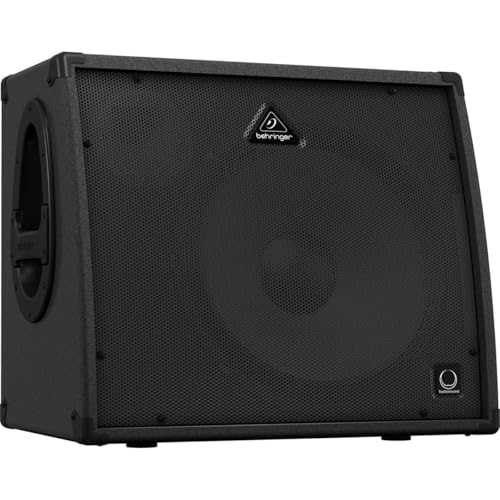
- 600-watt bi-amped keyboard amp with 4-channel layout
- 15-inch Turbosound speaker and 1-inch driver
- Klark Teknik FX processor includes 100 presets
Best For: Players who want a powerful stage amp with built-in effects
Editor’s Choice
Vox VX50KB 50-Watt Keyboard Amp

- 50-watt output for everyday keyboard use
- NuTube preamp and bass reflex cabinet
- Three-channel layout with Aux In and Line Out
Best For: Players who want a compact, flexible amp for practice and small spaces
Power Performer
Behringer Ultratone K900fx 90-Watt Keyboard Amp

- 90 watts of output for more headroom
- Three channels with separate FX send per channel
- FBQ feedback detection and CD input
Best For: Players needing a louder, utility-focused amp for rehearsal or small PA use
Budget Practice Pick
Peavey KB 1 20-Watt Keyboard Amp
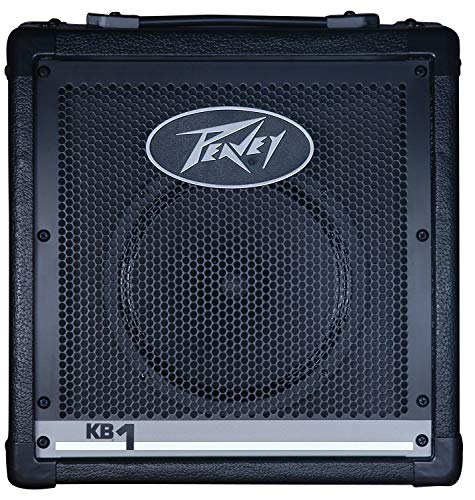
- 20 watts for small practice spaces
- 8-inch extended range speaker
- Two channels plus headphone out
Best For: Beginners and home players wanting a simple, compact practice amp
Pro-Grade Gigging Choice
Behringer ULTRATONE KXD12 600W 4-Channel

- 600-watt bi-amped Class-D design
- 12-inch Turbosound speaker with 1-inch driver
- Klark Teknik FX with 100 presets
Best For: Keyboard players needing high volume and onboard effects
Practice Combo Pick

- 20-watt amp with an 8-inch speaker
- Includes stand and cable in the package
- Simple 2-channel, easy-to-use design
Best For: Beginners and casual players needing a starter practice setup
Versatile Budget Option

- Two-speaker design with 8-inch woofer and 2-inch tweeter
- Two channels plus 3-band EQ and aux/headphone outputs
- Supports keyboard, guitar, bass, drums, and mic input
Best For: Affordable practice and small-session use with multiple instruments
Compact Stereo Powerhouse – Roland KC-400 4 Channel Stereo Mixing Keyboard Amplifier
The Roland KC-400 is a practical stereo keyboard amplifier for players who want a compact amp with real stage flexibility. With 150 watts, a redesigned power section, and a four-channel stereo mixer, it gives you room for multiple keyboards plus a mic or monitor feed in one solid package.
Best For: Keyboardists who need a versatile, durable amp for small to medium stages and stereo monitoring.
Pros:
- 150 watts of power with improved bass reproduction from the redesigned power amp
- Four stereo input channels plus stereo auxiliary input for flexible routing
- Output Select on Channel 4 helps with click and guide track monitoring
- Stereo Link support lets you chain another KC-400 for more inputs and true stereo sound
Cons:
- Weighs 54 pounds, so it is not the lightest option to move around
- Designed as a corded electric unit, so it is not battery portable
The KC-400 stands out if you need a straightforward stereo keyboard amplifier with strong connectivity and stage-ready durability. It is especially appealing when you want one amp to handle keys, vocals, and monitor duties without getting overly complicated.
Budget 3-Channel Choice – Behringer K450Fx Ultratone
The Behringer K450Fx is a compact keyboard amplifier and PA-style option for players who need simple coverage and basic tone shaping. Its 45-watt design, 3-channel layout, and 5-band graphic EQ make it a workable choice for practice spaces, small setups, and utility monitoring.
Best For: Budget-minded keyboard players who want a compact amp with basic EQ and channel control.
Pros:
- 45-watt 3-channel design fits simple keyboard and PA use
- Dedicated 5-band graphic EQ helps shape the sound
- Separate volume and FX send per channel adds control
- Subwoofer output gives you a path to more low end
Cons:
- Lower power than the larger stage-oriented models in this roundup
- Single output channel quantity may limit more advanced routing needs
This model makes sense if you want a straightforward stereo keyboard amplifier setup without paying for higher-wattage stage features. It is best viewed as a compact, flexible utility amp rather than a loud performance rig.
Portable Battery Pick – Roland KC-220 Battery-Powered Stereo Keyboard Amplifier
The Roland KC-220 is the most portable stereo keyboard amplifier here, thanks to its battery-powered design and built-in carry-friendly features. It delivers 30 watts in stereo, includes onboard mixing, and adds useful extras like DSP effects and a tilt-back stand for flexible placement.
Best For: Musicians who need a battery-powered stereo amp for rehearsals, small gigs, or mobile setups.
Pros:
- Battery-powered operation with included AC adapter for flexible use
- Stereo output with two custom woofers and two tweeters
- Built-in DSP effects including reverb and two chorus types
- Onboard mixing with three input channels plus auxiliary input options
Cons:
- 30 watts is modest compared with larger stage amps
- Battery operation depends on AA batteries or rechargeable Ni-MH cells
If portability matters more than raw volume, the KC-220 is an easy fit. It offers enough mixing and tone-shaping tools to work as a compact stereo keyboard amplifier while staying practical for travel and quick setups.
High-Power Stage Option – Behringer ULTRATONE KXD15
The Behringer ULTRATONE KXD15 is built for players who want a powerful stereo keyboard amplifier with plenty of headroom. Its 600-watt bi-amped design, 15-inch Turbosound speaker, and onboard effects processor make it a strong fit for bigger rooms and more demanding setups.
Best For: Keyboardists who need high power, onboard effects, and a stage-ready speaker package.
Pros:
- 600 watts of bi-amped power for strong output
- 15-inch Turbosound speaker plus 1-inch driver for full-range coverage
- Klark Teknik FX processor offers 100 presets
- Four-channel PA-style layout supports flexible keyboard rigging
Cons:
- Larger cabinet and 49.2-pound weight make it less convenient to move
- Corded electric design means no battery-powered portability
This is the most power-focused option in the group and suits players who prioritize volume and onboard processing. As a stereo keyboard amplifier, it is best when you want an all-in-one stage solution rather than a lightweight practice amp.
Editor’s Choice – Vox VX50KB 50-Watt Keyboard Amp
If you want a stereo keyboard amplifier that stays compact without sounding thin, the Vox VX50KB is built for practical use. Its 50-watt output, 8-inch coaxial speaker, and bass reflex structure are geared toward fuller low-end response, while the three-channel layout makes it easy to balance multiple sources.
Best For: Keyboard players who want a lightweight, all-in-one amp for rehearsals, home practice, and simple small-room setups.
Pros:
- 50 watts of output gives it enough power for everyday keyboard use.
- NuTube-equipped preamp and bass reflex cabinet are designed to improve tone and low-end response.
- Three-channel design with independent volume controls adds flexibility.
- Includes Aux In, Headphones Out, and Line Out for practice and direct connection options.
Cons:
- Single 8-inch speaker may not deliver the biggest room-filling sound.
- One output channel quantity listed, so it’s more of a compact solution than a full stereo rig.
Overall, the VX50KB looks like a smart choice if you value portability, control, and a more refined preamp section in a keyboard amp. It offers useful connectivity and EQ without adding much bulk.
Power Performer – Behringer Ultratone K900fx 90-Watt Keyboard Amp
The Behringer Ultratone K900fx is a straightforward option if you need a stereo keyboard amplifier with more output and practical live-utility features. Its 90-watt rating, full three-channel operation, and separate volume and FX send per channel make it easy to manage multiple sources in one setup.
Best For: Keyboard players who want a louder amp with built-in flexibility for practice, rehearsal, or small PA-style use.
Pros:
- 90 watts of power gives it more headroom than smaller practice amps.
- Three-channel operation with separate volume and FX send per channel adds routing control.
- FBQ feedback detection helps reveal critical frequencies quickly.
- CD input makes it easy to play along with music sources.
Cons:
- Bulky PA-style design may be more than some players need for simple home practice.
- Feature set is practical rather than stripped-down, so setup may feel less immediate than simpler amps.
As a keyboard amp, the K900fx leans toward utility and output rather than compactness. If you need more volume plus feedback tools and multiple channels, it is a strong contender.
Budget Practice Pick – Peavey KB 1 20-Watt Keyboard Amp
The Peavey KB 1 is a compact stereo keyboard amplifier option for players who want simple controls and clean sound. With 20 watts of power, an 8-inch extended range speaker, and two separate channels, it is aimed at small practice spaces and quick setup.
Best For: Beginners or home players who need a small, easy-to-use amp for pianos and synths in compact spaces.
Pros:
- 20 watts of clean power is well suited to practice-level volume.
- 8-inch extended range speaker supports piano and synth use in a compact cabinet.
- Two separate channels with 2-band EQ per channel offer simple control.
- Headphone out is useful for quiet practice.
Cons:
- Lower wattage limits it to smaller rooms and quieter playing situations.
- Fewer tone-shaping options than larger keyboard amps.
The KB 1 keeps things simple, which is a strength if you want a no-fuss amp for home use. It focuses on clean sound and convenience instead of extra features or higher output.
Pro-Grade Gigging Choice – Behringer ULTRATONE KXD12 600W 4-Channel
If you want a stereo keyboard amplifier that can pull double duty as a compact PA, the Behringer ULTRATONE KXD12 is built for louder rehearsals and live use. Its 600-watt bi-amped design, 12-inch Turbosound speaker, and Klark Teknik multi-FX section give it far more headroom and flexibility than a basic practice amp.
Best For: Keyboard players who need high volume, multiple inputs, and onboard effects for rehearsal or live performance.
Pros:
- 600-watt bi-amped Class-D design for strong output with a lighter build
- 12-inch Turbosound speaker plus 1-inch driver for full-range keyboard sound
- Klark Teknik FX processor with 100 presets, including reverb, chorus, delay, and more
- 4-channel layout makes it useful as a small PA or keyboard rig
Cons:
- Heavier and larger than compact practice amps at 40.3 pounds
- More power and features than many players need for home use
This is the most performance-focused option in the group, especially if you need a stereo keyboard amplifier that can handle larger spaces and more complex setups. It stands out for power, speaker quality, and onboard processing rather than portability.
Practice Combo Pick – Peavey KB1 20W Keyboard Amp
The Peavey KB1 is a straightforward stereo keyboard amplifier for lessons, rehearsal, and everyday practice. With a 20-watt output, 8-inch speaker, and a ready-to-play package that includes a stand and cable, it keeps the setup simple for players who want convenience first.
Best For: Beginners and casual players who want a compact practice amp with a complete starter setup.
Pros:
- 20-watt amplifier with an 8-inch speaker for small-room use
- Complete package includes a stand and cable
- Simple, easy-to-use design for quick setup
- 2-channel layout with keyboard-friendly connectivity
Cons:
- Limited power compared with larger gigging amps
- Best suited to practice and rehearsal rather than big venues
This model makes sense if you want a no-fuss stereo keyboard amplifier that gets you playing right away. It is the most portable and beginner-friendly choice here, trading advanced features for ease of use.
Versatile Budget Option – Donner DKA-20 20W Two-Channel
The Donner DKA-20 is a compact stereo keyboard amplifier built for practice, jamming, and small performances. It pairs two speakers with two channels, separate volume controls, and extra inputs, giving you a flexible setup for keyboards, guitar, and even microphone use.
Best For: Players who want an affordable, versatile amp for home practice, small sessions, and multi-instrument use.
Pros:
- Two-speaker design with an 8-inch woofer and 2-inch tweeter
- Two channels with separate volume controls and 3-band EQ
- Aux input, headphone output, and DI output add flexibility
- Supports keyboard, guitar, bass, electronic drum, and microphone input
Cons:
- 20-watt output is better for practice and small spaces than large stages
- Compact size limits low-end and overall projection compared with bigger amps
For buyers who need a stereo keyboard amplifier with broad input support and practical connectivity, the DKA-20 offers strong value. It is especially appealing if you want one amp for multiple instruments and everyday use.
How We Picked These Stereo Keyboard Amplifiers
We focused on models that are practical for real-world keyboard use: clean amplification, useful channel layouts, portability, and enough output to suit practice, rehearsal, or live settings. We also considered stereo capability, speaker size, onboard effects, and extra connectivity such as aux inputs and line-level support.
Quick Comparison: Which Type Fits Your Setup?
If you mainly practice at home, a compact 20- to 50-watt unit can be plenty. For rehearsals with a drummer or full band, a more powerful Stereo Keyboard Amplifier with larger speakers and multiple channels is usually the better choice. Battery-powered models are useful for mobile playing, while PA-style amps can double as a broader small-venue solution.
Key Buying Factors for a Stereo Keyboard Amplifier
Power and Headroom
Wattage matters, but usable headroom matters more. A higher-rated amp will usually stay cleaner at volume, which is important for piano patches and layered synth tones.
Speaker Design
Larger speakers often deliver fuller low end, while smaller combos are easier to carry and fit into tight spaces. If you play bass-heavy sounds, look for a model that can handle low frequencies without distortion.
Inputs and Channel Flexibility
Many keyboard amps include multiple channels, making them useful for dual-keyboard rigs, microphones, or an audio player. If you use several sources, channel count and independent level control are worth prioritizing.
Built-In Effects and Connectivity
Effects can add convenience, but they should not outweigh core sound quality. Aux inputs, line outs, and feedback control can be especially helpful for practice, recording, or small live setups.
Who Should Buy Which Stereo Keyboard Amplifier?
Home players and beginners usually benefit from a compact, affordable amp with simple controls. Gigging players should lean toward a higher-power Stereo Keyboard Amplifier with stronger projection and more channels. If portability is your top concern, look for battery operation or a lighter cabinet. If you need one amp for many uses, a PA-style keyboard amp is often the most versatile option.
In short, the best choice depends on where you play, how loud you need to get, and how many sources you want to connect. Match the amp to your space first, and you’ll get better results than choosing by wattage alone.