If you want a more accurate low end without overwhelming your room, the right setup matters. Studio monitors with subwoofer output can help you hear bass clearly while keeping your main speakers focused and controlled.
Below, we’ve rounded up 10 strong options for home studios, content creators, and producers who want better bass management and simpler integration.
Best 10 Studio Monitors with Subwoofer Output Picks for 2026
JBL Club-Style Low End
JBL LSR310S 10-Inch Studio Subwoofer
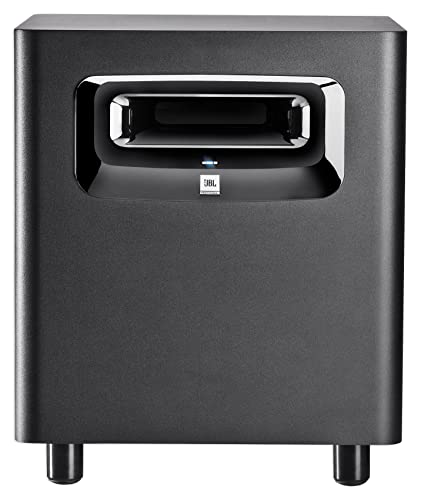
- 10-inch driver reaches into the 20 Hz region
- XLF mode adds club-style bass tuning
- Balanced XLR and 1/4-inch connections
Best For: Studio systems that need deep bass extension or an LFE channel
Bluetooth-Ready Studio Bass
PreSonus Eris Sub 8BT Powered Subwoofer

- Compact 8-inch front-firing design
- Bluetooth 5.0 plus TRS, RCA, and aux inputs
- Crossover controls and 30 Hz low-end extension
Best For: Small studios and desktop setups that want flexible sub-bass support
Reference-Grade Low End

- 8-inch bass-reflex powered subwoofer
- Low-cut, high-cut, and phase controls
- 150W amplifier for studio use
Best For: Recording and live-music setups that need adjustable low-end control
Desktop Monitoring Starter
PreSonus Eris 3.5 Powered Studio Monitors

- Stereo pair with built-in 50W amplification
- TRS, RCA, aux, and headphone connections
- High- and low-frequency tuning controls
Best For: Desktop users who want compact near-field monitors with flexible inputs
Compact studio sub
KRK S8.4 8-inch powered studio subwoofer

- Reaches down to 30 Hz
- Front-firing port helps placement
- Footswitch bypass support
Best For: Producers needing a compact low-end extension for monitoring
Wireless studio sub
PreSonus Eris Sub 8 BT White 8-inch subwoofer

- Bluetooth 5.0 plus wired inputs
- Reaches down to 30 Hz
- Crossover and tuning controls included
Best For: Small studios and mixed wired/wireless monitoring setups
Compact monitor pair
Yamaha HS3 B powered studio monitor pair

- Compact pair for small desks
- Room control and high trim included
- Works with XLR/TRS, RCA, mini inputs
Best For: Home studios and desktop setups that plan to add a subwoofer
Desktop Bass Add-On
Mackie CR8SBT 8" Powered Subwoofer

- TRS/RCA inputs for CR monitor setups
- Desktop remote with sub bypass
- Bluetooth input plus adjustable crossover
Best For: CR Series owners wanting an easy subwoofer upgrade
Pro Low-End Extension
KRK S10.4 10" Powered Studio Subwoofer

- 10-inch woofer reaches down to 28Hz
- TRS/XLR inputs for studio use
- Front port and footswitch bypass support
Best For: Mixing and production setups needing deep bass
Starter 2.1 Bundle
Mackie CR3.5 Monitors + CR8SBT Sub

- Bundle includes monitors, subwoofer, and RCA cable
- Desktop remote controls system and sub levels
- Crossover adjustable from 40Hz to 180Hz
Best For: Beginners building a compact 2.1 desktop setup
JBL Club-Style Low End – JBL LSR310S 10-Inch Studio Subwoofer
If you need studio monitors with subwoofer output support that can reach deeper into the low end, the JBL LSR310S is built to add serious bass extension to a monitor setup. Its 10-inch design, patented port tuning, and flexible balanced connections make it a practical add-on for studio systems that need tighter low-frequency performance or an LFE channel for surround work.
Best For: Producers and mixers who want deep, controlled bass extension for a studio monitor system or surround setup.
Pros:
- 10-inch driver reaches down into the 20 Hz region for deep bass response.
- XLF mode adds club-style low-end tuning for dance and electronic production.
- Balanced XLR and 1/4-inch inputs/outputs simplify integration with monitor systems.
- -10 dBV / +4 dBu sensitivity switch helps match a wide range of sources.
Cons:
- It is a subwoofer only, so it must be paired with monitors.
- Best suited to studio or surround setups rather than casual desktop listening.
The LSR310S is a strong choice when the goal is to extend monitors cleanly rather than just add louder bass. If your setup needs real sub-bass output and easy balanced routing, this JBL is designed to do that job well.
Bluetooth-Ready Studio Bass – PreSonus Eris Sub 8BT Powered Subwoofer
The PreSonus Eris Sub 8BT is a compact option for studio monitors with subwoofer output needs, especially if you want flexible wired and wireless connectivity in one unit. With an 8-inch front-firing design, crossover controls, and Bluetooth 5.0, it is aimed at accurate low-end support for music production, listening, and multimedia reference.
Best For: Small studios, desktop setups, and creators who want flexible sub-bass support with Bluetooth.
Pros:
- Compact 8-inch front-firing subwoofer fits smaller monitoring spaces.
- Bluetooth 5.0 plus TRS, RCA, and front aux inputs add connection flexibility.
- Highpass and lowpass controls help match the crossover to your main monitors.
- Powered design reaches down to 30 Hz for strong low-end extension.
Cons:
- 100 watts is solid for a compact sub, but not as powerful as larger studio subs.
- Designed to complement compact monitors, so larger systems may want more output.
For buyers who want an easy-to-place sub that can integrate with both pro gear and consumer devices, the Eris Sub 8BT offers a lot of flexibility. It is especially appealing if you value tuning controls and Bluetooth in a studio-friendly package.
Reference-Grade Low End – Yamaha HS8S Studio Subwoofer
The Yamaha HS8S is a straightforward studio monitors with subwoofer output companion for engineers who want controlled bass and simple analog routing. Its 8-inch bass-reflex design, adjustable low-cut and high-cut controls, and phase switch make it easy to tune the sub to a recording or mixing space.
Best For: Recording and live-music setups that need a powered subwoofer with practical crossover controls.
Pros:
- 8-inch bass-reflex design is built for studio and live use.
- Low-cut and high-cut controls let you shape the crossover range.
- Phase switch helps with system alignment in your room.
- 150W amplifier provides substantial powered sub output.
Cons:
- Analog XLR connectivity is the main connection option listed.
- No wireless features are included.
If you want a no-frills subwoofer that focuses on adjustment and integration rather than extras, the HS8S is a practical pick. It suits users who prefer precise control over the low end in a studio monitoring chain.
Desktop Monitoring Starter – PreSonus Eris 3.5 Powered Studio Monitors
The PreSonus Eris 3.5 is a compact pair for buyers building studio monitors with subwoofer output in a desktop or small-room setup. These powered near-field monitors are aimed at clear stereo listening, with tuning controls and multiple input options that make them easy to place into a basic production, gaming, or media desk.
Best For: Desktop users and beginners who want compact studio monitors with flexible inputs and room tuning.
Pros:
- Sold as a stereo pair with built-in 50W amplification.
- 3.5-inch woofers and 1-inch tweeters deliver balanced near-field sound.
- High- and low-frequency tuning controls help adapt sound to the room.
- TRS, RCA, aux, and headphone connections support many setups.
Cons:
- Small 3.5-inch drivers are not a substitute for a real subwoofer.
- Best suited to desktop and near-field listening rather than large rooms.
These monitors are a good starting point if you want an affordable compact system now and plan to add sub support later. Their strength is convenience and tuning flexibility in a small footprint.
Compact studio sub – KRK S8.4 8-inch powered studio subwoofer
If you’re building studio monitors with subwoofer output, the KRK S8.4 is a straightforward way to extend the low end of a mixing setup. Its 8-inch glass aramid composite woofer reaches down to 30 Hz, and the front-firing port plus curved cabinet can make placement easier in tighter rooms.
Best For: Music producers and recording studios that want a compact powered subwoofer for monitor setups.
Pros:
- 8-inch woofer with bass extension down to 30 Hz
- Front-firing port and curved design for placement flexibility
- Footswitch control can bypass the sub and crossover filter
- Class D amplification with 109-watt maximum output
Cons:
- Footswitch is not included
- Wired XLR-only connectivity may limit simple consumer hookups
Overall, the S8.4 is a practical choice if you want a dedicated sub to support nearfield monitors without adding a large footprint. It focuses on studio-style bass extension and control rather than extra features.
Wireless studio sub – PreSonus Eris Sub 8 BT White 8-inch subwoofer
PreSonus Eris Sub 8 BT White 8-inch Front-Firing Studio Subwoofer with Bluetooth Wireless Technology
Check Price On AmazonThe PreSonus Eris Sub 8 BT is a compact option for studio monitors with subwoofer output when you want flexible connections and a controlled low end. It uses an 8-inch front-firing glass-composite woofer, reaches down to 30 Hz, and adds Bluetooth 5.0 alongside TRS and RCA connectivity for mixed-use setups.
Best For: Small studios, hybrid listening setups, and users who want wired and wireless subwoofer connectivity.
Pros:
- 8-inch front-firing woofer with 30 Hz low-end extension
- Bluetooth 5.0 plus TRS and RCA inputs for flexible use
- Variable lowpass filter and switchable 80 Hz highpass filter
- Front-panel headphone output and built-in headphone amplifier
Cons:
- Designed to complement compact monitors, not larger full-range systems
- White finish may not suit every studio look
For buyers who want a sub that can slot into both studio and casual listening spaces, the Eris Sub 8 BT offers a lot of connection flexibility. Its tuning controls and crossover features make it easier to integrate with satellite monitors.
Compact monitor pair – Yamaha HS3 B powered studio monitor pair
If you’re shopping for studio monitors with subwoofer output, the Yamaha HS3 pair is a compact nearfield option with a simple connection set and room controls. The 3.5-inch woofer design, 70 Hz to 22 kHz response, and included XLR/TRS, RCA, and stereo mini inputs make it easy to integrate into a small desktop studio.
Best For: Desktop producers and home studios needing compact monitors that can connect to a subwoofer-based setup.
Pros:
- Pair of compact powered monitors for small workspaces
- XLR/TRS combo, RCA, and stereo mini inputs
- Room control and high-trim response controls
- Includes cables and anti-slip pads
Cons:
- 3.5-inch woofer and 70 Hz low end are limited without a subwoofer
- Lower output power than larger studio monitor options
The HS3 is best viewed as a compact monitoring foundation rather than a bass-heavy solution. Paired with a subwoofer, it can suit small rooms where space and simple connectivity matter most.
Desktop Bass Add-On – Mackie CR8SBT 8" Powered Subwoofer
If you’re shopping for studio monitors with subwoofer output, the Mackie CR8SBT is a straightforward way to add low-end extension to CR Series setups. It connects through TRS or RCA, includes Bluetooth, and gives you easy desktop control over volume and sub bypass.
Best For: CR Series monitor owners who want an easy, compact subwoofer with simple desktop control.
Pros:
- Made for Mackie CR Series monitors, with TRS and RCA connectivity
- Desktop remote provides quick volume and sub bypass control
- Adjustable crossover helps blend the sub with your monitors
- Bluetooth input adds flexible wireless playback
Cons:
- Designed around CR monitors, so it is less universal than some alternatives
- Single 8-inch sub may be modest for larger rooms
- Requires corded power and is not a portable option
The CR8SBT makes the most sense when you want a simple, brand-matched bass upgrade for a desktop monitoring setup. It focuses on practical integration and convenience rather than advanced studio features.
Pro Low-End Extension – KRK S10.4 10" Powered Studio Subwoofer
For buyers comparing studio monitors with subwoofer output, the KRK S10.4 is built to extend the low end of a professional setup. It offers TRS and XLR connectivity, a front-firing port for placement flexibility, and a footswitch-enabled sub/crossover bypass approach.
Best For: Mixing and production users who want a powerful wired subwoofer with flexible studio placement.
Pros:
- 10-inch woofer with bass extension down to 28Hz
- Front-firing bass port supports more flexible placement
- TRS and XLR connectivity suits studio gear
- Footswitch control can disable the sub and crossover filter
Cons:
- Footswitch is not included
- Wired-only design has no wireless input options
- Tabletop mount and 35-pound weight make it a more fixed setup piece
The S10.4 is a strong choice when your priority is a serious low-end extension for mixing or listening. Its feature set is more about studio integration and output than convenience extras.
Starter 2.1 Bundle – Mackie CR3.5 Monitors + CR8SBT Sub
If you want studio monitors with subwoofer output in one bundle, this Mackie package pairs CR3.5 powered monitors with the CR8SBT subwoofer and a dual RCA cable. It is aimed at everyday studio, gaming, and casual listening setups where you want a small monitor footprint plus real low-end support.
Best For: Beginners and desktop users who want an all-in-one 2.1 Mackie setup with simple controls.
Pros:
- Includes both CR3.5 monitors and the CR8SBT 8-inch powered subwoofer
- Triple input support on the monitors: TRS, RCA, and 3.5mm
- Desktop remote gives independent system and subwoofer level control
- Adjustable crossover from 40Hz to 180Hz
Cons:
- Bundle is centered on compact 3.5-inch monitors, not larger nearfields
- RCA cable is included, but broader cabling may still be needed depending on your gear
- Designed for desktop use, so it is not ideal for bigger rooms
This bundle is the easiest pick if you want matching monitors and a subwoofer without piecing the system together separately. It keeps setup simple while still giving you control over bass blending and overall volume.
How We Picked the Best Studio Monitors with Subwoofer Output
We focused on systems and monitors that make low-end integration easier, especially for small to mid-size studios. Key factors included power, subwoofer matching options, connectivity, room-friendly design, and overall value for buyers building Studio Monitors with Subwoofer Output into a practical setup.
Quick Comparison
In general, 8-inch and 10-inch subs suit different needs: 8-inch models are often easier to place and better for modest rooms, while 10-inch models can deliver deeper bass and more headroom. Wireless features may be convenient, but wired connections usually remain the most reliable choice for monitoring accuracy.
Key Buying Factors for Studio Monitors with Subwoofer Output
Output and Crossover Control
Look for adjustable crossover settings, level controls, and phase controls so the sub blends smoothly with your mains instead of creating a bass bump or a dip at the crossover point.
Room Size and Placement
A larger sub is not always better. Small rooms can exaggerate low frequencies, so compact subs and careful placement often produce cleaner results than simply choosing the biggest driver.
Connectivity and Compatibility
Check whether the system supports balanced inputs and outputs, especially if you use an audio interface. If you’re pairing an existing monitor set with a subwoofer, make sure the routing matches your monitoring chain.
What You Actually Need
For beatmaking, EDM, and bass-heavy production, a stronger sub can be worth it. For editing, podcasting, and general music production, a modest subwoofer may be enough to extend the low end without overpowering the mix.
Who Should Buy Which Studio Monitors with Subwoofer Output?
If you want the simplest upgrade path, choose a compact subwoofer setup that matches your current monitors. If you need more output for a larger workspace, a 10-inch option may be a better fit. If convenience matters most, Bluetooth-enabled models can be attractive, but for critical listening, prioritize wired performance and flexible controls.
For most buyers, the best choice is the one that balances bass extension, room size, and monitoring accuracy rather than the one with the highest wattage on paper.