Choosing from today’s condenser microphones can be tricky: some are built for polished studio vocals, while others are tuned for easy USB use on a desk or gaming setup.
This roundup focuses on practical performance, value, and versatility so you can quickly narrow down the right mic for recording, streaming, podcasting, or content creation in 2026.
Best 10 Condenser Microphones Picks for 2026
Project Studio Standard
Audio-Technica AT2020 Cardioid Condenser

- XLR condenser for project and home studio use
- Cardioid pattern helps reduce side and rear pickup
- High SPL handling and wide dynamic range
Best For: Home studio vocals and general recording
Streaming Starter Kit
TONOR TC310+ Gaming Microphone Set

- USB mic kit with boom arm and accessories included
- Tap mute, gain control, and RGB lighting
- Plug-and-play setup for PC, Mac, and consoles
Best For: Gaming, streaming, and desktop content creation
Vocal Precision Pick
RØDE NT1 Signature Series Studio Condenser
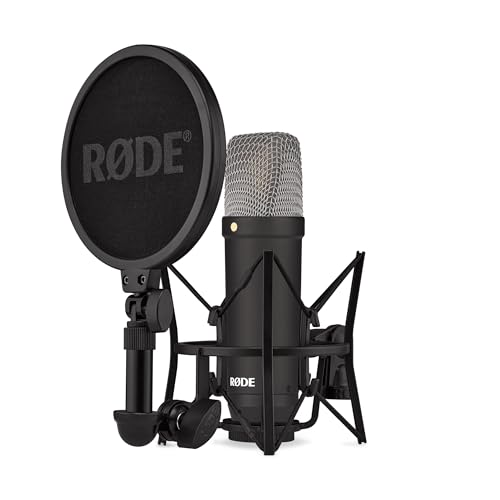
- Extremely low self-noise for cleaner recording
- Includes shock mount, pop filter, and XLR cable
- Tight cardioid pattern helps reject room noise
Best For: Vocals and streaming in treated or semi-treated rooms
Dual-Mode Value Choice
MAONO A04 Gen2 XLR/USB Condenser Kit

- USB and XLR connectivity in one microphone
- Includes boom arm, shock mount, and filters
- Software control and noise reduction in USB mode
Best For: Creators who want flexible recording setups
Budget Studio Condenser
Mackie EM-91C large-diaphragm XLR mic

- Affordable large-diaphragm condenser
- Cardioid pattern reduces room pickup
- Shock mount and XLR cable included
Best For: Home studios and budget vocal/instrument recording
Streaming Favorite
Blue Yeti Blackout USB condenser mic

- USB plug-and-play for Mac and PC
- Four pickup patterns for flexible recording
- Blue VO!CE software and onboard controls
Best For: Streaming, podcasting, and creator recording
Versatile XLR Pick
AKG P120 cardioid XLR condenser mic

- Low-mass diaphragm for clear detail
- Handles up to 150 dB SPL
- Durable metal build with stand adapter
Best For: Project studios and home recording with loud sources
All-in-One Starter Kit
Plug-and-Play Recording Bundle

- USB condenser mic with no-driver setup
- Includes boom arm, shock mount, and pop filter
- Cardioid pickup helps reduce room noise
Best For: home-studio creators, streamers, and podcasters
Simple Desktop Pick

- Plug-and-play USB mic with 5.9-foot cable
- Metal body and tripod stand for desktop use
- Volume knob for quick output control
Best For: meetings, voiceovers, and casual streaming
Compact Desktop Option

- 14mm diaphragm with low-noise capture
- One-tap mute and 360° adjustable stand
- Cardioid pattern helps reduce background noise
Best For: PC streaming, podcasting, and everyday voice recording
Project Studio Standard – Audio-Technica AT2020 Cardioid Condenser
If you’re comparing condenser microphones for a home studio, the Audio-Technica AT2020 is a straightforward XLR option built around value and flexibility. Its cardioid pattern helps reduce pickup from the sides and rear, while the low-mass diaphragm and high SPL handling make it a solid fit for a wide range of recording tasks.
Best For: Home studio users who want a reliable XLR condenser for vocals and general recording.
Pros:
- Price/performance standard for project and home studio use
- Cardioid pattern improves isolation by reducing off-axis pickup
- High SPL handling and wide dynamic range add versatility
- Low-mass diaphragm supports extended frequency response and fast transient response
Cons:
- Requires phantom power and an audio interface
- Mic-only package, so you’ll need extra accessories for a full setup
As a no-frills studio condenser microphone, the AT2020 focuses on doing the basics well and remains a practical choice for first-time and budget-conscious recording setups.
Streaming Starter Kit – TONOR TC310+ Gaming Microphone Set
For buyers shopping condenser microphones for gaming and streaming, the TONOR TC310+ is built as an all-in-one USB kit. It combines a vocal microphone, boom arm, shockmount, pop filter, and RGB lighting, making it easy to set up for desktop use without extra parts.
Best For: Streamers, gamers, and content creators who want a plug-and-play desk mic kit.
Pros:
- USB connection with plug-and-play convenience
- Includes boom arm, shockmount, pop filter, and mic stand
- Tap-to-mute and gain control add quick, practical control
- RGB lighting with multiple modes and brightness adjustment
Cons:
- USB-only design is less flexible than XLR/USB dual-mode mics
- Best suited to desk setups rather than mobile recording
The TC310+ is a convenience-first condenser microphone kit that prioritizes easy setup and gaming-friendly features over studio expandability.
Vocal Precision Pick – RØDE NT1 Signature Series Studio Condenser
If you want condenser microphones with a strong vocal focus, the RØDE NT1 Signature Series is aimed squarely at studio recording and streaming. Its tight cardioid pattern, included shock mount, pop filter, and XLR cable make it a polished package for users building a serious vocal setup.
Best For: Vocal recording and streaming when low self-noise and a complete XLR setup matter.
Pros:
- Legendary NT1 voicing trusted in studios for years
- Very low self-noise for cleaner recordings
- Cardioid pattern helps reject room sound
- Includes shock mount, pop filter, and XLR cable
Cons:
- Requires an audio interface and phantom power
- More of a focused vocal mic than a general all-in-one kit
The NT1 Signature Series stands out as a refined studio condenser microphone for users who want a quieter signal path and a ready-to-record accessory bundle.
Dual-Mode Value Choice – MAONO A04 Gen2 XLR/USB Condenser Kit
Among condenser microphones, the MAONO A04 Gen2 stands out for offering both USB and XLR connectivity in one kit. That makes it useful if you want simple plug-and-play recording now, but also want the option to move into an interface-based setup later.
Best For: Podcasters, streamers, and home creators who want flexible USB/XLR connectivity.
Pros:
- Dual USB/XLR connectivity adds setup flexibility
- Comes with pop filter, foam windscreen, shock mount, and boom arm
- Cardioid pattern and noise reduction help reduce unwanted room noise
- USB mode supports software-based gain and EQ controls
Cons:
- XLR use requires phantom power
- USB software controls are only available in USB mode
The A04 Gen2 is a practical all-in-one condenser microphone kit for creators who want a broad feature set and the ability to grow into different recording workflows.
Budget Studio Condenser – Mackie EM-91C large-diaphragm XLR mic
If you want condenser microphones that can handle vocals and instruments without pushing your budget too far, the Mackie EM-91C is a practical XLR option. Its large-diaphragm design and cardioid pattern make it a straightforward pick for home and project studios where you want focused capture and reduced room ambience.
Best For: Home studio users who want an affordable, rugged condenser mic for vocals and instruments.
Pros:
- Affordable professional-quality condenser microphone for studio use
- Cardioid polar pattern helps reduce ambience
- Includes a shock mount and XLR cable
- Rugged, reliable construction
Cons:
- XLR connectivity requires an audio interface or mixer
- Built for studio-based vocals and instruments rather than easy USB use
The EM-91C keeps the feature set simple and useful: a large-diaphragm capsule, wired XLR connection, and included accessories. For buyers building out a home recording setup, it offers a sensible balance of value, durability, and studio-focused performance.
Streaming Favorite – Blue Yeti Blackout USB condenser mic
Among condenser microphones for creators, the Blue Yeti stands out for its USB plug-and-play setup and flexible pickup options. It is designed for streaming, podcasting, video calls, and music recording, with onboard controls that make it easy to adjust gain, mute quickly, and monitor your voice as you work.
Best For: Streamers, podcasters, and creators who want an easy USB condenser mic with multiple pickup patterns.
Pros:
- USB plug-and-play setup for Mac or PC
- Four pickup patterns: cardioid, omni, bidirectional, and stereo
- Blue VO!CE software adds broadcast-style effects and HD audio samples
- Onboard controls for gain, mute, pattern selection, and headphone volume
Cons:
- Bulkier desktop design may take up more space
- USB format may not suit users building a traditional XLR studio chain
If you want one microphone that can cover a lot of creator tasks, the Yeti is versatile and easy to use. Its combination of software features, multiple pickup modes, and hands-on controls makes it a strong all-in-one choice for everyday recording and streaming.
Versatile XLR Pick – AKG P120 cardioid XLR condenser mic
If you are comparing condenser microphones for a studio or live setup, the AKG P120 is a versatile XLR model with a low-mass diaphragm and cardioid pattern. It is built to capture clear vocals, speech, and instruments, while also handling louder sources with high SPL capability.
Best For: Budget-conscious recordists who need a clear, durable XLR condenser for vocals and instruments.
Pros:
- Clear sound with accurate sonic detail for vocals, speech, and instruments
- Handles sound pressure levels up to 150 dB
- Includes a stand adapter in the box
- Durable metal construction
Cons:
- Requires phantom power and an audio interface or compatible mixer
- More studio-oriented than plug-and-play USB options
The P120 is a straightforward recording mic that focuses on useful fundamentals rather than extras. With its cardioid pickup, wide frequency range, and strong SPL handling, it fits well in project studios and home recording setups that need dependable performance.
All-in-One Starter Kit – Plug-and-Play Recording Bundle
If you want one of the more complete condenser microphones bundles for a desktop setup, the FIFINE T669 makes the process straightforward. Its USB connection, cardioid pickup, and included boom arm give you a ready-to-record package for vocals, podcasting, voice-over, and streaming without extra hardware or drivers.
Best For: Streamers, podcasters, and home-studio users who want an all-in-one USB condenser mic kit.
Pros:
- USB plug-and-play setup with no additional drivers required.
- Cardioid condenser capsule helps focus on your voice and reduce ambient noise.
- Includes a sturdy boom arm, shock mount, double pop filter, and 8.2 ft USB cable.
- Metal construction and desktop-friendly mounting options add stability.
Cons:
- Not compatible with Xbox.
- Bulkier than a simple desk mic because of the included arm and accessories.
Overall, this is a strong choice if you want a practical recording bundle rather than a bare microphone. The accessory package and direct USB setup make it especially appealing for first-time creators building a home recording corner.
Simple Desktop Pick – Easy USB Condenser Mic
The FIFINE K669B is a straightforward option among condenser microphones if you want a simple USB mic for meetings, voice recording, and casual streaming. It focuses on easy setup, a solid metal build, and a cardioid pickup pattern that keeps your voice front and center.
Best For: Users who want an easy, durable USB condenser mic for calls, voiceovers, and entry-level recording.
Pros:
- Plug-and-play USB connection with included 5.9-foot cable.
- Metal construction and tripod stand give it a sturdy desktop presence.
- Built-in volume knob adds quick level control and privacy mute-by-turn-down behavior.
- Cardioid pattern captures clear voice and reduces background noise.
Cons:
- Not compatible with Xbox or phones.
- More basic accessory set than bundled boom-arm kits.
This is a sensible pick if you value simplicity over extras. It covers the core needs of a USB recording mic well, especially for meetings, streaming, and routine voice work.
Compact Desktop Option – Cardioid USB Mic with Mute
The Amazon Basics model is a clean, no-fuss choice in condenser microphones for PC use. It combines a large 14mm diaphragm, cardioid pickup, and plug-and-play USB connection, making it practical for streaming, podcasting, music recording, and online meetings.
Best For: PC users who want a compact USB condenser microphone with simple controls and stable desktop use.
Pros:
- Large 14mm diaphragm with high sensitivity and low noise design.
- Cardioid pickup helps isolate background noise.
- Built-in one-tap mute function for quick silencing.
- Adjustable 360° stand and built-in shock absorber improve desktop flexibility and stability.
Cons:
- Compatible device notes are limited mainly to laptop/PC use.
- Plastic or plastic-alloy enclosure is less rugged than metal-bodied models.
For buyers who want a compact desktop mic with useful basics, this is an easy recommendation. It keeps the feature set focused on clean voice pickup, mute control, and simple installation.
How We Picked the Best Condenser Microphones
We prioritized sound quality, pickup pattern, connection type, ease of setup, included accessories, and overall value. The strongest options here cover both XLR and USB use, since buyers often want either a more traditional studio path or a simple plug-and-play experience.
We also looked for models that suit common real-world uses: vocal recording, voiceovers, podcasting, live streaming, gaming, and basic instrument capture. That means this list includes both affordable entry-level picks and higher-end Condenser Microphones for more demanding creators.
Quick Comparison: What Matters Most
If you want the simplest setup, USB mics are usually the fastest route. If you want more upgrade flexibility, XLR Condenser Microphones are a better long-term studio choice. Some hybrid models offer both, which can be helpful if you are starting small but plan to expand later.
Large-diaphragm designs tend to deliver the fuller, more detailed vocal sound many creators want, while cardioid pickup patterns help focus on your voice and reduce room noise. Bundled stands, shock mounts, and pop filters can improve value, but sound quality and connection type should still lead the decision.
Key Buying Factors for Condenser Microphones
Connection Type
Choose USB if you want convenience and a direct computer connection. Choose XLR if you want better upgrade potential, external audio interface support, and a more traditional recording workflow.
Pickup Pattern and Room Noise
Most buyers will do best with a cardioid pattern, especially in untreated rooms. It captures sound from the front and helps reduce background noise from the sides and rear.
Application Fit
For podcasting and streaming, clarity and consistent voice capture matter most. For music, look for a mic with enough detail and sensitivity to handle vocals and instruments cleanly. For gaming or meetings, ease of use may matter more than studio nuance.
Accessories and Value
Extras like a boom arm, shock mount, stand, or software support can save money and simplify setup. Just make sure the bundle does not distract from core performance.
Who Should Buy Which Condenser Microphones?
Beginners and casual users should lean toward USB models for fast setup. Podcasters and streamers who want a flexible desk rig may prefer a hybrid USB/XLR option. Home-studio users, vocalists, and musicians will usually get the most out of XLR Condenser Microphones paired with an interface.
If you are shopping on a tighter budget, prioritize a clean cardioid sound and solid build quality over feature-heavy bundles. If you want the easiest all-in-one experience, look for a complete kit with the accessories you actually need and skip the extras you will not use.