The right microphone preamp for vocals can add clean gain, reduce noise, and help a microphone perform at its best. It is especially useful when an audio interface struggles with low-output dynamic or ribbon microphones.
These 10 options cover inline boosters, affordable standalone preamps, and feature-rich channel strips, so you can match your choice to your microphone, recording space, and workflow.
Best 10 Microphone Preamp for Vocals Picks for 2026
Complete Vocal Control

- Integrated preamp and four vocal-processing sections
- Compression, de-essing, enhancement, and gating
- Rack-mountable design with flexible I/O
Best For: Vocal setups needing comprehensive, hands-on processing
Ultra-Clean Gain Boost
Cloudlifter CL-1 Mic Activator

- Adds up to +25 dB of gain
- Uses phantom power without passing it to passive mics
- Compact inline XLR format
Best For: Low-output passive microphones and vocal recording
Compact Class-A Boost
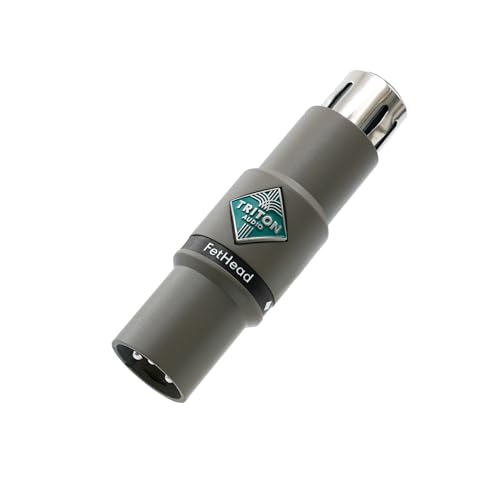
- Low-noise Class-A JFET amplifier
- Double single-ended amplifier topology
- Shielded, compact inline enclosure
Best For: Simple vocal chains needing a compact inline preamp
Tube-Based Foundation

- Single-channel tube preamplifier
- Handles microphones and instruments
- Includes a two-year manufacturer warranty
Best For: Simple vocal and instrument recording setups
Best Low-Noise Value

- -120dBV EIN specification
- 19–66dB practical gain range
- Type-C power and flexible outputs
Best For: Home and portable vocal recording with dynamic or condenser microphones
Best Inline Booster
Coda MB-Stealth 28dB Gain Booster
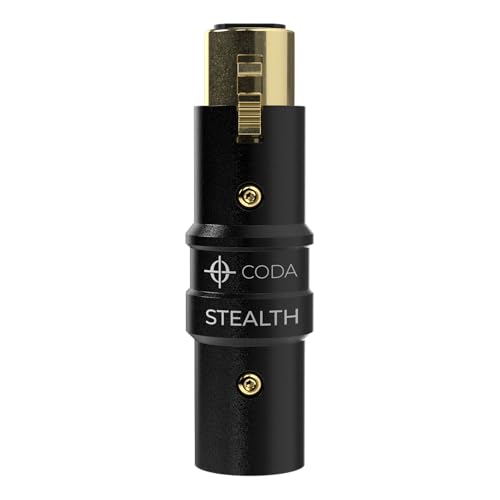
- Adds 28dB of clean gain
- Uses 48V phantom power
- Compact design for dynamic and ribbon mics
Best For: Podcasts, livestreams, and vocal setups using dynamic or ribbon microphones
Best Connectivity Options

- Up to 75dB gain with -120dB EIN
- 48V phantom power for condenser mics
- XLR plus dual 3.5mm outputs
Best For: Flexible vocal recording across studio and compact audio setups
Simple Gain Boost

- Adds 28dB of gain
- Designed for dynamic and passive ribbon microphones
- Compact XLR inline format
Best For: Dynamic or passive ribbon vocal microphones
Flexible Studio Control

- Provides 0–72dB adjustable gain
- Includes 48V phantom power and Hi-Z input
- Supports studio, streaming, and mobile setups
Best For: Versatile vocal, podcast, and streaming rigs
Compact Vocal Support

- Adds 20dB of balanced gain
- Supports dynamic and condenser microphones
- Lightweight metal case for portable use
Best For: Compact home-studio, podcast, and streaming setups
Complete Vocal Control – dbx 286s Channel Strip
For singers who want more than basic gain, the dbx 286s is a microphone preamp for vocals with compression, de-essing, enhancement, and an expander/gate. Its channel-strip design can help shape a vocal signal before it reaches the rest of your recording or live-sound setup.
Best For: Vocalists, home studios, live sound users, and creators who want integrated vocal processing.
Pros:
- Combines microphone preamp, compression, de-esser, enhancer, and expander/gate functions.
- Classic dbx compression helps balance louder and quieter vocal elements.
- Loop-out, insert, XLR, and 1/4-inch connections support flexible signal routing.
- Status LEDs provide at-a-glance monitoring of levels and processor activity.
Cons:
- Its extensive controls may be more than needed for a simple vocal setup.
- The rack-mountable 1U format is less compact than an inline preamp.
The dbx 286s is a strong choice when vocal clarity and processing flexibility matter more than minimal size. It is especially practical for users who want several dedicated processors in one rack unit.
Ultra-Clean Gain Boost – Cloudlifter CL-1 Mic Activator
The Cloudlifter CL-1 is an inline microphone preamp for vocals designed to add up to 25 dB of gain to quiet passive microphones. It uses phantom power while keeping that phantom power from passing through to the microphone, helping preserve the source mic’s natural sound.
Best For: Home studios, podcasts, streaming, voiceover, and vocal recording with low-output passive microphones.
Pros:
- Provides up to +25 dB of ultra-clean gain.
- Works with passive ribbon microphones without transferring phantom power to them.
- Compact XLR inline design integrates easily with standard microphone inputs.
- Suitable for studio recording, live sound, broadcasting, and streaming.
Cons:
- Requires +48V phantom power from the connected microphone input.
- Adds gain but does not provide the onboard compression or tone-shaping controls of a channel strip.
The CL-1 is a focused solution for increasing signal strength without changing the workflow significantly. Choose it when your microphone needs cleaner gain rather than a full set of vocal effects.
Compact Class-A Boost – Triton Audio FetHead
The Triton Audio FetHead is an inline microphone preamp for vocals built around a low-noise Class-A JFET amplifier. Its shielded enclosure and compact form make it a straightforward option for adding inline gain in a vocal recording chain.
Best For: Vocalists and recordists seeking a compact, low-noise inline preamp.
Pros:
- Uses a low-noise Class-A JFET amplifier design.
- Employs a double single-ended amplifier topology.
- Shielded enclosure helps suit practical studio signal-chain use.
- Compact boxed format is easy to add between a microphone and input.
Cons:
- The supplied notes do not specify its gain amount or phantom-power requirements.
- It is an inline preamp rather than a full vocal processor with compression or de-essing.
The FetHead fits buyers who want a simple, compact gain stage and are prioritizing its Class-A JFET design. Confirm compatibility with your existing microphone and interface before purchase.
Tube-Based Foundation – ART Tube MP
The ART Tube MP is a single-channel tube microphone and instrument preamplifier for users seeking a dedicated gain stage for vocals. Its straightforward design keeps the focus on preamplification rather than adding a large set of integrated effects.
Best For: Vocalists and musicians who need a single-channel tube microphone or instrument preamplifier.
Pros:
- Designed for both microphone and instrument sources.
- Single-channel format is simple for focused recording setups.
- Stainless-steel construction is paired with a black finish.
- Includes a stated two-year manufacturer warranty.
Cons:
- It does not offer the integrated compression, de-essing, or gating listed for the dbx 286s.
- The supplied notes do not specify gain range, connections, or detailed tube controls.
The Tube MP is worth considering when you want a dedicated tube preamplifier for vocals or instruments and prefer a simple single-channel unit. Buyers needing detailed vocal shaping should look to a channel strip instead.
Best Low-Noise Value – RO03 66dB Mic Preamp
If you need a microphone preamp for vocals that prioritizes low noise without a high studio budget, the upgraded RO03 is a practical option. It offers a usable 19–66dB gain range, -120dBV EIN, 48V phantom power compatibility, and XLR, TRS, and TS output options. For the cleanest results, the manufacturer recommends connecting its output to an audio interface’s TRS line input.
Best For: Vocalists and home recordists using dynamic or condenser microphones who want high gain, low noise, and flexible connections.
Pros:
- -120dBV EIN specification for an exceptionally low stated noise floor.
- Practical 19–66dB gain range designed for real-world use.
- Supports dynamic, condenser, and ribbon microphones, plus instruments through the 1MΩ input.
- Type-C power improves portability for mobile or outdoor recording setups.
Cons:
- The two input ports cannot be used simultaneously.
- Lowest-noise operation depends on using the recommended TRS line connection.
- It requires an external audio interface, mixer, or compatible output device.
The RO03 is a strong fit when clean gain and connection flexibility matter more than an all-in-one design. Its Type-C power and revised gain range make it especially suitable for portable vocal recording.
Best Inline Booster – Coda MB-Stealth 28dB Gain Booster
The Coda MB-Stealth is a compact microphone preamp for vocals designed to add clean gain to low-output dynamic and ribbon microphones. It uses an audio interface’s 48V phantom power and provides 28dB of stated gain, making it a simple inline solution for microphones that need more level before recording or streaming.
Best For: Dynamic or ribbon microphone users who want a small inline gain booster for podcasts, livestreams, or vocal recording.
Pros:
- Adds 28dB of stated clean gain using 48V phantom power.
- Designed specifically for dynamic and ribbon microphones.
- Compact matte-black aluminum design suits streamlined microphone setups.
- 20Hz–20kHz frequency response and a -70dB noise rating support clear audio capture.
Cons:
- It does not work with condenser microphones.
- It requires an interface or other source that provides 48V phantom power.
- Its 28dB gain is less extensive than the gain range of dedicated standalone preamps.
The MB-Stealth makes sense when you need a straightforward level boost without adding a larger desktop unit. Check microphone compatibility and phantom-power availability before choosing it.
Best Connectivity Options – MIC-1 75dB Vocal Preamp
For a microphone preamp for vocals with substantial gain and multiple output formats, the JCANOL MIC-1 combines up to 75dB of stated gain with -120dB EIN performance. It supports dynamic and condenser microphones, includes 48V phantom power, and adds balanced XLR plus 3.5mm mic and line outputs for studio and compact-device connections.
Best For: Vocalists and creators who need high gain, phantom-power support, and both balanced and 3.5mm output options.
Pros:
- Up to 75dB of gain provides headroom for low-output dynamic microphones.
- -120dB EIN specification targets low-noise recording.
- Supports dynamic and condenser microphones with 48V phantom power.
- Balanced XLR and independent 3.5mm mic and line outputs expand connection options.
Cons:
- The two input ports cannot operate simultaneously.
- Its output variety may be unnecessary for users with a conventional single-interface setup.
- It requires external recording or playback equipment rather than functioning as a complete interface.
The MIC-1 is the most versatile choice here for users who may switch between studio XLR wiring and compact 3.5mm devices. Its high gain and phantom power also make it well suited to demanding vocal microphones.
Simple Gain Boost – 28dB Dynamic Mic Preamp
If you need a straightforward microphone preamp for vocals from a low-output dynamic or passive ribbon microphone, this compact inline booster adds 28dB of gain before your audio interface. It requires an interface with 48V phantom power and is not designed for condenser microphones.
Best For: Singers using dynamic or passive ribbon microphones with an audio interface that supplies 48V phantom power.
Pros:
- Adds 28dB of gain to help amplify quieter dynamic and ribbon microphones.
- Compact, lightweight XLR design weighs 7.2 ounces.
- 20Hz–20kHz frequency response and output noise below 6uV.
Cons:
- Requires 48V phantom power from the connected interface.
- Not compatible with condenser microphones.
- Offers fixed rather than adjustable gain.
This is a focused solution for adding clean level to compatible microphones without adding a larger preamp unit to your setup. Check your microphone type and phantom-power availability before buying.
Flexible Studio Control – RO-04 Adjustable Mic Preamp
For a versatile microphone preamp for vocals, the RO-04 provides adjustable gain from 0 to 72dB, ultra-low claimed EIN of -120dBV, and dedicated features for studio, podcasting, streaming, and mobile setups. Its mic and instrument inputs also support simultaneous singing and playing.
Best For: Vocalists, podcasters, streamers, and home-studio users who need broad gain control, 48V phantom power, and flexible output matching.
Pros:
- 0–72dB adjustable gain accommodates low-output microphones and quieter sources.
- -120dBV EIN is designed to maintain a low noise floor when adding gain.
- Supports dynamic, condenser, and ribbon microphones with built-in 48V phantom power.
- USB-C and power-bank operation improve portability for mobile use.
Cons:
- At 2.42 pounds, it is less compact than an inline booster.
- Its broader feature set may be more than needed for a simple vocal setup.
The RO-04 is the most adaptable option here, particularly if your vocal setup may expand to instruments, streaming, or mobile recording. Its adjustable gain and dual-output design give it more configuration flexibility than a fixed inline preamp.
Compact Vocal Support – 20dB Balanced Mic Preamp
This compact microphone preamp for vocals adds 20dB of balanced gain and includes 48V power for dynamic and condenser microphones. Its lightweight metal case makes it a practical choice for home studios, recording, podcasting, and live streaming.
Best For: Vocalists and content creators who want a small preamp with fixed gain, XLR output, and support for both dynamic and condenser microphones.
Pros:
- Provides 20dB of clean, transparent gain.
- Works with dynamic and condenser microphones using 48V power.
- Fully balanced circuit is designed for low noise and minimal coloration.
- Compact 8.8-ounce design has a rugged black metal case.
Cons:
- Fixed 20dB gain offers less control than an adjustable preamp.
- The supplied notes do not specify compatibility with passive ribbon microphones.
- Requires suitable 48V power for its phantom-powered operation.
This model fits buyers who value simplicity and portability over extensive controls. It is a useful middle ground for vocal recording and streaming when 20dB of added gain is sufficient.
How We Picked the Best Microphone Preamp for Vocals
We selected products across several common vocal-recording setups rather than focusing on one preamp design. The lineup includes inline gain boosters for dynamic and passive ribbon microphones, compact standalone units, tube-style options, and channel strips with processing such as compression, de-essing, gating, and enhancement.
We considered gain range, noise specifications, phantom-power behavior, connectivity, controls, portability, and likely compatibility with home studios, live rigs, and interfaces. A higher gain rating alone does not guarantee better results, so the most suitable Microphone Preamp for Vocals depends on the microphone’s output level and the rest of the signal chain.
Quick Comparison
| Type | Best For | Main Advantage | Watch For |
|---|---|---|---|
| Inline activator | Low-output dynamic or ribbon mics | Simple, clean gain boost | Usually needs 48V phantom power |
| Standalone preamp | Home studios and basic rigs | More control and connectivity | Uses extra desk or rack space |
| Tube or character preamp | Vocalists wanting coloration | Can add warmth or harmonic character | Color may not suit every microphone |
| Channel strip | Recording and live vocal processing | Preamp plus dynamics and tone controls | More setup complexity |
Key Buying Factors for a Microphone Preamp for Vocals
Gain and Noise
Match the preamp’s usable gain to your microphone. Low-output dynamics and passive ribbons often need substantially more clean gain than condenser microphones. Look for a low equivalent input noise figure, but also consider shielding, cable quality, and the noise performance of your interface.
Phantom Power and Compatibility
Condenser microphones require 48V phantom power, while many inline boosters also draw phantom power from the interface. Phantom power is generally safe for balanced dynamic microphones, but use extra caution with passive ribbon microphones and follow the microphone manufacturer’s guidance.
Features and Signal Path
For straightforward recording, a clean gain booster may be all you need. If you want to shape vocals before they reach your software, a channel strip with compression, de-essing, filtering, or gating can reduce later processing. Additional controls are useful only if you understand how they affect the signal.
Connections and Workflow
Check whether the unit uses XLR in and out, offers instrument or Hi-Z input, and fits your available space. An inline preamp is portable and quick to install; a standalone unit may provide easier access to controls and more flexible routing.
Who Should Buy Which Microphone Preamp for Vocals?
Choose an Inline Booster If You Need More Clean Gain
Cloudlifter, FetHead, Coda, and similar inline designs are practical for users whose interface sounds clean but cannot provide enough level for a dynamic or passive ribbon microphone. They are compact and usually the simplest solution.
Choose a Standalone Preamp for Flexible Home Recording
ART, RO03, MIC-1, RO-04, and comparable standalone models suit creators who want dedicated gain controls, phantom power, or extra input and output options without investing in a full channel strip.
Choose a Channel Strip for Hands-On Vocal Processing
The dbx DBX286SV is the better fit for singers, streamers, and engineers who want compression, de-essing, enhancement, and gating available before the signal reaches the recorder or mixer.
Choose Based on Your Microphone First
Before buying, check the microphone’s sensitivity, output level, power requirements, and recommended preamp load. A condenser may need little additional gain, while a quiet dynamic or passive ribbon can benefit greatly from a high-quality, low-noise booster. Set gain conservatively, keep peaks below clipping, and let the preamp complement rather than mask the microphone’s natural vocal tone.