Searching for a Shure SM7B Microphone review?
This classic broadcast mic still earns its reputation, but it is not the easiest buy.
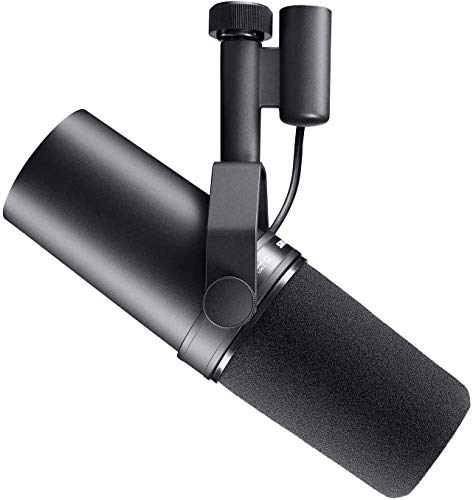
If you want smooth vocal tone, strong noise rejection, and a studio-ready build, the Shure SM7B Microphone can be an excellent long-term choice.
Shure SM7B Review Summary
The Shure SM7B Microphone is best for creators who want polished, broadcast-style audio and are willing to pair it with proper XLR gear. It shines for podcasting, streaming, voiceover, and vocal recording because it gives voices a rich, controlled presence while cutting down room noise better than many condenser microphones.
If your workspace is not acoustically treated, that alone can make it worth serious consideration.
What makes the Shure SM7B Microphone especially compelling is the balance between professional sound and practical isolation.
You are not buying a flashy spec sheet here; you are buying a microphone that is designed to make voices sound confident, smooth, and natural with minimal harshness.
The tradeoff is that it asks more from your setup than a USB mic, especially in terms of clean gain.
For the right buyer, though, that is a worthwhile compromise.
Scorecard
| Category | Score | Takeaway |
|---|---|---|
| Vocal Clarity | 10.0 | Designed for voice work with a smooth, warm, natural presentation. |
| Noise Rejection | 9.0 | Cardioid pickup and shielding help keep room noise under control. |
| Plosive Control | 9.0 | Built-in pop filtering and included windscreens reduce breath noise well. |
| Build Quality | 10.0 | Rugged all-metal construction supports heavy daily use. |
| Interface Compatibility | 8.0 | XLR works broadly with interfaces and mixers, but not as a plug-and-play USB mic. |
| Gain Requirements | 6.0 | Needs substantial clean gain, so setup quality matters a lot. |
Bottom line: the Shure SM7B Microphone is a professional tool, not a casual accessory.
If you want a trusted, studio-style dynamic microphone that can elevate voice recordings right away, it is one of the safest picks in the category.
Key Features and Specifications of Shure SM7B
The Shure SM7B Microphone is a dynamic, unidirectional XLR microphone built for vocal-heavy work.
Its design choices focus on clean voice capture, rejection of unwanted noise, and durability that should hold up for years.
| Specification | Details |
|---|---|
| Brand | Shure |
| Model | SM7B |
| Microphone Type | Dynamic |
| Connectivity | XLR |
| Polar Pattern | Unidirectional / cardioid |
| Impedance | 150 ohms |
| Frequency Response | 50 Hz to 20 kHz |
| Signal-to-Noise Ratio | 60 dB |
| Material | Metal |
| Color | Charcoal Gray |
| Power | No phantom power required |
| Included Components | Close-talk windscreen, foam windscreen, locking yoke mount |
| Compatible Devices | Personal computer via external audio gear |
| Number of Channels | 1 |
- Wide-range, flat frequency response for natural voice reproduction.
- Cardioid pickup pattern to focus on the speaker and reduce room noise.
- Built-in pop filtering to improve close-mic speech capture.
- Air suspension shock isolation to reduce handling and mechanical noise.
- Electromagnetic shielding to help prevent hum and interference.
- Rugged all-metal build for serious studio or broadcast use.
- Includes two windscreens for different speaking styles and proximity.
- Locking yoke mount for secure positioning on a stand or arm.
These specs are not just technical decoration.
They explain why the Shure SM7B Microphone has become a standard in podcast studios and creator setups.
The frequency response is broad enough for voice and singing, while the dynamic capsule helps keep room reflections from dominating the recording.
Pros and Cons of Shure SM7B
Like any serious studio mic, the Shure SM7B Microphone pros and cons depend on how you plan to use it.
Some buyers will love the controlled sound immediately, while others may underestimate the setup it requires.
Pros
- Warm, smooth vocal tone that flatters speech and singing.
- Excellent background noise rejection for untreated rooms and home studios.
- Strong plosive control thanks to the built-in filtering and included windscreens.
- Durable professional construction that feels made for long-term use.
- Versatile for podcasting, streaming, broadcasting, voiceover, and studio vocals.
- Classic broadcast sound that many creators actively want.
Cons
- Requires XLR gear, so it is not a simple plug-and-play USB microphone.
- Needs substantial clean gain, which can mean extra hardware or a stronger interface.
- May be overkill for casual users who only need basic voice capture.
- Setup quality matters; the mic rewards good technique and proper gain staging.
For buyers comparing the Shure SM7B Microphone pros and cons, the biggest takeaway is simple: the advantages are real, but so is the setup commitment.
If you want the sound quality, you should be ready to support it properly.
Who Should Buy Shure SM7B?
The Shure SM7B Microphone is a smart buy for people who care about how their voice sounds on recordings and live content.
It is especially strong for creators who need a dependable microphone that handles less-than-perfect rooms well.
- Podcasters who want a polished, radio-style voice tone.
- Streamers who need strong voice focus and low room noise pickup.
- Voiceover talent who want a smooth, controlled vocal sound.
- Broadcast and on-camera creators who value consistency and reliability.
- Singers and studio users who like dynamic microphone character for close-mic recording.
- Buyers with an audio interface or mixer already in place.
Who should skip it? If you want a microphone that works directly over USB with minimal setup, this is probably not your best fit.
The same is true if you are building a very low-cost starter rig and do not want to think about gain, interface quality, or stand mounting.
Shure SM7B Sound Character for Voice and Music
Sound is the reason most people look at the Shure SM7B Microphone in the first place.
It is widely appreciated for a voice presentation that feels smooth rather than brittle, with enough body to make speech sound more authoritative.
That warm character is a major reason it shows up in podcasts, live streams, voiceover booths, and vocal tracking sessions.
The dynamic design gives it a more controlled capture than many condenser microphones.
In practical terms, that means less room echo, less keyboard noise, and less environmental clutter in the recording.
If your room is not treated with acoustic panels, this is a major advantage.
A condenser may sound more detailed in a perfect room, but in a typical home setup it can expose flaws the SM7B naturally softens.
For music, the mic is especially useful when a performer wants a strong midrange presence and a smooth top end.
It is not usually chosen as a flashy “air” microphone, but that is part of its appeal.
The Shure SM7B Microphone is about control, density, and naturalness rather than exaggerated brightness.
That said, buyers should understand the design philosophy.
This is not a microphone that automatically makes a weak voice sound bigger without any effort.
Proper distance, mic angle, and gain staging still matter.
The good news is that once it is placed correctly, the result is often very forgiving and highly consistent.
XLR Setup and Gain Requirements
The biggest decision factor for the Shure SM7B Microphone is not the sound.
It is the setup.
Because it uses XLR connectivity, you need an audio interface or mixer to use it with a computer.
That is excellent for flexibility and sound quality, but it adds complexity versus a USB mic.
More importantly, the SM7B usually wants around 60 dB of clean gain for ideal results.
Some interfaces provide that easily, while others may make the microphone feel a bit quiet unless you add an inline preamp or choose a stronger interface.
This is where many buyers make a mistake.
They purchase the mic, then discover that the interface they already own is noisy when turned up high.
If you are considering the Shure SM7B Microphone, check your gain capacity before buying.
A clean signal path matters as much as the mic itself.
On the positive side, the SM7B does not require phantom power, which simplifies compatibility with many setups.
The included shock isolation and shielding also make it easier to keep the chain clean.
When paired with the right interface, the microphone becomes remarkably easy to live with.
If you need a reminder to compare your current gear before you commit, this is the point where many buyers should pause and verify their interface specs.
Product not found.
What’s Included in the Box
One advantage of the Shure SM7B Microphone is that it arrives ready for serious use, not as a bare capsule that demands extra accessories before it is functional.
- Shure SM7B microphone
- Close-talk windscreen
- Foam windscreen
- Locking yoke mount
The two windscreen options are genuinely useful.
The close-talk windscreen is well suited to podcast and broadcast-style speaking where proximity is part of the sound.
The foam windscreen is a good everyday option for taming breath noise and keeping things tidy.
The locking yoke mount is another practical inclusion.
The mic is not lightweight or toy-like, so secure mounting matters.
Shure’s choice here reflects a product built for real studios and long sessions rather than temporary desk setups.
Best Uses for Podcasting, Streaming, and Studio Vocals
The Shure SM7B Microphone is at its best when the voice matters more than the room.
That is why podcasters and streamers love it: it gives them a controlled, dependable vocal sound that usually needs less cleanup in post.
For podcasting, it creates a familiar broadcast tone that works well for interviews, solo commentary, and roundtable shows.
Its rejection of off-axis noise helps keep multiple speakers separated more cleanly.
For streaming, it helps your voice cut through gameplay, keyboard clicks, and typical desk noise without sounding overly processed.
That makes it a strong choice for busy desktop environments.
For voiceover, the mic’s smoothness and low-room pickup help produce a more professional result, especially in home studios.
It can reduce the amount of corrective editing needed later.
For studio vocals, the SM7B offers a flexible, uncolored foundation that many singers appreciate for intimate or genre-specific recordings.
It is especially appealing when a brighter condenser would make sibilance or room reflections worse.
In all of these cases, mic technique matters.
The closer and more consistent your positioning, the better the result.
The Shure SM7B Microphone rewards disciplined users.
Shure SM7B vs Other Shure Podcast Microphones
If you are comparing the Shure SM7B Microphone with other options from the same brand, the key question is whether you want more simplicity or more traditional pro-audio flexibility.
- Shure MV7 is the easiest alternative for buyers who want both USB and XLR support.
It is generally more convenient for beginners who do not want to build a full interface-based setup right away.
Search it here: Shure MV7
- Shure MV7X is a podcast-focused dynamic XLR microphone that keeps some of the broadcast flavor while simplifying the microphone choice.
It may suit buyers who want a lower-complexity path in the same family.
Search it here: Shure MV7X
- Rode Procaster is a strong alternative broadcast-style XLR dynamic microphone for buyers comparing voicing and price-positioning in the same category.
Search it here: Rode Procaster
Compared with these alternatives, the Shure SM7B Microphone stands out for its proven vocal character, rugged build, and long-standing studio reputation.
The alternatives can be easier or more flexible, but the SM7B remains the benchmark for buyers who want that classic, controlled broadcast sound.
Product not found.
Is Shure SM7B Worth It?
So, is Shure SM7B Microphone worth it?
For the right buyer, yes, absolutely.
It is one of the most dependable dynamic microphones for voice-focused work, and its strengths are easy to understand: warm tone, low noise pickup, solid plosive control, and a build that should last through years of content creation.
The main reason to hesitate is not sound quality.
It is setup.
If you do not already have an interface or mixer with enough clean gain, or if you want a simple USB solution, the SM7B may create more friction than you want.
In that case, the Shure SM7B Microphone could feel like too much microphone for your current workflow.
But if you are building a serious podcast, streaming, voiceover, or studio vocal setup, the value is much easier to see.
The mic is a smart buy when you want professional results, dependable noise rejection, and a proven broadcast-style sound.
It is not trendy; it is trusted.
Final verdict: buy the Shure SM7B Microphone if you want a classic pro voice mic and you are ready to support it with the right XLR chain. Skip it only if you want ultra-simple USB convenience or a minimal starter setup.
For everyone else, it remains one of the strongest choices in its class.