Finding the right music resources can make worship preparation more organized, collaborative, and musically rewarding. This roundup brings together hymn references, church-music handbooks, creative guides, and writing tools for musicians serving in congregational settings.
Whether you lead from the organ, accompany a worship team, arrange hymns, or are developing your ministry, these selections cover practical preparation as well as the creative and pastoral sides of church music.
Best 10 Samplers for Church Musicians Picks for 2026
Best Hymn Library

- Over 1,000 multi-denominational hymns
- Melody, lyrics, and chords for C instruments
- Useful for worship, rehearsal, and accompaniment
Best For: Church musicians needing a comprehensive hymn reference
Best Ministry Guide

- Covers seven church-music ministry topics
- Useful for teams, rehearsals, and interviews
- Focuses on leadership and ministry perspective
Best For: Church musicians and leaders seeking practical ministry guidance
Best Trio Primer
Chamber Music Sampler - Book 1

- For piano, violin, and cello
- Primer-level material for beginners
- Listed for NFMC Piano Trio Event I
Best For: Beginning instrumental trios and ensemble teachers
Best Worship Planning Guide
Sing with All the People of God

- Covers preparation and worship-song leadership
- Addresses volunteers, staff, and musical style
- Concise 130-page handbook
Best For: Worship teams planning and leading congregational song
Ministry Growth Guide

- Biblical and practical ministry guidance
- For singers, instrumentalists, and worship leaders
- Covers discipline, integrity, and calling
Best For: Church musicians developing their ministry and spiritual practice
Historical Perspective
Church Musicians: Call, Craft, History

- Explores the vocation’s history and current practice
- Considers challenges and joys of the role
- Written by a clergyman and musicologist
Best For: Readers seeking context on church musicianship
Hymnwriting Notebook
Blessed Assurance Sheet Music Journal

- 120 blank pages with 10 manuscript staves
- Useful for composition and theory practice
- Christian-themed design for worship musicians
Best For: Handwritten worship composition and music study
Discussion Starter
Church Musician Retention Podcast

- Explores why churches lose music personnel
- Discusses strategies for improving music programs
- Weekly English original recording
Best For: Church leaders and musicians examining retention challenges
Worship Resource
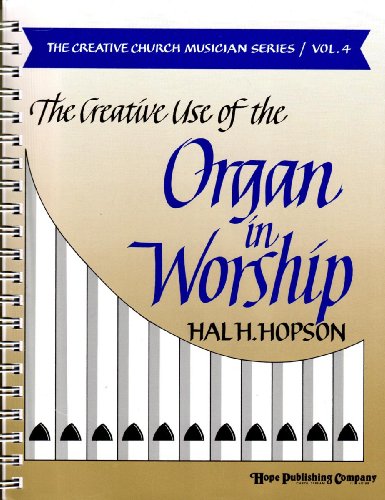
- Focuses on organ use in worship
- 190-page print music book
- Volume 4 in a church musician series
Best For: Organists developing creative worship accompaniment
Personal Account

- Unabridged memoir by Darius Kendrick
- Narrated by the author
- Explores conflict, calling, and perseverance
Best For: Listeners seeking an honest ministry memoir
Best Hymn Library – The Hymn Fake Book
For church musicians seeking samplers for church musicians in a single reference, The Hymn Fake Book offers more than 1,000 multi-denominational hymns. Its lead-sheet format combines melody, lyrics, and chord names for C instruments, making it useful for worship preparation, rehearsal, accompaniment, and personal playing.
Best For: Church musicians, worship leaders, accompanists, and soloists who need a broad hymn resource for C instruments.
Pros:
- Includes over 1,000 multi-denominational hymns.
- Provides melody, lyrics, and chord names in lead-sheet format.
- Supports worship planning, congregational singing, rehearsal, and flexible arrangements.
Cons:
- Its extensive 1,080-page format may be more than users seeking a compact sampler need.
- The C edition is designed specifically for C instruments.
This is the strongest choice for buyers who value breadth and practical accompaniment information over a small, focused collection.
Best Ministry Guide – I Am A Church Musician
Among samplers for church musicians, I Am A Church Musician is a discussion and reference guide rather than a song collection. It addresses identity, ministry philosophy, biblical music history, leadership, conflict, and money, giving church creatives material for personal reflection, team meetings, rehearsals, and ministry preparation.
Best For: Church musicians, worship leaders, pastors of music, ministry candidates, and teams working through leadership or communication topics.
Pros:
- Organized into seven sections covering musicianship, leadership, philosophy, and ministry.
- Useful for interviews, team meetings, rehearsals, and conflict resolution.
- Available as a 489-page English ebook with supported screen reading.
Cons:
- It does not provide hymns, scores, or instrumental arrangements.
- Its focus is church ministry guidance rather than hands-on musical repertoire.
Choose this book when the main need is strengthening ministry perspective and leadership, not expanding a worship music library.
Best Trio Primer – Chamber Music Sampler – Book 1
Chamber Music Sampler – Book 1 is a focused option among samplers for church musicians who work with beginner instrumental ensembles. The 31-page book contains primer-level music for piano, violin, and cello and is identified for the Piano Trio Event I in the National Federation of Music Clubs Festivals Bulletin.
Best For: Beginning piano, violin, and cello trios, music teachers, and church musicians organizing an introductory ensemble performance.
Pros:
- Written for a piano, violin, and cello trio.
- Primer-level material is appropriate for beginning performers.
- Connected with the NFMC Piano Trio Event I listing for 2008–2010.
Cons:
- Its instrumentation is limited to piano, violin, and cello.
- The 31-page book is a focused primer rather than a broad church repertoire collection.
This makes sense for an introductory trio project, but buyers seeking congregational songs or general worship resources should consider another type of book.
Best Worship Planning Guide – Sing with All the People of God
Sing with All the People of God: A Handbook for Church Musicians (Worship Matters)
Check Price On AmazonFor church musicians comparing samplers for church musicians, Sing with All the People of God is a concise handbook focused on worship practice rather than repertoire. It covers preparation, planning, and leadership of assembly song, along with working with volunteers and staff and navigating musical-style questions.
Best For: Church musicians, pastors, rostered leaders, and worship teams responsible for planning and leading congregational song.
Pros:
- Addresses skillful preparation, planning, and leadership of assembly song.
- Discusses collaboration with volunteer musicians and staff.
- Explores questions of musical style in worship.
Cons:
- It is a 130-page handbook, not a songbook or collection of musical arrangements.
- Its scope centers on assembly song and worship leadership rather than instrumental instruction.
This is a practical pick for readers who need guidance in organizing and leading worship music, especially alongside a separate repertoire source.
Ministry Growth Guide – The Church Musician
For church musicians seeking more than equipment or notation tools, The Church Musician offers practical and biblical guidance for serving through music. It is a useful choice among samplers for church musicians who want to strengthen ministry habits, musicianship, and spiritual purpose.
Best For: Singers, instrumentalists, and worship leaders who want devotional and practical ministry guidance.
Pros:
- Covers the calling and responsibilities of church musicians.
- Includes biblical principles, scriptural references, and real-life experiences.
- Addresses discipline, teachability, finances, integrity, and personal growth.
Cons:
- At 85 pages, it is relatively brief.
- It is an ebook rather than a hands-on music notation or sampling resource.
This is best viewed as a ministry-development companion rather than a technical sampler. Its concise format makes it suitable for personal reading or discussion among worship teams.
Historical Perspective – Church Musicians: Call, Craft, History
Church Musicians takes a reflective, historical approach to the vocation, making it a strong reading option among samplers for church musicians. It can help readers consider how the role has developed and how its challenges are communicated to clergy, congregations, and choirs.
Best For: Church musicians, clergy, choir members, and readers interested in the history and responsibilities of the vocation.
Pros:
- Examines church musicianship from historical perspectives through current practices.
- Discusses both the challenges and joys of the work.
- Written from the perspective of a clergyman, musician, historian, and musicologist.
Cons:
- Its lecture-based, reflective format may be less immediately practical for beginners.
- It focuses on vocation and history rather than music production or technical tools.
Choose this book when context and professional reflection matter more than quick how-to instruction. Its 117-page length offers a focused examination of the church musician’s place and craft.
Hymnwriting Notebook – Blessed Assurance Sheet Music Journal
Blessed Assurance is a physical manuscript journal for composing, songwriting, and theory practice. For shoppers comparing samplers for church musicians, its 120 blank staff pages provide a simple place to capture hymn ideas, worship arrangements, and musical exercises.
Best For: Christian composers, worship leaders, music students, teachers, and musicians who prefer handwritten notation.
Pros:
- Provides 120 blank manuscript pages with 10 staves per page.
- Supports composition, songwriting, and music theory practice.
- Features a Christian design centered on the hymn “Blessed Assurance.”
- Its 8.5-by-11-inch format offers generous writing space.
Cons:
- It contains blank staff paper rather than instructional content.
- It is a physical notebook, not digital notation software.
This journal is a practical pick for musicians who want an uncluttered manuscript workspace. It is especially suitable as a gift or as a dedicated notebook for worship songwriting and theory exercises.
Discussion Starter – Church Musician Retention Podcast
For church musicians seeking practical perspective beyond instruments and repertoire, this original-recording podcast examines why churches struggle to retain music personnel. Its weekly discussion format makes it a potentially useful listening option for evaluating music-program strategies.
Best For: Church musicians, worship-program planners, and church leaders exploring retention and music-program challenges.
Pros:
- Focuses directly on challenges affecting church music programs.
- Discusses strategies intended to help improve music-program direction.
- Weekly podcast format supports ongoing listening.
Cons:
- It is an audio discussion rather than a hands-on sampler or music resource.
- The supplied details do not specify episode length or a detailed topic list.
This is best viewed as a leadership and planning resource rather than a traditional sampler for church musicians. Consider it if retention and program strategy are current concerns.
Worship Resource – Creative Organ Use
The Creative Use of the Organ in Worship (The Creative Church Musician Series, Volume 4)
Check Price On AmazonChurch musicians looking for ideas beyond standard organ accompaniment may find this 190-page volume a useful reference. As the fourth book in The Creative Church Musician Series, it focuses specifically on creative organ use in worship.
Best For: Organists and church musicians seeking a focused print resource for developing worship accompaniment ideas.
Pros:
- Addresses the creative use of the organ in worship directly.
- Provides a substantial 190-page format for reference and study.
- Part of an established church musician series.
Cons:
- Its subject is specialized to organ use, so it may not suit non-organists.
- Published in 2000, making it an older resource.
Among these options, this is the most directly practical choice for organ-focused church musicians. It is not a sampler in the audio sense, but it may broaden how an organ is used during worship.
Personal Account – The Woes of a Church Musician
For church musicians who want an honest account of the pressures behind worship ministry, this unabridged audiobook presents Darius Marquis Kendrick’s memoir. The narrative covers church politics, conflict, spiritual struggle, perseverance, and the personal cost of serving behind the music.
Best For: Church musicians, worship leaders, pastors, and creatives seeking a personal perspective on ministry-related challenges.
Pros:
- Written and narrated by Darius Kendrick for a direct autobiographical presentation.
- Covers difficult topics including power struggles, betrayal, isolation, and discernment.
- Seven-hour, one-minute unabridged listening length offers substantial coverage.
Cons:
- Its memoir format is reflective rather than instructional.
- The subject matter may be emotionally heavy for some listeners.
- Publication is dated August 12, 2026, so availability may vary.
This is a fit for listeners who value lived experience and candid storytelling more than technical music guidance. It can provide context for the human and organizational challenges church musicians may face.
How We Picked These Samplers for Church Musicians
We selected these resources to represent the main ways church musicians use sampler-style materials: finding hymns and chords, preparing arrangements, developing ministry skills, documenting original music, and reflecting on the responsibilities of musical service. The list includes reference books, practical handbooks, sheet-music resources, manuscript paper, and audio content rather than focusing on one denomination or worship tradition.
Because the products serve different purposes, compare them by format and intended use instead of treating them as interchangeable. A large hymn collection is useful for repertoire discovery, while a leadership guide or devotional-style book may be better for team development and ministry perspective.
Quick Comparison
| Resource type | Best suited to | What to look for |
|---|---|---|
| Hymn and song collections | Repertoire building and accompaniment | Lyrics, melody, chord symbols, and tradition coverage |
| Church-music handbooks | Musicians, worship leaders, and teams | Practical advice, theological context, and accessibility |
| Instrumental and organ guides | Players developing arrangements | Skill level, instrumentation, and worship applications |
| Manuscript journals | Composers, arrangers, and students | Staff layout, page count, and writing space |
| Audio and reflective resources | Discussion and ministry development | Listening format, topic relevance, and portability |
Key Buying Factors for Samplers for Church Musicians
Match the Resource to Your Role
Accompanists may prioritize chord charts and readable melodies, while organists may need registration, arranging, or improvisation guidance. Worship directors and volunteer teams may benefit more from communication, planning, and creative-ministry advice.
Check Musical Coverage and Format
For hymn books, verify whether the collection includes the traditions, languages, denominational material, or contemporary songs your congregation uses. Consider whether you need a physical book for a music stand, a compact reference, or a digital-friendly format for rehearsal planning.
Consider Skill Level and Usability
Advanced material is not automatically better if it slows preparation. Look for clear notation, practical examples, suitable arrangements, and explanations that fit your experience. A manuscript notebook should also provide enough staff space for the kind of compositions or arrangements you create.
Think About Team Value
Some church-music resources work best as personal references, while others can support choir rehearsals, worship-team conversations, mentoring, or long-term ministry planning. If several musicians will use the material, prioritize durability, clear organization, and topics that apply across instruments.
Who Should Buy Which Samplers for Church Musicians?
Choose a broad hymn or song collection if you need one dependable starting point for repertoire, melody, lyrics, and chords. Pick a church-musician handbook if you are strengthening leadership, teamwork, or worship-planning skills. Organists and instrumentalists should focus on resources specifically addressing their instrument or arranging needs.
Composers, students, and volunteer arrangers will get the most value from a dedicated manuscript journal, while musicians exploring the personal and historical dimensions of ministry may prefer reflective books or audio discussions. For many church musicians, combining one practical reference with one creative or reflective resource offers the most useful long-term collection.