Choosing a condenser microphone for acoustic guitar is mostly about balance: natural detail, realistic body, and how well the mic handles your room.
Below, we’ve narrowed the field to 10 strong options for home recording, studio use, and tighter budget setups, so you can match the right mic to your guitar and workflow.
Best 10 Condenser Microphone for Acoustic Guitar Picks for 2026
Compact Small-Diaphragm Choice

- Small-diaphragm condenser for guitars and strings
- Pad supports up to 155 dB SPL
- All-metal body for rugged daily use
Best For: Acoustic guitar players who want a durable, detail-focused instrument mic
Reliable Instrument Pickup

- Built for acoustic guitars, overheads, and strings
- Clear transient response with a 155 dB SPL pad
- Rugged all-metal body for daily use
Best For: Players and engineers seeking a durable instrument condenser for guitar tracking
Studio Vocal-Style Option

- Affordable large-diaphragm condenser
- Cardioid pattern helps reduce ambience
- Includes shock mount and XLR cable
Best For: Home-studio users wanting one mic for guitar and vocal sessions
Overhead Detail Pick
Phenyx Pro PDM35 for Strings & Percussion

- Wide frequency response for crisp detail
- Cardioid pattern helps reduce background noise
- Metal XLR design for stable, reliable use
Best For: Players needing a focused overhead mic for acoustic strings and percussion
Home Studio Starter
Tascam TM-80 with Stand and Shockmount
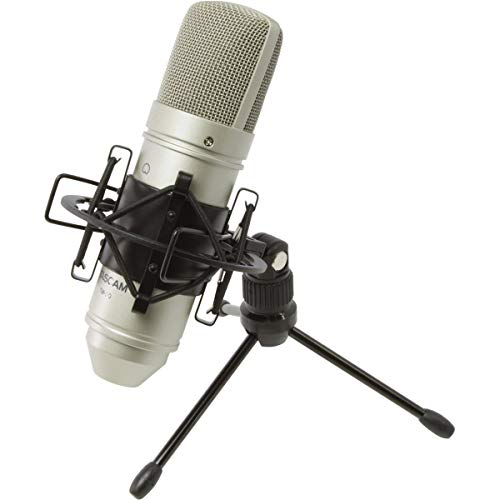
- 18mm diaphragm with cardioid pickup
- Includes stand, XLR cable, and shockmount
- Noise-reduction circuitry for cleaner recordings
Best For: Home recording musicians who want a ready-to-use condenser setup
Studio Standard
Audio-Technica AT2020 for Acoustic Tracking
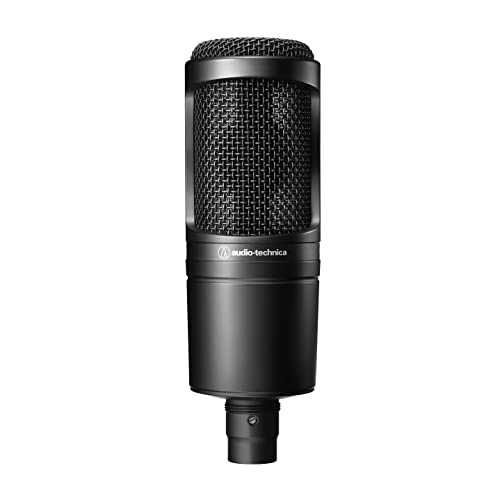
- Cardioid pickup improves source isolation
- Low-mass diaphragm for detailed transients
- High SPL handling for versatile studio use
Best For: Project and home studio acoustic guitar recording
Studio-Ready Low-Noise Option
RØDE NT1 Signature Series Studio Condenser Microphone, Black
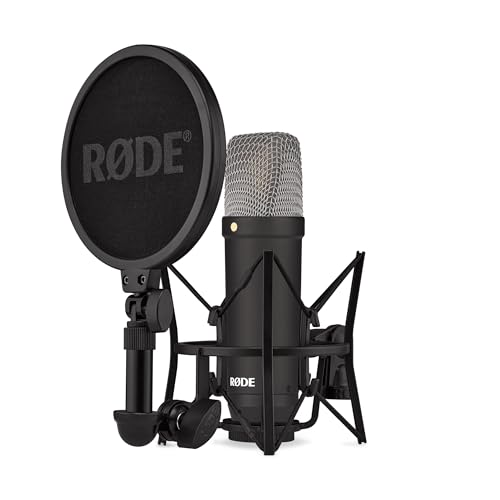
- Very low self-noise for cleaner acoustic recordings
- Cardioid pattern helps reduce room pickup
- Includes shock mount, pop filter, XLR cable
Best For: Acoustic players who want a quiet, studio-style XLR mic with a complete starter bundle.
Versatile Project Studio Choice
Audio-Technica AT2035 Cardioid Condenser Microphone

- Smooth, natural sound with low noise
- Cardioid pattern improves isolation
- Includes custom shock mount and pouch
Best For: Home and project studio users who need one condenser mic for acoustic guitar, vocals, and other general recording tasks.
Budget-Friendly Instrument Detail Pick
Blucoil Cardioid Condenser Studio XLR Microphone

- 16mm diaphragm captures subtle guitar detail
- Low 15 dB self-noise for cleaner tracks
- Includes cable, shock mount, windscreen, pouch
Best For: Budget-minded recording setups that need a simple XLR condenser for acoustic guitar and other instruments.
Compact Small-Diaphragm Choice – AKG P170 for Acoustic Guitar
If you want a condenser microphone for acoustic guitar that focuses on clarity and fast response, the AKG P170 is built for that role. Its small-diaphragm condenser design and rugged all-metal body make it a practical option for recording strings, overheads, and other high-detail sources without adding extra fuss.
Best For: Players and recordists who want a durable small-diaphragm condenser for acoustic guitar and other stringed instruments.
Pros:
- Small-diaphragm condenser design is suited to acoustic guitars, overheads, percussion, and other strings
- Switchable attenuation pad handles high SPL applications up to 155 dB SPL
- All-metal construction is built for tough day-to-day use
Cons:
- Single-mic package only, so it is not a multi-mic set
- Wired XLR connection requires compatible audio gear
Overall, the P170 is a straightforward, workhorse-style condenser that prioritizes clean instrument capture and durability. It is a sensible pick if acoustic guitar is one of your main recording targets and you value a compact mic with proven instrument-focused specs.
Budget Multi-Capsule Kit – NEEWER 2-Pack Pencil Condensers
For a condenser microphone for acoustic guitar setup that needs flexibility, this NEEWER 2-pack gives you interchangeable capsules and a practical accessory bundle. The included cardioid, omni, and super capsules let you adjust the pickup style depending on the room and the sound you want from acoustic instruments.
Best For: Buyers who want a versatile, budget-friendly stereo or dual-mic option for acoustic guitar and other instruments.
Pros:
- Includes interchangeable cardioid, omni, and super capsules for different recording situations
- Widely used for acoustic instruments, strings, horns, orchestras, and choral groups
- Two-mic pack makes it easier to build a paired recording setup
- Comes with mic clips, foam windscreens, and a padded aluminum case
Cons:
- Specified polar pattern details are mixed, so setup may take some experimentation
- Accessory-heavy bundle may matter more than premium mic refinement
This kit makes sense if you want flexibility more than a single-purpose studio tool. For acoustic guitar, the interchangeable capsules and included accessories add value, especially when you want to try different placements or capture styles.
Reliable Instrument Pickup – AKG P170 for Acoustic Guitar
If your main goal is capturing acoustic guitar with a condenser microphone for acoustic guitar, the AKG P170 is a very direct fit. It is a small-diaphragm condenser built for instrument recording, with advertised clarity, transient response, and a switchable pad for louder sources.
Best For: Acoustic guitar recording when you want a rugged, purpose-built small-diaphragm condenser.
Pros:
- Small-diaphragm condenser designed for acoustic guitars, overheads, percussion, and other strings
- Outstanding clarity and transient response are highlighted in the product details
- Switchable attenuation pad supports high SPL applications up to 155 dB SPL
- Rugged all-metal body is built for everyday use
Cons:
- Single microphone only, so you will need a second unit for stereo recording
- XLR wired connection requires an interface or mixer
The P170 keeps the focus on practical instrument recording rather than extra features. If you want a durable condenser that is explicitly positioned for acoustic guitars and other strings, this is one of the most straightforward options in the group.
Studio Vocal-Style Option – Mackie EM-91C for Guitar
The Mackie EM-91C is a large-diaphragm condenser microphone that can work for acoustic guitar when you want a studio-style mic with a cardioid pattern. Its cardioid design helps reduce ambience, and the included shock mount and XLR cable make it easy to get started in a home or project studio.
Best For: Home-studio users who want an affordable large-diaphragm condenser for acoustic guitar and vocals.
Pros:
- Affordable professional-quality condenser microphone
- Cardioid polar pattern reduces ambience for studio-based recordings
- Includes shock mount and XLR cable
- Rugged construction suited to home and larger studios
Cons:
- Large-diaphragm design is less specialized for acoustic guitar than a small-diaphragm instrument mic
- Built-in accessories are basic rather than extensive
This is a practical choice if you want one condenser that can cover guitar and vocal tracking in a home studio. For acoustic guitar specifically, its value comes from the cardioid pattern and simple included setup, not from being a dedicated instrument mic.
Overhead Detail Pick – Phenyx Pro PDM35 for Strings & Percussion
If you’re shopping for a condenser microphone for acoustic guitar, the Phenyx Pro PDM35 is worth considering as a focused overhead option. Its wide frequency response, cardioid pickup, and easy-to-drive design make it a practical choice when you want clear string detail and controlled off-axis rejection in a simple XLR setup.
Best For: Capturing acoustic guitar detail along with other string instruments, hi-hat, and percussion in a focused overhead position.
Pros:
- Wide frequency response helps capture crisp high-frequency detail and a balanced overall sound.
- Cardioid pattern rejects off-axis noise for tighter source isolation.
- High sensitivity and low impedance make it easy to use with mixers and audio interfaces.
- Sturdy metal housing and standard XLR connector support reliable performance.
Cons:
- Primarily positioned as an overhead mic, so it may not suit every acoustic guitar recording setup.
- No bundled stand is listed in the included box contents.
For players or recordists who want a straightforward condenser with focused pickup and clear detail, this model offers a solid utility-first approach. It is especially appealing if you need one mic that can handle acoustic strings and other instruments without adding complexity.
Home Studio Starter – Tascam TM-80 with Stand and Shockmount
The Tascam TM-80 is a practical condenser microphone for acoustic guitar if you’re building a home recording setup. Its large 18mm aluminum diaphragm, cardioid pickup pattern, and included shockmount make it a straightforward option for capturing acoustic instruments with reduced rumble and noise.
Best For: Home recording users who want an affordable XLR condenser with useful starter accessories.
Pros:
- Designed for home recording with a cardioid pattern that works well on acoustic instruments.
- 18mm aluminum diaphragm aims for rich, full sound quality.
- Internal circuitry is optimized to reduce noise and distortion.
- Includes a tabletop stand, six-foot XLR cable, and elastic shockmount.
Cons:
- Listed as a microphone for home recording, so it may not be the most specialized guitar mic.
- Requires wired XLR use, so you’ll need compatible recording gear.
As a starter-friendly condenser, the TM-80 offers the essentials most acoustic guitar recordists need without extra hassle. The included accessories make it especially appealing if you want to get recording quickly and keep setup simple.
Studio Standard – Audio-Technica AT2020 for Acoustic Tracking
The Audio-Technica AT2020 is a classic condenser microphone for acoustic guitar when you want a dependable studio-style XLR mic. Its cardioid pattern, low-mass diaphragm, and high SPL handling give it the flexibility to capture detailed acoustic parts while staying versatile for other recording tasks.
Best For: Project and home studio users who want a proven all-around condenser for acoustic guitar and other sources.
Pros:
- Cardioid pattern helps reduce pickup from the sides and rear for better isolation.
- Low-mass diaphragm supports extended frequency and strong transient response.
- High SPL handling and wide dynamic range add versatility.
- Widely suited to project and home studio applications.
Cons:
- Microphone only design means you need phantom power and supporting gear.
- No included stand, cable, or shockmount is listed.
If you want a familiar studio benchmark rather than a specialty instrument mic, the AT2020 is an easy recommendation. It gives acoustic guitar recordists a balanced combination of detail, isolation, and flexibility in a straightforward XLR package.
Studio-Ready Low-Noise Option – RØDE NT1 Signature Series Studio Condenser Microphone, Black
If you want a condenser microphone for acoustic guitar that emphasizes detail and keeps the noise floor extremely low, the RØDE NT1 Signature Series is built for that kind of clean studio capture. Its large-diaphragm voicing and tight cardioid pattern help focus on the guitar while reducing room pickup, and the included shock mount, pop filter, XLR cable, and dust cover make it easy to start recording.
Best For: Acoustic players who want a quiet, studio-style XLR mic with a complete starter bundle.
Pros:
- Legendary NT1 voicing with very low self-noise for cleaner acoustic tracks.
- Cardioid pattern helps isolate the guitar and reject more room sound.
- Includes SM6 shock mount, pop filter, XLR cable, and dust cover.
- Large-diaphragm condenser design suits detailed studio recording.
Cons:
- Requires an audio interface and phantom power to use.
- More of a studio-focused mic than a grab-and-go recording solution.
For acoustic guitar recording, the NT1 Signature Series is a strong pick if you value quiet operation and a polished studio result. The accessory bundle also reduces the number of extra purchases needed to get started.
Versatile Project Studio Choice – Audio-Technica AT2035 Cardioid Condenser Microphone
The Audio-Technica AT2035 is a practical condenser microphone for acoustic guitar if you want a balanced, low-noise XLR mic that can handle more than just strings. Its large diaphragm, cardioid pattern, and included custom shock mount make it a solid fit for home studio sessions where you want reliable isolation and a natural sound.
Best For: Home and project studio users who need one condenser mic for acoustic guitar, vocals, and other general recording tasks.
Pros:
- Large-diaphragm design delivers smooth, natural sound with low noise.
- Cardioid pickup helps reduce sound from the sides and rear.
- Switchable 80 Hz high-pass filter adds flexibility for different sources.
- 10 dB pad and high SPL handling improve versatility.
Cons:
- Needs an XLR connection and compatible recording gear.
- Does not include a full accessory bundle beyond the custom shock mount and pouch.
For acoustic guitar, the AT2035 stands out as a flexible all-rounder rather than a one-trick instrument mic. If you want a dependable studio condenser that can move between guitars, vocals, and louder sources, it is an easy model to justify.
Budget-Friendly Instrument Detail Pick – Blucoil Cardioid Condenser Studio XLR Microphone
If you are shopping for a condenser microphone for acoustic guitar and want something focused on instrument detail without a complicated setup, the Blucoil studio XLR mic is worth a look. It uses a 16mm low-mass diaphragm, cardioid pickup, and low self-noise to capture subtle guitar nuance while keeping background noise under control.
Best For: Budget-minded recording setups that need a simple XLR condenser for acoustic guitar and other instruments.
Pros:
- 16mm low-mass diaphragm is tuned for natural detail across the guitar range.
- Cardioid pattern helps reject sound from the sides and rear.
- Low 15 dB self-noise supports cleaner recordings.
- Includes XLR cable, shock mount, windscreen, and protective pouch.
Cons:
- Requires +48V phantom power from an interface or mixer.
- Best suited to studio-style use rather than portable recording.
The Blucoil is a straightforward instrument mic that gives acoustic guitar players the essentials for getting recording quickly. It is especially appealing if you want included accessories and decent technical specs without moving into a higher-priced studio mic.
How We Picked the Best Condenser Microphone for Acoustic Guitar
We focused on microphones that make sense for acoustic guitar recording first, not just general-purpose studio use. Key factors included frequency response, polar pattern, transient detail, build quality, included accessories, and overall value at different price points. We also favored models that are easy to place and forgiving in typical home studios.
Quick Comparison
For a Condenser Microphone for Acoustic Guitar, small-diaphragm models usually excel at string articulation, pick attack, and stereo pair use, while large-diaphragm condensers often add a fuller, more polished sound. Cardioid patterns are the safest choice for rejecting room noise, while switchable patterns can add flexibility if you record multiple sources.
Key Buying Factors for a Condenser Microphone for Acoustic Guitar
Diaphragm Size
Small-diaphragm condensers tend to sound faster and more detailed on acoustic instruments. Large-diaphragm mics can sound warmer and more intimate, which may suit fingerstyle, vocal-and-guitar setups, or brighter instruments that need softening.
Polar Pattern
Cardioid is usually the best starting point because it helps focus on the guitar and reduces room reflections. If your room sounds good or you want more placement options, interchangeable or multi-pattern designs may be worth considering.
Self-Noise and Sensitivity
Lower self-noise matters if you record quiet passages, fingerpicking, or layered acoustic arrangements. Higher sensitivity can capture nuance well, but it also means room noise and bad mic placement become more obvious.
Placement Flexibility
The best results usually come from placing the mic around the 12th fret, bridge, or a blended position between the two. A mic that sounds good slightly off-axis can save time and reduce harshness.
Use Case and Budget
If you mainly record solo guitar, a small-diaphragm cardioid model is often the safest bet. If you also record vocals, podcasting, or streaming, a versatile large-diaphragm option may offer better overall value.
Who Should Buy Which Condenser Microphone for Acoustic Guitar?
Choose a small-diaphragm condenser if you want accuracy, string detail, and a cleaner studio sound. Choose a large-diaphragm condenser if you want a smoother, more finished tone with broader versatility. If you’re on a budget, prioritize a solid cardioid pattern and low noise over extra features. If you already have a treated room, multi-pattern flexibility and stereo-pair options become more attractive.
For most buyers, the best Condenser Microphone for Acoustic Guitar is the one that matches both the sound you want and the room you record in. Start with that, and the rest becomes much easier to narrow down.