Choosing the right vocal mic can make a bigger difference than adding more plugins later. The best condenser microphones for singing bring out detail, air, and presence while still keeping your voice natural.
Below, we’ve focused on 10 options that fit different budgets, studio setups, and experience levels so you can find a mic that matches your voice and workflow.
Best 10 Condenser Microphones for Singing Picks for 2026
Project Studio Standard
Audio-Technica AT2020 Cardioid Condenser Studio XLR Microphone
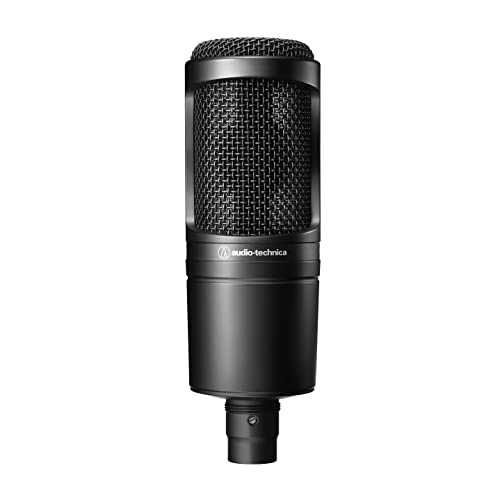
- Cardioid pattern improves vocal isolation
- Low-mass diaphragm for detailed response
- High SPL and wide dynamic range
Best For: Home-studio singers who want a dependable XLR condenser
Clarity and Detail Pick
LEWITT LCT440PURE Large Diaphragm Condenser Mic

- 1-inch true condenser capsule
- Cardioid rear rejection for cleaner vocals
- Shock mount and magnetic pop filter included
Best For: Singers wanting detailed vocal capture with included accessories
Quiet Vocal Choice
RØDE NT1 Signature Series Studio Condenser Microphone
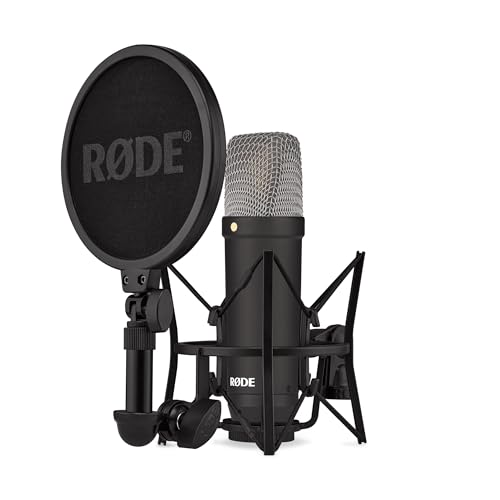
- Very low self-noise for cleaner takes
- Cardioid pattern focuses on vocals
- Shock mount, pop filter, and XLR cable included
Best For: Vocalists seeking a quiet, ready-to-record studio mic
Versatile USB/XLR Starter
MAONO A04 Gen2 XLR/USB Condenser Microphone Kit

- USB and XLR connectivity
- 192kHz/24-bit USB recording with controls
- Includes arm stand, shock mount, and pop filter
Best For: Beginners wanting an easy vocal mic with upgrade flexibility
Budget Studio Starter
Mackie EM-91C Large-Diaphragm Condenser

- Affordable professional-quality condenser mic
- Cardioid pattern reduces room ambience
- Includes shock mount and XLR cable
Best For: Affordable home-studio vocal recording
Premium Vocal Control
Shure SM4 XLR Studio Condenser Kit

- Dual-diaphragm capsule for smooth vocals
- Cardioid pattern rejects off-axis noise
- Includes pop filter, shock mount, and case
Best For: Clean, mix-ready vocal recording
All-in-One USB Setup
Dejasound DJM5 Recording Mic Kit

- USB plug-and-play for easy recording
- Includes isolation shield and monitoring controls
- Comes with many accessories in one kit
Best For: Quick home vocal recording with minimal extra gear
Best with Extra Features
AKG P120 Condenser for Clear Vocals

- Clear, detailed vocal capture for home recording
- Cardioid pattern helps reduce room noise
- High SPL handling for louder sources
Best For: Home singers and first-time XLR studio setups
All-in-One USB Kit
TONOR TC20 Air Mic and Boom Arm

- USB plug-and-play setup with no drivers
- Includes boom arm, shock mount, and pop filter
- Touch-to-mute with LED status indicator
Best For: Singers and creators who want an easy all-in-one USB setup
Warm Studio Pick

- Large 34mm capsule for rich vocal tone
- Includes pop filter, shockmount, and bag
- Cardioid pickup helps reduce room noise
Best For: Vocalists who want a polished XLR condenser with accessories
Project Studio Standard – Audio-Technica AT2020 Cardioid Condenser Studio XLR Microphone
If you want a straightforward condenser microphone for singing, the Audio-Technica AT2020 is a solid entry point for project and home studio work. Its cardioid pattern helps reduce side and rear pickup, while the low-mass diaphragm is designed to deliver extended frequency response and good transient detail.
Best For: Singers building a home studio who want a reliable, wired XLR condenser with strong isolation and broad versatility.
Pros:
- Cardioid pattern helps isolate the vocal and cut down room sound from the sides and rear.
- Custom low-mass diaphragm supports extended frequency response and responsive detail.
- High SPL handling and wide dynamic range make it versatile for different vocal levels.
- Designed specifically for project and home studio applications.
Cons:
- Requires phantom power and an audio interface or similar XLR setup.
- Does not include a shock mount or pop filter in the supplied notes.
For singers who want a proven, no-frills studio microphone, the AT2020 covers the essentials well. It focuses on getting a clean recorded vocal without adding extra complexity, which makes it a dependable first condenser pick.
Clarity and Detail Pick – LEWITT LCT440PURE Large Diaphragm Condenser Mic
For singers who want a condenser microphone for singing with a clear, detailed presentation, the LEWITT LCT 440 PURE is built around a 1-inch true condenser capsule. Its cardioid pattern provides effective rear rejection, and the included shock mount and magnetic pop filter help make setup easier.
Best For: Vocalists and home recordists who want a detailed large-diaphragm condenser with useful accessories included.
Pros:
- 1″ true condenser capsule is designed to capture nuance, depth, and clarity.
- Cardioid pattern helps reject sound from behind the mic.
- Includes a shock mount and magnetic pop filter.
- Works well for vocals and other studio sources, including acoustic instruments and piano.
Cons:
- Wired XLR mic, so you need compatible XLR gear to use it.
- Best suited to studio-style recording rather than simple plug-and-play use.
This model is a strong choice if your priority is vocal detail and a polished studio capture. The included accessories also add practical value for singers who want to get recording quickly.
Quiet Vocal Choice – RØDE NT1 Signature Series Studio Condenser Microphone
If low self-noise matters in a condenser microphone for singing, the RØDE NT1 Signature Series is built around the brand’s long-running vocal-friendly voicing. It uses a tight cardioid pattern to focus on the voice and includes a shock mount, pop filter, XLR cable, and dust cover for a ready-to-record setup.
Best For: Vocalists who want a whisper-quiet studio condenser with a complete accessory bundle.
Pros:
- Among the lowest self-noise microphones ever made, according to the supplied notes.
- Tight cardioid pattern helps reject room sound and center the voice.
- Includes shock mount, pop filter, XLR cable, and dust cover.
- Legendary NT1 voicing has been trusted in studios for two decades.
Cons:
- Requires an audio interface and XLR setup to record.
- Designed for studio use, so it’s less convenient than USB-only options.
For singers who care most about clean, low-noise recordings, this NT1 stands out immediately. The included accessories make it especially practical if you want a more complete vocal kit without piecing everything together separately.
Versatile USB/XLR Starter – MAONO A04 Gen2 XLR/USB Condenser Microphone Kit
The MAONO A04 Gen2 is a flexible condenser microphone for singing if you want both USB convenience and XLR upgrade potential. It offers 192kHz/24-bit USB recording, a cardioid pattern, and a bundled arm stand, shock mount, pop filter, and windscreen for an all-in-one setup.
Best For: Beginners and creators who want a plug-and-play condenser that can also connect through XLR later.
Pros:
- Dual USB and XLR connectivity gives you flexible recording options.
- USB mode supports 192kHz/24-bit recording with software-based controls.
- Cardioid pattern and double noise reduction help reduce off-axis noise.
- Large accessory bundle includes arm stand, shock mount, pop filter, and foam windscreen.
Cons:
- XLR use requires phantom power, and an XLR cable is not included.
- USB-only software controls apply only in USB mode.
This is the most flexible option in the group for singers who want simple setup now and more routing options later. The included kit makes it easy to start recording vocals, voiceover, or streaming with fewer extra purchases.
Budget Studio Starter – Mackie EM-91C Large-Diaphragm Condenser
If you want condenser microphones for singing without spending a lot, the Mackie EM-91C is a straightforward XLR option for home and project studios. Its large-diaphragm capsule and cardioid pattern are aimed at studio vocals and instruments, while the included shock mount and XLR cable make setup easier.
Best For: Singers building an affordable studio setup that needs a reliable, wired condenser mic.
Pros:
- Affordable, professional-quality condenser mic for studio use
- Cardioid polar pattern helps reduce ambience
- Includes a shock mount and XLR cable
- Rugged, reliable construction
Cons:
- XLR connection requires an interface or mixer
- Single-purpose studio design is less flexible than USB models
Overall, the EM-91C is a practical pick if you want a no-frills vocal mic with the core features needed for recording singing at home.
Premium Vocal Control – Shure SM4 XLR Studio Condenser Kit
For singers who want condenser microphones for singing with a cleaner, more controlled studio sound, the Shure SM4 is built to handle vocal detail and noise rejection well. Its 1-inch dual-diaphragm capsule, uniform cardioid pattern, and integrated pop filter are all designed to help close-miked vocals sound smooth and mix-ready.
Best For: Vocalists who want a rugged, high-end XLR condenser kit for clean studio recordings.
Pros:
- Dual-diaphragm capsule delivers smooth, detailed highs and controlled low end
- Uniform cardioid pattern helps reject off-axis noise
- Integrated pop filter and magnetic pop filter help reduce plosives
- All-metal build with shock mount and carrying case included
Cons:
- Requires phantom power and an audio interface
- More expensive and studio-focused than entry-level options
The SM4 stands out when you want polished vocal capture, especially in a setup where controlling room noise and plosives matters as much as the microphone itself.
All-in-One USB Setup – Dejasound DJM5 Recording Mic Kit
If you need condenser microphones for singing with a simple plug-and-play workflow, the Dejasound DJM5 is built around USB convenience. It combines a cardioid/hyper-cardioid-style pickup, 16mm diaphragm, monitoring controls, and a foldable isolation shield, making it a practical all-in-one kit for home recording and streaming.
Best For: Singers who want a USB condenser kit with included accessories for quick home recording.
Pros:
- USB output for direct connection to PC, smartphone, or laptop
- Includes echo control, volume adjustment, mute, and headphone monitoring
- Comes with isolation shield, pop filter, stand, adapters, and headphones
- Compact, lightweight kit designed for portable setup
Cons:
- More of an all-in-one kit than a standalone pro studio mic
- USB design may not suit users who want a traditional XLR chain
For singers who want the easiest possible setup, the DJM5 offers a lot of included hardware so you can start recording sooner without buying extra pieces.
Best with Extra Features – AKG P120 Condenser for Clear Vocals
If you want condenser microphones for singing that deliver a clear, detailed vocal sound without a complicated setup, the AKG P120 is a solid entry point. Its cardioid pattern helps focus on your voice, while the low-mass diaphragm is tuned for accurate detail in project studios and home recording setups.
Best For: Home singers, project studios, and anyone who wants an affordable XLR condenser for vocals and instruments.
Pros:
- Low-mass diaphragm captures clear vocals and fine sonic detail.
- Handles up to 150 dB SPL, so it can manage louder sources without distortion.
- Cardioid pattern helps reduce unwanted room pickup.
- Includes a stand adapter for straightforward setup.
Cons:
- Requires phantom power and an audio interface or mixer with XLR input.
- Does not include a shock mount or pop filter in the box.
The P120 is a practical no-frills choice if you want reliable vocal capture and compatibility with common recording gear. It focuses on sound quality and durability rather than extras, which makes it a sensible first studio condenser.
All-in-One USB Kit – TONOR TC20 Air Mic and Boom Arm
For singers who want condenser microphones for singing with an easy USB setup, the TONOR TC20 AIR is built for quick use on a computer. The plug-and-play design, cardioid pickup, and included boom arm kit make it a convenient option for recording vocals, streaming, and voice work without extra gear.
Best For: Singers, streamers, and creators who want an all-in-one USB mic kit with boom arm and accessories.
Pros:
- USB plug-and-play setup with no drivers or external sound card needed.
- Includes boom arm, shock mount, pop filter, and desk clamp base.
- Touch-to-mute function with a clear LED status indicator.
- Wide device compatibility for computers, laptops, PS4/PS5, and mobile phones.
Cons:
- USB design may not suit users who want an XLR studio workflow.
- Not compatible with Xbox.
This is a strong grab-and-go choice if you care more about convenience than building a separate recording chain. The included accessories and simple connectivity make it especially appealing for beginner vocal recording and content creation.
Warm Studio Pick – 512 Audio Skylight for Vocals
If you want condenser microphones for singing with a more polished studio character, the 512 Audio Skylight is designed to capture voice with warmth and clarity. Its large 34mm gold-plated capsule, cardioid pickup pattern, and included pop filter and shockmount make it a strong fit for clean vocal recording through an XLR setup.
Best For: Vocalists and podcasters who want a large-diaphragm XLR condenser with bundled accessories.
Pros:
- Custom-tuned response is designed to capture voice with warmth and clarity.
- Large 34mm gold-plated capsule delivers a rich, modern sound.
- Includes a metal mesh pop filter, shockmount, and carry bag.
- Cardioid pattern helps reduce ambient room noise.
Cons:
- Requires an XLR interface or mixer to use.
- Heavier build may be less convenient than compact USB mics.
The Skylight is a good fit if you already have recording hardware and want a more refined vocal mic with useful accessories in the box. It leans toward a professional studio feel while staying focused on speech and singing.
How We Picked These Condenser Microphones for Singing
We looked for Condenser Microphones for Singing that balance vocal clarity, self-noise, build quality, and value. We also considered whether each mic is truly singer-friendly in a real setup, including home studios, USB/XLR flexibility, and whether it includes useful accessories that reduce extra buying costs.
Quick Comparison
If you want a simple starting point: choose an XLR studio mic for the cleanest upgrade path, a USB/XLR hybrid if you need flexibility, and a kit with an arm, shock mount, or pop filter if you’re building a setup from scratch.
Key Buying Factors for Condenser Microphones for Singing
Pickup Pattern and Room Sound
Most vocal condensers here use a cardioid pattern, which helps focus on your voice and reject sound from the rear. That matters in untreated rooms, where reflections can make vocals sound harsh or boxy.
Large-Diaphragm Versus Smaller Designs
Large-diaphragm models are often favored for vocals because they can sound fuller and more forgiving. Smaller-diaphragm options can still work well if you want a more detailed, accurate response, especially for brighter voices.
XLR, USB, or Both
XLR mics are usually the best choice if you plan to grow into an audio interface and better preamps. USB models are easier for beginners and direct recording, while combo mics can bridge both worlds.
Noise, Plosives, and Accessories
For singing, low self-noise and good pop control matter a lot. Bundles with shock mounts, pop filters, and stands can be especially helpful if you’re recording at home and want cleaner takes without extra purchases.
Who Should Buy Which Condenser Microphones for Singing?
If you want the most reliable long-term setup, go with an XLR condenser and a solid interface. If you’re a beginner who wants fast setup and convenience, a USB or hybrid mic makes sense. If you’re recording in an imperfect room, prioritize a mic that sounds controlled and forgiving rather than overly bright. Among Condenser Microphones for Singing, the best pick is the one that fits your room, workflow, and voice type—not just the one with the most features.