The right microphone preamp can add clean gain, reduce noise, and help your microphone reach a recorder, interface, camera, or mobile device at the level it needs. The best choice depends on your microphone type, available connections, phantom-power requirements, and whether you need a standalone preamp or a complete USB interface.
We’ve gathered 10 desktop microphone preamps and related compact solutions for home studios, content creators, performers, and musicians. Use the guide below to compare features and narrow down the option that fits your setup.
Best 10 Desktop Microphone Preamps Picks for 2026
Studio Foundation

- Single-channel mic/instrument preamp
- Ultra-high-speed input stage
- Transformer-balanced output
Best For: Dedicated one-channel desktop recording setups
Mobile Capture
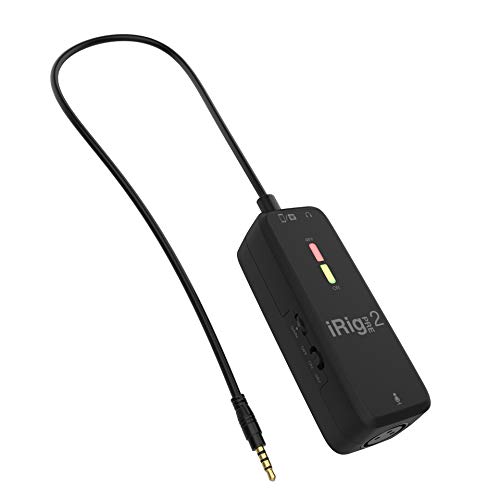
- XLR input and true +48V phantom power
- Works with mobile devices and cameras
- Direct headphone monitoring
Best For: Portable recording, podcasting, and camera workflows
Feature-Rich Recording

- Two preamps with 2-in/2-out USB interface
- Vintage preamp mode and 76 Compressor
- 24-bit/192 kHz conversion with MIDI
Best For: Desktop production with two inputs and onboard processing
Clean Gain Booster
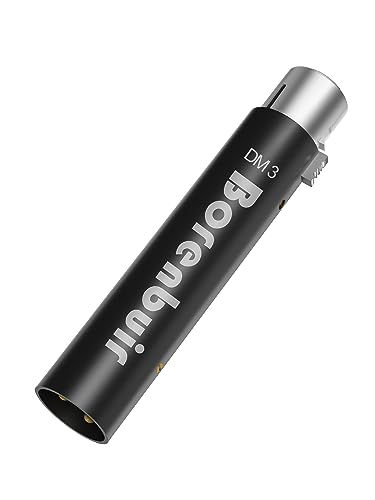
- Adds 28 dB of stated clean gain
- Designed for dynamic and ribbon microphones
- Requires interface-supplied 48V phantom power
Best For: Boosting quiet dynamic or ribbon microphones
Best Desktop Interface

- Two Class-A Audient microphone preamps
- USB-C interface for Mac, PC, and iOS
- Metal housing with two headphone outputs
Best For: Home studios and creators needing two premium mic inputs
Best Dynamic Mic Booster

- Adds up to 29 dB of gain
- Designed for dynamic and ribbon microphones
- Requires 48V phantom power and uses XLR connections
Best For: Quiet dynamic or ribbon mics paired with an interface or mixer
Best Multi-Input Preamp
VBESTLIFE 3-Input Microphone Preamp
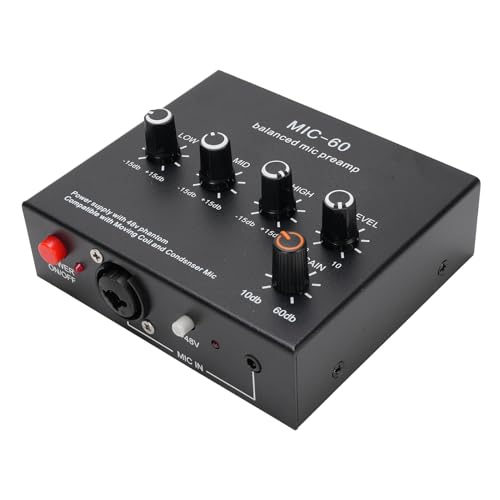
- Up to 60 dB of gain with three inputs
- Supports dynamic and condenser microphones
- Includes XLR, 3.5mm, 6.35mm, and RCA connections
Best For: Streaming, podcasting, and flexible multi-microphone setups
Best Clean-Gain Booster

- Up to 25dB gain for dynamic and passive ribbon mics
- Dual-channel XLR design for two microphone signals
- Phantom-powered, compact, and low-noise
Best For: Passive microphone setups needing extra clean gain
Best Compact All-Rounder

- 20dB balanced gain with transparent amplification
- Works with dynamic and condenser microphones
- Lightweight black metal housing for easy placement
Best For: Home studios and streaming setups needing simple gain
Best Flexible High-Gain Option

- 19–66dB variable gain with stated -120dBV EIN
- Supports microphones and instruments via multiple outputs
- Type-C power and 1MΩ instrument input add portability and flexibility
Best For: Multi-source recording with adjustable gain and flexible routing
Studio Foundation – Black Lion Audio Auteur DT
The Black Lion Audio Auteur DT is a focused choice among desktop microphone preamps when you need a dedicated single-channel unit for microphone or instrument sources. Its high-speed input stage and transformer-balanced output are aimed at a clean, substantial signal path in a desktop recording setup.
Best For: Home studios and desktop rigs needing one dedicated mic or instrument preamp channel.
Pros:
- Single-channel microphone and instrument preamp
- Ultra-high-speed input stage
- Transformer-balanced output
Cons:
- Only one channel is provided
- Its 5.1-pound, 12.75-inch-wide desktop form factor may require dedicated space
The Auteur DT makes the most sense when a purpose-built, one-channel desktop preamp fits your workflow. Choose it over a multi-input interface if the input-stage and transformer-balanced output design are your priorities.
Mobile Capture – IK Multimedia iRig Pre 2
The IK Multimedia iRig Pre 2 is a highly portable option among desktop microphone preamps, built to connect an XLR microphone to phones, tablets, and cameras. It combines adjustable gain, true +48V phantom power, and direct headphone monitoring in a compact adapter-style design.
Best For: Mobile recording, podcasting, live broadcasting, and camera-based voice or instrument capture.
Pros:
- XLR input with true +48V phantom power
- Works with iPhone, iPad, Android devices, and digital cameras
- Headphone output enables real-time direct monitoring
- Compact 100-gram design with included AA batteries
Cons:
- Provides one channel
- Plastic enclosure may be less rugged than a larger desktop unit
The iRig Pre 2 is better suited to portable setups than permanent studio installations. Its broad device compatibility and headphone monitoring make it a practical bridge between an XLR microphone and mobile recording apps.
Feature-Rich Recording – Universal Audio Volt 276
The Universal Audio Volt 276 expands beyond basic desktop microphone preamps with two preamps, USB connectivity, 24-bit/192 kHz conversion, and onboard processing. Its Vintage Mic Preamp mode and 76 Compressor provide tone-shaping and dynamics control while recording vocals, instruments, and other sources.
Best For: Desktop music production, vocal recording, podcasting, and creators who need two inputs plus monitoring and MIDI connectivity.
Pros:
- Two mic preamps in a 2-in/2-out desktop interface
- Vintage Mic Preamp mode and analog-style 76 Compressor
- 24-bit/192 kHz audio conversion
- Direct monitoring, 48V phantom power, and MIDI I/O
Cons:
- More features than needed for a simple single-microphone setup
- Requires a USB-connected host device for its interface workflow
The Volt 276 is the most complete option here for users who want preamps and a broader recording interface in one desktop unit. It is especially compelling when compression, MIDI, and computer or mobile connectivity matter alongside microphone gain.
Clean Gain Booster – Borenbuir DM3 In-Line Preamp
The Borenbuir DM3 is an in-line option among desktop microphone preamps for adding gain to dynamic and ribbon microphones. It delivers up to 28 dB of stated clean gain through a compact copper case, but it requires 48V phantom power from an audio interface or external supply and does not provide that power itself.
Best For: Quiet dynamic or ribbon microphones used with an interface or mixer that already supplies 48V phantom power.
Pros:
- Adds 28 dB of stated clean gain
- Compact 3.84-ounce copper-enclosed design
- Simple XLR connection for interfaces and mixers
- Suitable for vocals, percussion, acoustic instruments, podcasts, and broadcasts
Cons:
- Requires external 48V phantom power
- Not compatible with condenser microphones
- Does not function as a standalone preamp or interface
The DM3 is a targeted signal booster rather than a complete desktop recording device. Confirm that your interface or mixer supplies phantom power, and use it only with compatible dynamic or ribbon microphones.
Best Desktop Interface – Audient iD14 MKII
The Audient iD14 MKII is a strong choice when you want desktop microphone preamps integrated into a compact USB audio interface. Its two Class-A preamps, USB-C connection, metal housing, and support for Mac, PC, and iOS make it well suited to home recording and portable setups.
Best For: Home-studio recording, vocalists, and creators who need two high-quality microphone inputs in a desktop interface.
Pros:
- Two Class-A microphone preamps based on Audient’s high-end ASP8024 HE console design.
- USB-C connectivity with Mac, PC, and iOS compatibility.
- Durable all-metal desktop housing and two headphone outputs.
- Includes monitor mix and monitor panning functions.
Cons:
- Provides two microphone preamps rather than a larger multi-input setup.
- Its feature set may be more than needed for simple single-microphone recording.
For buyers seeking desktop microphone preamps without adding a separate rack unit, the iD14 MKII combines preamp quality, monitoring features, and a durable interface design in one practical package.
Best Dynamic Mic Booster – StudioMan DPM1 XLR Preamp
The StudioMan DPM1 is a compact inline option for desktop microphone preamps when a low-output dynamic or ribbon microphone needs additional gain. It adds up to 29 dB of clean boost between the microphone and an interface or mixer, but it requires 48V phantom power and is not intended for condenser microphones.
Best For: Podcasters, streamers, and performers using quiet dynamic or ribbon microphones with an interface or mixer that supplies phantom power.
Pros:
- Provides up to 29 dB of gain for low-output dynamic and ribbon microphones.
- Compact plug-and-play XLR design fits between a microphone and interface or mixer.
- Metal casing helps with durability and interference shielding.
- Includes a one-year manufacturer warranty and technical support.
Cons:
- Requires 48V phantom power, which is not included.
- Not suitable for condenser microphones.
- It is an inline booster rather than a standalone multi-input preamp.
The DPM1 is a focused, inexpensive way to improve gain staging for compatible dynamic and ribbon microphones. Confirm phantom-power availability and microphone type before choosing it.
Best Multi-Input Preamp – VBESTLIFE 3-Input Microphone Preamp
The VBESTLIFE microphone preamp offers a flexible desktop solution with three inputs, up to 60 dB of gain, and support for both dynamic and condenser microphones. Its 48V power, balanced XLR output, and 3.5mm and 6.35mm connections make it useful for vocal recording, podcasting, live streaming, and mixed audio setups.
Best For: Home studios, livestreamers, and users who need multiple microphone inputs and several output formats.
Pros:
- Offers up to 60 dB of gain with a fully balanced circuit design.
- Supports both dynamic and condenser microphones with built-in 48V power.
- Provides three inputs and XLR, 3.5mm, 6.35mm, and RCA connectivity.
- Compact black metal housing is lightweight and designed to reduce interference.
Cons:
- The manufacturer warranty is listed as 90 days.
- Its broad connectivity may be unnecessary for a basic one-microphone setup.
- A 3.5mm sound cable is included, but the notes do not specify broader accessory coverage.
Among these desktop microphone preamps, this model stands out for connection variety and microphone compatibility. It is worth considering when your setup may expand beyond a single XLR source.
Best Clean-Gain Booster – StudioMan CL-200
For desktop microphone preamps supporting passive dynamic or ribbon microphones, the StudioMan CL-200 focuses on adding clean gain without requiring you to max out your interface or mixer. Its two channels, balanced XLR connections, and phantom-powered operation make it practical for compact studio and live setups.
Best For: Dynamic or passive ribbon microphones, dual-channel recording, podcasting, voice-over, and live sound.
Pros:
- Provides up to 25dB of clean gain for passive microphones.
- Dual-channel design can process two microphone signals simultaneously.
- Balanced XLR I/O and a 10Hz–20kHz frequency response support flexible signal routing.
- Compact metal housing and phantom-power operation simplify installation.
Cons:
- It cannot pass phantom power to condenser microphones.
- Requires 48V phantom power from a mixer, interface, or preamp.
- The recommended microphone-to-booster cable length is under 30 feet.
The CL-200 is a focused choice when your main problem is a weak passive-microphone signal. It is less suitable for condenser-mic systems, but its dual-channel layout and stated low-noise performance make it appealing for straightforward desktop recording chains.
Best Compact All-Rounder – 20dB Mic Preamp
This compact desktop microphone preamp is designed for users who want a simple gain stage for both dynamic and condenser microphones. It adds 20dB of balanced amplification in a lightweight metal enclosure, making it easy to fit into home-studio, streaming, or mobile recording setups.
Best For: Home studios, podcasting, live streaming, and users who need support for both dynamic and condenser microphones.
Pros:
- Offers 20dB of clean, transparent gain.
- Supports dynamic and condenser microphones with 48V power.
- Fully balanced circuitry is designed for low-noise operation.
- Compact, lightweight construction is easy to carry and store.
Cons:
- Provides less stated gain than the higher-gain options in this roundup.
- The notes do not specify multiple channels or additional output formats.
- Its 48V power arrangement may require attention when pairing it with a particular setup.
This model is a sensible entry-level option for a basic desktop microphone chain. Its broad microphone compatibility and small black metal case prioritize convenience, while the 20dB gain rating is best suited to moderate, rather than extreme, signal-boosting needs.
Best Flexible High-Gain Option – RO03 Mic Preamp
The RO03 stands out among desktop microphone preamps for its wide 19–66dB gain range and support for dynamic, condenser, ribbon, and instrument sources. Type-C power, multiple output formats, and a 1MΩ instrument input give it more routing flexibility than a basic microphone booster, especially when connected to an interface’s TRS line input.
Best For: Vocal, ribbon, and instrument recording where adjustable gain and flexible XLR, TRS, or TS connectivity are useful.
Pros:
- Offers a practical 19–66dB variable gain range.
- Supports dynamic, condenser, ribbon microphones, and instruments.
- Provides XLR, TRS, and TS output options, with three outputs listed as simultaneously usable.
- Type-C power improves portability, while the 1MΩ instrument input suits DI use.
Cons:
- The two input ports cannot operate simultaneously.
- The manufacturer recommends using a TRS line input for the lowest noise, which may require a suitable cable and interface.
- It is a single-channel preamp.
The RO03 is the most versatile choice here for users who record more than one source type. Its connection recommendations matter: pairing it with an interface’s TRS line input is presented as the preferred route for minimizing noise, so confirm that your existing equipment supports this workflow.
How We Picked These Desktop Microphone Preamps
We focused on practical factors that affect everyday recording: available gain, noise performance, input and output connections, phantom-power support, portability, construction, and compatibility with dynamic, condenser, and ribbon microphones. The selection includes standalone preamps, inline boosters, compact adapters, and USB audio interfaces because each solves a different recording problem.
We also considered whether a unit is best suited to a fixed desktop setup, mobile recording, streaming, vocal tracking, or microphones with particularly low output. Product specifications should be checked against your equipment before purchase, especially when phantom power, balanced connections, or instrument inputs are involved.
Quick Comparison
| Best For | Look For | Recommended Type |
|---|---|---|
| Home recording | Low noise and balanced XLR connections | Standalone preamp or USB interface |
| Dynamic microphones | High clean gain | Inline booster or dedicated mic preamp |
| Condenser microphones | Reliable +48V phantom power | Desktop preamp or audio interface |
| Streaming and podcasting | Simple controls and monitoring | USB interface or compact multi-input preamp |
| Phone, tablet, or camera use | Device compatibility and suitable output | Mobile mic adapter |
Key Buying Factors for Desktop Microphone Preamps
Gain and Noise
Choose enough gain to bring your microphone to a healthy recording level without maxing out the control. Low-output dynamic and ribbon microphones often benefit from a preamp with substantial clean gain. A high gain rating alone is not enough; a quiet design and strong EIN specification help preserve detail between louder passages.
Inputs, Outputs, and Compatibility
Check whether the unit uses XLR, 3.5mm, 6.35mm, USB, or a combination of connections. Balanced XLR paths are generally preferable for longer cable runs and professional microphones. If you are connecting to a phone, DSLR camera, or tablet, confirm the required adapter, power method, and output format before buying.
Phantom Power
Condenser microphones commonly need +48V phantom power, while many dynamic microphones do not. Phantom power can be useful, but it should be switched off when unnecessary and used carefully with microphones or equipment that may not support it. Inline boosters typically require phantom power from the connected interface even though they are designed to increase gain for dynamic microphones.
Standalone Preamp or Audio Interface
A standalone preamp makes sense when you already own a recorder or interface and only need more gain or a particular sonic path. A USB interface is usually the better value when you also need computer connectivity, headphone monitoring, instrument inputs, or recording software integration.
Who Should Buy Which Desktop Microphone Preamps?
- Choose a standalone desktop preamp if you want focused gain control for an existing recording chain.
- Choose an inline booster if a dynamic microphone is too quiet and your interface has limited clean gain.
- Choose a USB audio interface if you are building a computer-based home studio or need direct monitoring and multiple inputs.
- Choose a mobile adapter if you record with an iPhone, iPad, Android device, or camera and need a compact XLR connection.
- Choose a multi-channel preamp if you record interviews, small performances, multiple voices, or more than one microphone at once.
Before ordering, match the preamp’s gain range, power requirements, connectors, and output level to the rest of your signal chain. That compatibility check matters more than choosing the highest gain number on the specification sheet.