Digital wind instruments give saxophone players a compact, versatile way to practice silently, explore new sounds, and keep playing anywhere. In 2026, the best models blend familiar fingering with modern features like MIDI, Bluetooth, and rechargeable batteries.
This roundup focuses on options that are easy to learn, useful for practice, and flexible enough for home use, travel, and live performance.
Best 10 Digital Wind Instrument for Saxophone Players Picks for 2026
Best Value Digital Wind Pick
AP 300 Pro Electronic Wind Instrument
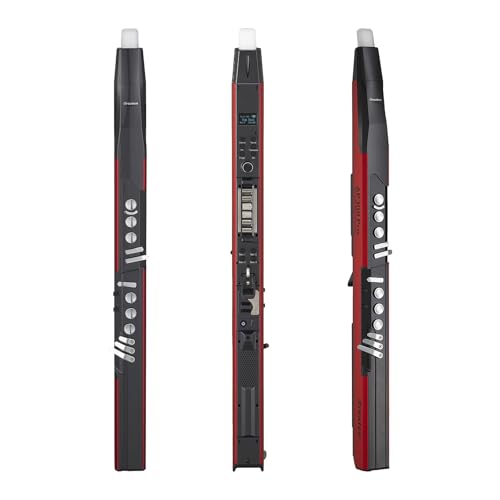
- 108 tones and 8 fingering modes
- Bluetooth audio plus Bluetooth MIDI
- OTG recording and 6000mAh battery
Best For: Saxophone players wanting versatile features and wireless connectivity
Beginner-Friendly Digital Wind Starter
Roland Aerophone AE-01 Mini Digital Wind Instrument

- Recorder-style fingering for easy learning
- Six onboard sounds plus app expansion
- Onboard speaker and battery power
Best For: Beginners looking for a simple, portable wind instrument
Portable Practice and MIDI Kit
Eastar Electric Woodwind Sax EDA-100
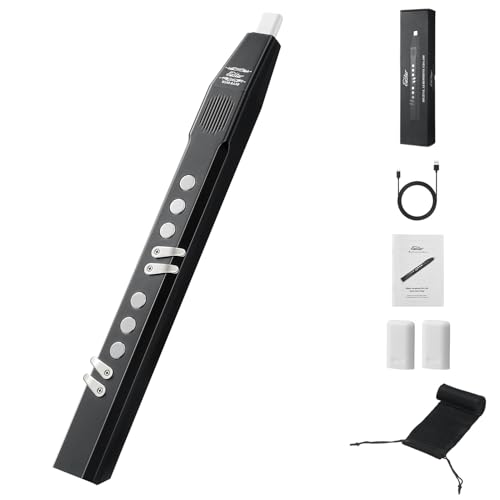
- 27 tones with saxophone and flute modes
- BT and wired MIDI with accompaniment support
- Built-in speaker plus earphone jack
Best For: Players wanting a lightweight practice and music-creation wind instrument
Performance-Ready Wireless Aerophone
Coolmusic S1 Professional Saxophone
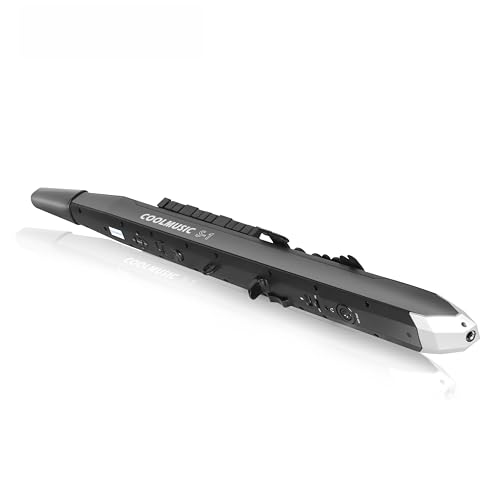
- 72 timbres with multiple fingering options
- LCD display shows key live settings
- 8-12 hour battery with built-in speakers
Best For: Players wanting a performance-focused wind instrument with wireless use
Editor’s Pick
EX Electric Digital Wind Instrument

- 12 onboard tones with 3 fingering modes.
- 3-octave range with vibrato and reverb control.
- Bluetooth MIDI, speaker, headphones, and rechargeability.
Best For: Players wanting a versatile starter-to-practice wind instrument
Most Portable
Vangoa EWI-100 Mini Digital Wind Instrument

- Compact body with a carry case and removable mouthpieces.
- 10 tones including alto and soprano saxophone.
- Bluetooth MIDI plus speaker and headphone support.
Best For: Travel-friendly practice for beginners and casual players
Feature-Rich Upgrade

- 120 tones with dual sound mode for layered playback.
- OLED screen, voice control, and built-in metronome.
- Upgraded mouthpiece for more precise control.
Best For: Intermediate to advanced players wanting more tones and controls
Compact Practice Pick
Mini Saxophone Digital Wind Instrument for Flexible Learning

- 10 tones include alto saxophone and soprano saxophone.
- Built-in 2W HiFi speaker for standalone practice.
- 800mAh battery provides about 4 hours of use.
Best For: Students and casual players wanting a portable sax-style practice instrument.
Beginner Connectivity Choice
KONIX DC02 Pro Digital Wind Instrument with MIDI Bluetooth

- 10 tones include alto and soprano saxophone sounds.
- MIDI support works with Android, iOS, macOS, and Windows.
- Includes speaker output, headphone jack, and carrying case.
Best For: Beginners who want a compact wind instrument with MIDI and private practice support.
Most Versatile Option
M1 Digital Saxophone with 26 Timbres and 4 Fingering Modes

- 26 timbres and 5 octaves offer the broadest sound range here.
- 3 vibrato modes and 4 fingering modes improve customization.
- USB-C charging and built-in speaker support portable practice.
Best For: Players who want the widest sound range and more customizable play modes.
Best Value Digital Wind Pick – AP 300 Pro Electronic Wind Instrument
If you want a digital wind instrument for saxophone players that feels feature-rich without overcomplicating the setup, the AP 300 Pro is built around practical everyday use. It offers 108 tones, 8 fingering options, Bluetooth audio and MIDI, plus an LCD screen that keeps key settings easy to see while you play.
Best For: Saxophone players who want a versatile practice-and-recording option with modern wireless features.
Pros:
- 108 tones give you plenty of sound choices for different styles.
- Bluetooth audio and Bluetooth MIDI support backing tracks and wireless connection.
- OTG recording helps capture cleaner audio by reducing external noise interference.
- 6000mAh battery supports up to 6 hours of use for mobile playing.
Cons:
- Right-handed players only, so it is not universal.
- Battery life is solid, but not the longest in this group.
- Best suited to players who will use the electronic features, not just basic practice.
Overall, the AP 300 Pro stands out as a flexible digital saxophone-style option with strong connectivity, recording, and tone storage features. It makes sense for players who want one instrument for practice, experimenting, and simple wireless workflows.
Beginner-Friendly Digital Wind Starter – Roland Aerophone AE-01 Mini Digital Wind Instrument
For buyers seeking a digital wind instrument for saxophone players that is easy to pick up, the Roland Aerophone AE-01 Mini keeps the learning curve low. Its recorder-style fingering, onboard speaker, battery power, and included tutorial songs make it especially approachable for first-time wind players.
Best For: Beginners who want a simple, portable way to start playing wind instrument sounds.
Pros:
- Recorder fingering is straightforward and easy to understand.
- Six onboard sounds include saxophone, flute, clarinet, and violin.
- Free app adds over 50 more sounds and 11 tutorial songs.
- Onboard speaker and battery power make it easy to play anywhere.
Cons:
- Fewer built-in sounds than some more advanced models.
- Less focused on deep performance features like MIDI or recording.
- Best suited to learning and casual play rather than advanced customization.
In practical terms, this is the easiest entry point in the roundup for someone who wants to explore digital wind playing without a lot of setup. It favors simplicity, portability, and guided learning over high-end feature depth.
Portable Practice and MIDI Kit – Eastar Electric Woodwind Sax EDA-100
If your goal is a digital wind instrument for saxophone players that works well for practice, accompaniment, and light recording, the Eastar EDA-100 offers a balanced feature set. It includes 27 tones, dual fingering modes, Bluetooth and wired MIDI, a built-in speaker, and silent practice support through its earphone jack.
Best For: Players who want a lightweight all-in-one wind instrument for home practice and music creation.
Pros:
- 27 tones cover saxophone, flute, trumpet, clarinet, and more.
- Dual fingering modes make it easier to adapt to different players.
- BT and wired MIDI support accompaniment and external music workflows.
- Built-in speaker plus earphone jack supports both shared and silent practice.
Cons:
- Battery life is capped at about 5 hours.
- Plastic construction may feel less premium than metal-based models.
- Fewer tones than some more expanded digital wind instruments.
As a compact option, the EDA-100 is appealing when portability and flexibility matter more than maximum tone count. It is especially practical for players who want one instrument for practice, accompaniment, and casual performance.
Performance-Ready Wireless Aerophone – Coolmusic S1 Professional Saxophone
For saxophone players looking for a digital wind instrument with a more performance-oriented feature set, the Coolmusic S1 emphasizes real-time response, multiple timbres, and strong playback options. It includes 72 timbres, an LCD smart display, built-in speakers, earphone monitoring, and support for connecting phones for accompaniment.
Best For: Players who want a wireless-capable digital wind instrument for practice and performance.
Pros:
- 72 instrument timbres provide a wide range of sound choices.
- LCD display shows timbre, tone, volume, fingering, battery, and octave.
- Built-in speakers remove the need for external speakers in many situations.
- 8-12 hour battery life is strong for longer sessions and gigs.
Cons:
- Heavier than some portable beginner models.
- Focuses more on performance features than simple learning tools.
- Not as compact as the smallest travel-friendly digital wind instruments.
The S1 is a good fit when you want a digital wind instrument that feels ready for rehearsal or small performances. Its battery life, built-in sound output, and display make it especially convenient for players who value quick switching and real-time feedback.
Editor’s Pick – EX Electric Digital Wind Instrument
If you want a digital wind instrument for saxophone players that covers practice, experimenting with new tones, and portable use, this EX model is built to do a lot in one compact setup. It offers 12 onboard voices, three fingering modes, and a 3-octave range, so you can move between familiar sax-style playing and broader electronic wind sounds without much friction.
Best For: Players who want a flexible all-in-one electric wind instrument for practice, tone exploration, and easy portability.
Pros:
- 12 tones include saxophone, clarinet, trumpet, flute, and more.
- 3 fingering modes plus an LCD for quick changes.
- 5 blow-sensitivity levels, automatic vibrato, and 0–30 reverb control.
- Bluetooth MIDI, built-in speaker, headphones, and rechargeable battery.
Cons:
- Plastic build may feel more utilitarian than premium.
- Not a dedicated saxophone, so sax players may need adjustment time.
- Best suited to practice and exploration rather than traditional acoustic feel.
This is a strong choice if you want one instrument that can handle quiet practice, app connectivity, and broad sound options. The included accessories and onboard speaker make it especially convenient for beginners or casual players.
Most Portable – Vangoa EWI-100 Mini Digital Wind Instrument
The Vangoa EWI-100 is a compact digital wind instrument for saxophone players who want something easy to carry and simple to set up. It includes 10 tones, two fingerstyle playing options, adjustable blowing sensitivity, and both speaker and headphone output, making it a practical pick for home practice or travel.
Best For: Beginners, kids, and adults who want a lightweight, portable wind instrument for practice anywhere.
Pros:
- Compact body with a cloth case for easy transport.
- 10 built-in tones including alto saxophone and soprano saxophone.
- Two fingerstyle modes and 3 adjustable blowing sensitivity levels.
- Bluetooth MIDI support for Android, iOS, macOS, Windows, and app/DAW use.
Cons:
- Only 10 tones, which is fewer than some competing models.
- Battery life is about 4 hours per charge.
- Mini design may feel less feature-rich for advanced players.
If portability matters most, this model keeps the feature set focused and easy to manage. It is a sensible option for new players who want sax-style tones, private practice, and app connectivity in a travel-friendly package.
Feature-Rich Upgrade – AP 500 Pro Digital Saxophone
The AP 500 Pro is a feature-heavy digital wind instrument for saxophone players who want more sound options and performance controls. With 120 tones, dual timbres, an OLED color screen, voice control, and a built-in metronome, it is designed for players who want a modern electronic wind controller for practice and stage use.
Best For: Players who want a more advanced digital wind instrument with deeper tone control and performance features.
Pros:
- 120 tones and dual sound mode for layered expression.
- OLED color display makes navigation clearer.
- Built-in metronome supports rhythm practice.
- Upgrade mouthpiece and voice control add convenience and precision.
Cons:
- No dedicated B♭ key; sax players must use alternate semitone key combinations.
- May be more instrument than a casual beginner needs.
- Feature set could take time to learn fully.
This model stands out for players who want a broad sonic palette and modern controls in one unit. If you are comfortable adapting to its key layout, it offers a lot of performance flexibility for the price class.
Compact Practice Pick – Mini Saxophone Digital Wind Instrument for Flexible Learning
This digital wind instrument for saxophone players is built for easy switching between familiar sax-style voices and other wind sounds, making it a practical option for beginners, students, or anyone who wants a compact practice tool. With 10 tones, touch-sensitive controls, built-in accompaniment, and direct speaker playback, it is designed for casual practice and portable use.
Best For: Students and casual players who want a lightweight digital wind instrument with saxophone-like tones plus extra sound options.
Pros:
- Offers 10 tones, including alto saxophone and soprano saxophone, for versatile practice.
- Built-in 2W HiFi speaker lets you play without external amplification.
- Touch-sensitive buttons include 3 blowing sensitivities and up/down tuning.
- Rechargeable 800mAh battery supports up to 4 hours of playing time.
Cons:
- Only 10 tones, so it is less expansive than higher-timbre models.
- Plastic construction may feel more basic than premium wind instruments.
- Battery life is useful for practice, but not especially long for extended sessions.
Overall, this model is a straightforward choice if you want a portable digital wind instrument for saxophone players who value simple controls, built-in sound, and easy carry.
Beginner Connectivity Choice – KONIX DC02 Pro Digital Wind Instrument with MIDI Bluetooth
For a digital wind instrument for saxophone players who want easy practice plus modern connectivity, the KONIX DC02 Pro focuses on portability, sound variety, and MIDI expansion. Its 10 tones, built-in speaker, headphone support, and MIDI connection to phones, computers, and DAWs make it a flexible starter option.
Best For: Beginners and home practice players who want a compact digital wind instrument with MIDI support and headphone use.
Pros:
- 10 built-in tones include alto saxophone, soprano saxophone, clarinet, and flute.
- MIDI connectivity works with Android, iOS, macOS, and Windows devices.
- Speaker output and headphone connection support quiet or private practice.
- Includes two removable, washable silicone nozzles plus a cloth case for portability.
Cons:
- Limited to 10 tones, so it is not the most expanded sound engine here.
- Instrument key is listed as Recorder, which may matter to players expecting a sax-specific setup.
- Battery life is about 4 hours, so frequent recharging may be needed.
This is a practical pick if you want a beginner-friendly digital wind instrument with saxophone tones, MIDI options, and the convenience of private practice.
Most Versatile Option – M1 Digital Saxophone with 26 Timbres and 4 Fingering Modes
If you want a digital wind instrument for saxophone players that offers more room to grow, the M1 stands out with 26 timbres, 5 octaves, and multiple fingering and vibrato modes. It is designed for beginners but gives you more sound variety and playing flexibility than simpler models, while keeping practice convenient with a built-in speaker and USB-C charging.
Best For: Players who want a beginner-friendly digital wind instrument with a wider sound palette and more customizable playing modes.
Pros:
- 26 timbres across 5 octaves provide a broad range of sounds.
- 3 vibrato modes and 4 fingering modes add customization for different players.
- Includes saxophone, clarinet, flute, and many additional tones.
- USB-C rechargeable 1600mAh battery and built-in speaker improve portability.
Cons:
- More features may feel unnecessary if you only want a simple saxophone-like practice tool.
- At 386 g, it is heavier than some compact mini models.
- Digital flexibility may require more setup time for players who want a very basic instrument.
For saxophone players who want the widest range of tones and playing modes in this group, the M1 offers the strongest balance of versatility and practice convenience.
How We Picked the Best Digital Wind Instrument for Saxophone Players
We focused on instruments that make sense for sax players first: responsive fingering, workable embouchure feel, clear pitch control, and enough tone variety to stay useful beyond novelty. We also favored portable designs, rechargeable power, and features that add real value such as Bluetooth, MIDI output, display screens, and transposition tools.
Quick Comparison
If you want the most sax-like transition, choose a model with familiar key layouts and multiple fingering modes. If you want a travel-friendly practice tool, prioritize compact size and battery life. For recording, composing, or playing with software, MIDI and Bluetooth matter more than speaker volume or built-in effects.
Key Buying Factors for Digital Wind Instrument for Saxophone Players
Fingering and Playability
Look for instruments with sax-friendly fingering modes and adjustable response. The easier it is to transfer your existing muscle memory, the faster you’ll adapt and the more enjoyable daily practice will be.
Tone Range and Timbres
More tones are not always better, but a useful spread of sax, synth, and orchestral voices can expand practice and performance options. A wider octave range also helps with technique work and repertoire flexibility.
Connectivity
MIDI support is important if you want to control virtual instruments or record into a DAW. Bluetooth can be helpful for app integration or wireless practice, while OTG or USB connections are useful for direct recording and mobile setups.
Portability and Battery Life
For lessons, rehearsals, or travel, weight and battery capacity matter. Rechargeable models are usually the best fit for players who want a reliable Digital Wind Instrument for Saxophone Players without being tied to a power outlet.
Learning Features
Beginners may benefit from built-in speakers, display feedback, transpose functions, and multiple fingering modes. Experienced players may care more about nuanced control, low-latency response, and stage-ready sound routing.
Who Should Buy Which Digital Wind Instrument for Saxophone Players?
Beginners should lean toward simpler models with clear fingering options and easy setup. Sax players who want practice and composition tools should prioritize MIDI, Bluetooth, and broader sound libraries. If you need something for portability or casual use, choose a mini model with a rechargeable battery and lightweight body. For performance-minded players, look for stronger sound options, more control over tone changes, and features that support live workflow.
In short, the best choice depends on whether you want a practice instrument, a creative controller, or a portable performance tool.