Choosing a dynamic broadcast microphone for podcasting comes down to more than brand names. The right pick should match your room, your interface, and how much setup flexibility you want.
Below, we’ve focused on mics that deliver strong voice isolation, practical features, and dependable performance for solo shows, interviews, streaming, and hybrid studio setups.
Best 10 Dynamic Broadcast Microphone for Podcasting Picks for 2026
Flagship Broadcast Standard
Shure SM7B Dynamic Vocal Microphone
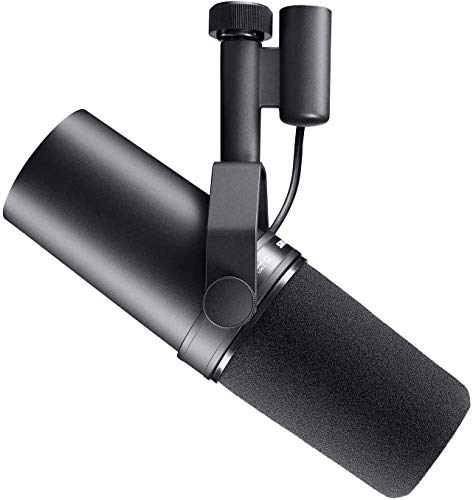
- Warm, balanced dynamic vocal sound
- Cardioid pickup reduces room noise
- Built-in pop filtering and rugged metal build
Best For: Creators who want a classic broadcast vocal sound with XLR flexibility
Focused Podcast Isolation
Audio-Technica AT2040 Hypercardioid Dynamic Mic
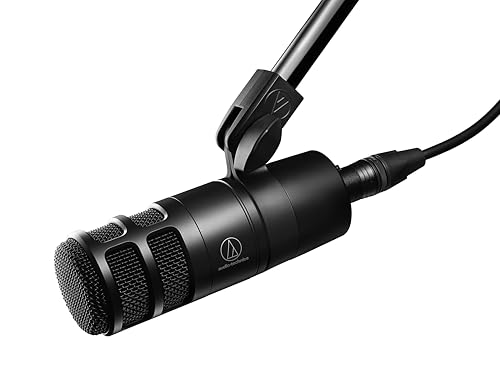
- Hypercardioid pattern reduces side and rear pickup
- Integrated shock mount cuts handling noise
- Foam windscreen improves pop filtering
Best For: Solo podcasters who want tight vocal focus and simple broadcast-style capture
Most Versatile Starter Pack
Samson Q2U USB/XLR Podcast Pack

- USB and XLR connections for flexible setups
- Includes arm, pop filter, stand, and cables
- Plug-and-play design with headphone monitoring
Best For: Beginners who want a flexible all-in-one podcast microphone bundle
Mix-Ready Voice Control
Tascam TM-70 Broadcast Dynamic Microphone
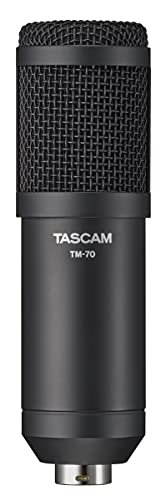
- Super-cardioid pattern emphasizes the voice
- Includes shock mount, stand, and cable
- Designed for mix-ready, less-room pickup
Best For: Desktop podcasters and streamers who want an easy XLR broadcast setup
Broadcast-Ready XLR Pick

- XLR-only dynamic mic for interface-based setups
- Cardioid capsule helps reject room noise
- Integrated swing-mount and internal pop filter
Best For: Podcast and streaming setups with an audio interface
Voice-Isolating Studio Pick

- XLR-only dynamic cardioid mic
- Integrated shock mount reduces vibrations
- Rugged all-metal build with stand adapter
Best For: Creators with an audio interface who want voice isolation
Dual-Connection Value Pick
MAONO HD300T USB/XLR Podcast Mic

- USB/XLR outputs for flexible setup options
- Includes headphone monitoring and volume control
- Comes with stand, shock mount, pop filter, and cables
Best For: Beginners who want easy USB use plus XLR flexibility
Dual-Mode Studio Starter
FIFINE AmpliTank K688CT Podcast Microphone Kit

- USB and XLR connectivity for flexible setups
- Includes boom arm, windscreen, and shock mount
- USB mode adds mute, gain, and monitoring controls
Best For: Creators who want an adaptable podcast mic kit for home studio use
RGB Streaming Pick
FIFINE AmpliGame AM8 USB/XLR Dynamic Microphone

- USB plug-and-play with tap-to-mute
- XLR option for future audio upgrades
- RGB ring and headphone jack for streaming setups
Best For: Streamers and beginner podcasters who want style plus simple operation
Metal Build Pro Choice
FIFINE AmpliTank K688 Dynamic Microphone

- Metal body with cardioid pickup and 130dB SPL
- USB and XLR outputs for flexible recording
- Includes shock mount, windscreen, and monitoring
Best For: Creators who want a sturdy podcast mic with practical controls and upgrade room
Flagship Broadcast Standard – Shure SM7B Dynamic Vocal Microphone
If you want a dynamic broadcast microphone for podcasting that prioritizes smooth, warm vocals and strong noise rejection, the Shure SM7B is a proven choice. Its cardioid pickup pattern, built-in pop filtering, and air suspension shock isolation are aimed at getting clean voice capture in real-world studio and streaming setups.
Best For: Podcasters, streamers, voiceover artists, and studio creators who want classic broadcast-style vocal tone with XLR control.
Pros:
- Dynamic cartridge with wide-range frequency response for warm, balanced vocals
- Cardioid pattern and shock isolation help reduce room noise and vibrations
- Built-in pop filtering and detachable windscreen reduce plosives and breath noise
- Rugged all-metal construction with electromagnetic shielding
Cons:
- XLR-only design requires an audio interface or mixer
- At least 60dB of gain is recommended for the intended tone
- Third-party pre-amps may need phantom power to operate
The SM7B is a strong fit if you want broadcast polish and are already set up for XLR recording. It’s less plug-and-play than USB options, but it delivers the kind of controlled vocal sound many creators want for podcasting.
Focused Podcast Isolation – Audio-Technica AT2040 Hypercardioid Dynamic Mic
The Audio-Technica AT2040 is a dynamic broadcast microphone for podcasting that leans into vocal isolation and clean spoken-word capture. Its hypercardioid pattern, integrated shock mount, and multistage foam windscreen are designed to keep your voice forward while limiting handling noise and plosives.
Best For: Solo podcasters and streamers who want a focused, broadcast-style mic with strong side and rear rejection.
Pros:
- Hypercardioid pattern helps reduce pickup from the sides and rear
- Integrated shock mount lowers stand and boom vibration
- Multistage foam mesh windscreen improves internal pop filtering
- Warm, assertive broadcast sound suited to podcasting
Cons:
- XLR connection means you’ll need an interface or mixer
- Best suited to close-mic use rather than wider room capture
- Does not include the broader accessory bundle some kits provide
The AT2040 is a practical pick if isolation matters more than extras. It gives you a straightforward path to clean podcast vocals without making you fight room noise or boom stand vibrations.
Most Versatile Starter Pack – Samson Q2U USB/XLR Podcast Pack
If you’re shopping for a dynamic broadcast microphone for podcasting and want the easiest on-ramp, the Samson Q2U stands out for its USB/XLR flexibility. It works with computers directly over USB or with mixers over XLR, and the included pack adds the basic accessories needed to start recording right away.
Best For: Beginners, home podcasters, and creators who want one mic that can grow with a simple setup.
Pros:
- USB and XLR outputs support both direct computer recording and pro audio setups
- On/off switch and headphone jack with level control make monitoring easy
- Plug-and-play design requires no driver installation
- Bundle includes a mic arm, pop filter, stand, cables, and cleaning cloth
Cons:
- Lower signal-to-noise ratio than some dedicated broadcast mics
- Included bundle is practical, but not as premium as standalone studio gear
- Sound profile is geared more toward utility than flagship-level refinement
The Q2U is a smart buy if you want flexibility and value in one package. It’s especially appealing for first-time podcast setups because it keeps the learning curve low while leaving room to upgrade your chain later.
Mix-Ready Voice Control – Tascam TM-70 Broadcast Dynamic Microphone
The Tascam TM-70 is a dynamic broadcast microphone for podcasting and live streaming built to capture more voice and less room. Its super-cardioid directivity, shock mount, tabletop stand, and included cable make it a straightforward desktop recording solution.
Best For: Podcasters and streamers who want a no-fuss XLR microphone that’s ready to set up on a desk.
Pros:
- Super-cardioid directivity helps make the voice more clear and prominent
- Designed to capture less room sound for easier mixing
- Includes a shock mount, tabletop mic stand, and 6-foot cable
- Metal enclosure supports a solid, broadcast-style build
Cons:
- XLR-only setup requires external audio gear
- Tabletop-oriented package may be less flexible than a full boom-arm rig
- Not aimed at users who want USB simplicity
The TM-70 makes sense if you want a practical broadcast mic with useful accessories in the box. It focuses on clean, mix-friendly voice capture rather than feature overload, which is a plus for many desktop podcasters.
Broadcast-Ready XLR Pick – RØDE PodMic for Podcasting
If you want a dynamic broadcast microphone for podcasting with a classic XLR setup, the RØDE PodMic is built for focused spoken-word capture. Its cardioid dynamic capsule is designed to reject room noise and background sound, while the integrated swing-mount and internal pop filter keep the recording chain simple.
Best For: Podcasters and streamers using a RØDECaster, AI-1, or another XLR audio interface who want a broadcast-style mic with minimal accessory needs.
Pros:
- Cardioid dynamic capsule helps reduce room noise and background sound.
- Integrated swing-mount with internal pop filter simplifies vocal recording.
- Broadcast-grade build with an internal shock mount for a sturdy feel.
- Rich, balanced voice tone suited to podcasting and streaming.
Cons:
- XLR only, so it requires an audio interface or mixer.
- Does not connect directly to a computer by USB.
Overall, the PodMic is a straightforward choice if your setup already includes an interface and you want a purpose-built broadcast mic. It favors practical vocal clarity over convenience features, which is exactly what many podcast rigs need.
Voice-Isolating Studio Pick – Shure MV7X XLR Podcast Mic
The Shure MV7X is a dynamic broadcast microphone for podcasting that focuses on clean vocal capture through an XLR-only connection. Its voice-isolating design and integrated shock mount are aimed at reducing room noise, background distractions, and unwanted vibrations in studio or creator setups.
Best For: Podcasters, streamers, and vocal creators who want a durable XLR mic with strong voice isolation and flexible stand compatibility.
Pros:
- Dynamic cardioid design helps isolate the voice from room noise.
- Integrated shock mount reduces unwanted vibrations.
- All-metal construction feels rugged and durable.
- Includes a 3/8″ adapter for broad stand and boom-arm compatibility.
Cons:
- XLR-only output requires an audio interface or mixer.
- Designed for studio-style setups rather than direct USB use.
For creators who already have an interface, the MV7X is a practical step toward a more polished spoken-word sound. It combines broadcast-inspired styling with the durability and noise control that matter most in podcasting.
Dual-Connection Value Pick – MAONO HD300T USB/XLR Podcast Mic
The MAONO HD300T is a dynamic broadcast microphone for podcasting that gives you both USB and XLR options in one kit. That makes it especially practical if you want plug-and-play recording on a computer now, but still want the flexibility to use an audio interface or mixer later.
Best For: Beginners and flexible creators who want an all-in-one podcast mic with USB convenience, XLR expandability, and monitoring tools.
Pros:
- USB/XLR dual outputs work for both direct computer use and interface-based setups.
- Dynamic capsule and cardioid pickup help reduce background noise and room reverb.
- 3.5mm headphone jack supports zero-latency monitoring in USB mode.
- Includes a stand, shock mount, pop filter, and both USB and XLR cables.
Cons:
- Volume control only functions in USB mode.
- Bulky kit may be more than some users need if they already own accessories.
If you want one mic that can handle beginner podcasting today and more advanced recording later, the HD300T is the most versatile option here. Its included accessories and dual-output design make setup simple without closing off upgrade paths.
Dual-Mode Studio Starter – FIFINE AmpliTank K688CT Podcast Microphone Kit
If you want a dynamic broadcast microphone for podcasting that can move between simple USB recording and more advanced XLR workflows, the FIFINE AmpliTank K688CT is built for that kind of flexibility. Its cardioid pickup, 130dB SPL handling, and included boom arm make it a practical option for voice work, streaming, and home studio use.
Best For: Podcasters and streamers who want a ready-to-use mic kit with both USB convenience and XLR upgrade options.
Pros:
- USB and XLR connections give you two setup paths depending on your gear.
- Cardioid pattern helps reduce ambient noise and keep focus on your voice.
- Includes a sturdy metal boom arm, windscreen, and shock mount for cleaner recording.
- USB mode adds tap-to-mute, gain control, and headphone monitoring for easy control.
Cons:
- Function buttons do not work when using XLR.
- The clamp only fits desks under 2 inches thick.
- Best input level requires close mic technique, about 2 to 6 inches away.
Overall, this is a strong all-in-one choice if you want a broadcast-ready kit without committing to one connection type. It offers useful control features in USB mode while still leaving room for an XLR-based setup later.
RGB Streaming Pick – FIFINE AmpliGame AM8 USB/XLR Dynamic Microphone
The FIFINE AmpliGame AM8 is a dynamic broadcast microphone for podcasting and streaming users who want a straightforward USB setup with the option to move to XLR later. Its cardioid pattern, 50Hz-16KHz response, and included noise-canceling windscreen make it a sensible pick for vocal clarity and everyday creator use.
Best For: Streamers, gamers, and beginner podcasters who want USB simplicity with RGB styling.
Pros:
- USB mode is plug-and-play and includes tap-to-mute for quick privacy control.
- XLR support lets you upgrade to an interface or mixer when you want more flexibility.
- Cardioid dynamic design helps reject off-axis noise for cleaner voice capture.
- RGB ring, headphone jack, and gain control add useful desktop-friendly features.
Cons:
- RGB and onboard controls are inactive in XLR mode.
- Separate XLR cable is not included.
- It performs best when you stay close, around 2 to 6 inches from the mic.
In practice, this model balances ease of use with upgrade potential. If you want a mic that looks good on a gaming desk but still handles podcast duties, the AM8 fits that lane well.
Metal Build Pro Choice – FIFINE AmpliTank K688 Dynamic Microphone
If you want a dynamic broadcast microphone for podcasting that focuses on clean, practical audio, the FIFINE AmpliTank K688 keeps things straightforward. It combines a metal body, cardioid pickup, and both USB and XLR outputs, making it a versatile fit for voice-over, gaming, and studio recording.
Best For: Podcasters and creators who want a solid-feeling mic with clear USB convenience and XLR flexibility.
Pros:
- Cardioid pattern and 130dB SPL rating support clean vocal capture without distortion.
- USB and XLR outputs let you choose between easy recording and more advanced setups.
- Includes tap-to-mute, gain control, headphone jack, and monitoring volume in USB mode.
- Windscreen and shock mount help reduce plosives and vibration noise.
Cons:
- Arm stand, mic stand, and XLR cable are not included.
- Onboard function keys only work over USB.
- XLR use is best paired with an XLR-to-XLR cable for stability.
This is a sensible pick if you want a durable microphone that can grow with your setup. It leans more toward dependable audio control than flashy extras, which many podcasters will prefer.
How We Picked the Best Dynamic Broadcast Microphone for Podcasting
We prioritized microphones that are well suited to spoken voice, with an emphasis on rejection of background noise, consistent tonal balance, and reliable build quality. We also looked at workflow fit: XLR-only models for traditional studio rigs, and USB/XLR models for creators who want to start simple and upgrade later.
Other factors included included accessory value, onboard controls, ease of use, and how well each mic supports podcasting in untreated rooms.
Quick Comparison
At a high level, this list covers three main buyer types: premium XLR broadcast mics for the most polished sound, versatile hybrid mics for growing setups, and budget-friendly kits that reduce the need for extra accessories. If you already own an audio interface or mixer, XLR models make the most sense. If you want plug-and-play flexibility, USB/XLR microphones are the easiest path.
Key Buying Factors for a Dynamic Broadcast Microphone for Podcasting
Pickup Pattern and Noise Rejection
Most podcast-focused dynamic mics use a cardioid or hypercardioid pattern to focus on your voice and reduce room noise. That matters most if you record in a bedroom, office, or shared space.
Connection Type
XLR models usually offer the cleanest upgrade path and pair well with better interfaces. USB/XLR hybrids are ideal if you want one mic that works on a laptop today and a mixer or interface tomorrow.
Voice Tone and Proximity Effect
A good Dynamic Broadcast Microphone for Podcasting should sound full without becoming muddy. If you plan to speak close to the mic, pay attention to how each model handles bass buildup and plosives.
Controls and Convenience
Mute buttons, headphone monitoring, gain control, and included mounts can save time and money. These features are especially useful for live streams, remote interviews, and beginner-friendly setups.
Room and Workflow Match
There is no single best microphone for every podcaster. In a quiet treated room, a premium XLR mic can shine. In a noisy or flexible home setup, a feature-rich USB/XLR model may be the smarter choice.
Who Should Buy Which Dynamic Broadcast Microphone for Podcasting?
Choose a premium XLR mic if you want a long-term studio upgrade and already have recording gear. Choose a USB/XLR hybrid if you want versatility and an easier start. Choose a bundled kit if you need the mic plus arm, shock mount, or pop filter in one purchase.
If you are mainly podcasting, streaming, or recording voice in an untreated room, this category is one of the safest bets for clean, focused vocal capture. The best choice is the one that fits your space, budget, and workflow without adding unnecessary complexity.