If you want a mic that sounds strong without needing a separate gain booster, dynamic microphones with built in preamp are a smart upgrade. They make it easier to get clean, usable vocal levels for streaming, podcasting, and home recording.
In this roundup, we focus on models that balance sound quality, connectivity, and simple setup so you can choose the right mic for your workspace and budget.
Best 10 Dynamic Microphones with Built in Preamp Picks for 2026
Editor’s Pick
Shure SM7dB with Built-In Preamp
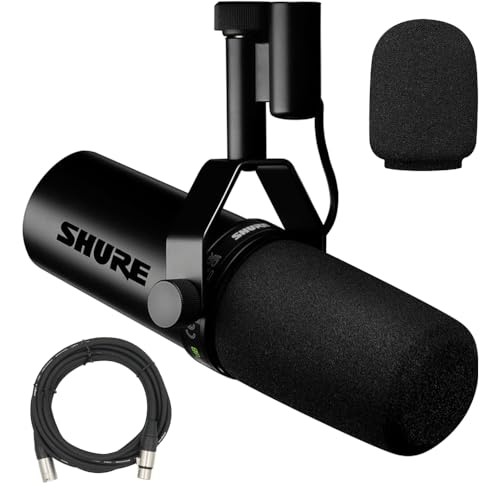
- Up to +28 dB of clean onboard gain
- Bypass mode preserves SM7B-style output
- Cardioid pattern helps isolate vocals
Best For: Creators who want the SM7 sound with onboard gain
USB/XLR Hybrid
Shure MV7+ Podcast Dynamic Mic

- USB-C and XLR connectivity in one mic
- Real-time denoiser and auto level mode
- Includes desktop stand and foam windscreen
Best For: Podcasters and streamers who want USB convenience and XLR flexibility
Stage Standard

- Classic vocal tuning with cardioid pickup
- Integrated on/off switch for live control
- Built to reduce plosives and handling noise
Best For: Live vocalists and presenters who want an iconic XLR mic
Pro Broadcast Upgrade

- Selectable +18 dB or +28 dB onboard gain
- Cardioid isolation with air suspension shock mount
- Rear EQ switches for tone shaping
Best For: Streamers and podcasters who want SM7-style tone with built-in gain
Hybrid Wireless Podcast Pick
MAONO PD200W Hybrid Wireless Podcast Microphone for PC

- Wireless, USB, and XLR support
- 30mm dynamic capsule with cardioid pickup
- MaonoLink app for EQ and reverb control
Best For: Creators who want one mic for wireless, USB, and XLR recording
Broadcast XLR Staple
Shure MV7X XLR Dynamic Podcast Microphone

- XLR-only output for interface or mixer use
- Integrated shock mount helps cut handling noise
- All-metal build with yoke mount included
Best For: Podcasters and streamers using an existing XLR audio chain
Built-In Preamp Value
Movo UM6 Dynamic Podcast Microphone

- Built-in GainCast preamp with up to 25dB boost
- XLR and USB-C outputs in one mic
- Onboard touch controls for gain, EQ, and mute
Best For: Creators who want built-in gain boost plus XLR and USB-C
Premium Hybrid Podcast Pick
Shure MV7+ USB-C & XLR Podcast Dynamic Microphone

- USB-C and XLR dual output
- Auto level and real-time denoising
- LED touch panel with tap-to-mute
Best For: Creators who want a flexible podcast mic for USB and XLR setups
All-in-One Starter Kit
FIFINE AmpliTank K688CT Podcast Microphone Kit

- USB/XLR dynamic mic with boom arm
- Tap-to-mute, gain, and headphone monitoring
- Shock mount and windscreen included
Best For: Beginners who want a complete podcast microphone kit
Feature-Rich Studio Choice
MAONO Dynamic Microphone-XLR USB Podcast Recording Mic

- 192kHz/24bit recording with USB/XLR
- MAONO Link EQ, limiter, and compressor tools
- Zero-latency monitoring with one-button mute
Best For: Users who want advanced control and studio-style tuning
Editor’s Pick – Shure SM7dB with Built-In Preamp
If you want one of the most trusted dynamic microphones with built in preamp, the Shure SM7dB keeps the classic SM7 sound while adding onboard gain for easier use with modern interfaces. It’s designed to deliver the familiar warm, broadcast-style tone with a clean, transparent boost when you need extra level for streaming, podcasting, or recording quiet vocals.
Best For: Creators who want the SM7 sound with onboard gain so they can skip external inline preamps.
Pros:
- Built-in preamp offers up to +28 dB of low-noise gain
- Bypass mode lets you revert to original SM7B performance
- Cardioid pickup helps reject background noise in less-than-ideal rooms
- Includes detachable windscreen, thread adapter, and 20 ft XLR cable
Cons:
- Requires an interface or mixer with +48V phantom power for the preamp
- XLR-only, so it is not a direct USB option
- May be more mic than you need if you only want a simple vocal setup
The SM7dB is a strong choice if you want proven vocal tone and cleaner gain staging in one microphone. It reduces clutter in the signal chain without losing the familiar character that made the SM7 line so popular.
USB/XLR Hybrid – Shure MV7+ Podcast Dynamic Mic
The Shure MV7+ is a flexible pick among dynamic microphones with built in preamp-style convenience because it combines USB-C and XLR connectivity with onboard DSP tools for easier recording. It’s built for podcasting, streaming, YouTube, and remote work setups where you want polished sound, simple controls, and the option to grow into a more advanced rig.
Best For: Podcasters and streamers who want USB convenience now and XLR flexibility later.
Pros:
- USB-C and XLR outputs support beginner and pro setups
- Built-in DSP includes real-time denoiser, auto level, and digital pop filter
- LED touch panel makes mute and monitoring controls easy to use
- Includes adjustable desktop stand and foam windscreen
Cons:
- More feature-heavy than a basic analog dynamic mic
- Best suited to desktop/content workflows rather than live stage use
- Some users may not need the app-based customization features
The MV7+ stands out if you want a modern recording mic that simplifies setup while still offering XLR expansion. It’s especially practical for creators who value built-in processing and convenient control during live sessions.
Stage Standard – Shure SM58S Vocal Microphone
The Shure SM58S is a straightforward stage vocal mic, but it is not one of the dynamic microphones with built in preamp. Instead, it focuses on reliable XLR performance, classic vocal tuning, and an integrated on/off switch for fast control on stage or in rehearsal spaces. If you already have enough gain from your mixer or interface, it remains a proven, no-frills vocal workhorse.
Best For: Live vocalists and presenters who want an iconic XLR mic with an on/off switch.
Pros:
- Clear, warm vocal tuning designed to help voices cut through a mix
- Cardioid pattern helps reject off-axis sound in loud environments
- Built-in on/off switch offers easy muting between songs or speakers
- Hardened grille and internal filtering help reduce plosives and handling noise
Cons:
- No built-in preamp or onboard gain boost
- Focused mainly on live vocal use, not modern plug-and-play recording
- Requires an external mixer or interface for operation
If you need a dependable stage mic rather than onboard amplification, the SM58S still makes sense. It prioritizes consistency, noise rejection, and ease of use over added electronics.
Pro Broadcast Upgrade – Shure SM7dB with Preamp
The Shure SM7dB brings the familiar SM7-style sound to creators who want one of the most respected dynamic microphones with built in preamp. It keeps the warm, natural vocal character of the SM7B while adding selectable onboard gain, so you can simplify your signal chain and feed an XLR interface without relying on an external booster.
Best For: Streamers, podcasters, and recording users who want SM7-style tone with built-in gain control.
Pros:
- Select +18 dB or +28 dB onboard gain to match different sources
- Cardioid pickup and air suspension isolation help reduce room noise and handling vibration
- Rear-panel EQ switches allow bass roll-off and mid-range presence shaping
- Rugged all-metal construction with included detachable windscreen
Cons:
- XLR-only, so it needs an audio interface or mixer
- Requires phantom power to run the built-in preamp
- Not as simple as a USB microphone for beginner desktop setups
For users who already like the SM7 family, this version removes a lot of extra gear from the workflow. It is a clean, professional choice when you want classic broadcast tone plus easier gain staging.
Hybrid Wireless Podcast Pick – MAONO PD200W Hybrid Wireless Podcast Microphone for PC
If you want dynamic microphones with built in preamp-style flexibility for podcasting or streaming, the MAONO PD200W stands out for its wireless, USB, and XLR operation in one kit. It’s built for creators who want freedom to move, easy plug-and-play recording, and a pro wired path when they need a more stable studio setup.
Best For: Creators who want a single dynamic mic for wireless, USB, and XLR recording with onboard controls and app tuning.
Pros:
- Offers three recording paths: wireless, USB, and XLR
- Dynamic capsule with cardioid pickup and 82dB signal-to-noise ratio
- Three-stage noise cancellation helps reduce room echo and background noise
- MaonoLink app adds EQ, reverb, and preset control
Cons:
- Camera and Lightning accessories are sold separately
- Wireless setup may be more than some users need for a simple desk rig
As a flexible creator mic, the PD200W is strongest when you want one microphone to cover multiple workflows without sacrificing voice-focused performance. The included stand and long battery life make it a practical option for mobile or desk-based recording alike.
Broadcast XLR Staple – Shure MV7X XLR Dynamic Podcast Microphone
For buyers comparing dynamic microphones with built in preamp alternatives, the Shure MV7X is a focused XLR-only podcast mic that prioritizes clean voice capture and isolation. It’s a strong pick if you already use an audio interface or mixer and want a durable, broadcast-style microphone for spoken-word work.
Best For: Podcasters, streamers, and vocal recordists who want an XLR-only dynamic mic with strong noise isolation.
Pros:
- Dynamic cardioid design with integrated shock mount
- Designed to reduce room noise and unwanted vibrations
- All-metal construction for a rugged studio setup
- Includes adjustable yoke mount and 3/8″ adapter
Cons:
- XLR-only, so it requires an audio interface or mixer
- No USB option for direct computer hookup
The MV7X is a straightforward choice if you want Shure’s broadcast-oriented approach in a no-frills XLR mic. It doesn’t try to do everything, but that focus can be a plus for creators who already have the rest of the chain in place.
Built-In Preamp Value – Movo UM6 Dynamic Podcast Microphone
If you’re shopping for dynamic microphones with built in preamp features, the Movo UM6 is the most directly aligned option here thanks to its GainCast preamp and dual XLR/USB-C connectivity. It’s aimed at creators who want a clean boost on XLR, simple USB-C plug-and-play, and onboard controls in a compact content-creation mic.
Best For: Podcasters, streamers, and voice creators who want a dynamic mic with built-in gain boost and flexible XLR/USB-C outputs.
Pros:
- Built-in GainCast preamp provides up to 25dB of clean boost via XLR
- XLR and USB-C outputs support studio and plug-and-play use
- Touch controls cover EQ, gain, mute, and monitoring
- Includes foam windscreen and both USB-C and XLR cables
Cons:
- USB-C workflow is geared more toward computers and mobile devices than larger studio rigs
- Best with a simple creator setup rather than a fully modular broadcast chain
The UM6 is the most practical match if built-in preamp support is your main priority. It combines a clean gain boost with easy controls and useful accessories, making it a strong all-around choice for modern recording setups.
Premium Hybrid Podcast Pick – Shure MV7+ USB-C & XLR Podcast Dynamic Microphone
If you want one of the most versatile dynamic microphones with built in preamp-style convenience for podcasting and streaming, the Shure MV7+ is built for flexible workflows. It combines USB-C plug-and-play ease with XLR output, plus onboard controls like auto level, tap-to-mute, and real-time denoising to help keep speech consistent and clean.
Best For: Podcasters, streamers, and creators who want USB simplicity now and XLR expansion later.
Pros:
- USB-C and XLR outputs make it easy to use with laptops, mobile devices, mixers, and interfaces
- Auto Level Mode adjusts gain based on distance and volume for more consistent voice capture
- Real-time denoiser helps reduce background noise in less-than-ideal rooms
- LED touch panel adds level monitoring and tap-to-mute control for live use
Cons:
- Reverb effects are useful, but may be unnecessary if you want a very simple mic setup
- As an XLR mic, some advanced control depends on the rest of your audio chain
Overall, the MV7+ is a strong fit if you want a polished broadcast-style dynamic mic with helpful onboard processing and flexible connectivity. It stands out for creators who value convenience, live control, and room to grow into a more advanced studio setup.
All-in-One Starter Kit – FIFINE AmpliTank K688CT Podcast Microphone Kit
The FIFINE AmpliTank K688CT is a practical choice if you’re shopping for dynamic microphones with built in preamp-style USB convenience and want a full recording kit in one box. It pairs USB and XLR connectivity with a boom arm, shock mount, windscreen, gain control, and headphone monitoring, making it easy to set up for podcasts, gaming, or voice work.
Best For: Beginners and budget-minded creators who want a complete USB/XLR mic kit.
Pros:
- USB and XLR connectivity gives you plug-and-play convenience or interface-based recording
- Included boom arm, shock mount, and windscreen help reduce bumps, vibrations, and plosives
- Tap-to-mute, gain knob, headphone jack, and volume control make monitoring simple in USB mode
- Cardioid pattern and SPL handling are designed to keep voice front and center
Cons:
- Function keys do not work in XLR mode, so controls shift to your mixer or interface
- Best input level depends on close mic technique, with the brand recommending 2 to 6 inches
This kit is appealing if you want an affordable, ready-to-use dynamic microphone setup with the essentials already included. It’s especially practical for first-time podcasters who want fewer extra purchases and straightforward controls.
Feature-Rich Studio Choice – MAONO Dynamic Microphone-XLR USB Podcast Recording Mic
The MAONO PD300XT is aimed at creators who want dynamic microphones with built in preamp-style flexibility, detailed tuning, and a more studio-oriented feature set. It offers USB/XLR connectivity, 192kHz/24bit sampling, a visual EQ panel, and onboard tools like limiter, compressor, high-pass filter, and zero-latency monitoring for hands-on control.
Best For: Streamers, podcasters, and home studio users who want advanced sound-shaping tools.
Pros:
- 192kHz/24bit sampling captures detailed audio for streaming and podcast recording
- USB/XLR dual interface supports both simple and more advanced setups
- MAONO Link adds EQ, limiter, compressor, and high-pass filter controls
- One-button noise reduction, foam filter, and built-in filters help manage unwanted noise
Cons:
- More features mean a steeper learning curve than a basic plug-and-play mic
- The audio tools may be more than needed for users who just want a simple voice capture setup
If you want a dynamic mic that goes beyond the basics, the PD300XT offers a lot of practical control in a single package. It is a strong fit for users who like to shape their sound and fine-tune recordings without relying entirely on external gear.
How We Picked the Best Dynamic Microphones with Built in Preamp
We looked for Dynamic Microphones with Built in Preamp features that help low-output voices sit comfortably in the mix without extra hardware. Priority went to models with practical connectivity, solid gain performance, and use cases that fit creators, streamers, and podcasters.
We also favored mics that offer a sensible mix of build quality, output flexibility, and convenience, since the whole point is to reduce setup friction while improving vocal clarity.
Quick Comparison
Some options are best for simple plug-and-play recording, while others are better if you want long-term flexibility with XLR, USB, or both. If you need the cleanest all-in-one workflow, hybrid models are especially attractive. If you already have an interface, XLR-focused picks may be the better value.
Key Buying Factors for Dynamic Microphones with Built-In Preamp
Gain and Preamp Quality
The biggest reason to choose Dynamic Microphones with Built in Preamp is easier level matching. Look for a mic that provides enough clean gain for your voice without introducing hiss, distortion, or the need for an external booster.
Connection Options
USB-C models are ideal for direct computer use, while XLR models fit existing audio interfaces and mixers. Dual-output microphones can offer the most flexibility if you expect your setup to grow over time.
Voice Use and Placement
Dynamic mics work best up close, so check whether the package includes a stand, mount, or cable that helps you position it correctly. This matters even more if you are trying to maximize clarity while minimizing room noise.
Controls and Monitoring
Useful onboard controls such as mute switches, gain knobs, or headphone monitoring can make daily use easier. These features are especially helpful for streaming and live calls where quick adjustments matter.
Who Should Buy Which Dynamic Microphones with Built in Preamp?
Choose a built-in preamp dynamic mic if you want a simpler setup and cleaner gain than a passive dynamic can offer on its own. Streamers and podcasters often benefit most because the mic can plug in quickly and stay consistent across sessions.
If you are on a budget, pick the model that gives you the best mix of gain support and essential accessories. If you want a future-proof setup, go for a dual USB/XLR option. If you already own an interface with plenty of clean gain, a standard dynamic mic may still be the most cost-effective route.
For most buyers, the best choice is the one that matches your room, your recording distance, and how much simplicity you want from day one.