Adding an electronic percussion pad for acoustic drum kit setups can instantly expand your sound palette without replacing the feel of an acoustic set. The right pad can trigger samples, layer textures, and streamline both rehearsal and live performance.
Below, we focus on the most useful options for different players, from compact trigger modules to full-featured multipads built for gigging drummers.
Best 10 Electronic Percussion Pad for Acoustic Drum Kit Picks for 2026
Trigger Module
Roland TM-2 Acoustic Drum Trigger Module

- 162 built-in sounds for layering and live use
- SDHC playback for custom WAV files and backing tracks
- Two trigger inputs with simple kit editing
Best For: Acoustic drummers adding compact trigger-based electronics
Compact Percussion Pad
NUX DP-2000 8-Pad Strike Station

- Eight velocity-sensitive pads with mixed sound library
- Three external trigger inputs for hybrid expansion
- USB-C WAV loading plus six onboard effects
Best For: Players building a compact hybrid percussion setup
Expansion Pad

- 10-inch pad with acoustic-style look and response
- Triple piezo sensing for more even triggering
- Dual-zone head/rim play with mesh head rebound control
Best For: Drummers seeking a realistic pad upgrade for a compatible kit
Sample Pad
Alesis SamplePad Pro Electric Drum Pad
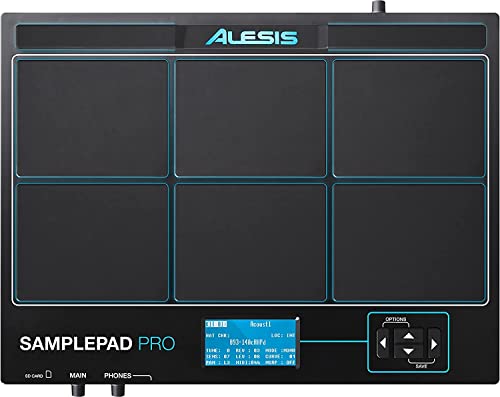
- Eight velocity-sensitive pads with LED illumination
- 200+ built-in sounds across 10 ready-made kits
- SD card loading for custom samples and extra kits
Best For: Live players who want a versatile sample pad with expansion
Performance Add-On
Alesis Sample Pad 4 Electric Drum Pad

- Loads custom samples from SD/SDHC cards
- Four velocity-sensitive pads
- MIDI output for controller use
Best For: Drummers who want custom samples and built-in sounds for live performance
Advanced Multi-Pad

- 1,061 drum, percussion, and effects sounds
- Five external pad trigger inputs
- Mute/layer function with sequencer
Best For: Drummers who want extensive sounds and flexible expansion
Pro-Feature Multipad
LEKATO PD705 9-Pad Sample Drum Set

- 9 velocity-sensitive pads with 592+ sounds
- MIDI I/O, USB-B, AUX, and trigger inputs
- Stores custom kits and imports samples
Best For: Hybrid drummers needing a full-featured multipad for acoustic kit expansion
Compact Trigger Pad
Digital Sound Block v2 Dual-Zone Pad

- Dual-zone pad with velocity-sensitive response
- Compact footprint for tight hybrid kits
- Works with Roland, Yamaha, Alesis, and more
Best For: Players adding a small, expressive trigger pad to an acoustic kit
Expandable Sample Pad
avatar PD705 Percussion Multipad

- 9 dual-zone pads with 592 sounds and 30 kits
- Loop recording plus EQ, limiter, and reverb
- 8 trigger inputs and MIDI/USB connectivity
Best For: Hybrid drummers wanting a portable multipad with looping and expansion
Trigger Module – Roland TM-2 Acoustic Drum Trigger Module
If you want an electronic percussion pad for acoustic drum kit setups without a lot of extra clutter, the Roland TM-2 is built for quick expansion. It adds trigger-based sounds, lets you layer samples with live drums, and supports custom WAV playback from SDHC media for a more personalized performance rig.
Best For: Acoustic drummers who want a compact trigger module for layering, sample playback, and simple live expansion.
Pros:
- 162 ready-to-play sounds spanning acoustic, percussion, and electronic tones
- SDHC slot supports your own WAV files, including samples, loops, and backing tracks
- Two trigger inputs work with single- and dual-trigger pads
- Includes built-in effects like reverb, flanger, and delay
Cons:
- Does not include trigger pads in the box
- Only two trigger inputs, so larger setups may need additional gear
Overall, the TM-2 is a strong choice if you want a compact module that enhances an acoustic kit with electronic sounds rather than replacing the feel of your drums.
Compact Percussion Pad – NUX DP-2000 8-Pad Strike Station
The NUX DP-2000 is a flexible electronic percussion pad for acoustic drum kit players who want an all-in-one strike surface with expansion options. It pairs eight velocity-sensitive pads with onboard samples, USB WAV loading, and extra trigger inputs, so it can sit beside an acoustic kit or grow into a small hybrid setup.
Best For: Drummers who want a portable pad with built-in sounds, expansion inputs, and USB sample loading.
Pros:
- Eight velocity-sensitive pads with premium acoustic, folk, and electronic sounds
- Three 1/4-inch inputs for kick, hi-hat, or other external triggers
- USB-C support for loading WAV files and expanding the sound library
- Six onboard effects for shaping individual pads or bus processing
Cons:
- Some advanced features depend on optional Bluetooth expansion
- More of a compact hybrid station than a full drum module replacement
It stands out for players who want flexibility: basic pad performance is there out of the box, but the trigger inputs and sample-loading options make it much easier to tailor the unit to your kit and setlist.
Expansion Pad – Roland PD-10P 10-inch V-Pad
If your search for an electronic percussion pad for acoustic drum kit applications is really about feel, the Roland PD-10P is aimed at realism and playability. This 10-inch V-Pad uses a triple piezo sensor layout, dual-zone triggering, and a tension-adjustable mesh head to deliver a more acoustic-style response for compatible V-Drums setups.
Best For: Drummers who want a realistic-feeling expansion pad or snare/tom upgrade for a compatible electronic or hybrid kit.
Pros:
- 10-inch pad size with acoustic-style aesthetics
- Triple piezo sensing helps reduce hot spots and improve even triggering
- Dual-zone head and rim triggering for more expressive playing
- Tension-adjustable mesh head lets you tune rebound to your preference
Cons:
- Works with compatible Roland V-Drums modules, so it is not a standalone unit
- Does not include a sound module or standalone percussion engine
This is the most feel-focused option in the group, making it a smart upgrade if you want a pad that behaves more like an acoustic drum while still fitting into a triggered setup.
Sample Pad – Alesis SamplePad Pro Electric Drum Pad
The Alesis SamplePad Pro is a practical electronic percussion pad for acoustic drum kit players who want ready-to-play sounds plus room to grow. With eight velocity-sensitive pads, onboard kits, and support for SD-card loading, it works well for live performance, practice, or adding extra textures to a hybrid drum rig.
Best For: Drummers who want a feature-rich pad with built-in sounds, sample loading, and solid connectivity.
Pros:
- Eight isolated velocity-sensitive pads with blue LED illumination
- 200+ built-in drum, cymbal, and percussion sounds in 10 kits
- Expanded inputs for kick pedal, hi-hat pedal, and extra pads
- SD card slot supports up to 512 sounds and 20 kits per 32GB card
Cons:
- SD card is not included
- More focused on sample playback and performance than advanced pad feel
For players who want a straightforward way to trigger sounds and add custom samples, the SamplePad Pro offers a strong balance of built-in content, expansion, and stage-friendly connectivity.
Compact Starter Pad – Kat Percussion KTMP1 Electronic Drum and Percussion Pad Sound Module
If you want an electronic percussion pad for acoustic drum kit use without adding much bulk, the Kat Percussion KTMP1 keeps things simple. It gives you four velocity-sensitive pads, a set of 50 drum and percussion sounds, and USB/MIDI connectivity, so it can handle basic expansion and triggering tasks without overcomplicating your setup.
Best For: Players who want a compact, affordable pad module for adding electronic sounds and triggers to an acoustic kit.
Pros:
- Four velocity-sensitive pads for expressive playing
- 50 included drum and percussion sounds
- Two extra inputs for hi-hat controller pedal and bass drum trigger
- USB/MIDI connectivity for integration with gear or software
Cons:
- Only four pads, so it is not a large pad surface
- Sound library is smaller than some multi-pad competitors
This is a practical pick if you need an entry-level module-style pad that can slot into an acoustic drum kit setup. It focuses on essentials: basic pad response, a manageable sound set, and useful trigger inputs.
Performance Add-On – Alesis Sample Pad 4 Electric Drum Pad
The Alesis Sample Pad 4 is a straightforward electronic percussion pad for acoustic drum kit setups when you want to add sounds quickly on stage. It offers four velocity-sensitive pads, a built-in library of 25 drum and percussion sounds, and an SD/SDHC card slot so you can load your own samples into the performance setup.
Best For: Drummers who want an easy way to add custom samples and built-in percussion sounds to a live kit.
Pros:
- SD/SDHC card slot for adding your own samples
- Four velocity-sensitive pads for dynamic playing
- 25 built-in percussion and electronic drum sounds
- MIDI output for controlling sound modules and software
Cons:
- Only four pads, so expansion is limited compared with larger units
- Built-in sound library is relatively small
For players focused on live performance flexibility, this pad keeps the workflow practical. The combination of sample loading, trigger input, and MIDI output makes it a useful add-on without feeling overly complex.
Advanced Multi-Pad – Yamaha DTX Multi Pad
The Yamaha DTX Multi Pad is a more advanced electronic percussion pad for acoustic drum kit players who want a deep sound set and broader triggering options. It includes 1,061 drum, percussion, and effects sounds, 216 keyboard sounds, trigger input jacks for five external pads, and a hi-hat controller jack, making it a flexible hub for layered setups.
Best For: Drummers who want a feature-rich pad with extensive sounds, layering, and external trigger expansion.
Pros:
- 1,061 drum, percussion, and effects sounds
- 216 keyboard sounds for broader sonic options
- Trigger inputs for five external pads
- Mute/layer function, sequencer, and preset loops
Cons:
- More complex than basic add-on pads
- May be more than needed if you only want a simple trigger pad
If your setup needs more than a few extra hits and you want serious sound variety, the DTX Multi Pad stands out. Its larger sound library and expansion-friendly design make it the most versatile option in this group.
Pro-Feature Multipad – LEKATO PD705 9-Pad Sample Drum Set
If you want an electronic percussion pad for acoustic drum kit use that can also handle backing tracks, sampling, and MIDI duties, the LEKATO PD705 is built for that broader role. Its 9 velocity-sensitive pads, 592+ sounds, and multiple trigger inputs make it a flexible hub for hybrid setups, rehearsal rooms, and DAW control.
Best For: Drummers who want a feature-rich multipad for acoustic kit expansion, samples, and MIDI integration.
Pros:
- 9 velocity-sensitive pads with 592 preset sounds and 30 drum kits
- Supports 2 trigger pads plus acoustic drum triggers for kit expansion
- 5-pin MIDI I/O, USB-B, AUX, and trigger inputs for broad connectivity
- Can save up to 20 custom kits and import samples via SD card or USB
Cons:
- May be more complex than a basic trigger pad
- Setup and customization can take time if you want to use its deeper features
Overall, the PD705 makes sense if you need one unit that can cover electronic percussion, sample playback, and integration with an acoustic drum kit. It is less about minimalism and more about expanding a setup with plenty of routing and sound options.
Compact Trigger Pad – Digital Sound Block v2 Dual-Zone Pad
Digital Sound Block v2 | Dual Zone Electroinc Drum Pad | Compact, Velocity-Sensitive e-Drum Trigger
Check Price On AmazonThe Digital Sound Block v2 is a compact electronic percussion pad for acoustic drum kit players who mainly want a responsive extra trigger without adding much bulk. Its dual-zone design is aimed at expressive accents and ghost notes, and its small footprint suits tight hybrid rigs and auxiliary percussion spots.
Best For: Drummers who need a compact, dual-zone trigger pad for a hybrid acoustic/electronic setup.
Pros:
- Dual-zone triggering with velocity response for accents and ghost notes
- Compact design fits small kits and space-limited setups
- Compatible with major modules like Roland, Yamaha, and Alesis
- Hand-built in the USA and individually tested
Cons:
- Some modules may need quick input setting changes for dual-zone use
- Connectivity is more limited than larger multipads
This pad is a practical choice when your main goal is adding one reliable extra voice to an acoustic kit rather than building a full sample station. It keeps the focus on compact size, feel, and straightforward expansion.
Expandable Sample Pad – avatar PD705 Percussion Multipad
The avatar PD705 is an electronic percussion pad for acoustic drum kit players who want a portable multipad with strong expansion options. With 9 dual-zone velocity-sensitive pads, 592 sounds, loop recording, and several trigger and pedal inputs, it works well as a central add-on for rehearsals, shows, and studio sessions.
Best For: Drummers who want a portable multipad with looping, sampling, and lots of external connectivity.
Pros:
- 9 dual-zone velocity-sensitive pads with 592 sounds and 30 preset kits
- Loop recording plus EQ, limiter, and reverb for sound shaping
- USB/MIDI in-out, AUX input, and stereo outputs for flexible use
- 8 external trigger inputs and footswitch support for adding more kit pieces
Cons:
- More advanced than a simple trigger pad if you only need one extra voice
- Best results may require some setup when integrating with pedals or modules
As an acoustic kit companion, the PD705 stands out for drummers who want more than trigger response alone. It brings sample playback, looping, and broad connectivity into one unit, making it a versatile upgrade path for hybrid rigs.
How We Picked the Best Electronic Percussion Pad for Acoustic Drum Kit
We prioritized pads that work well alongside acoustic drums, with a focus on response, trigger reliability, sound flexibility, expandability, and real-world usability. We also considered whether each model is better suited to adding a few extra hits or becoming a central part of a hybrid rig.
Quick Comparison
Some options are best as simple add-on trigger modules, while others are sample pads or multipads with onboard sounds, looping, and MIDI control. If you want a subtle acoustic-plus-electronic setup, a compact module may be enough. If you want to launch backing sounds or layered percussion, a larger multipad is usually the better fit.
Key Buying Factors for an Electronic Percussion Pad for Acoustic Drum Kit
Trigger Response and Playability
Look for consistent velocity sensing and low-latency response. Drummers need pads that translate dynamics naturally, especially when switching between acoustic hits and electronic accents.
Pad Count and Zone Layout
Fewer pads can be ideal for basic triggering, while more pads give you access to a broader kit of sounds, samples, and effects. Dual-zone or multi-zone designs add flexibility for rimshots, alternate voices, or split assignments.
Sound Library and Sample Support
If you want to load custom samples, check for SD card support, USB connectivity, or MIDI options. Built-in sounds are useful, but sample import is often the feature that makes an Electronic Percussion Pad for Acoustic Drum Kit setups truly versatile.
Mounting, Size, and Stage Footprint
Make sure the unit fits your kit and playing style. Compact trigger modules are easier to place near acoustic drums, while larger pads may need dedicated stand space and more careful positioning.
Connectivity
Consider MIDI out, USB, trigger inputs, and audio outputs based on how you plan to integrate the pad. The more complex your rig, the more important clean routing becomes.
Who Should Buy Which Electronic Percussion Pad for Acoustic Drum Kit?
Choose a simple trigger module if you mainly want to add a kick, tom, or cymbal sample to an acoustic kit. Choose a sample pad or multipad if you need built-in sounds, playback control, loops, or multiple performance-ready voices. Players focused on hybrid gigs should lean toward the most expandable models, while drummers who want a compact practice or accent solution may prefer a smaller, easier-to-mount pad.
In short, the best choice depends on whether you want subtle augmentation or a full hybrid performance tool.