The best looper pedals with XLR input make it easier to build live arrangements from vocals, acoustic instruments, and guitars without relying on a laptop. The right model can turn a simple performance into a layered set with harmonies, rhythm parts, effects, and repeatable song sections.
Our selection covers beginner-friendly loopers, vocal-focused pedals, full-featured loop stations, and multi-effects units with looping, rhythm patterns, MIDI, or expanded recording time. Use the guide below to match each pedal’s input options, workflow, capacity, and performance features to the way you play.
Best 10 Looper Pedals with Xlr Input Picks for 2026
Best Simple Looper

- 12 minutes of stereo recording time
- 24-segment LED loop-status indicator
- Battery operation with optional AC adapter
Best For: Players seeking simple stereo looping for guitar, bass, or keyboard
Best for Dual-Track Performance

- Microphone and stereo instrument inputs
- Four looping modes for live workflows
- Stores 128 loops and over three hours of audio
Best For: Singers and instrumentalists building layered live performances
Best Professional XLR Looper
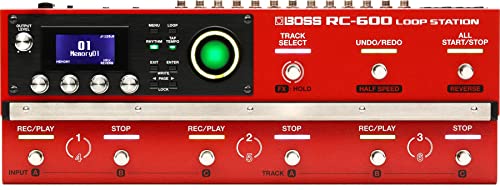
- Two XLR microphone inputs with phantom power
- Six stereo phrase tracks
- 99 phrase memories and rhythm guide
Best For: Performers needing advanced multi-track vocal and instrument looping
Best Vocal Looper

- XLR connector for microphones
- Automatic mic gain control
- Five-minute loops with unlimited overdubs
Best For: Vocalists and acoustic performers wanting simple microphone looping
Best Expandable Looper

- Six hours of recording time
- 99 memory slots and 50 rhythms
- HD display with MIDI control
Best For: Guitarists needing extended looping and MIDI integration
Best Rhythm Looper

- 110 drum grooves across 11 styles
- 160 minutes across 40 memory slots
- USB transfer with tap tempo and fade out
Best For: Guitarists wanting integrated drums and stereo looping
Best Budget Looper

- Nine loops and 40 minutes total recording
- 48 kHz/24-bit audio with unlimited overdubs
- Built-in tuner and USB WAV transfer
Best For: Affordable guitar looping with tuner support
Best for Live Simplicity

- Three loop slots with 90 minutes total recording
- Bright display for status and timing
- Unlimited overdubs with true bypass
Best For: Live performers building multiple song sections
Best Feature-Rich Option

- 300 minutes of stereo recording in 100 slots
- 220 drum grooves across 11 styles
- Headphone out, time stretch, and USB-C transfer
Best For: Extended looping, rhythm practice, and silent sessions
Best All-in-One Choice – Donner Arena 2000
If you want looper pedals with XLR input plus extensive amp and effects modeling, the Donner Arena 2000 packs a lot into one floor unit. Its 60-second looper works alongside drum rhythms, IR support, headphone practice, MIDI, and switchable 1/4-inch or XLR output for flexible stage use.
Best For: Guitarists who want a multi-effects rig with looping, rhythm backing, and XLR connectivity.
Pros:
- Includes 278 effect types, 80 amp simulations, and 100 IRs.
- Offers a 60-second looper and 40 drum rhythms for practice or one-person performances.
- Provides XLR L/R, MIDI, Aux In, USB-C, and headphone connectivity.
Cons:
- The looper is limited to 60 seconds.
- It requires corded power and does not include a battery compartment.
- Its broad feature set may take more time to learn than a dedicated looper.
The Arena 2000 is a strong fit when XLR support is only one part of your requirements. Choose it over a simpler looper if you also need modeling, effects, rhythms, and expression control in the same unit.
Best Simple Looper – BOSS RC-1 Loop Station
The BOSS RC-1 is a straightforward choice for basic looping, but it is not one of the looper pedals with XLR input. It uses stereo inputs and outputs and focuses on recording, overdubbing, playback, and easy loop control rather than microphone connectivity.
Best For: Guitar, bass, and keyboard players who want an uncomplicated stereo looper.
Pros:
- Offers 12 minutes of stereo recording time.
- The 24-segment LED indicator shows the current loop mode.
- Runs on an included 9-volt battery or an optional PSA-series AC adapter.
Cons:
- It does not provide an XLR input.
- It does not include built-in drum rhythms or effects modeling.
- The AC adapter is sold separately.
The RC-1 is best viewed as a reliable entry-level loop station, not an XLR-equipped vocal or microphone looper. Its simple controls and generous recording time make it suitable when stereo instrument looping is the priority.
Best for Dual-Track Performance – Sheeran Looper +
The Sheeran Looper + is a performance-focused alternative among looper pedals with XLR input, featuring a microphone input alongside stereo instrument inputs. Its four looping modes, full-color display, loop storage, and USB audio interface make it suitable for layered vocal and instrument performances.
Best For: Performers who need microphone and instrument looping with saved songs and multiple workflow options.
Pros:
- Includes a microphone input and stereo pair of 1/4-inch instrument inputs.
- Provides single, multi, sync, and song looping modes.
- Stores up to 128 loops with more than three hours of total audio.
- Can function as a 2-in/2-out USB audio interface for recording or streaming.
Cons:
- The listed microphone input is not specified as an XLR connector.
- It is relatively large and weighs 1.7 kg.
- Its one-year manufacturer warranty is shorter than some competing options.
This is a versatile choice for singers and instrumentalists, especially if loop saving and song-style performance matter. Verify the microphone connection format before buying if a physical XLR input is essential to your setup.
Best Professional XLR Looper – BOSS RC-600
For shoppers specifically seeking looper pedals with XLR input, the BOSS RC-600 is the most purpose-built option in this lineup. It includes two XLR microphone inputs with phantom power, six stereo phrase tracks, instrument/line inputs, phrase memories, and a rhythm guide for complex live arrangements.
Best For: Vocalists, instrumentalists, and performers who need multiple tracks and professional microphone connectivity.
Pros:
- Features two XLR microphone inputs with phantom power.
- Provides six stereo phrase tracks for layered arrangements.
- Includes two stereo instrument/line input pairs and 99 phrase memory presets.
- Adds a rhythm guide and dedicated input and track effects.
Cons:
- Its extensive controls may be more than casual loopers need.
- At 17.13 inches long and 2 kg, it is less compact than basic loop pedals.
- It requires corded power.
The RC-600 is the strongest match here for microphone-based looping and elaborate stage setups. Its six-track architecture and phantom-powered XLR inputs make it a better fit for serious live performers than compact single-loop stompboxes.
Best Vocal Looper – DITTO Mic Looper
TC Helicon DITTO MIC LOOPER Easy to Use Two-Button Looper Pedal for Vocals and Acoustic Instruments
Check Price On AmazonIf you are specifically comparing looper pedals with XLR input, the TC Helicon DITTO MIC LOOPER is the most direct fit here. Its automatic mic gain control and simple two-button layout are designed for vocals and acoustic instruments, making it approachable for live looping without a complicated setup.
Best For: Vocalists and acoustic performers who want a straightforward XLR microphone looper.
Pros:
- XLR connector for microphone-based looping.
- Automatic mic gain control simplifies setup.
- Offers up to five minutes of loop length with unlimited overdubs.
- Stop button supports noiseless loop clearing.
Cons:
- Its feature set is focused on simple looping rather than drum patterns or MIDI control.
- Main unit only is included.
Choose this model when ease of use and microphone compatibility matter more than extensive sequencing features. Its compact, focused design keeps vocal looping accessible.
Best Expandable Looper – NUX Loop Core Stereo
For shoppers researching looper pedals with XLR input, note that the NUX Loop Core Stereo is a feature-rich guitar looper but its supplied specifications list a 5-pin DIN connector rather than an XLR input. It stands out for extended recording, onboard rhythms, MIDI control, and a color display.
Best For: Guitarists and loop performers who prioritize long recording time, rhythm patterns, and MIDI-based control.
Pros:
- Provides up to six hours of recording time.
- Includes 99 memory slots and 50 rhythm patterns.
- HD color LCD screen makes parameters easier to view.
- Supports external MIDI control and USB connectivity.
Cons:
- The supplied details list a 5-pin DIN connector, not an XLR input.
- Its broader feature set may be more than beginners need for basic looping.
This is a strong choice for players building layered arrangements or integrating a looper into a MIDI setup. However, select a dedicated microphone looper if XLR input is essential.
Best Rhythm Looper – Donner Circle Looper
When comparing looper pedals with XLR input, the Donner Circle Looper is better understood as a stereo guitar looper and drum machine: its supplied connector details list 1/4-inch TRS and USB, not XLR. It adds practical rhythm support, onboard storage, and import/export functionality for structured practice or performance.
Best For: Guitarists who want a looper combined with drum grooves, metronome settings, and USB file transfer.
Pros:
- Combines stereo looping with a drum machine offering 110 grooves.
- Provides 40 memory slots and 160 minutes of total recording capacity.
- Includes a screen showing loop mode, progress, and timing.
- Supports USB import/export, tap tempo, and fade out.
Cons:
- The supplied connector details do not list an XLR input.
- Power adapter is not included.
- External footswitch support is available, but the footswitch is not included.
Consider the Circle Looper if rhythm backing and storage are more important than microphone connectivity. For an XLR-focused vocal setup, the TC Helicon model is the more direct match.
Best Budget Looper – LEKATO Looper with Tuner
If you want looper pedals with XLR input, note that this LEKATO model does not list an XLR connection; it uses USB and standard pedal connectivity instead. It offers a straightforward, compact setup with nine loops, up to 40 minutes of total recording, and a built-in tuner.
Best For: Guitarists who want an affordable looper with tuner functionality, USB file transfer, and simple one-knob volume control.
Pros:
- Nine loop slots with up to 10 minutes per single recording and 40 minutes total.
- 48 kHz/24-bit sampling with unlimited overdubbing.
- Built-in tuner and USB import/export for WAV loop files.
Cons:
- No XLR input is listed in the supplied specifications.
- Single-button foot control may require learning the different commands.
- Power supply is included, but the pedal requires a 9V, 0.6A connection.
The LEKATO is a practical choice for basic guitar looping and practice. Its tuner, visual time indicator, and USB workflow add useful features without making the pedal overly complicated.
Best for Live Simplicity – Donner Triple Looper
For shoppers comparing looper pedals with XLR input, the Donner Triple Looper is worth considering only if standard 1/4-inch audio is sufficient, since no XLR input is specified. Its bright display, three loop slots, and long recording capacity make it suitable for live looping and practice.
Best For: Performers who need multiple loop sections, clear visual feedback, and simple footswitch operation.
Pros:
- Three independent loop slots with up to 90 minutes of total recording time.
- Bright screen shows loop status, progress, and timing.
- Unlimited overdubs, undo/redo, auto-save, and true bypass.
Cons:
- No XLR input is listed; the supplied details specify 1/4-inch audio.
- The power supply requirement is 9V DC, and the product notes are inconsistent about whether an adapter is included.
- Its one-footswitch control may be less immediate for complex live arrangements.
The Donner emphasizes accessible live operation rather than extensive connectivity. Its screen and auto-save feature are especially useful for players building verse, chorus, and solo sections during performances.
Best Feature-Rich Option – FLAMMA FF20 Looper
Among looper pedals with XLR input, the FLAMMA FF20 stands out for its broader practice and performance toolkit, though its listed connections are 1/4-inch audio, 3.5mm audio, and USB-C rather than XLR. It combines stereo looping, a drum machine, extensive memory, and headphone output.
Best For: Guitarists and bassists who want long loop storage, built-in rhythms, silent practice, and detailed visual control.
Pros:
- Stores up to 300 minutes of stereo loops across 100 memory slots.
- Includes 220 drum grooves across 11 styles.
- Full-color screen, time stretch, auto record, USB-C transfer, and headphone output.
Cons:
- No XLR input is listed in the supplied specifications.
- The larger feature set may involve more menu navigation than a basic looper.
- It requires a 9V, 300mA power connection.
The FF20 is the most versatile option in this group for extended arrangements and rhythm-supported practice. Its headphone output and 100 memory slots also make it well suited to home use and preparation away from a full amplifier setup.
How We Picked the Best Looper Pedals with Xlr Input
We compared these pedals by looking at connection options, looping workflow, recording capacity, overdub controls, rhythm features, and suitability for vocals or instruments. For performers specifically seeking Looper Pedals with Xlr Input, input compatibility is especially important: some models are designed for microphones, while others use XLR for balanced output rather than microphone input.
We also considered practical live-use details such as footswitch layout, display visibility, undo and redo functions, stereo operation, MIDI support, onboard effects, and whether the pedal is simple enough to operate while performing.
Quick Comparison
- Best for simple guitar looping: BOSS RC-1.
- Best for vocal and acoustic performance: TC Helicon DITTO MIC LOOPER.
- Best for advanced live arrangements: BOSS RC-600.
- Best for dual-track looping: Sheeran Looper.
- Best for effects and broader pedalboard duties: Donner Arena 2000.
- Best for extended storage and rhythm backing: FLAMMA FF20 or Donner Circle Looper.
Key Buying Factors for Looper Pedals with Xlr Input
Check What the XLR Connection Does
Do not assume every pedal listing with “XLR” supports a microphone directly. Confirm whether the XLR connector is a mic input, balanced output, or part of an adapter or accessory setup. Vocalists should also check microphone level, phantom-power requirements, and whether a preamp is built in.
Choose the Right Loop Workflow
Basic loopers are often easiest for one repeating phrase and a few overdubs. More advanced loop stations provide separate tracks, phrase memories, quantization, undo and redo, or song-section control. Multiple tracks are useful when verses, choruses, drums, and harmonies need independent control.
Consider Capacity and Rhythm Tools
Recording time and memory slots matter if you perform a full set rather than short practice loops. Drum machines and rhythm patterns can provide a strong foundation, but check whether tempo changes, tap tempo, time signatures, and pattern transitions fit your music.
Match the Connections to Your Rig
Stereo outputs, MIDI, USB, auxiliary inputs, and external control can make a major difference in a larger setup. Guitarists using amplifiers or stereo effects may prefer stereo looping, while vocalists may prioritize clean microphone routing and straightforward foot control.
Who Should Buy Which Looper Pedals with Xlr Input?
Beginners should start with a clearly labeled one- or two-button pedal such as the BOSS RC-1. Vocalists and acoustic players should prioritize a model built around microphone use, such as the TC Helicon DITTO MIC LOOPER, while verifying the exact XLR input and power requirements.
Solo performers building complete arrangements will benefit from the BOSS RC-600 or Sheeran Looper’s expanded track control. Players who want drums and long-form storage should compare the FLAMMA FF20 and Donner Circle Looper. Guitarists wanting one pedal to handle effects and looping may prefer the Donner Arena 2000, while compact NUX, LEKATO, and Donner loopers suit players who value straightforward practice and pedalboard use.