A quality microphone preamp can make a noticeable difference when a dynamic microphone sounds weak, noisy, or difficult to drive. The right model adds clean gain without forcing you to overwork your interface or recorder.
These 10 options cover inline boosters, portable adapters, single-channel preamps, and multi-input designs. Use the guide below to match gain, phantom-power requirements, connectivity, and portability to your podcasting setup.
Best 10 Microphone Preamp for Podcasting Picks for 2026
Best Clean Gain Booster

- Adds up to +25 dB of clean gain
- Works with passive dynamic and ribbon microphones
- Phantom-powered XLR signal booster
Best For: Quiet passive microphones in podcast and studio setups
Best Flexible Gain Control

- 19–66 dB adjustable gain range
- XLR, TRS, and TS connectivity
- Type-C power with instrument input support
Best For: Creators recording microphones and instruments on a budget
Best for Mobile Recording
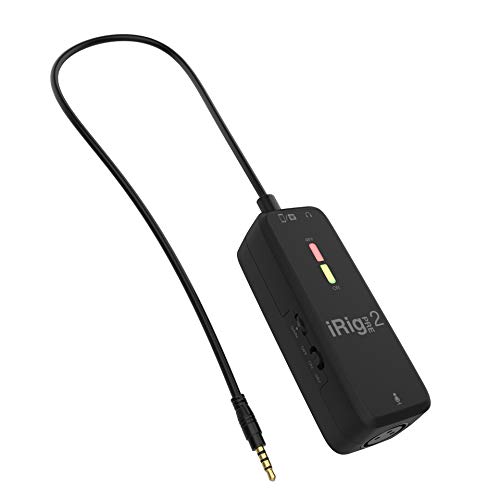
- Connects XLR mics to phones, tablets, and cameras
- Includes +48V phantom power
- Offers direct headphone monitoring
Best For: Portable podcasting, streaming, and voice recording
Best Compact Dynamic Mic Booster

- Adds +25 dB of gain for dynamic microphones
- Balanced XLR input and output
- Compact metal chassis with EMI/RFI shielding
Best For: Simple desktop, mobile, and live podcasting setups
Versatile Gain Hub
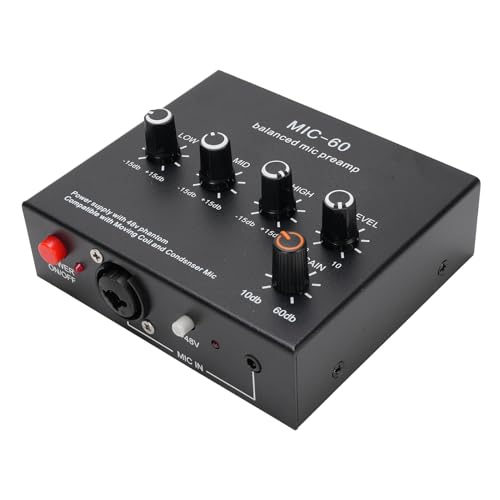
- Up to +60dB gain
- Three-channel input design
- XLR, 3.5mm, and 6.35mm connectivity
Best For: Flexible podcast, recording, and live-streaming setups
Clean Dual-Channel Booster

- Two channels with +25dB gain
- Designed for dynamic and passive ribbon mics
- Balanced XLR input and output
Best For: Two-mic podcasting with compatible passive microphones
Compact Studio Option

- Clean 20dB balanced gain
- Supports dynamic and condenser microphones
- Compact low-noise metal housing
Best For: Simple home podcasting and streaming setups
Best Dynamic Mic Booster

- Adds up to 29dB of gain
- Metal, interference-shielded housing
- For dynamic and ribbon mics only
Best For: Low-output dynamic or ribbon microphone setups
Best Rechargeable Two-Input Option

- 20dB balanced gain
- Supports dynamic and condenser mics
- Compact rechargeable design
Best For: Portable podcasting and live-streaming setups
Best High-Gain Versatility

- Up to 75dB of gain
- Stated -120dB EIN performance
- XLR and dual 3.5mm outputs
Best For: Quiet-source recording with flexible connections
Best Clean Gain Booster – Cloudlifter CL-1
If you need a microphone preamp for podcasting with a passive dynamic or ribbon microphone, the Cloudlifter CL-1 is a focused signal-boosting solution. It uses +48V phantom power to provide up to 25 dB of gain without passing phantom power to the microphone.
Best For: Podcasters, streamers, and home-studio users working with quiet passive microphones and a compatible phantom-powered input.
Pros:
- Adds up to +25 dB of ultra-clean gain.
- Designed to reduce unwanted noise while improving signal strength and clarity.
- Compatible with passive dynamic and ribbon microphones, including tube- or battery-driven microphones.
Cons:
- It is a single-channel booster rather than a complete recording interface.
- Requires a microphone input that supplies phantom power.
The CL-1 makes the most sense when your existing interface or mixer sounds noisy at higher gain settings. Its simple XLR design keeps the setup straightforward, though it does not replace the need for an audio interface or mixer.
Best Flexible Gain Control – RO03 Mic Preamp
The RO03 is a versatile microphone preamp for podcasting when you want adjustable gain, multiple connection options, and support for microphones or instruments. Its gain range is 19–66 dB, and the updated design is intended to maintain low noise at practical settings.
Best For: Budget-conscious creators who need a flexible preamp for dynamic, condenser, ribbon, or instrument sources.
Pros:
- Offers variable gain from 19 to 66 dB.
- Supports XLR, TRS, and TS connections with +4 dBu and -10 dBV output options.
- Uses Type-C power and includes a 1MΩ instrument input impedance for improved DI performance.
Cons:
- The two input ports cannot be used simultaneously.
- The manufacturer recommends connecting to an audio interface’s TRS line input for the lowest noise.
With its broad gain range and instrument compatibility, the RO03 is more adaptable than a dedicated inline booster. It may require careful cable selection and routing to get the cleanest results in a podcasting chain.
Best for Mobile Recording – IK Multimedia iRig Pre 2
The iRig Pre 2 is a portable microphone preamp for podcasting, streaming, and voice recording on phones, tablets, and cameras. It combines an XLR input, adjustable gain, switchable +48V phantom power, and direct headphone monitoring in a compact adapter.
Best For: Mobile podcasters, field recordists, and creators connecting an XLR microphone to iOS, Android, or compatible camera equipment.
Pros:
- Connects XLR microphones to mobile devices and cameras.
- Provides +48V phantom power for condenser microphones.
- Includes a headphone output for real-time, low-latency monitoring.
Cons:
- It has one channel and is designed for portable setups rather than multi-microphone podcasting.
- Its plastic enclosure may be less rugged than a metal desktop preamp.
The iRig Pre 2 is a practical choice when portability matters more than a larger studio-style control set. Its broad device compatibility and headphone monitoring make it particularly useful for recording away from a desk.
Best Compact Dynamic Mic Booster – StudioMan CL-100
The StudioMan CL-100 is a compact microphone preamp for podcasting with dynamic and passive ribbon microphones. It adds 25 dB of gain through balanced XLR connections and uses a metal chassis designed for desk, mobile, or live-sound setups.
Best For: Podcasters and streamers who want a straightforward inline booster for a dynamic microphone and an audio interface or mixer.
Pros:
- Provides +25 dB of clean gain for low-level microphone signals.
- Uses standard balanced XLR input and output connections.
- Compact metal housing offers EMI/RFI shielding and portable durability.
Cons:
- It is specifically positioned for dynamic and passive ribbon microphones rather than a broad range of sources.
- It requires 48V phantom power from the connected system.
The CL-100 keeps the signal-boosting task simple and adds a durable, desk-friendly enclosure. It is best viewed as an inline gain stage, not a full interface with controls for monitoring or multiple channels.
Versatile Gain Hub – 3-Input 48V Microphone Preamp
If you need a flexible microphone preamp for podcasting, this VBESTLIFE model offers up to 60dB of gain, 48V power, and several input and output options. Its three-channel design makes it suitable for recording, streaming, and multi-device setups.
Best For: Home studios, podcasting, vocal recording, and live streaming setups needing broad connectivity.
Pros:
- Up to +60dB of gain with low distortion and minimal latency.
- Supports dynamic and condenser microphones with 48V power.
- Provides XLR balanced, 3.5mm, and 6.35mm connections for flexible routing.
- Compact black metal housing helps reduce interference.
Cons:
- Its many connection options may be more than a simple one-microphone podcast setup needs.
- The manufacturer warranty is listed as 90 days.
This is a practical choice when you want substantial gain and multiple routing options in a compact enclosure. It is especially useful for creators who may expand beyond a basic podcasting chain.
Clean Dual-Channel Booster – StudioMan CL-200 XLR Preamp
The StudioMan CL-200 is a focused microphone preamp for podcasting that adds 25dB of clean gain to dynamic and passive ribbon microphones. Its dual-channel XLR design is a good fit when you record two compatible microphones or want a straightforward professional signal path.
Best For: Two-microphone podcasting, voice-over, studio recording, and live sound with dynamic or passive ribbon microphones.
Pros:
- Dual channels provide simultaneous processing for two microphone signals.
- +25dB gain is designed to strengthen weak passive microphone outputs.
- Balanced XLR input and output support professional audio connections.
- Uses 48V phantom power from a mixer, interface, or preamp and includes a one-year warranty.
Cons:
- It cannot pass phantom power to condenser microphones.
- It is specifically intended for dynamic and passive ribbon microphones, limiting microphone compatibility.
- The mic-to-booster cable is recommended to be shorter than 30 feet.
Choose the CL-200 when clean, moderate gain and two-channel XLR operation matter more than broad microphone compatibility. It is not the right match for a condenser-microphone podcasting setup.
Compact Studio Option – 20dB 48V Microphone Preamp
This compact model is a straightforward microphone preamp for podcasting that supplies 20dB of balanced gain and supports both dynamic and condenser microphones. Its low-noise circuit and small metal case make it convenient for home recording and streaming setups.
Best For: Podcasters and streamers wanting a small, simple gain boost for dynamic or condenser microphones.
Pros:
- Provides clean, transparent 20dB amplification.
- 48V power supports both dynamic and condenser microphones.
- Fully balanced circuitry is designed for low noise and no added coloration.
- Lightweight black metal housing is easy to carry and helps reduce interference.
Cons:
- Its 20dB gain is lower than some higher-gain preamp options.
- The supplied details identify an XLR output but do not list broader connection options.
This preamp suits buyers who want a compact, uncomplicated boost rather than extensive routing or multiple channels. It offers useful flexibility for basic podcast and home-studio microphone chains.
Best Dynamic Mic Booster – StudioMan DPM1
If you need a microphone preamp for podcasting with a low-output dynamic or ribbon microphone, the StudioMan DPM1 adds up to 29dB of gain before the signal reaches your interface. Its compact XLR design is aimed at improving headroom while avoiding the need to turn a noisy interface preamp all the way up.
Best For: Podcasters and streamers using compatible dynamic or ribbon microphones with an interface, mixer, or other device that supplies 48V phantom power.
Pros:
- Adds up to 29dB of clean, transparent gain.
- Metal housing helps with durability and interference shielding.
- Compact, plug-and-play XLR connection.
Cons:
- Not designed for condenser microphones.
- Requires 48V phantom power, which is not included.
- Power does not pass through to the microphone.
The DPM1 is a focused solution for quiet dynamic microphones rather than a universal preamp. Confirm that your setup provides phantom power and that your microphone is compatible before buying.
Best Rechargeable Two-Input Option – High-Gain Mic Booster
This microphone preamp for podcasting combines 20dB of balanced gain with two inputs, 48V power, and an XLR output. Its rechargeable, compact design can suit home studios, recording setups, podcasts, and live streams where portability matters.
Best For: Creators who want a portable preamp with support for both dynamic and condenser microphones.
Pros:
- Supports dynamic and condenser microphones.
- Provides 20dB of clean, transparent gain.
- Rechargeable and lightweight for easier transport.
- Balanced circuit and metal casing are designed for low-noise operation.
Cons:
- The supplied notes do not specify battery runtime.
- Provides less stated gain than the highest-gain option in this roundup.
- Only an XLR output is specified.
With its broad microphone compatibility and rechargeable format, this model is a practical middle ground for mobile or small-studio podcasting. Check your cable and output requirements before purchase.
Best High-Gain Versatility – JCANOL MIC-1
For demanding microphone preamp for podcasting setups, the JCANOL MIC-1 offers up to 75dB of gain and a stated -120dB EIN noise performance. It also adds balanced XLR and dual 3.5mm outputs, giving podcasters more ways to connect microphones and compact recording devices.
Best For: Podcasters recording with quiet dynamic or condenser microphones who need substantial gain and flexible output connections.
Pros:
- Offers up to 75dB of clean, transparent gain.
- Stated -120dB EIN ultra-low-noise performance.
- Supports dynamic and condenser microphones with 48V phantom power.
- Provides balanced XLR plus 3.5mm mic and line outputs.
Cons:
- The two input ports cannot operate simultaneously.
- Its broader feature set may be more than a simple one-input setup needs.
- Input and output requirements should be checked for compatibility with your existing gear.
The MIC-1 stands out when gain range and connection flexibility are priorities. Its dual output formats may be especially useful for moving between a conventional interface and more compact audio devices.
How We Picked the Best Microphone Preamp for Podcasting
We focused on the specifications that matter most for spoken-word recording: available gain, noise performance, input and output compatibility, phantom-power handling, channel count, construction, and ease of use. The selection includes simple inline activators for dynamic microphones as well as fuller preamp boxes for creators who need multiple inputs or broader microphone support.
Because a preamp sits between the microphone and recording device, system compatibility is essential. A gain booster may require phantom power from an interface or mixer, while a portable adapter may provide its own power and connect directly to a phone, tablet, camera, or computer.
Quick Comparison
| Type | Best For | Main Advantage | Watch For |
|---|---|---|---|
| Inline mic activator | Low-output dynamic or ribbon mics | Simple, clean gain boost | Usually needs phantom power |
| Single-channel preamp | Solo podcasting and voiceover | Compact and straightforward | Limited expansion |
| Two-channel preamp | Interviews and co-hosts | Supports two microphones | More cables and setup space |
| Portable mic adapter | Mobile or camera recording | Flexible device compatibility | May have fewer controls |
| Multi-input preamp | Flexible home-studio rigs | More connection options | Quality varies by model |
Key Buying Factors for a Microphone Preamp for Podcasting
Gain and Noise
Dynamic microphones commonly need substantial clean gain, especially when used close to a quiet speaker. Look for enough headroom to reach a healthy recording level without maxing out the control. Low equivalent input noise, often listed as EIN, helps preserve detail during quieter speech.
Microphone and Power Compatibility
Confirm whether the preamp supports dynamic, condenser, and ribbon microphones. Condenser microphones generally need 48V phantom power. Passive ribbon microphones require extra care: verify the manufacturer’s guidance before enabling phantom power, particularly with unusual cables or faulty wiring.
Connections and Channel Count
Match the preamp’s XLR inputs and outputs to your interface, mixer, camera, phone adapter, or recorder. One channel is sufficient for solo work; two channels are more practical for interviews. Output options such as 3.5mm or 6.35mm can be useful, but adapters may affect cable management and signal routing.
Portability and Controls
For travel, prioritize compact construction, simple power requirements, and a secure housing. At a desk, larger controls and visible gain adjustment may be more convenient. Rechargeable models can simplify mobile recording, but battery life and charging requirements should be checked before a remote session.
Who Should Buy Which Microphone Preamp for Podcasting?
Solo podcasters with a dynamic microphone: Choose a quiet inline booster or single-channel preamp with sufficient gain and XLR connectivity.
Interview and co-host setups: A two-channel unit can reduce the need for extra hardware and make two-microphone recording more convenient.
Mobile creators: Select a portable mic adapter designed for your phone, tablet, camera, or computer, and confirm connector and operating-system compatibility.
Condenser-microphone users: Prioritize dependable 48V phantom power and a suitable XLR signal path.
Growing home studios: Consider a model with multiple inputs and flexible outputs so it can remain useful as your podcasting equipment expands.