The best microphone preamps for audiophiles can add clean gain, useful tonal character, or both—without becoming the weak link in an otherwise carefully chosen recording chain.
This roundup compares 10 options across studio preamps, channel strips, tube designs, and inline activators so you can match the circuit, features, and gain range to your microphones and listening priorities.
Best 10 Microphone Preamps for Audiophiles Picks for 2026
Flexible Tube/Solid-State Choice
Universal Audio 710 Twin-Finity

- Blends 310V Class-A tube and solid-state tones
- Dual gain stages cover clean through crunchy sounds
- Includes a 2.2M-ohm Hi-Z JFET DI
Best For: Tone-shaping enthusiasts recording microphones and instruments
Variable Valve Character

- Uses tube amplification for a warm sound profile
- Provides variable input impedance and valve voicing
- Automatically switches between instrument and mic use
Best For: Studios wanting adjustable tube coloration
Dual-Channel Neve Craft
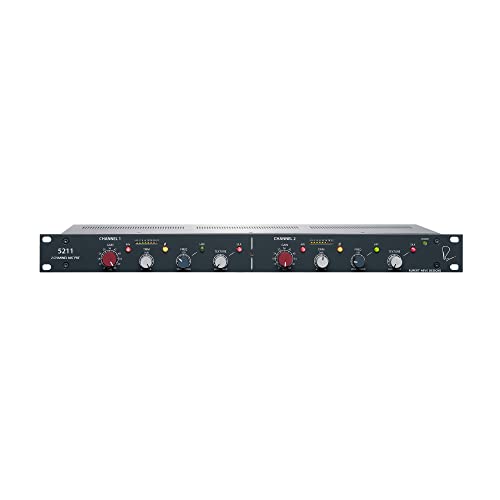
- Offers two microphone preamp channels
- Includes a high-pass filter
- Adds tonal control through the Silk circuit
Best For: Stereo recording and two-microphone sessions
Clean Gain Booster
Cloudlifter CL-1 Mic Activator

- Adds up to 25 dB of clean gain
- Protects passive mics from phantom power
- Compact XLR design for studio and podcast use
Best For: Passive ribbons and quiet microphones needing extra gain
Classic Color

- One-channel mic, line, and instrument preamp
- Warm, full-bodied sound profile
- Balanced output with XLR and 1/4-inch connectors
Best For: Single-source recording with a warm tonal character
Hybrid Flexibility

- Two-channel hybrid tube and solid-state design
- Tube-drive control with 12AX7 gain stage
- Includes phantom power, pad, filter, and polarity reversal
Best For: Dual-source or stereo recording with adjustable tonal character
Detailed Tone Shaping
Behringer ULTRAGAIN PRO MIC2200
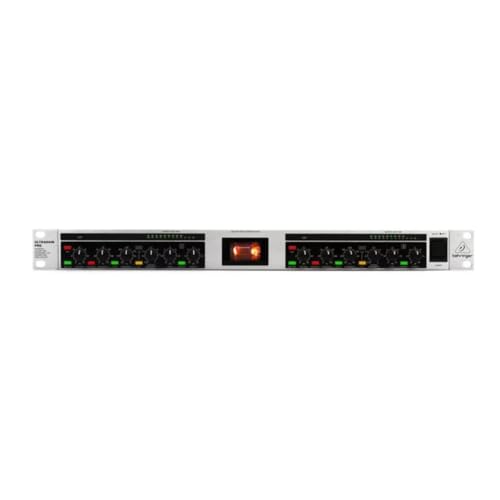
- 12AX7 tube with discrete microphone input stage
- 10 Hz to 200 kHz stated bandwidth
- Built-in fully parametric EQs and line driver
Best For: Tube preamplification with integrated signal shaping
Versatile Channel Strip

- Integrated compression, de-essing, enhancement, and gating
- Balanced or unbalanced mic and line connectivity
- Rack-mountable 1U design with loop-out and metering
Best For: Vocal and instrument setups needing built-in processing
Warm-Sounding Gain Stage
Golden Age Project PRE-73 MKIII

- Up to 80 dB of microphone gain
- Warm, rich, full-bodied sound profile
- Includes DI, phantom power, impedance switching, and LED metering
Best For: Characterful single-channel recording and DI setups
Compact Inline Booster
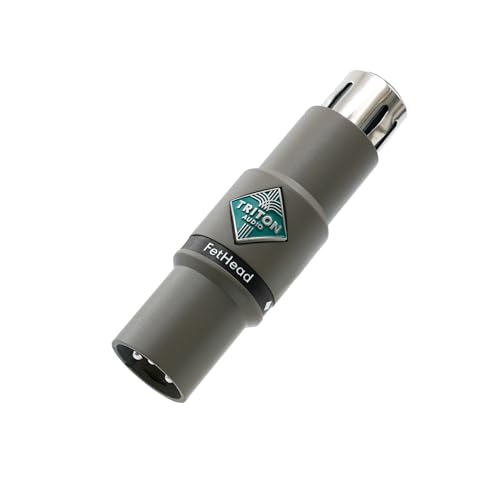
- Low-noise Class-A JFET amplifier
- Shielded enclosure with four matched JFETs
- Lightweight inline form factor
Best For: Compact microphone chains needing additional gain
Flexible Tube/Solid-State Choice – Universal Audio 710 Twin-Finity
For audiophiles seeking microphone preamps with tonal flexibility, the Universal Audio 710 Twin-Finity combines a 310-volt Class-A tube path with a trans-impedance solid-state path. Its tone-blending design lets you move from warm and clear to aggressive and distorted, while the built-in Hi-Z DI supports instruments such as guitar.
Best For: Recording engineers who want blended tube and solid-state tones from one hybrid preamp.
Pros:
- Blends tube and solid-state preamp sounds with phase-aligned tone control.
- Offers dual gain stages for clean, creamy, or crunchier textures.
- Includes a discrete JFET DI with 2.2M-ohm ultra-high impedance.
Cons:
- Its larger 12-by-16-by-6-inch chassis may require substantial space.
- The hybrid design may be more control than users seeking a simple, fixed-color preamp need.
The 710 stands out when you want one recording front end that can cover transparent, warm, and driven sounds while also accepting a guitar or other Hi-Z source.
Variable Valve Character – ART TPS II Tube Preamplifier
The ART TPS II is a practical choice among microphone preamps for audiophiles who prefer tube warmth with adjustable input behavior. It provides variable input impedance, Variable Valve Voicing, LED metering, and automatic switching between instrument and microphone preamp operation.
Best For: Home and project studios that want a warm tube-based preamp with flexible input controls.
Pros:
- Variable input impedance helps accommodate different sources.
- Variable Valve Voicing provides additional control over tube character.
- Supports both microphone and instrument preamp use.
- Offers a 5 Hz–50 kHz stated frequency response and output protection limiter.
Cons:
- Its tube-based sound profile is less suited to users seeking strictly neutral amplification.
- The rack-style 19-inch-wide chassis may not suit compact setups.
With its adjustable voicing, metering, and dual microphone/instrument functionality, the TPS II is a versatile warm-sounding option for studios that value tube coloration.
Dual-Channel Neve Craft – Rupert Neve Designs 5211
The Rupert Neve Designs 5211 is a focused option for audiophiles who need two microphone channels in a single unit. Its supplied features include a high-pass filter and Silk circuit, giving users useful input shaping and tonal control in a two-channel microphone preamp.
Best For: Stereo recording, dual-microphone sessions, and studios needing two matched-style preamp channels.
Pros:
- Provides two microphone preamp channels in one unit.
- Includes a high-pass filter for low-frequency management.
- Silk circuit adds an additional tonal-shaping option.
Cons:
- The supplied notes do not specify metering, DI capability, or detailed connectivity.
- Its approximately 10-pound, rack-style form factor may be excessive for a one-channel setup.
The 5211 is best considered when two-channel microphone capture and straightforward high-pass and Silk controls matter more than extensive multifunction features.
Clean Gain Booster – Cloudlifter CL-1 Mic Activator
The Cloudlifter CL-1 is a compact companion for microphone preamps for audiophiles who need more clean gain from a passive microphone. Powered by +48V phantom power, it can provide up to 25 dB of gain without passing phantom power to the microphone, making it suitable for passive ribbons and other quiet sources.
Best For: Passive ribbon microphones, quiet vocals, podcasts, voiceovers, and setups needing extra signal strength before the main preamp.
Pros:
- Adds up to 25 dB of stated ultra-clean microphone gain.
- Uses phantom power while isolating passive microphones from phantom power.
- Compact XLR unit designed for studio, podcasting, streaming, and live use.
- Can help increase microphone clarity and signal strength.
Cons:
- It is a one-channel activator rather than a complete standalone preamp.
- Requires a compatible microphone input with +48V phantom power.
- It is intended for passive microphones and is not a general replacement for a full preamp.
The CL-1 makes the most sense when an existing interface or preamp lacks sufficient clean gain, particularly with passive ribbons or other low-output microphones.
Classic Color – Warm Audio WA73
The Warm Audio WA73 is a focused one-channel option for audiophiles seeking microphone preamps with a warm, full-bodied sound profile. Its mic, line, and instrument compatibility makes it useful in a compact recording setup.
Best For: Vocal, instrument, and single-source recording where a warm tonal character is preferred.
Pros:
- Supports microphone, line, and instrument signals.
- Provides a warm, full-bodied sound profile.
- Offers balanced line-level output with XLR and 1/4-inch connectivity.
- Uses a metal enclosure and includes a two-year limited warranty.
Cons:
- Only one output channel is provided.
- It requires corded electric power.
The WA73 is a straightforward choice when tonal warmth and flexible input support matter more than multichannel operation. It is best suited to listeners and recordists who want a dedicated single-channel preamp.
Hybrid Flexibility – PreSonus BlueTube DP v2
The PreSonus BlueTube DP v2 combines tube and solid-state gain stages for audiophiles comparing microphone preamps with adjustable tonal character. Its two channels, phantom power, and instrument-ready combo inputs support more varied recording tasks.
Best For: Stereo or dual-source recording that benefits from selectable solid-state and tube-style gain behavior.
Pros:
- Provides two channels in a compact 1/2U rack-mount chassis.
- Combines 12AX7 tube and solid-state gain stages.
- Includes 48V phantom power, an 80 Hz high-pass filter, pad, and polarity reversal.
- Offers tube-saturation control and an illuminated analog VU input meter.
Cons:
- Its sound can range from warm to distorted, which may not suit every source.
- It uses a separate DC power supply.
With dual paths and practical input controls, the BlueTube DP v2 is a versatile hybrid preamp for users who want to vary gain-stage character. The compact format also suits smaller racks and project studios.
Detailed Tone Shaping – Behringer ULTRAGAIN PRO MIC2200
Behringer ULTRAGAIN PRO MIC2200 Audiophile Vacuum Tube Microphone/Line Preamplifier
Check Price On AmazonThe Behringer ULTRAGAIN PRO MIC2200 is aimed at audiophiles who want microphone preamps with tube coloration and built-in tone-shaping control. Its discrete input stage, 12AX7 tube, and parametric EQs provide a feature-rich approach to microphone and line processing.
Best For: Users who want tube-based preamplification plus detailed frequency, bandwidth, and level adjustment.
Pros:
- Uses a hand-selected 12AX7 tube for a described musical sound.
- Features a discrete microphone input stage and ultra-low-noise design.
- Provides ultra-wide 10 Hz to 200 kHz bandwidth.
- Includes fully parametric EQs and an independent line driver.
Cons:
- The supplied notes list a USB Type-A connector, which may require checking system compatibility.
- The unit’s extensive EQ controls may be more than a simple preamp setup needs.
- The supplied notes do not specify the output channel quantity.
The MIC2200 stands out for combining tube-based microphone amplification with onboard parametric EQ. It is a practical fit when shaping the signal at the preamp stage is as important as adding tube character.
Versatile Channel Strip – dbx 286s Microphone Preamp
For audiophiles who want more than basic gain, the dbx 286s combines a microphone preamp with four independent processing sections. Its compression, de-esser, enhancer, and expander/gate make it a practical front-end for shaping vocals, instruments, or other connected sources.
Best For: Vocalists, home studios, and rack-based setups needing integrated dynamics and tone processing.
Pros:
- Combines mic preamp, compressor, de-esser, enhancer, and expander/gate in one unit.
- Accepts balanced or unbalanced microphone and line-level connections.
- Includes loop-out and insert connectivity for additional processors.
- Rack-mountable 1U design with status and level LEDs.
Cons:
- Single-channel design limits simultaneous processing capacity.
- Its extensive processing may be more than users seeking a simple, transparent preamp need.
- Operation requires corded power.
The dbx 286s is a feature-rich choice among microphone preamps for audiophiles who value hands-on signal shaping. It is particularly useful when vocal clarity, dynamics, and sibilance control need to be addressed before recording or mixing.
Warm-Sounding Gain Stage – Golden Age Project PRE-73 MKIII
The Golden Age Project PRE-73 MKIII is a single-channel mic and line preamp designed for users who prefer a warm, rich, full-bodied sound profile. With up to 80 dB of microphone gain, it offers substantial level control for recording and DI applications.
Best For: Audiophile recording chains seeking a warm-toned, single-channel preamp with flexible input options.
Pros:
- Provides up to 80 dB of microphone gain.
- Offers a warm, rich, full-bodied sound profile.
- Includes LED output metering, switchable impedance, phantom power, and DI functionality.
- Uses a solid-state amplifier design and includes a 2-year warranty.
Cons:
- Single-channel architecture is less suitable for stereo recording.
- The warm voicing may not suit listeners seeking a strictly neutral presentation.
- It is a corded, standalone unit rather than a compact inline accessory.
With its high gain range and deliberately warm sound profile, the PRE-73 MKIII stands out for character-focused recording. Its impedance, phantom-power, and DI controls add useful flexibility without moving beyond a focused single-channel design.
Compact Inline Booster – Triton Audio FetHead
The Triton Audio FetHead is a compact inline microphone preamp for setups that need additional gain without adding a full rack unit. Its low-noise Class-A JFET amplifier, shielded enclosure, and matched JFETs make it a streamlined option for compatible microphone chains.
Best For: Audiophiles and recording users wanting a small, low-noise inline gain solution.
Pros:
- Uses a low-noise Class-A JFET amplifier design.
- Employs a shielded enclosure and four matched JFETs.
- Compact 5.05 x 1.25 x 1.2-inch form factor weighs 2.72 ounces.
- Inline format adds gain without requiring a larger channel-strip chassis.
Cons:
- Provides fewer controls and features than a full standalone preamp.
- Its inline format may be less suitable for users needing metering, EQ, or dynamics processing.
- Compatibility and system power requirements should be checked before purchase.
The FetHead is best viewed as a space-saving gain accessory rather than a complete recording channel. For microphone preamps for audiophiles, it offers a focused low-noise design when compactness and simple inline operation matter most.
How We Picked the Best Microphone Preamps for Audiophiles
We focused on products that address real recording and playback-system needs: low-noise gain, useful headroom, appropriate input impedance, build quality, and practical connectivity. The selection includes single- and dual-channel units, transformer-colored designs, tube circuits, channel strips, and inline boosters for passive ribbon or low-output dynamic microphones.
We also considered flexibility. A preamp may be technically excellent yet poorly suited to a two-channel interface, a compact vocal setup, or a system that needs more than microphone gain. Features such as instrument inputs, variable impedance, compression, filtering, phantom power, and DI capability can matter as much as headline specifications.
Quick Comparison
| Type | Best For | What to Look For |
|---|---|---|
| Clean studio preamp | Accurate capture and mastering-conscious systems | Low noise, high headroom, transparent gain |
| Transformer or tube preamp | Vocal, guitar, and instrument character | Drive control, tonal flexibility, transformer quality |
| Channel strip | All-in-one tracking and spoken-word work | Compression, de-essing, gating, and routing |
| Inline activator | Low-output dynamic and passive ribbon microphones | Clean boost, phantom-power requirements, low added noise |
Key Buying Factors for Microphone Preamps for Audiophiles
Gain, Noise, and Headroom
Choose enough gain to reach healthy recording levels without operating near the preamp’s limit. Passive ribbons and quiet sources often need substantially more gain than condenser microphones. Low self-noise and generous headroom are especially important when recording delicate acoustic material or using substantial post-production gain.
Sound Character and Circuit Design
Transparent preamps aim to preserve the microphone’s response, while transformer and tube designs may add harmonic color, density, or saturation. Neither approach is universally better. Select clean circuitry for maximum neutrality, or choose variable coloration when you want a preamp to become part of the sound.
Inputs, Outputs, and System Fit
Confirm whether you need one channel or two, line-level outputs, an instrument input, balanced connections, or an interface with suitable line inputs. Do not connect a standalone preamp into an interface’s microphone input unless the routing and gain staging are designed for it; a line input is usually the appropriate destination.
Useful Controls and Features
Variable impedance, polarity reversal, high-pass filtering, phantom power, pad switches, and metering can make a preamp easier to integrate. Channel strips add processing that can be convenient during tracking, but dedicated processors may offer greater flexibility later.
Who Should Buy Which Microphone Preamps for Audiophiles?
Choose a clean, high-headroom design if you value accurate capture, acoustic recordings, or a neutral reference chain. Choose a tube or transformer-style preamp if you want selectable warmth, harmonic texture, or a more forward vocal and instrument sound.
Choose a channel strip if you need compression, de-essing, enhancement, or gating in one rack unit. Choose an inline activator when your existing interface or mixer sounds good but lacks sufficient clean gain for a passive ribbon or low-output dynamic microphone. Before buying, verify phantom-power compatibility, gain requirements, and connector type for the complete signal path.