Capturing a rehearsal properly means more than just pressing record. You need enough inputs, solid monitoring, and a workflow that keeps the session moving instead of interrupting it.
This roundup of the best multitrack recorder for rehearsal room options in 2026 focuses on practical gear for bands, singers, and small ensembles that want reliable takes and simple playback review.
Best 10 Multitrack Recorder for Rehearsal Room Picks for 2026
Band-Ready Multitrack Hub
Zoom LiveTrak L-12 12-Input/14-Track Recorder

- Records up to 14 tracks at 24-bit/96kHz to SD card
- Five powered headphone outputs with individual monitor mixes
- USB interface support for DAW recording or streaming
Best For: Bands needing full-room rehearsal recording and personal monitor mixes
Touchscreen Rehearsal Recorder
Zoom R20 16-Track Tabletop Recorder
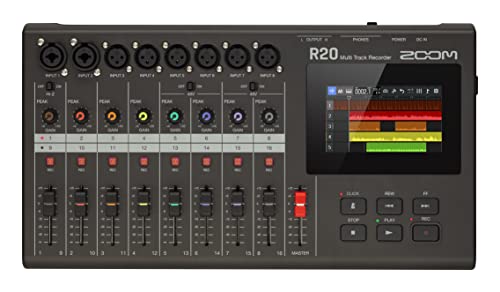
- Touchscreen lets you record, edit, and mix without a computer
- Records up to 16 tracks, with 8 simultaneously
- Built-in EQ, compression, drum loops, and synth sounds
Best For: Small bands and writers who want self-contained recording and editing
Compact Studio Mixer
Tascam Model 12 Multitrack Recording Studio

- 12-track recording with 12 in/10 out USB audio interface
- 1-knob compression and 3-band EQ on every input
- Dual headphone outputs with independent level and source control
Best For: Rehearsal rooms that want mixer control and DAW connectivity
Portable Band Recorder
Zoom LiveTrak L-8 Battery Mixer/Recorder

- Captures 12 tracks simultaneously at 24-bit/96kHz to SD card
- Four headphone outputs with three independent monitor mixes
- Battery powered and can record to SD card plus computer at once
Best For: Small bands needing portable rehearsal recording and flexible monitoring
Compact Multitrack Sketchpad
Zoom R8 8-Track Tabletop Recorder

- Records up to 8 tracks simultaneously
- Built-in stereo condenser microphones
- USB audio interface in a small tabletop unit
Best For: Small bands capturing rehearsals and demos
Full Band Rehearsal Hub
Zoom LiveTrak L-20 Mixer Recorder
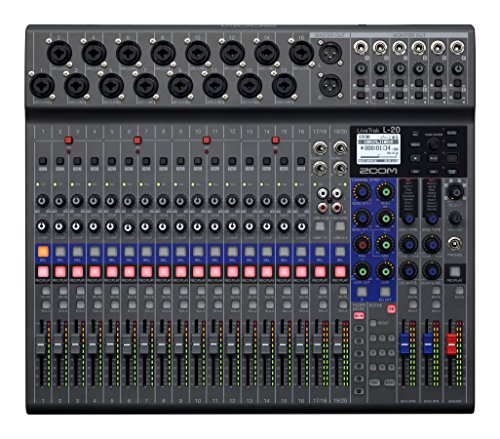
- Records 22 tracks with 20 inputs
- Six independent monitor mixes
- Works as a USB audio interface
Best For: Larger bands and rehearsal studios
Portable Idea Catcher
Zoom R12 Battery-Powered Recorder

- Up to 8 tracks with touchscreen editing
- Runs on AA batteries for portability
- USB-C interface with drum loops and synths
Best For: Portable rehearsals and quick demo recording
Studio-Ready Room Capture
Zoom H6 Studio 8-Track Handheld Recorder

- Records up to 6 individual tracks plus stereo mix
- 32-bit float helps prevent clipping in loud rehearsals
- 4 XLR/TRS inputs plus large built-in stereo mics
Best For: Bands and rehearsal rooms needing flexible multitrack capture
Layer-Friendly Portable Recorder
Zoom R4 4-Track Multitrack Recorder

- Up to 4 tracks with bounce-to-track workflow
- 32-bit float recording keeps levels worry-free
- 2 XLR/TS combo inputs plus built-in rhythms
Best For: Songwriters and small rehearsal setups
Simple Capture for Bigger Sessions
Zoom H4 Essential 4-Track Recorder

- 4-track 32-bit float recording for safer levels
- 2 XLR/TRS inputs plus built-in stereo microphones
- USB-C audio interface and SD card backup
Best For: Bands and creators needing simple, dependable rehearsal capture
Band-Ready Multitrack Hub – Zoom LiveTrak L-12 12-Input/14-Track Recorder
If you want a multitrack recorder for rehearsal room use that can capture the whole band without a laptop, the Zoom LiveTrak L-12 is built for that workflow. It records directly to SD card, handles up to 14 tracks at 24-bit/96kHz, and gives performers their own monitor mixes so rehearsals stay focused.
Best For: Bands that need full-rehearsal recording, multiple headphone mixes, and simple no-computer operation.
Pros:
- Records up to 14 tracks at 24-bit/96kHz directly to SD card
- Five powered headphone outputs with five separate monitor mixes
- -128dBu EIN preamps with up to +60dB of gain
- USB interface support for DAW recording or live streaming
Cons:
- Physically larger than compact tabletop recorders
- Battery-powered use is available, but corded operation is the default setup
The L-12 is a strong rehearsal-room centerpiece if you need multitrack capture and monitoring in one box. Its combination of direct-to-SD recording, flexible USB connectivity, and multiple headphone mixes makes it practical for bands that rehearse often and want usable takes right away.
Touchscreen Rehearsal Recorder – Zoom R20 16-Track Tabletop Recorder
The Zoom R20 suits a rehearsal room where you want a multitrack recorder for rehearsal room work without opening a computer. Its touchscreen interface lets you record, edit, and mix directly on the unit, while the 16-track project capacity and onboard tools help you turn rehearsal takes into workable demos.
Best For: Players and small bands who want a hands-on recorder with editing built in.
Pros:
- Records up to 16 tracks, with 8 tracks simultaneously
- Touchscreen workflow for recording, editing, and mixing on the device
- Built-in EQ, compression, drum loops, and an onboard synth
- USB audio interface support for computer workflows
Cons:
- Maximum sample rate is 44.1 kHz, not 96 kHz
- Fewer live monitor outputs than larger band-focused mixers
The R20 is a practical pick when the goal is fast rehearsal capture and quick edits rather than a full mixer-heavy setup. If you want to sketch songs, clean up takes, and keep the workflow self-contained, it offers a lot in a compact format.
Compact Studio Mixer – Tascam Model 12 Multitrack Recording Studio
The Tascam Model 12 is a straightforward choice if your rehearsal room needs a multitrack recorder for rehearsal room sessions plus a mixer and interface in one desk. It combines 12-channel recording with DAW connectivity, onboard compression, EQ, and monitoring features that fit a working band setup.
Best For: Rehearsal spaces that want a mixer-first recorder with DAW integration.
Pros:
- 12-channel digital multitrack recording and 12 in/10 out USB interface
- 1-knob compressor and 3-band EQ on all input modules
- Dual headphone outputs with individual volume and source selection
- Built-in click output with tap tempo and onboard MIDI functionality
Cons:
- Larger and heavier than tabletop recorders at 13.3 pounds
- More desk space required than compact portable units
This model works well when you want a rehearsal-room centerpiece that can stay wired into a broader recording setup. It leans toward utility and control, making it a sensible option for teams that rehearse regularly and also track into a DAW.
Portable Band Recorder – Zoom LiveTrak L-8 Battery Mixer/Recorder
If you need a multitrack recorder for rehearsal room sessions that can also travel, the Zoom LiveTrak L-8 keeps the setup simple. It records directly to SD card, supports simultaneous computer capture over USB, and includes multiple headphone outs and mix options for small bands.
Best For: Portable rehearsal recording for small bands, podcast-style sessions, and mobile setups.
Pros:
- Captures 12 tracks simultaneously at 24-bit/96kHz to SD card
- Four headphone outputs with three independent monitor mixes
- Records to SD card and computer at the same time
- Battery-powered design for more flexible placement
Cons:
- Eight-channel format is smaller than larger band mixers
- Fewer inputs than 12-channel and 16-track options
The L-8 is a good fit when portability matters as much as rehearsal capture. It gives small groups a practical blend of direct recording, monitor flexibility, and compact hardware without pushing the setup into full studio territory.
Compact Multitrack Sketchpad – Zoom R8 8-Track Tabletop Recorder
If you need a multitrack recorder for rehearsal room use that stays simple and portable, the Zoom R8 is built for quick band captures and sketching arrangements. It records up to 8 tracks at once to SD card, includes built-in stereo condenser microphones, and can also work as a USB audio interface when you want to move takes into a computer.
Best For: Small bands and musicians who want an affordable tabletop recorder for rehearsal takes, demos, and quick song ideas.
Pros:
- Records up to 8 tracks simultaneously and supports 16-track playback
- Built-in stereo condenser microphones make it easy to start recording fast
- Compact 10″ x 7″ tabletop design for rehearsal spaces and mobile setups
- USB connectivity lets it double as an audio interface
Cons:
- Limited to 2 XLR combo inputs, so larger bands need extra planning
- Uses SD/SDHC storage up to 32GB instead of internal memory
- Best suited to straightforward capture rather than a full mixer-style workflow
The R8 makes sense when the goal is to record rehearsals without a lot of setup. It is less expansive than larger mixer recorders, but for fast, reliable band demos in a rehearsal room, it covers the essentials well.
Full Band Rehearsal Hub – Zoom LiveTrak L-20 Mixer Recorder
For a multitrack recorder for rehearsal room setups that need more inputs and more monitor control, the Zoom LiveTrak L-20 is the most capable option here. It records 22 tracks to SD card, offers 20 inputs, and gives each performer one of six independent headphone or monitor mixes, which is especially useful when everyone needs a different balance during practice.
Best For: Larger bands, rehearsal studios, and groups that want a mixer-recorder with flexible monitoring.
Pros:
- Records 22 tracks at 24-bit/96kHz directly to SD card
- 20 inputs handle bigger rehearsal setups with room to grow
- Six independent monitor mixes help multiple players hear what they need
- Can function as a USB audio interface and supports iOS wireless control
Cons:
- Larger footprint than compact tabletop recorders
- More elaborate than needed for simple two-input song capture
- Designed around powered, corded use rather than battery portability
The L-20 is the strongest fit when rehearsal-room recording needs to behave more like a full band desk. It combines high track count, monitoring flexibility, and interface features in one road-ready unit.
Portable Idea Catcher – Zoom R12 Battery-Powered Recorder
If your multitrack recorder for rehearsal room use also needs to travel easily, the Zoom R12 is built for portability and quick songwriting capture. It records up to 8 tracks, has two XLR/TRS inputs with phantom power and Hi-Z support, and includes touchscreen editing so you can trim, loop, and mix without sitting at a computer.
Best For: Musicians who want a battery-powered recorder for rehearsal ideas, overdubs, and on-the-go demo work.
Pros:
- Runs on four AA batteries for up to 5 hours
- Records up to 8 tracks with two versatile XLR/TRS inputs
- Touchscreen and onboard editing simplify basic arranging and mixing
- Includes drum loops, FM synths, and USB-C audio interface features
Cons:
- Only two physical inputs, so it is not ideal for recording a full live band at once
- Battery runtime is useful, but not meant for all-day sessions without power
- Best suited to small-scale recording rather than large rehearsal room mixing
The R12 stands out when portability matters as much as track count. It gives smaller rehearsal setups a flexible, self-contained way to capture ideas, overdubs, and practice takes anywhere.
Studio-Ready Room Capture – Zoom H6 Studio 8-Track Handheld Recorder
If you need a multitrack recorder for rehearsal room use that can handle loud amps, vocals, and spontaneous takes without fuss, the Zoom H6 Studio is built for that kind of job. It records up to 6 individual tracks plus a stereo mix, uses 32-bit float recording for more headroom, and gives you four XLR/TRS inputs plus large stereo mics for flexible setup options.
Best For: Bands and rehearsal rooms that want flexible multitrack capture with built-in stereo mics and multiple inputs.
Pros:
- Records up to 6 individual tracks plus a stereo mix.
- 32-bit float recording helps avoid distortion in unpredictable rehearsal levels.
- Four XLR/TRS inputs with phantom power support more mics or direct sources.
- Large 19.4 mm stereo microphones handle up to 140 dB SPL.
Cons:
- Runs on 4 AA batteries, so long sessions depend on battery management.
- May be more recorder than you need if you only want basic scratch tracks.
The H6 Studio suits rehearsal spaces where level changes are common and clean capture matters more than hands-on gain riding. Its combination of multiple inputs, onboard stereo mics, and 32-bit float recording makes it a strong all-around choice for documenting band practice.
Layer-Friendly Portable Recorder – Zoom R4 4-Track Multitrack Recorder
The Zoom R4 is a practical multitrack recorder for rehearsal room songwriting, especially if you like building parts one layer at a time. It captures up to 4 tracks, lets you bounce to a dedicated track to free up space, and uses 32-bit float recording so you can focus on playing instead of riding the gain.
Best For: Songwriters and small rehearsal setups that want easy overdubbing, bouncing, and portable recording.
Pros:
- Record, layer, bounce, and repeat with a dedicated bounce track.
- 32-bit float recording reduces the need for manual gain adjustments.
- Two XLR/TS combo inputs handle microphones, guitars, keyboards, and more.
- Built-in rhythm patterns can help keep rehearsal sessions moving.
Cons:
- Limited to 4 tracks, so larger band sessions may feel cramped.
- Built-in microphone is mono, which may not suit every capture style.
For rehearsal rooms focused on writing, demoing, and overdubbing, the R4 is easy to live with and quick to set up. Its bounce workflow and battery-powered portability make it especially handy when you want a compact recorder that stays out of the way.
Simple Capture for Bigger Sessions – Zoom H4 Essential 4-Track Recorder
The Zoom H4 Essential is a straightforward multitrack recorder for rehearsal room use when you want reliable capture without a steep learning curve. It gives you 4-track 32-bit float recording, two XLR/TRS inputs with phantom power, and built-in stereo microphones, so you can record a rehearsal, jam, or live practice session in a few different ways.
Best For: Creators and bands that want a simple 4-track recorder for rehearsals, live practice, and backup capture.
Pros:
- 4-track 32-bit float recording helps capture loud and quiet sources more safely.
- Two XLR/TRS combo inputs and built-in stereo mics give you flexible setup options.
- USB-C 4-in/2-out support works for recording or streaming to a device.
- Saves directly to SD card and can also connect to a phone, tablet, or computer.
Cons:
- Only two external inputs, so larger rehearsal setups may need extra routing.
- Designed more for ease of use than deep multitrack complexity.
If your rehearsal room needs a recorder that is easy to deploy and dependable for quick documentation, the H4 Essential is a strong fit. It offers the essentials for clean capture, plus useful USB-C connectivity if you also want to record to another device.
How We Picked the Best Multitrack Recorder for Rehearsal Room
For a rehearsal room, the best choices balance input count, easy routing, usable headphone monitoring, and dependable recording quality. We prioritized models that can handle real band setups, save time during setup, and make it easy to review takes afterward.
We also favored recorders with straightforward controls, useful onboard features such as editing or effects, and flexible operation for both live-style rehearsal capture and overdub work.
Quick Comparison
Think of these options in three groups: compact tabletop recorders for small band rooms, mixer-recorders for larger rehearsals with multiple players, and handheld recorders for simple stereo or small-ensemble capture. If you need many inputs and multiple headphone mixes, a mixer-recorder is usually the better fit. If portability and fast setup matter most, a smaller tabletop or handheld model may be enough.
Key Buying Factors for a Multitrack Recorder for Rehearsal Room Use
Input Count and Channel Flexibility
Match the recorder to your band’s layout. A drummer, bassist, two guitars, keys, and vocals can quickly exceed four inputs, so choose a unit with headroom rather than just the minimum.
Monitoring and Headphone Outputs
Separate headphone mixes are a major advantage in rehearsal rooms. They help players hear themselves clearly without forcing the whole band into one compromise mix.
Recording Workflow
A Multitrack Recorder for Rehearsal Room sessions should be quick to arm, easy to name or export, and simple to navigate between takes. Touchscreens, dedicated transport controls, and onboard editing can save time.
Storage, Power, and Connectivity
Consider whether you want battery power for flexible placement, USB audio for direct computer transfer, or SD card recording for simple offline capture. If you plan to archive rehearsals regularly, easy file transfer is important.
Built-In Extras
Metronomes, effects, sound pads, and onboard drum patterns are not required, but they can be useful for songwriting rehearsals and quick demo-building. Choose extras that support your workflow rather than adding complexity.
Who Should Buy Which Multitrack Recorder for Rehearsal Room?
Choose a compact recorder if you mainly want portable rehearsal documentation or small-group tracking. Go with a mixer-style model if your band needs more inputs, multiple monitor mixes, and a more permanent room setup. Pick a handheld option if you want the simplest path to capturing practice sessions, reference recordings, or acoustic rehearsals with minimal gear.
In short, the right choice depends on how many people rehearse at once, how much control each player needs in headphones, and whether your priority is fast capture, polished demos, or room-wide flexibility.