Optical compression is a favorite for vocals because it can smooth peaks without sounding harsh or over-processed. The right unit helps keep performances consistent while preserving tone and emotion.
Below, we’ve narrowed the field to the best options for different budgets, workflows, and studio needs so you can choose the right optical compressor for vocals with confidence.
Best 10 Optical Compressor for Vocals Picks for 2026
Vintage Tube Smoothness
Warm Audio WA-2A Optical Compressor

- 1-channel tube optical compressor
- All-discrete signal path with Cinemag transformers
- Custom optical photocell, XLR connectivity
Best For: Vocal tracking with a classic smooth optical sound
Flexible Vocal Control
ART Solo VLA Single Channel Multi-Voice Compressor

- Selectable tube or solid-state control
- OPTO analog optical isolators
- Variable blend and +4dBu/-10dBV modes
Best For: Users who want adjustable vocal compression and dry/wet blend
Rackmount Character Option
Warm Audio WA-1B Optical Compressor

- 1-channel tube optical compressor
- Warm, balanced, versatile sound profile
- Rackmount chassis with simple knob controls
Best For: Rack-based vocal compression with a warm, balanced tone
Stereo Utility Pick
ART SCL2 Dual/Stereo Compressor Limiter
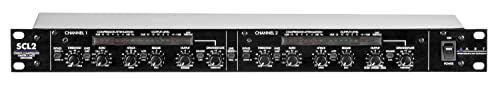
- Dual-channel or linked stereo operation
- Compressor/limiter, expander, and gate functions
- Balanced TRS and XLR inputs
Best For: Stereo or dual-channel dynamics processing with extra utility
Optical Tube Control
Tubesessor Optical Tube Compressor

- 1-channel optical tube compressor
- Transformer-balanced I/O
- Tube saturation section with sidechain filters
Best For: Vocals that need optical compression with added tube color
Vocal Utility Rack
Behringer Composer Pro-XL MDX2600

- 2-channel compressor/limiter/gate
- Built-in de-esser
- Lightweight 4.7 lb rack unit
Best For: Budget studios needing de-essing and multi-purpose dynamics control
Hybrid Studio Sculptor
Black Lion Audio B172A FET/Optical Compressor

- FET and optical compression in one unit
- 76 and 2A circuits
- Stereo linking with A/B-B/A switching
Best For: Engineers who want multiple compression characters for vocals and mixing
Tube Bass Head with Optical Compression

- Legendary optical compressor for musical compression
- 3 x 12AX7 tube preamp with Class-A design
- 2,000-watt Class-D amp in a 7.1-pound chassis
Best For: Bass players wanting warm tone and built-in compression
Rackmount Vocal Dynamics Processor

- Overeasy compression with auto attack/release
- Classic VCA circuit for vocal warmth and detail
- Noise gate plus sidechain insert for flexible routing
Best For: Vocalists and streamers needing clean rackmount control
Transparent Optical Compressor Pedal

- Optical limiting for transparent, natural compression
- Blend control preserves clean attack and feel
- Tilt EQ and 9V-18V operation add flexibility
Best For: Transparent compression with flexible tone shaping
Vintage Tube Smoothness – Warm Audio WA-2A Optical Compressor
If you want an optical compressor for vocals with a classic tube-style feel, the Warm Audio WA-2A is built around a 1-channel optical design with an all-discrete signal path and Cinemag transformers. Its XLR connectivity and rack-style format make it a straightforward choice for a vocal chain where smooth level control matters more than flashy features.
Best For: Vocal tracking and mixing when you want a warm, classic optical compression character.
Pros:
- 1-channel tube optical compressor with an all-discrete signal path
- Custom optical photocell for optical-style gain control
- Cinemag transformers for a more traditional hardware signal path
- XLR connectivity keeps it easy to integrate into studio setups
Cons:
- Single-channel only, so it is not built for stereo use
- Large 6.6-pound rack unit requires dedicated space
- More focused on classic compression than flexible modern controls
For vocalists and engineers chasing a straightforward optical compressor for vocals, this model leans into the familiar tube-and-transformer formula. It is best suited to users who value a simple, musical hardware compressor over feature-heavy routing options.
Flexible Vocal Control – ART Solo VLA Single Channel Multi-Voice Compressor
The ART Solo VLA is an optical compressor for vocals that adds flexibility through selectable multi-voice tube or solid-state control and OPTO analog optical isolators. Its mastering-quality audio signal path and variable blend control make it a practical pick when you want to fine-tune how much compression sits under a vocal without losing the dry signal.
Best For: Vocalists and engineers who want adjustable optical compression with mix blend control.
Pros:
- Selectable multi-voice tube/solid-state control
- OPTO analog optical isolators for optical compression behavior
- Variable blend lets you mix compressed and uncompressed signals
- Switch-selectable +4dBu/-10dBV level modes
Cons:
- Single-channel unit, so it is not a stereo compressor
- Tube-based design may be more than needed for simple utility compression
- Best results depend on understanding the blend and mode options
This is a strong option if you want an optical compressor for vocals that can be shaped around different recording and mixing situations. The blend feature and level switching give it more practical range than many simpler single-channel compressors.
Rackmount Character Option – Warm Audio WA-1B Optical Compressor
The Warm Audio WA-1B is another optical compressor for vocals, but it comes in a portable rackmount chassis with a warm, balanced, versatile sound profile. With a 1-channel tube optical compressor design, knob-based control, and analog signal format, it suits users who want an easy-to-run hardware compressor with a more refined feel.
Best For: Vocal compression in a rack setup when you want a warm, balanced tube-optical sound.
Pros:
- 1-channel tube optical compressor
- Warm, balanced, versatile sound profile
- Knob controls keep operation simple
- Rackmount chassis fits studio hardware setups
Cons:
- Single-channel design limits it to mono use
- Rackmount format and 12.1-pound weight make it a substantial piece of gear
- 3.5mm stereo connector listing is less typical for studio compressor workflows
For buyers focused on a straightforward optical compressor for vocals, the WA-1B emphasizes classic tube compression with a versatile voicing. It is a practical fit if you want a dedicated rack unit that stays simple at the control level.
Stereo Utility Pick – ART SCL2 Dual/Stereo Compressor Limiter
The ART SCL2 is not a dedicated optical compressor for vocals, but it can still be useful in a vocal processing chain when you need dual-channel or linked stereo compression, limiting, expansion, or gating. Balanced TRS and XLR inputs, stereo balance control, and selectable auto/manual attack-release make it a practical tool for engineers handling multiple routing needs.
Best For: Stereo or dual-channel compression workflows that also need limiter, gate, or expander functions.
Pros:
- Dual-channel or linked stereo operation
- Compressor/limiter, expander, and gate functions in one unit
- Balanced TRS and XLR inputs
- Selectable auto/manual attack and release
Cons:
- Not an optical compressor design
- Less specialized for vocals than a dedicated mono vocal compressor
- Best suited to broader processing tasks rather than one-purpose vocal use
If your vocal setup needs more than an optical compressor for vocals can offer, the SCL2 provides a flexible channel-strip style approach. It makes the most sense when you need stereo linking or extra dynamics tools alongside compression.
Optical Tube Control – Tubesessor Optical Tube Compressor
If you want an optical compressor for vocals with a little extra character, the Tubesessor Optical Tube Compressor stands out for its tube saturation section and transformer-balanced I/O. The multiple sidechain filter settings can help you fine-tune how the compression reacts, which is useful when shaping vocal dynamics in a more deliberate way.
Best For: Vocal chains that benefit from optical compression plus tube saturation and flexible sidechain shaping.
Pros:
- 1-channel optical tube compressor design
- Transformer-balanced input/output for integration in a studio signal path
- Multiple sidechain filter settings for more control over response
- Tube saturation section adds tonal color
Cons:
- Single-channel unit only
- Large, heavy chassis at 10.48 pounds
- May be more unit than needed if you only want simple compression
Overall, this is a solid pick if you want an optical compressor for vocals that can do more than basic leveling. The added saturation and sidechain options make it better suited to users who want to shape tone as well as dynamics.
Vocal Utility Rack – Behringer Composer Pro-XL MDX2600
The Behringer Composer Pro-XL MDX2600 is a practical option if you need an optical compressor for vocals-style control in a broader studio setup. It is a 2-channel compressor/limiter/gate with a built-in de-esser, making it useful when you want one rack unit to manage dynamics and tame sibilance.
Best For: Budget-conscious studios needing a flexible two-channel dynamics tool with de-essing.
Pros:
- 2-channel compressor/limiter/gate format
- Built-in de-esser for vocal sibilance control
- Suitable for audio production, mixing, and mastering
- Compact, lightweight rack unit at 4.7 pounds
Cons:
- Not a dedicated single-purpose vocal compressor
- Basic feature set compared with higher-end boutique units
- Requires corded electric power
For users who want affordable dynamics control rather than a specialized boutique voice compressor, this model offers useful all-in-one functionality. The de-esser is the standout vocal-friendly feature, especially if you need a straightforward rack solution.
Hybrid Studio Sculptor – Black Lion Audio B172A FET/Optical Compressor
The Black Lion Audio B172A combines FET and optical compression circuits, which makes it an interesting choice if you want an optical compressor for vocals with extra shaping options. Its A/B-B/A-independent switching and stereo linking add flexibility for recording and mixing tasks where you may want to compare circuit behavior or link channels.
Best For: Engineers who want both FET and optical compression options in one studio compressor.
Pros:
- FET/optical compressor design
- Uses 76 and 2A circuits for different compression flavors
- A/B-B/A-independent switching for comparison and workflow flexibility
- Stereo linking supports paired-channel use
Cons:
- Heavier unit at 17.9 pounds
- May be more complex than a simple vocal compressor
- Higher-spec feature set may be overkill for basic needs
This is a strong option when you want more than one compression character in a single box. For vocal work, the ability to move between FET and optical behavior can make it easier to tailor the response to the source.
Tube Bass Head with Optical Compression – Bugera VEYRON TUBE BV1001T
If you’re shopping for an optical compressor for vocals and want a unit that can also double as a serious amp-style dynamics tool, the Bugera VEYRON TUBE BV1001T is built around musical compression and tube-driven character. Its legendary optical compressor is paired with a 6-stage Class-A tube preamp and DYNAMIZER power management, so it’s aimed at players who want punch, nuance, and a warm, clear sound profile.
Best For: Bass players who want tube warmth, high power, and smooth optical compression in one ultra-lightweight head.
Pros:
- Legendary optical compressor for extremely musical compression
- 3 x 12AX7 tubes and a 6-stage Class-A tube preamp for rich tone
- 2,000-watt Class-D design in a compact 7.1-pound enclosure
- DYNAMIZER technology is designed to add punch and capture playing nuance
Cons:
- It’s a bass amplifier, not a dedicated vocal compressor
- Best suited to players who want an integrated amp solution rather than a standalone processor
For buyers who prioritize smooth dynamics and tube coloration, this model stands out more for its musical compression than for general studio utility. It’s a strong fit if you want optical-style compression wrapped into a powerful, portable bass head.
Rackmount Vocal Dynamics Processor – Black Dual-Channel Compressor
For anyone comparing an optical compressor for vocals, this dual-channel rack unit is a practical choice when you need flexible, controlled dynamics in studio, live, or streaming setups. It uses Overeasy compression with Auto attack/release settings, plus a classic VCA circuit, noise gate, and sidechain insert to keep vocal levels smooth and clean.
Best For: Vocalists, streamers, and live engineers who want a rackmount compressor with easy setup and noise control.
Pros:
- Dual-channel design works for vocals and other dynamic sources
- Overeasy compression and Auto attack/release help simplify setup
- Classic VCA circuitry is tuned for vocal warmth and detail
- Noise gate, LED gain reduction indicators, and sidechain insert add flexibility
Cons:
- Not an optical compressor, so it may not suit buyers specifically seeking optical-style coloration
- 1U rack format is better for rack setups than desktop use
This is a strong utility compressor if your goal is to manage vocals cleanly rather than chase a specific vintage optical sound. The feature set makes it especially appealing for users who want straightforward control and practical routing options.
Transparent Optical Compressor Pedal – Jackson Audio Blossom
If you’re looking for an optical compressor for vocals in a compact, transparent format, the Jackson Audio Blossom focuses on smooth, natural compression with minimal tone coloration. Its optical limiting circuit, flat frequency response, blend control, and tilt EQ make it easy to shape dynamics while keeping the core signal intact.
Best For: Players who want transparent optical compression with flexible tone shaping and blend control.
Pros:
- Optical limiting circuit delivers transparent, natural compression
- Blend control lets you mix clean and compressed signal
- Tilt EQ helps fine-tune bass, treble, warmth, and clarity
- Works from 9V to 18V for added headroom at higher voltage
Cons:
- Primarily a pedal-style compressor, not a rack or studio processor
- Designed for guitar and instrument use rather than dedicated vocal processing
This pedal is a good fit when you want compression you can feel more than hear, along with enough control to keep transients and tone balanced. For transparent dynamics shaping, it’s the most clearly optical-focused option in this set.
How We Picked the Best Optical Compressor for Vocals
Our shortlist focused on vocal-friendly behavior first: smooth gain reduction, musical response, usable controls, and reliable build quality. We also considered whether each unit is better suited to tracking, mixing, stereo processing, or broader studio duties.
Because an Optical Compressor for Vocals is often used to control peaks without making the voice feel pinned down, we favored models that are known for transparent leveling, easy setup, and predictable performance.
Quick Comparison of the 10 Picks
For pure classic vocal leveling, tube-based optical designs tend to deliver the most traditional sound and feel. More flexible dual-channel units can work well if you need stereo linking or additional processing on drums, buses, or live rigs. Budget-friendly compressors may offer more utility, but they often trade away the smoothest vocal-specific behavior.
In general, choose a dedicated optical unit if vocal tone is the priority. Choose a multi-function compressor if you need one processor to handle vocals plus other studio tasks.
Key Buying Factors for an Optical Compressor for Vocals
Compression Character
Look for a smooth, program-dependent response that evens out dynamics without audible pumping. Optical designs are valued for their natural leveling, but some are more colored than others.
Controls and Ease of Use
Simple controls can be a benefit for vocals, especially if you want quick setup during recording sessions. More advanced units offer greater flexibility, but they may take more time to dial in.
Headroom and Noise Performance
A good vocal compressor should stay clean at typical recording levels and maintain headroom for expressive singers. Low self-noise matters, especially for intimate vocal takes and dense mix chains.
Tube Vs. Solid-State Design
Tube optical compressors often add warmth and thickness, while solid-state units may feel cleaner or more controlled. Your choice should match the vocal style and the amount of color you want in the chain.
Mono, Stereo, or Multi-Channel Use
For lead vocals, a mono unit is usually enough. If you also mix stereo keyboards, buses, or live sources, a dual-channel model may offer better value.
Who Should Buy Which Optical Compressor for Vocals?
If you want classic studio polish and a smooth vocal finish, choose a purpose-built optical compressor. If you record multiple sources and need flexibility, a dual-channel or multi-purpose compressor may be the smarter buy.
For singer-songwriters and home studios, ease of use and reliable leveling should come first. For professional rooms, higher-end optical compressors can justify the cost with more refined tone, better component quality, and a more musical response under heavy use.
Ultimately, the best Optical Compressor for Vocals is the one that matches your voice, your workflow, and how much coloration you want in the final sound.