Choosing the right recorder can make a podcast sound polished, even in a rehearsal room, home studio, or backstage setup. For musicians, the best options balance clean mic preamps, flexible inputs, and easy operation.
This roundup highlights ten strong picks for different recording needs, from compact handheld units to multi-input podcast hubs built for bands and collaborative sessions.
Best 10 Podcast Recorders for Musicians Picks for 2026
Portable Multi-Mic Podcast Hub
Zoom PodTrak P4 Podcast Recorder

- 4 XLR inputs with phantom power
- 4 headphone outs for individual monitoring
- Mix-Minus and USB/TRRS for remote guests
Best For: Musicians recording podcasts with multiple voices and remote callers
Handheld Field-Friendly Recorder
Zoom H5 4-Track Handheld Recorder
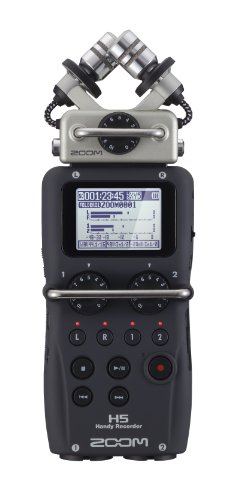
- Interchangeable capsules for different recording jobs
- Two XLR/TRS combo inputs with phantom power
- Four-track recording plus USB audio interface
Best For: Portable podcast and music recording with flexible input options
Touchscreen 32-Bit Float Recorder

- 2.4-inch touchscreen with app-like controls
- 32-bit float recording up to 96 kHz
- Podcast presets and dual built-in mics
Best For: Musicians who want quick podcast setup with modern controls
Expandable High-Track Creator Rig
Zoom H8 Recorder for Musicians

- Up to 10 tracks plus a stereo mix
- 4 XLR inputs and 2 combo jacks
- Up to 12 USB channels for interface use
Best For: Larger music and podcast sessions that may need expansion
Portable Music Recorder

- 32-bit float stereo recording
- Built-in mics handle loud sources
- USB-C interface for direct recording
Best For: Musicians needing a portable stereo recorder with easy computer connectivity
Dual-Input Field Recorder

- Two XLR/TRS inputs for flexible setups
- 32-bit/96kHz recording with waveform display
- 3.5mm input/output and 1TB SDXC support
Best For: Musicians and podcasters who want a compact two-input recorder
All-in-One Podcast Mixer

- Six XLR inputs and up to 13 tracks
- Touchscreen controls for EQ, compression, and more
- Sound pads plus Mix-Minus for guests
Best For: Podcast teams and musician-hosts needing a full-featured recorder
Portable 4-Track Capture
Zoom H4 Essential Handheld Recorder

- 4-track recorder with built-in stereo mics
- Two XLR/TRS inputs for mics or instruments
- USB-C recording plus SD-card backup
Best For: Musicians who want a compact recorder for podcasts and live audio
All-in-One Band Board
Zoom LiveTrak L-8 Mixer/Recorder

- 12-track recording with 8 channels
- Four headphone outputs and three custom mixes
- Records to SD card and computer simultaneously
Best For: Bands and podcast teams needing a compact mixer-recorder
Accessible Stereo Capture
Zoom H2 Essential Handheld Recorder

- Three built-in mics with nine recording patterns
- 32-bit float capture with no gain adjustment needed
- USB microphone mode plus SD-card backup
Best For: Solo creators who want an easy handheld recorder with flexible patterns
Portable Multi-Mic Podcast Hub – Zoom PodTrak P4 Podcast Recorder
If you’re comparing podcast recorders for musicians who also need to handle interviews, the Zoom PodTrak P4 is a practical compact option. It gives you four XLR mic inputs, four headphone outs, and multi-track recording, so it works well for small band chats, remote guests, or simple session capture without a lot of extra setup.
Best For: Music creators who need a straightforward podcast recorder for multi-guest sessions and remote interviews.
Pros:
- 4 XLR microphone inputs with phantom power for flexible mic setups
- 4 headphone outputs with individual volume control for monitoring each participant
- Automatic Mix-Minus and USB/TRRS support for call-in and remote interviews
- Multi-track recording plus 4 programmable Sound Pads for added control
Cons:
- Runs on 2 AA batteries with up to 3.5 hours of life
- No built-in large display or touchscreen for menu-heavy workflows
The PodTrak P4 is a strong fit if your priority is clean, flexible recording for voices and simple music-related conversations. It focuses on the core podcasting tools musicians actually use, rather than trying to be a full studio recorder.
Handheld Field-Friendly Recorder – Zoom H5 4-Track Handheld Recorder
The Zoom H5 is one of the more flexible podcast recorders for musicians who want a handheld unit that can also move between studio, video, and mobile use. Its interchangeable input capsules, two XLR/TRS combo inputs, and four-track recording make it useful when you need simple podcast capture with room to expand.
Best For: Musicians and creators who want a handheld recorder that can handle podcasting, interviews, and basic multi-input sessions.
Pros:
- Interchangeable capsules let you adapt the recorder to different jobs
- Two XLR/TRS combo inputs with selectable phantom power and -20dB pad
- Four-track simultaneous recording for layered capture
- USB audio interface mode for PC, Mac, and iPad use
Cons:
- Records to SD/SDHC cards up to 32GB
- Battery-powered runtime and handheld design are better for portable use than large studio setups
The H5 makes sense if you want one recorder that can cover podcasting and music capture without being locked into a single setup. It is especially appealing when portability matters more than having lots of built-in podcast features.
Touchscreen 32-Bit Float Recorder – TASCAM Portacapture X6
For musicians shopping podcast recorders that feel modern and easy to navigate, the TASCAM Portacapture X6 stands out with a large touchscreen and preset-based workflow. It supports 32-bit float recording, six-track capture, and dedicated podcast and interview modes, which makes setup faster when you want to record and move on.
Best For: Creators who want a touchscreen recorder with preset podcast modes and flexible 32-bit float capture.
Pros:
- Large 2.4-inch touchscreen for simple app-like control
- 32-bit float recording up to 96 kHz
- Podcast and interview presets simplify setup
- Two XLR inputs plus dual built-in mics with AB/true-XY patterns
Cons:
- Battery life is rated at about 6 hours
- Only two XLR inputs, so it is less expandable than larger multi-input recorders
The Portacapture X6 is a smart pick if you value speed, presets, and modern controls over maximum input count. For podcasting musicians, it offers a clean balance of convenience and professional recording features.
Expandable High-Track Creator Rig – Zoom H8 Recorder for Musicians
If you’re looking at podcast recorders for musicians and need something that can scale beyond a basic two-mic show, the Zoom H8 is built for that kind of growth. It offers dedicated modes for field recording, music, and multi-person recording, plus up to 10 tracks from four XLR inputs and two combo jacks.
Best For: Musicians and podcasters who need a highly expandable recorder for larger sessions and mixed workflows.
Pros:
- Up to 10 individual tracks plus a stereo mix for detailed recording
- 4 XLR inputs and 2 combo jacks for microphones, instruments, and more
- Interchangeable input capsules expand its flexibility
- Up to 12 channels over USB to PC, Mac, or iPad
Cons:
- Bulkier than smaller handheld recorders
- More capable than a simple podcast setup if you only need one or two mics
The H8 is the most future-proof option here if your recording needs may grow. It is a strong fit for creators who want one device that can handle podcasts, music, and more complex multi-source sessions.
Portable Music Recorder – TASCAM DR-05XP
If you want podcast recorders for musicians that can also handle rehearsals, field capture, and quick computer recording, the TASCAM DR-05XP is built for flexible use. Its 32-bit float recording modes and built-in stereo condensers make it a practical grab-and-go option for loud instruments, voice, and everyday audio-for-video work.
Best For: Musicians who need a simple handheld recorder for high-volume sources, stereo capture, and direct USB-C recording.
Pros:
- Records in 32-bit float, 24-bit, 16-bit, plus 96kHz/48kHz/44.1kHz and MP3
- Built-in omnidirectional condenser microphones handle loud sources up to 125dB SPL
- 2-in/2-out USB-C audio interface for direct computer recording
- Up to 17.5 hours of operation on two AA batteries
Cons:
- SD card and batteries are not included
- Built-in mics are stereo-oriented rather than multi-input podcasting
Overall, this is a strong compact choice when you want a recorder that is equally comfortable on the bandstand, in the practice room, or at a podcast desk. It is not a full studio hub, but its flexible formats and USB-C interface make it easy to adapt.
Dual-Input Field Recorder – Zoom H1 XLR
For creators looking at podcast recorders for musicians, the Zoom H1 XLR is a compact two-channel option that keeps setup straightforward. It records in 32-bit/96kHz, adds two XLR/TRS combo inputs, and gives you a waveform display so you can check levels quickly while tracking instruments or interviews.
Best For: Musicians and podcasters who want a small recorder with XLR/TRS inputs, simple monitoring, and high-resolution capture.
Pros:
- Two XLR/TRS combo inputs support microphones, instruments, and more
- 32-bit/96kHz recording for detailed sound
- OLED waveform display helps monitor levels at a glance
- 3.5mm stereo input and headphone output add flexibility
Cons:
- Only a 2-channel recorder, so it is not built for larger multitrack sessions
- Battery life is listed at 10 hours, which may be limiting for long days
This is a practical middle-ground recorder if you want XLR input flexibility without moving up to a full podcast production deck. The SDXC support up to 1TB also makes it suitable for long sessions when you need plenty of storage.
All-in-One Podcast Mixer – Zoom PodTrak P8
If your shortlist of podcast recorders for musicians leans toward a full production center, the Zoom PodTrak P8 is the most studio-like option here. With six XLR inputs, onboard editing, sound pads, and Mix-Minus for remote guests, it is designed for recording and shaping a complete show from one device.
Best For: Podcast teams and musician-hosts who need multiple XLR inputs, live controls, and built-in sound effects.
Pros:
- Six XLR inputs and up to 13 tracks simultaneously
- 4.3-inch touchscreen with preamp, EQ, compression, de-essing, noise reduction, and limiter controls
- Mix-Minus supports phone calls and remote guests without echo
- Nine sound pads across four banks for up to 36 clips
Cons:
- Battery power lasts up to two hours, so it is better suited to AC-powered use
- Bulkier than handheld recorders and less portable for field work
For sessions that involve multiple speakers, music cues, and live control, this recorder is built to keep everything in one place. It is less of a travel recorder and more of a dedicated podcast command center.
Portable 4-Track Capture – Zoom H4 Essential Handheld Recorder
If you want podcast recorders for musicians that can also handle rehearsals, live takes, and interviews, the Zoom H4 Essential gives you a flexible 4-track setup with built-in stereo mics and two XLR/TRS inputs. It records in 32-bit float to help reduce distorted takes, and you can save directly to SD card while also connecting over USB-C for computer, phone, or tablet recording.
Best For: Musicians and creators who need a simple handheld recorder for podcasts, music, and live audio capture.
Pros:
- 4-track recording with built-in stereo microphones for bigger sessions.
- Two XLR/TRS inputs let you plug in external mics, instruments, or a mixer.
- 32-bit float capture helps protect against clipped or distorted audio.
- USB-C support allows recording or streaming to a device while backing up to SD card.
Cons:
- Runs on 2 AA batteries rather than a built-in rechargeable pack.
- Limited to 4 tracks, so larger multichannel setups may outgrow it.
Overall, this is a practical handheld option if you need one recorder that can move between music, podcasting, and field work without much setup. The guided menu system also makes it easier to use than many small recorders.
All-in-One Band Board – Zoom LiveTrak L-8 Mixer/Recorder
For podcast recorders for musicians who need more inputs and monitoring control, the Zoom LiveTrak L-8 works like a compact mixer and recorder in one. It captures 12 tracks simultaneously to SD card at 24-bit/96kHz, adds six preamps with a very low noise floor, and lets you record to both SD card and computer at the same time.
Best For: Bands, panel podcasts, and creators who need multiple inputs and separate headphone mixes.
Pros:
- Eight channels and 12-track simultaneous recording suit larger sessions.
- Six preamps with -121dBu noise floor support cleaner input handling.
- Four headphone outputs and three custom mixes help multiple performers monitor comfortably.
- Records to SD card and computer at once for flexible workflows.
Cons:
- Bigger and less grab-and-go than a handheld recorder.
- More mixer-style controls may be more than solo users need.
This is the strongest pick here when your recording setup needs to handle several mics, performers, or co-hosts at once. It is especially useful if you want a device that can stay in the studio yet still travel to gigs.
Accessible Stereo Capture – Zoom H2 Essential Handheld Recorder
If you are comparing podcast recorders for musicians and want something very easy to operate, the Zoom H2 Essential stands out with three built-in mics and nine selectable recording patterns. It captures up to 32-bit float/96kHz audio, works as a USB microphone, and can record to SD card at the same time for a backup of your session.
Best For: Solo musicians, podcasters, and interviewers who want a simple handheld recorder with flexible mic patterns.
Pros:
- Three built-in mics with nine patterns offer broad recording flexibility.
- 32-bit float recording helps avoid gain-setting hassles and clipped takes.
- USB mic mode plus SD-card recording supports backup workflows.
- Audible menu navigation and multi-language accessibility improve usability.
Cons:
- Built-in mics are best for capture convenience, not replaceable mic setups.
- Mono/stereo/surround options may be more than casual users need.
As a lightweight handheld, this model is a strong choice when you want fast setup and dependable capture without worrying about manual gain adjustment. Its accessibility features make it especially easy to recommend for users who prefer guided operation.
How We Picked the Best Podcast Recorders for Musicians
We focused on Podcast Recorders for Musicians that offer reliable audio quality, practical input options, and real-world flexibility. Priority went to models that can handle vocals, instruments, and multi-person conversations without adding unnecessary complexity.
We also weighed portability, battery life, headphone monitoring, USB audio interface support, and features such as 32-bit float recording, onboard mix control, and expansion for remote guests.
Quick Comparison
Think in terms of workflow first. Handheld recorders are best for mobile capture, rehearsal notes, and simple interviews. Podcaster-style recorders are better when you need several XLR mics, independent headphone mixes, and dedicated controls for each speaker. Mixer/recorders suit musicians who want podcasting and live-session flexibility in one device.
Key Buying Factors for Podcast Recorders for Musicians
Inputs and Mic Support
Check how many XLR inputs you need today, then add one or two for growth. If you record a trio, quartet, or guest-heavy show, extra channels matter more than onboard effects.
Recording Format and Headroom
32-bit float recording can be a major advantage for unpredictable sessions because it helps reduce the risk of clipping. Standard 24-bit recorders can still sound excellent, but they demand more careful gain setting.
Monitoring and Control
Look for individual headphone outputs, easy gain knobs, and clear meters. For musicians, fast monitoring is important when recording vocals, acoustic instruments, or live performance commentary.
Portability and Power
If you move between studios, venues, and practice spaces, battery operation and a compact footprint are useful. For desk-based podcasting, a larger unit with more physical controls may be worth the tradeoff.
Who Should Buy Which Podcast Recorders for Musicians?
Solo creators and mobile users should lean toward handheld recorders. Bands, co-hosted shows, and interview setups with multiple microphones are better served by pod-style recorders with several XLR inputs. If you want one device for podcasting, rehearsal capture, and small-session mixing, a hybrid mixer/recorder is often the smartest fit.
For most buyers, the best choice comes down to how many sources you record at once and how often you need to travel. Matching those needs to the feature set will give you better results than chasing the biggest spec sheet.