Looking for podcast recorders with sound pads that make recording, switching, and live show control feel fast and professional? The best options can simplify multi-host sessions, remote calls, and sound effects without forcing you into a full computer-based setup.
In this roundup, we focus on recorder features that matter most for podcasters: clean preamps, enough inputs, usable pad controls, monitoring, and portability for studio or field use.
Best 10 Podcast Recorders with Sound Pads Picks for 2026
Flagship All-in-One Studio
Zoom PodTrak P8 with 6 XLR Inputs & 36 Sound Clips

- Six XLR inputs with up to 13-track recording
- 36 sound clips from nine pads and four banks
- Touchscreen control with Mix-Minus for remote guests
Best For: Larger podcast teams needing live sound pads and full production control
Compact Premium Studio
RØDECaster Duo compact studio with 6 SMART pads
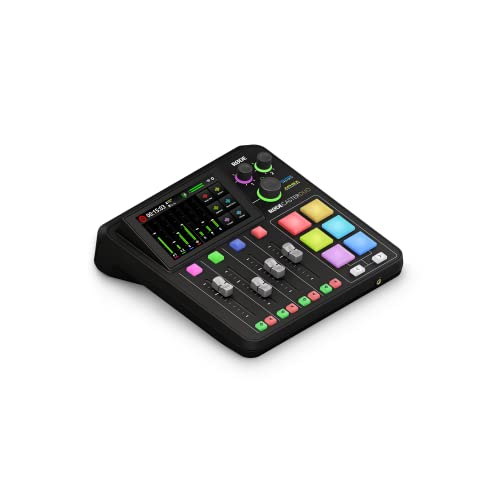
- Two combo inputs with low-noise Revolution Preamps
- Six SMART pads with bank switching
- Touchscreen control plus APHEX processing
Best For: Solo hosts and small teams wanting a compact premium recorder
Smart Four-Input Pick
Zoom PodTrak P4next with AI noise reduction

- Four XLR inputs for up to four people plus a guest
- AI noise reduction, Tone Enhancement, and COMP
- Four headphone outputs with separate volume controls
Best For: Small groups that want easy setup and AI-assisted audio cleanup
Pro Show Control Center
RØDECaster Pro II with 8 SMART pads and 4 XLR inputs

- Four XLR inputs with studio preamps
- Eight customizable SMART pads for show control
- Records to computer, microSD, or USB and works standalone
Best For: Podcasters and streamers who want a full-featured live production desk
Podcast Recording Kit
Zoom PodTrak P4next Bundle with ZDM-1 Mic Packs
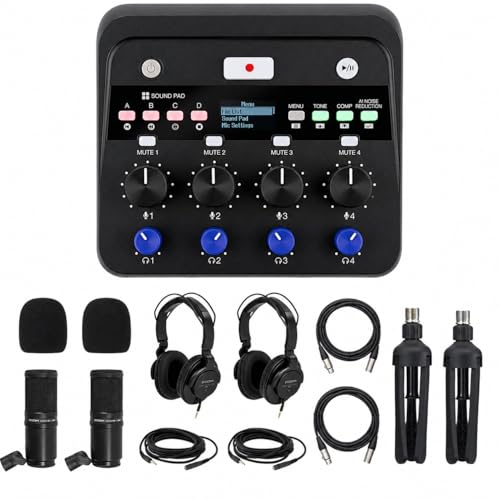
- Includes recorder plus 2 complete mic packs
- 4 XLR inputs with multitrack recording
- Built-in AI noise reduction and tone tools
Best For: Two-person podcast teams wanting a complete desk-ready setup
Portable Stereo Recorder
Zoom H1 Essential Recorder for Creators

- Clear stereo audio for podcasts and interviews
- USB-C mic mode for streaming and calls
- 32-bit float and X/Y mics in a compact body
Best For: Solo creators who want portable, simple audio capture
Podcast Mixer Board
MAONO AM200 Podcast Equipment Bundle

- Built-in special audio effects and voice changes
- Supports 2 people and 4-device streaming
- Includes mic, tripod, windscreens, and cables
Best For: Streamers who want effects and easy live control
Flagship Studio Bundle
Zoom PodTrak P8 Podcast Recorder + Card Reader Bundle

- Six mic inputs with up to 70 dB gain
- Nine assignable sound pads with built-in and custom sounds
- Onboard editing plus direct SD recording
Best For: Large podcasts and creators who want an all-in-one studio recorder
Compact Multi-Host Pick
Zoom PodTrak P4 Podcast Recorder with Sound Pads

- Four XLR mic inputs with phantom power
- Four programmable sound pads
- Automatic mix-minus for call-ins and remote guests
Best For: Small podcasts and portable interview setups
Portable Creator Kit
Zoom PodTrak P4next Podcast Recorder with Sound Pads

- Four mic inputs with up to +70 dB gain
- Four assignable sound pads and AI noise reduction
- Bundle includes mics, headphones, stands, cables, and memory card
Best For: Mobile podcasters who want an all-in-one bundled recorder setup
Flagship All-in-One Studio – Zoom PodTrak P8 with 6 XLR Inputs & 36 Sound Clips
If you want podcast recorders with sound pads that can handle a full production setup, the Zoom PodTrak P8 is built to do a lot in one box. It offers six XLR inputs, multitrack recording, onboard editing, and 36 triggerable sound clips, so you can record, mix, and launch a show without piecing together extra gear.
Best For: Podcast teams that want a tabletop recorder with deep control, live sound clips, and remote-call support.
Pros:
- Six XLR mic inputs and up to 13-track recording for larger podcast setups.
- Nine sound pads across four banks provide 36 total clips for intros, jingles, and effects.
- 4.3-inch touchscreen gives quick access to preamp, EQ, compression, de-essing, and limiter controls.
- Built-in Mix-Minus helps reduce echo when recording phone calls or remote guests.
Cons:
- Uses four AA batteries only for limited portable operation, up to about two hours.
- Its full feature set may be more than needed for simple solo recordings.
Overall, the P8 is a strong choice if you want a powerful podcast recorder with sound pads and hands-on control for a more produced show. It is especially appealing when you need multiple mics, remote guests, and live triggering in one unit.
Compact Premium Studio – RØDECaster Duo compact studio with 6 SMART pads
The RØDECaster Duo is a compact option in the podcast recorders with sound pads category, aimed at creators who want pro features in a smaller footprint. It combines two Neutrik combo inputs, high-gain Revolution Preamps, a touchscreen, and six SMART pads with bank switching for live show control.
Best For: Solo hosts or small teams that want a premium compact production studio with smart pads and polished audio processing.
Pros:
- Two high-quality combo jacks with low-noise Revolution Preamps for clean input.
- Six SMART pads with bank switching for triggering actions and show elements.
- High-resolution touchscreen with haptic feedback for quick control.
- APHEX processing adds studio-style effects like Aural Exciter and Big Bottom.
Cons:
- Only two mic/instrument inputs, so it is less suited to larger roundtable shows.
- Its premium feature set may be more than some casual podcasters need.
For creators who value compact size and strong built-in processing, the Duo delivers a polished workflow without clutter. It makes sense if you want an integrated recorder with sound pads but do not need a four-person panel.
Smart Four-Input Pick – Zoom PodTrak P4next with AI noise reduction
If you are comparing podcast recorders with sound pads and want something easier to manage, the Zoom PodTrak P4next brings four XLR inputs plus AI-assisted cleanup tools. It is designed for small panel shows, remote call-ins, and fast phone-video recording, while still giving you sound pads and individual headphone control.
Best For: Small podcast groups that want simple setup, AI help, and four-person monitoring.
Pros:
- Four XLR inputs support multitrack recording for up to four people plus a call-in guest.
- AI noise reduction, Tone Enhancement, and COMP help simplify mix tasks.
- Four headphone outputs with separate volume controls for each participant.
- Sound pads and phone input add flexibility for live show elements and mobile capture.
Cons:
- Fewer inputs than larger studio recorders, so it is not ideal for bigger ensembles.
- Its feature set is more focused on simplicity than deep hands-on editing.
The P4next fits creators who want a practical recorder that does some of the audio work for them. It stands out if you need a small, straightforward podcast recorder with sound pads and room for remote participation.
Pro Show Control Center – RØDECaster Pro II with 8 SMART pads and 4 XLR inputs
The RØDECaster Pro II is built for creators who want podcast recorders with sound pads and a more complete control surface. With four XLR inputs, APHEX processing, eight customizable SMART pads, and standalone recording options, it is aimed at users who want to run a show without relying on a separate interface or PC mixer.
Best For: Podcasters and streamers who want a full-featured desk unit with live show controls and standalone recording.
Pros:
- Four XLR mic inputs and four studio preamps support a serious podcast setup.
- Eight customizable SMART pads can trigger music, sound effects, and mix-minus phone calls.
- Records to computer, microSD, or USB drive, and can work standalone without a computer.
- APHEX voice processing helps make voices broadcast-ready with minimal setup.
Cons:
- Its desk-unit design takes more space than compact recorders.
- May be more mixer than some solo creators need for basic shows.
For productions that need flexible routing and live control, the Pro II feels like a proper command center. It is a good fit when you want sound pads, multitrack recording, and built-in processing in one dedicated unit.
Podcast Recording Kit – Zoom PodTrak P4next Bundle with ZDM-1 Mic Packs
If you want podcast recorders with sound pads support that lean more toward a complete tabletop setup, this Zoom bundle is built for multi-person sessions. The PodTrak P4next gives you four XLR inputs, multitrack recording, built-in audio tools, and phone connectivity, while the included ZDM-1 mic packs cover the basics for two speakers right out of the box.
Best For: Two-person podcast teams that want an easy starter bundle with recording flexibility and monitoring.
Pros:
- Bundle includes the recorder plus 2 mic packs with microphones, headphones, tripods, windscreens, and XLR cables.
- Four XLR inputs and multitrack recording support up to four people plus a call-in guest.
- Built-in AI noise reduction, Tone Enhancement, and COMP help simplify cleanup and leveling.
- Four headphone outputs with separate volume controls make monitoring easier for each speaker.
Cons:
- The bundle is centered on a podcast desk setup, so it is less portable than a compact handheld recorder.
- Sound-pad style effects are not listed among the included features.
This is a strong pick if you want a ready-made conversation recording kit with useful onboard processing and room to expand beyond two hosts. It prioritizes practical podcast capture over extra production gimmicks, which makes it appealing for straightforward shows and interviews.
Portable Stereo Recorder – Zoom H1 Essential Recorder for Creators
For buyers comparing podcast recorders with sound pads, the Zoom H1 Essential is better understood as a portable capture tool than a button-packed production console. It records clear stereo audio for podcasts, interviews, voiceovers, and content creation, and it can also work as a USB microphone for livestreams, remote meetings, and desktop or mobile recording.
Best For: Solo creators and interviewers who want simple, portable stereo recording with USB-C convenience.
Pros:
- Captures clear stereo audio for podcasts, interviews, lectures, and voiceovers.
- USB-C microphone mode adds flexibility for livestreams, calls, and desktop recording.
- 32-bit float recording and X/Y stereo mics support clean, clip-free audio.
- Very compact and lightweight for travel, field recording, and quick setups.
Cons:
- It is a stereo recorder, so it is not aimed at multi-mic podcast panels.
- No sound-pad style effects are listed in the supplied features.
This model makes sense when you want a grab-and-go recorder that can also double as a USB mic. It is a practical option for creators who care more about reliable audio capture than about built-in production controls.
Podcast Mixer Board – MAONO AM200 Podcast Equipment Bundle
If you are shopping for podcast recorders with sound pads, this MAONO bundle is the most effect-heavy option in the group. It combines an audio mixer station with a bundled mic and built-in special audio effects, plus voice-changing and real-time monitoring features for streaming, podcasting, and casual production.
Best For: Streamers and creators who want built-in effects, voice changes, and simple two-person control.
Pros:
- Includes an audio mixer station with a microphone, tripod, windscreens, cables, and charging cable.
- Four user-recordable and eight built-in special audio effects give it the most soundboard-like feel here.
- Supports up to 2 people, 4 devices, and 4 platforms for simultaneous streaming.
- Real-time monitoring and DENOISE help keep live sessions under control.
Cons:
- It only supports 3.5mm microphone input and does not support phantom power.
- Setup is more involved than a simple recorder, and the notes point to user-guide support being important.
- It is best checked against your workspace size, since the mixer has a larger footprint.
For buyers who want sound effects, voice tweaks, and live-streaming controls in one device, this is the most feature-packed choice. It is less about clean multitrack recording and more about interactive production features that can make a show feel more dynamic.
Flagship Studio Bundle – Zoom PodTrak P8 Podcast Recorder + Card Reader Bundle
If you want one of the most fully featured podcast recorders with sound pads, the Zoom PodTrak P8 is built for larger, more polished shows. It records up to six microphones at once, supports up to 13 tracks simultaneously, and includes nine assignable sound pads for intros, effects, ads, and other live cues.
Best For: Multihost podcasts, interview panels, and creators who want onboard editing plus flexible sound-pad control.
Pros:
- Six mic inputs with up to 70 dB of gain and selectable phantom power.
- Nine assignable sound pads with built-in samples and room for custom banks.
- Records directly to SD card and includes touchscreen tools for trimming, splitting, fading, and combining tracks.
- Six independent headphone outputs plus speaker outputs for better in-room monitoring.
Cons:
- Larger and heavier than compact podcast recorders.
- Wireless calling requires the separately sold Zoom BTA-2 Bluetooth receiver.
The P8 makes sense if you want a recorder that can handle a busy studio session and still keep production tools onboard. Its sound-pad flexibility and built-in editing features give it a strong edge for creators who prefer fewer extra devices in the workflow.
Compact Multi-Host Pick – Zoom PodTrak P4 Podcast Recorder with Sound Pads
The Zoom PodTrak P4 is a compact choice among podcast recorders with sound pads, especially if you need a simple setup for interviews or small group shows. It gives you four mic inputs, four headphone outputs, programmable sound pads, and multi-track recording without requiring a computer.
Best For: Small podcast teams, remote interviews, and portable setups that still want live sound effects.
Pros:
- Four XLR mic inputs with phantom power for common podcast mics.
- Four programmable sound pads for jingles, intros, and effects.
- Automatic mix-minus helps reduce echo on call-in and remote interviews.
- Battery powered for portable recording sessions.
Cons:
- Up to 3.5 hours of battery life is relatively short for long sessions.
- Fewer inputs and pads than larger podcast recorders.
The P4 is a practical middle ground if you want a lightweight recorder that still supports sound pads and remote guests. It keeps the workflow straightforward while covering the basics that matter most for small podcasts.
Portable Creator Kit – Zoom PodTrak P4next Podcast Recorder with Sound Pads
The Zoom PodTrak P4next is aimed at creators who want podcast recorders with sound pads and a ready-to-use accessory bundle. It supports up to four microphones, includes four assignable sound pads, and adds AI noise reduction to help clean up recordings during interviews and remote sessions.
Best For: Mobile podcasters and beginners who want a bundled setup with sound pads, mics, and accessories included.
Pros:
- Four mic inputs with individual gain control and up to +70 dB gain.
- Four assignable sound pads for intros, jingles, and effects.
- AI noise reduction helps reduce unwanted background noise.
- Can record to SD cards or work as a USB audio interface.
Cons:
- The bundled kit is bulkier than the recorder alone.
- Battery operation is listed at up to 4 hours, so extended sessions may need power planning.
This package is a strong option if you want a portable podcasting setup with sound pads and a lot of included gear. It is especially useful for buyers who prefer to start recording quickly without assembling the rest of the kit piece by piece.
How We Picked the Best Podcast Recorders with Sound Pads
We prioritized Podcast Recorders with Sound Pads that offer practical workflow benefits for real-world shows: multitrack capture, enough mic inputs for the intended format, reliable headphone monitoring, and easy access to effects or pads during recording. We also considered portability, expansion options, and whether a model is better suited to solo creators, co-hosted shows, or panel-style productions.
Quick Comparison
For compact setups, smaller recorders are easier to carry and faster to deploy. For larger podcasts, models with more XLR inputs, more headphone outputs, and dedicated sound pads offer better control when multiple speakers are live. Bundles can add value if you are starting from scratch, while all-in-one studios are often the simplest choice for creators who want fewer separate devices.
Key Buying Factors for Podcast Recorders with Sound Pads
Input Count and Show Format
Match the recorder to your format first. Solo hosts may only need a few inputs, but interview shows, roundtables, and remote collaborations benefit from extra XLR channels and separate headphone monitoring.
Sound Pad Layout and Triggering
Sound pads should be easy to hit quickly and feel dependable on air. Look for enough assignable pads for intros, stingers, transitions, and effects, plus a layout that avoids accidental presses.
Monitoring and Remote Recording
Independent headphone outputs, mix-minus or phone support, and USB connectivity are valuable if you bring in remote guests. These features help keep calls clean and reduce echo or feedback issues.
Workflow Features
Multitrack recording, onboard processing, and noise reduction can save editing time later. If you record often, these features may matter more than a few extra bells and whistles.
Who Should Buy Which Podcast Recorders with Sound Pads?
If you want a larger, more flexible studio hub, choose a model with more inputs and pad controls. If portability matters most, a compact recorder may be the better fit. If you are building a new podcasting setup, bundles can offer better value by including microphones or accessories. For creators who want an all-in-one workflow, higher-end studio units are typically the easiest path.
Overall, the best Podcast Recorders with Sound Pads are the ones that match your show size, recording environment, and editing workflow—not just the spec sheet. Focus on ease of use, input flexibility, and monitoring before adding features you may not use.