Apartment noise can travel through floors, walls, and shared ceilings, but the right mat can reduce everyday impact sounds without permanent construction. This roundup compares mass-loaded barriers, adhesive foam, felt tiles, and interlocking pads for different rooms and noise problems.
Use the buying guide below to match thickness, coverage, installation method, and surface protection to your space—whether you need a quieter home gym, a softer studio floor, or less vibration from equipment.
Best 10 Soundproofing Mats for Apartments Picks for 2026
Heavy-Duty Barrier
VEVOR 200mil Mass-Loaded Soundproofing Mat

- Thick three-layer foam, foil, and adhesive construction
- 36-square-foot roll can be cut to fit
- Waterproof, fire-resistant, and odorless design
Best For: Larger DIY insulation projects requiring a customizable roll
Peel-and-Stick Value
80mil Butyl Sound Deadening Mat

- 33 pieces provide 36 square feet of coverage
- Butyl core helps absorb vibrations
- Waterproof, high-tack adhesive-backed design
Best For: Pre-cut DIY sound-deadening projects
Floor-Friendly Choice
Interlocking Felt Carpet Tiles

- 24 tiles cover up to 24 square feet
- No-glue interlocking installation suits renters
- Helps absorb noise and protect hard floors
Best For: Removable floor treatment for offices, practice areas, and light gyms
Compact Wall Treatment
Self-Adhesive Closed-Cell Acoustic Foam
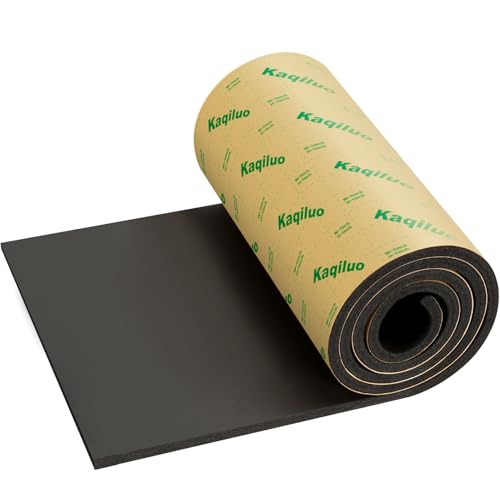
- 5.8 square feet of 0.4-inch foam coverage
- Self-adhesive and easy to cut
- Waterproof, flame-retardant, and moisture-resistant
Best For: Small apartment areas needing echo and reflection control
Best Expandable Set
High-Density Felt Interlocking Mats

- 20 pieces cover up to 17 sq. ft.
- Interlocking, expandable design
- Helps absorb impact and vibration
Best For: Flexible coverage in apartment living spaces, playrooms, and practice areas
Best Documented Sound Absorption

- NRC listed as 0.87
- Dense 0.4-inch polyester felt
- Interlocking and cuttable panels
Best For: Targeted music, office, gym, and equipment areas
Heavy-Duty Barrier – VEVOR 200mil Mass-Loaded Soundproofing Mat
For shoppers comparing soundproofing mats for apartments, the VEVOR Noise Grabber offers a thick, 36-square-foot roll with a three-layer construction. Its foam core, aluminum foil surface, and adhesive backing are better suited to substantial insulation projects than light decorative acoustic treatment.
Best For: Apartment DIYers needing a large, cut-to-fit barrier for suitable surfaces, vehicles, or renovation projects.
Pros:
- Thick 200mil, three-layer construction combines foam, foil, and adhesive backing.
- Provides 36 square feet of material in a customizable roll.
- Waterproof, heat-resistant, fire-resistant, and described as odorless.
- Peel-and-stick installation requires no additional adhesive.
Cons:
- The product is primarily described for vehicle noise reduction, so apartment applications require careful surface planning.
- A rolling tool may be useful for firm application but is not included.
- The roll format can be less convenient than pre-cut panels.
Its generous coverage and substantial thickness make this a flexible option when you need material for a larger project. Confirm that the intended apartment surface is compatible with the adhesive before installation.
Peel-and-Stick Value – 80mil Butyl Sound Deadening Mat
This 36-square-foot butyl mat is a practical pick among soundproofing mats for apartments when you want flexible pieces rather than one large roll. The 33-count set uses aluminum foil, butyl rubber, and high-tack adhesive to address vibration and noise insulation.
Best For: DIYers who prefer pre-cut sound-deadening pieces for smaller surfaces or projects where easy handling matters.
Pros:
- Includes 33 pieces totaling 36 square feet of coverage.
- Three-layer design combines reinforced foil, butyl rubber, and adhesive.
- Waterproof material has a stated working range of -50°F to 300°F.
- Peel-and-stick installation requires cleaning, cutting, peeling, and pressing.
Cons:
- It is marketed primarily as automotive sound-deadening material.
- At 80mil, it is thinner than the 200mil VEVOR option.
- Specific apartment wall or floor installation guidance is not supplied.
The pre-cut format can simplify handling and reduce the need to manage a long roll. For apartment use, verify the surface and adhesive compatibility, especially if the material will be installed on a finished wall or floor.
Floor-Friendly Choice – Interlocking Felt Carpet Tiles
These interlocking felt tiles are a renter-friendly alternative among soundproofing mats for apartments. Rather than relying on adhesive, the 24-piece set creates a removable floor covering that absorbs ambient noise, dampens vibrations, and helps protect hardwood or tile.
Best For: Home offices, music practice areas, light gyms, and rooms where removable floor protection and noise reduction are priorities.
Pros:
- Twenty-four tiles cover up to 24 square feet.
- Interlocking installation needs no tools or glue.
- High-density polyester felt helps absorb ambient noise and dampen vibrations.
- Soft, scratch-resistant surface protects floors and adds underfoot comfort.
Cons:
- Coverage is limited to approximately 24 square feet.
- At 0.3 inch thick, it is a floor mat rather than a wall or ceiling barrier.
- Felt is better suited to sound absorption and vibration dampening than complete sound blocking.
This is one of the easiest options for apartments because it can be assembled, moved, and resized without messy glue. It makes the most sense for reducing room noise and floor impact rather than treating airborne noise through shared walls.
Compact Wall Treatment – Self-Adhesive Closed-Cell Acoustic Foam
For targeted apartment projects, this self-adhesive acoustic foam offers 5.8 square feet of 0.4-inch-thick coverage. Its closed-cell NBR and PVC construction is designed to reduce echoes, reverberation, and reflections while also providing waterproof and flame-retardant properties.
Best For: Small treatment areas in apartments, studios, classrooms, or other rooms where echo reduction and easy installation are needed.
Pros:
- Self-adhesive backing allows one-person installation without extra labor.
- Can be cut into different shapes for custom coverage.
- High-density 50+ kg/m³ foam helps reduce echoes, reverberation, and reflections.
- Waterproof and B1 flame-retardant material is suitable for moisture-prone areas.
Cons:
- One pack covers only 5.8 square feet.
- Its stated benefits focus on acoustic treatment and echo reduction rather than fully blocking outside noise.
- Adhesive installation may be unsuitable for some rental walls or delicate finishes.
This compact panel is useful when you want focused acoustic treatment instead of covering an entire room. Because it uses permanent-style adhesive, test a small area and check rental restrictions before applying it.
Apartment-Friendly Rug Protection – BXI Interlocking Felt Rug Pad
For shoppers comparing soundproofing mats for apartments, the BXI interlocking rug pad combines under-rug cushioning with vibration and impact absorption. Its 0.4-inch felt tiles can help reduce footfall noise while protecting hardwood or tile floors.
Best For: Apartment living rooms, bedrooms, and play areas where rug stability, floor protection, and quieter foot traffic matter.
Pros:
- High-density polyester felt provides cushioning and absorbs much of the shock from foot traffic.
- Interlocking 11-by-11-inch tiles help prevent slipping, bunching, and rug movement.
- Can be trimmed for a custom fit and includes 36 removable double-sided tape pieces.
- Odorless, non-toxic, formaldehyde-free material is suitable for hardwood and tile floors.
Cons:
- The 16-piece pack is designed primarily for use beneath rugs rather than broad room coverage.
- Spot-clean-only care may require extra attention for spills or stains.
This is a practical choice when your main goal is to make a rug feel more substantial and reduce everyday impact noise without adding a permanent floor installation.
Compact Practice-Space Dampening – 24-Piece Interlocking Felt Mats
These interlocking felt mats are a useful option among soundproofing mats for apartments when you need coverage beneath instruments, exercise equipment, or a small activity area. The high-density material cushions hard floors and helps dampen vibration and foot-traffic impact.
Best For: Pianos, drums, home gyms, offices, and kids’ playrooms requiring flexible, removable floor coverage.
Pros:
- Twenty-four 11.8-inch tiles provide up to 20.5 square feet of assembled coverage.
- High-density felt helps isolate instrument vibrations and reduce reverb and echo.
- Puzzle-style connections create a flat, wrinkle-free surface when assembled correctly.
- Mats detach, stack neatly, and include removable tape for additional grip.
Cons:
- At 0.3 inches thick, these mats are thinner than some comparable felt options.
- Coverage is limited to the stated maximum area unless additional packs are purchased.
The modular layout makes this a flexible apartment solution: assemble only the area you need, then separate and store the tiles when the room must serve another purpose.
Heavy-Duty Apartment Practice Coverage – 20-Piece Anti-Vibration Felt Mats
For apartments with downstairs neighbors or vibration-sensitive equipment, these 0.4-inch interlocking felt mats target impact and equipment noise. They are designed for drums, pianos, treadmills, subwoofers, office chairs, and other gear that can shift or transmit vibration through hard floors.
Best For: Apartment practice rooms, home studios, home gyms, and equipment setups needing removable anti-slip cushioning.
Pros:
- High-density 150 kg/m³ felt helps absorb drum, piano, treadmill, and foot-traffic impacts.
- Interlocking puzzle construction helps keep instruments and chairs from sliding.
- 0.4-inch thickness can reduce echo and ringing while providing floor cushioning.
- Tiles can be trimmed with a utility knife, stacked for storage, and reinforced with 50 removable tape strips.
Cons:
- The supplied details do not specify the total assembled coverage area.
- As felt mats, they are intended to reduce and absorb noise and vibration rather than fully block sound transmission.
This is the most equipment-focused option in the group, especially if you want a thicker, customizable mat system that can be removed after practice or workouts.
Best Expandable Set – High-Density Felt Interlocking Mats
For apartment dwellers comparing soundproofing mats for apartments, this 20-piece felt set offers a flexible way to cushion hard floors and help reduce reverb, echo, and vibration from everyday activity. The interlocking design covers up to 17 square feet and can be expanded with additional sets.
Best For: Apartment living rooms, playrooms, home gyms, and small music or practice areas that need flexible floor coverage.
Pros:
- Twenty 11.8-by-11.8-inch panels provide up to 17 square feet of coverage.
- High-density felt helps absorb foot-traffic impact and dampen vibration.
- Interlocking pieces assemble and disassemble quickly, with included double-sided tape for added stability.
- Black, pattern-free styling blends with a range of interiors.
Cons:
- The maximum coverage is limited to about 17 square feet per set.
- The 0.4-inch thickness may not provide the same cushioning as thicker flooring.
This is a practical choice when you want portable, modular coverage rather than a permanent installation. Its expandable puzzle-piece layout is especially useful for renters who may need to adapt the mat to different rooms or activities.
Best for Instrument Practice – Cuttable Anti-Vibration Floor Mats
Among soundproofing mats for apartments, this 20-piece polyester-felt set is geared toward reducing vibration from drums, pianos, treadmills, and other equipment. Its interlocking panels can be cut with a utility knife, making it easier to fit around furniture or into unusual apartment layouts.
Best For: Apartment musicians, home gyms, and rooms where a stable, cushioned surface is needed under instruments or exercise equipment.
Pros:
- High-density felt is designed to absorb and dampen floor-transmitted noise and vibration.
- Interlocking panels help keep drum sets and other equipment stable during use.
- Panels can be cut for custom shapes and detach for compact storage.
- Includes 30 removable adhesive strips for additional grip.
Cons:
- The product is supplied as 20 relatively small panels, so larger areas require additional sets.
- Cutting the mats is an extra step when fitting irregular spaces.
This set stands out for renters who need a configurable practice or workout surface. It combines vibration-dampening material with cuttable panels and removable storage, although it should be viewed as floor cushioning and isolation rather than complete room soundproofing.
Best Documented Sound Absorption – TroyStudio Felt Floor Mats
If you are comparing soundproofing mats for apartments and want published performance details, this TroyStudio set lists an NRC of 0.87 and an average absorption coefficient of 0.78. The 16 interlocking polyester-felt panels provide a compact surface for instruments, speakers, exercise equipment, or high-traffic areas.
Best For: Apartment music corners, home offices, gyms, and users who prioritize stated acoustic-absorption specifications.
Pros:
- Published NRC and average absorption figures provide useful acoustic reference points.
- Dense 0.4-inch polyester felt helps reduce reverb and echo while dampening instrument vibration.
- Interlocking construction creates a flat, wrinkle-free surface.
- Includes removable double-sided tape and panels can be cut with a knife.
Cons:
- The 16-piece package offers less coverage than the 20-piece alternatives.
- Cutting panels is necessary for some custom layouts.
This is the strongest option for shoppers who want more than general sound-absorption claims, thanks to its stated acoustic ratings. Its smaller pack is best suited to targeted floor zones rather than broad apartment-wide coverage.
How We Picked These Soundproofing Mats for Apartments
We focused on materials and formats that suit renters and apartment owners: roll-out barriers for adding mass, closed-cell foam for padding and vibration control, and interlocking felt or carpet tiles for floors. We compared stated thickness, coverage, installation style, surface grip, portability, and likely use cases such as exercise equipment, musical instruments, home offices, and general footfall.
Because “soundproof” products vary widely, expectations matter. Mats usually reduce impact noise and vibration more effectively than they block voices or airborne sound. Results also depend on covering the relevant area continuously and eliminating gaps where practical.
Quick Comparison
| Mat type | Best for | Installation | Main advantage |
|---|---|---|---|
| Mass-loaded barrier | Adding density to panels or floors | Cut and place or attach | High mass in a thin profile |
| Butyl sound-deadening mat | Equipment panels and vibration-prone surfaces | Adhesive installation | Conforms to solid surfaces |
| Closed-cell foam | Padding and light vibration control | Self-adhesive | Easy to cut and apply |
| Interlocking felt or carpet tiles | Floors, desks, drums, and home gyms | Lay down and connect | Removable and renter-friendly |
Key Buying Factors for Soundproofing Mats for Apartments
Choose the Right Noise-Control Material
Mass-loaded vinyl or foil-faced mass barriers add weight and are better suited to assemblies where blocking airborne sound is the goal. Butyl mats are useful for damping panels and equipment surfaces. Felt and carpet tiles mainly soften impact, reduce reflected sound, and protect floors. Foam provides cushioning and some vibration isolation but is not a substitute for a full sound barrier.
Measure Coverage Before Buying
Calculate the room or equipment footprint and compare it with the listed square footage. Small interlocking tiles are convenient for targeted zones but require more pieces for broad coverage. For a workout area, place mats beneath the entire equipment footprint and extend beyond moving or landing zones.
Check Thickness, Grip, and Floor Compatibility
Thicker mats generally provide more cushioning, but they can create door-clearance or trip issues. Look for non-slip surfaces under active equipment and confirm that adhesives will not damage flooring. Test a removable mat or adhesive in an inconspicuous location, especially on finished wood, vinyl, or laminate.
Plan Installation and Maintenance
Interlocking pads are easiest to remove and rearrange. Adhesive products need clean, dry surfaces and careful alignment. Cut roll materials with appropriate tools, and avoid covering vents, drains, or areas where moisture can collect. Vacuum or wipe felt regularly because compressed debris can reduce stability.
Who Should Buy Which Soundproofing Mats for Apartments?
Renters and flexible-room users: choose interlocking felt or carpet tiles that can be lifted without residue. Home-gym users: prioritize dense, non-slip pads with enough coverage for equipment and impact zones. Musicians: use layered floor padding under drums, keyboards, or stands to reduce vibration and protect the floor.
DIY sound-treatment projects: consider a mass barrier or self-adhesive closed-cell foam when you can safely integrate it into a wall, panel, cabinet, or equipment enclosure. For the best practical result, combine the mat with rugs, furniture, door seals, and sensible operating hours rather than relying on one layer alone.