If you want hands-on beatmaking without a laptop, a standalone sampler for music production can be the fastest way to turn ideas into finished tracks. The best models now combine sampling, sequencing, effects, and performance tools in one portable box.
In this roundup, we focused on workflow, sound-shaping power, portability, and how well each unit fits different styles of production, from quick sketching to full arrangement building.
Best 10 Standalone Sampler for Music Production Picks for 2026
Portable MPC Starter

- Battery-powered standalone sampler with built-in speaker and mic
- 16 pads, color screen, and fast chop/resample workflow
- Over 100 factory kits plus 60 effect types
Best For: beatmakers and DAWless creators who want a compact MPC workflow
All-in-One NI Workstation
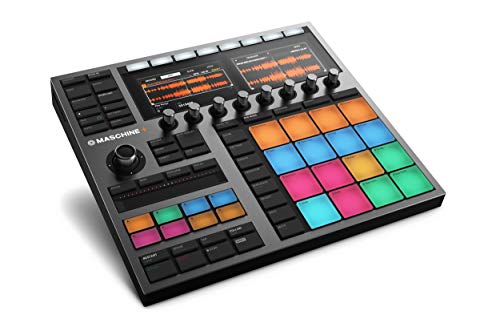
- Standalone beatmaking, sampling, arranging, and performance
- Quad-core CPU, 4 GB RAM, and onboard sound library
- Pro audio interface with MIDI, mic, and USB connections
Best For: producers who want a full standalone Maschine workstation
Performance Sampler Pick

- Fast workflow with OLED display and 17 RGB pads
- Real-time/auto-chop, resampling, and extensive effects
- Portable power options including USB-C and batteries
Best For: performers and beatmakers who prioritize fast sample editing
Portable Ableton Sketchpad

- Battery-powered standalone instrument with speaker and mic
- 32 pads with polyphonic aftertouch plus touch encoders
- On-device sampling, slicing, resampling, and Ableton integration
Best For: Ableton-focused creators who want a portable sampling sketchpad
Compact Granular Sampler
Roland AIRA Compact P-6 Creative Sampler

- Built-in mic for quick sample capture
- Chop, step sampling, and resampling workflow
- Granular engine with detailed sound controls
Best For: Portable producers who want compact sampling and granular sound design
Hybrid Sampling Studio
1010music Bento Sampling Production Studio

- Hybrid sampler/sequencer with two synthesis modes
- 16 velocity- and pressure-sensitive performance pads
- Five track types plus microSD storage
Best For: Producers who want a portable all-in-one sampler and sequencer
Portable Beatmaker Sampler
teenage engineering EP-133 K.O. II
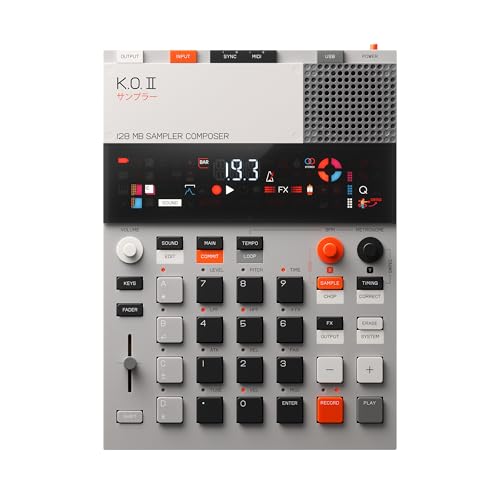
- Built-in mic, line-in, and resampling support
- Fast sequencer with 4 groups x 99 patterns
- Punch-in effects and built-in speaker for live use
Best For: Beatmakers and performers who want fast sampling and live pattern control
Next-Gen Desktop MPC

- Standalone sampling, sequencing, and song creation
- 7-inch touchscreen with 16 MPC pads
- USB-C studio connectivity and hybrid DAW support
Best For: Compact desktop producers who want a full standalone MPC workflow
Groovebox Sample Station
Polyend Play+ Standalone Synthesizer
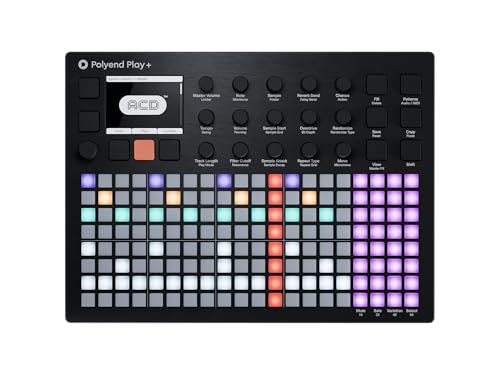
- 16 stereo tracks for pattern-based production
- 5,000+ onboard samples with microSD storage
- Backlit pads for hands-on sequencing
Best For: Beatmakers who want a pad-based standalone groovebox for samples and MIDI sequencing
Portable Flagship MPC
Akai Professional MPC Live III Retro

- Battery-powered standalone MPC with no computer required
- Integrated mic, stereo monitors, and expandable storage
- Expressive MPCe pads and touch strip for performance
Best For: Mobile producers and performers who want a fully standalone MPC with built-in monitoring and battery power
Portable MPC Starter – Akai MPC Sample
If you want a standalone sampler for music production that keeps the classic MPC workflow but trims the learning curve, the Akai Professional MPC Sample is built for quick ideas anywhere. It combines sampling, sequencing, effects, and battery-powered portability in a compact unit with built-in speaker and microphone, so you can capture and shape sounds without a computer.
Best For: beatmakers, DAWless creators, and beginners who want an easy, portable MPC-style sampler
Pros:
- Battery-powered standalone operation with built-in speaker and internal microphone
- 16 responsive MPC pads, 2.4″ color display, and simple chop-and-build workflow
- Over 100 factory kits plus timestretch, repitch, resampling, and 60 effect types
- USB-C audio/MIDI, microSD storage, and stereo line I/O for flexible setups
Cons:
- MIDI DIN adapter is not included for the MIDI in/out connection
- Compact design may feel more limited than larger MPC workstations
Overall, this is a practical entry point if you want MPC-style sampling in a truly portable format. It focuses on fast creativity and standalone use, while still offering enough connectivity to fit into a home studio or live rig.
All-in-One NI Workstation – Native Instruments Maschine+
The Native Instruments MASCHINE+ is a standalone sampler for music production that leans into a full workstation approach. It handles beat-making, melody writing, sampling, arranging, and performance in one box, with its own CPU, RAM, audio interface, and onboard sound library for creating without a computer.
Best For: producers and performers who want a robust standalone Maschine workflow with pro connectivity
Pros:
- Standalone workflow for creating beats, melodies, sampling, arranging, and performing
- Includes MASCHINE+ Selection with instruments, sounds, effects, and drum/bass synth plugins
- Quad-core CPU and 4 GB RAM for smooth on-device creation
- Pro-grade audio interface with line inputs/outputs, mic input, MIDI I/O, and USB ports
Cons:
- More workstation-like than ultra-portable pocket samplers
- Designed around the MASCHINE ecosystem, which may suit some workflows better than others
If you want a serious standalone centerpiece rather than a simple sketchpad, MASCHINE+ offers that larger creative environment. It stands out for its onboard sound set and studio-friendly connections, making it a strong choice for both production and live use.
Performance Sampler Pick – Roland SP-404MKII
The Roland SP-404MKII is a strong standalone sampler for music production if you care about fast sample editing and performance-focused beatmaking. It keeps the classic SP feel but adds an OLED display, quicker workflow, expanded effects, and battery-friendly portability for sketching ideas or playing live.
Best For: sample performers and beatmakers who want a fast, effects-heavy SP workflow
Pros:
- Vivid OLED display and 17 velocity-sensitive RGB pads for easier editing and playability
- Fast startup, low-latency pads, 16 GB internal storage, and quick sample loading
- Real-time and auto-chop modes, BPM detection, pitch shift, resampling, and extensive onboard effects
- Multiple power options, including USB-C, batteries, or AC adaptor
Cons:
- Internal project and sample limits may feel restrictive for larger arrangements
- Best suited to performance sampling rather than a full workstation-style production hub
For hands-on beatmaking and live sample manipulation, the SP-404MKII is one of the most focused options here. It favors speed, character, and portability, which makes it especially appealing if you want to build tracks around samples and effects.
Portable Ableton Sketchpad – Ableton Move
The Ableton Move is a portable standalone instrument for music production that mixes sampling, sequencing, and instrument ideas into a compact, battery-powered unit. With built-in speaker, microphone, and deep integration with Ableton tools, it is designed for capturing sounds quickly, chopping them on-device, and turning sketches into tracks without a computer.
Best For: Ableton users and portable beatmakers who want a hands-on sketching device with sampling tools
Pros:
- Standalone portable design with rechargeable battery, speaker, microphone, and processor
- 32 velocity-sensitive pads with polyphonic aftertouch and nine touch-sensitive encoders
- Sample capture through mic, 3.5 mm input, or USB-C, plus on-device slicing and internal resampling
- Includes Ableton Live 12 Intro, 64 GB storage, Wi-Fi, Ableton Cloud, and Link transfer tools
Cons:
- Four-track structure is intentionally limited compared with larger production systems
- Some advanced workflow benefits depend on Ableton software integration
Move is best viewed as a fast idea-capture machine rather than a full studio replacement. If you want a compact sampler that ties directly into the Ableton ecosystem, it offers a very practical path from field recording and sketching to finished arrangements.
Compact Granular Sampler – Roland AIRA Compact P-6 Creative Sampler
If you want a standalone sampler for music production that fits in a small setup, the Roland AIRA Compact P-6 is built around fast capture, chopping, and hands-on sound shaping. It combines a built-in mic, step sampling, granular controls, and a 64-step sequencer in a pocket-size format, so you can move quickly from recorded sound to playable parts.
Best For: Portable beatmakers and producers who want compact sampling, granular sound design, and immediate sequencer control.
Pros:
- Built-in mic makes it easy to capture samples quickly without extra gear.
- Chop and step-sampling features help turn recordings into playable slices fast.
- Granular parameters and dedicated filters/envelopes give detailed sound-shaping control.
- USB-C audio and MIDI support add flexibility for modern setups.
Cons:
- Small form factor may feel limited if you want a larger hands-on workflow.
- About 3 hours of battery life may require planning for longer sessions.
The P-6 stands out if you value speed and portability over a big workstation layout. It is especially appealing for producers who want to sample, resample, and sculpt sounds on the fly in a compact rig.
Hybrid Sampling Studio – 1010music Bento Sampling Production Studio
The 1010music Bento is a standalone sampler for music production designed as a hybrid sampling and sequencing center. With 16 performance pads, velocity and pressure sensitivity, five track types, and two synthesis modes, it is aimed at users who want a more complete production surface in a battery-powered, portable unit.
Best For: Producers who want a portable all-in-one sampler/sequencer with performance pads and flexible track types.
Pros:
- Hybrid sampler/sequencer design supports both sampling and structured production.
- 16 performance pads with velocity and pressure sensitivity suit expressive finger drumming.
- Five track types and two synthesis modes expand workflow options.
- microSD storage and USB-C connectivity keep it practical for portable use.
Cons:
- At 2.73 pounds, it is less pocketable than smaller sampler units.
- Its broader feature set may be more than you need if you only want simple sample playback.
Bento makes sense for producers who want one device to handle more of the creative process. It is a strong choice when you want hands-on pads, sequencer depth, and portable operation in the same box.
Portable Beatmaker Sampler – teenage engineering EP-133 K.O. II
If your goal is a standalone sampler for music production that gets ideas moving fast, the teenage engineering EP-133 K.O. II is built for speed, performance, and easy sampling. It offers built-in mic recording, resampling, chopping, punch-in effects, and a reworked sequencer, all in a portable design powered by AAA batteries or USB-C.
Best For: Beatmakers and live performers who want fast sampling, pattern building, and hands-on effects in a portable unit.
Pros:
- Built-in mic and line-in make it easy to sample from different sources.
- Reworked sequencer with 4 groups x 99 patterns supports quick beat building and variation.
- Resampling, chopping, and punch-in effects help turn raw audio into finished ideas.
- Built-in speaker, MIDI I/O, and USB-C power add practical portability.
Cons:
- 128 MB memory is sizable for the class, but still finite for larger libraries.
- Its workflow is oriented toward speed, so it may not suit users seeking deep studio-style editing.
The K.O. II is a strong fit if you want a compact sampler that encourages fast beat construction and live tweaking. It feels especially suited to sketching ideas, performing patterns, and moving quickly from sample to track.
Next-Gen Desktop MPC – Akai Professional MPC One G2
If you’re looking for a standalone sampler for music production that stays compact without cutting core features, the Akai Professional MPC One G2 is built for exactly that job. It gives beatmakers and producers a no-laptop workflow for chopping samples, sequencing external gear, and arranging full songs with MPC3 OS, while USB-C makes it easier to drop it into a modern studio setup.
Best For: Producers who want a compact, fully standalone MPC for sampling, sequencing, and track building.
Pros:
- Standalone MPC3 workflow for sampling, sequencing, and full song creation without a computer
- 7-inch touchscreen, 16 velocity-sensitive pads, and USB-C studio connectivity
- Up to 16 stereo audio tracks and 32 plugin instruments per project
- Includes over 20GB of factory content plus bundled instrument plug-ins
Cons:
- Best suited to desk-based production rather than portable, battery-powered use
- Uses pads instead of a traditional keyboard, which may not suit every workflow
- Advanced feature set may be more than casual users need
For a compact standalone sampler for music production, the MPC One G2 stands out if you want serious arranging power in a smaller desktop footprint. It is especially appealing if you value fast sampling, hybrid DAW integration, and an all-in-one box that can handle ideas from sketch to finished track.
Groovebox Sample Station – Polyend Play+ Standalone Synthesizer
The Polyend Play+ is a streamlined standalone sampler for music production if you want a groovebox-style workflow centered on pads, patterns, and onboard sounds. With 16 stereo tracks, 5,000+ onboard samples, and microSD expansion, it is designed for fast idea building without relying on a laptop.
Best For: Beatmakers who want a pad-based standalone groovebox for samples and MIDI sequencing.
Pros:
- 16 stereo tracks for layered sequencing and groove creation
- 5,000+ onboard samples ready to use out of the box
- Backlit performance pads for hands-on control
- 16GB microSD card and slot for sample storage and expansion
Cons:
- Less focused on deep DAW-style arrangement than a full MPC-style workstation
- Headphone output is 3.5mm only
- Best fit is pattern-based production, not keyboard-style playing
If your priority is quick sketching, sequencing, and sample-driven groove building, the Play+ offers a practical standalone path. It looks strongest for producers who want an immediate, pad-first box rather than an all-in-one studio centerpiece.
Portable Flagship MPC – Akai Professional MPC Live III Retro
For producers who want a standalone sampler for music production that can move from studio to stage, the Akai Professional MPC Live III Retro offers a battery-powered, no-computer workflow with serious built-in tools. It combines sampling, recording, sequencing, and mixing features with integrated mic, stereo monitors, and expandable storage for a highly self-contained setup.
Best For: Mobile producers and performers who want a fully standalone MPC with built-in monitoring and battery power.
Pros:
- Fully standalone with MPC3 OS, 8-core processor, and 8GB RAM
- Battery-powered design with integrated mic and built-in stereo monitors
- Expressive MPCe pads with velocity, pressure, and X/Y control
- Large storage options with 128GB internal memory plus SD or SSD expansion
Cons:
- Larger and more feature-heavy than a simple desktop sampler
- More advanced workflow may be overkill for basic sampling needs
- Premium feature set likely places it at the higher end of the market
The MPC Live III Retro is the most versatile option here if you want to create anywhere and keep everything in one box. It is a strong fit for producers who need portable power, deep sequencing, and hands-on performance control without depending on a laptop.
How We Picked the Best Standalone Sampler for Music Production
We looked for a strong mix of sampling depth, sequencing flexibility, onboard effects, portability, and ease of use. Because a Standalone Sampler for Music Production should speed up creativity, we prioritized units that make it easy to capture sounds, chop samples, build patterns, and perform without extra hardware.
We also weighed practical details such as battery options, storage, connectivity, pad quality, screen workflow, and whether the device works better as a sketchpad or as the center of a full production setup.
Quick Comparison: Which Type Fits Your Workflow?
If you want a classic beat-centric experience, MPC-style units are often the best fit. If you care more about experimental performance and sample mangling, grooveboxes like the SP-404MKII or compact creative samplers can be more inspiring. If you need deeper sound design or hybrid sequencing, workstation-style models and sampler-sequencer hybrids may suit you better.
The key is matching the device to your process. Some users want a fast Standalone Sampler for Music Production that helps them finish tracks quickly, while others want a broader production hub that can handle instruments, MIDI, and arrangement duties too.
Key Buying Factors for a Standalone Sampler for Music Production
Sampling Workflow
Look for fast resampling, straightforward chopping, and clear editing tools. If you sample from records, phones, or external gear, input options and monitoring matter as much as headline specs.
Sequencing and Arrangement
A good sequencer should make it easy to build patterns, chain sections, and move from loop-based ideas to complete songs. More tracks, better automation, and intuitive song mode features can make a big difference.
Effects and Sound Design
Onboard effects are not just extras. They shape the character of the machine and reduce the need for outboard gear. Granular tools, filters, time-stretching, and creative FX are especially valuable for modern sample-based production.
Portability and Hands-On Control
If you create away from the studio, consider size, weight, battery life, and built-in speakers or microphones. Pads, knobs, and tactile controls also affect how naturally ideas flow when you are making music quickly.
Who Should Buy Which Standalone Sampler for Music Production?
Choose a performance-focused sampler if you want live chopping, improvisation, and expressive effects. Pick a workstation-style unit if you need a more complete production center with deeper song-building tools. If you are a beginner or mobile creator, compact models can offer enough power without overwhelming you.
For most buyers, the best Standalone Sampler for Music Production is the one that matches how you make music every day: fast sketching, detailed arrangement, live performance, or a balance of all three.