Good mobile audio can make a phone video sound instantly more polished, credible, and watchable. The right wireless mic also makes recording faster, cleaner, and far less frustrating than relying on a phone’s built-in microphone.
Below, we break down the best options for different needs, from compact single-transmitter kits to dual-mic systems for interviews, short-form content, and on-the-go filming.
Best 10 Wireless Microphones for Smartphones Picks for 2026
Ultra-Compact Smartphone Creator Pick
DJI Mic Mini (1 TX + 1 Mobile RX)

- 10 g transmitter stays discreet on camera
- USB-C receiver supports quick phone setup
- 48h battery life with charging case
Best For: Solo vloggers and livestreamers using a smartphone
Best Two-Mic USB-C Kit

- Includes 2 mics for two-person recording
- Pre-paired setup needs no app or pairing
- Up to 21h combined battery with case
Best For: Interview-style creators using USB-C phones
Ultralight Long-Range Choice
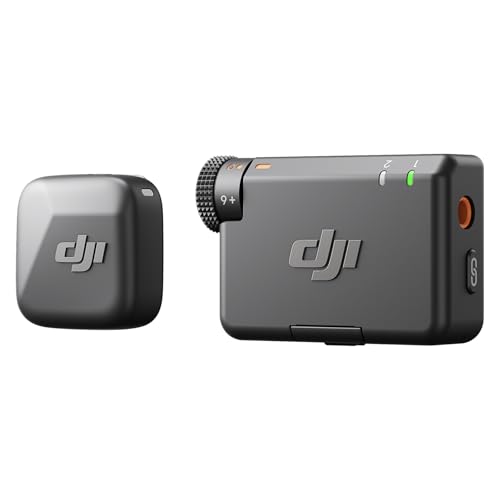
- 10 g transmitter is discreet and easy to wear
- 400 m range suits mobile shooting outdoors
- Works with smartphone, camera, and PC
Best For: Creators who want one compact mic for multiple devices
Studio-Grade Budget Duo

- 48kHz/24-bit recording with 120 dB SPL handling
- Three noise-cancellation levels for tough spaces
- USB-C plug-and-play setup for phones
Best For: Mobile creators wanting better audio on a budget
Ultra-Light AI Clip-On
BOYA mini 2 Wireless Lavalier Microphone for Smartphones

- 5g mic is easy to hide and wear all day
- AI noise cancellation with Strong and Light modes
- 30-hour battery life and 328 ft range
Best For: Smartphone creators who want a tiny, discreet lavalier with app control
Plug-and-Play Denoise Pick
USB C Lavalier Microphone Wireless Mini Mic

- USB-C plug-and-play setup for quick use
- Noise reduction and original sound modes
- Includes windscreens, foam covers, and adapters
Best For: Beginners who want an easy wireless mic for phone content creation
Pro-Grade Long-Range Pick
Hollyland Lark M2 Wireless Microphone for Smartphones

- 9g mic with 48kHz/24-bit audio
- Up to 1,000 ft line-of-sight range
- 30-hour battery life with charging case
Best For: Creators who want premium range and cleaner voice quality on mobile shoots
Dual-Pack Creator Kit

- 2-pack setup for two-person recordings
- Longer receiver works with many phone cases
- Plug-and-play use with no app needed
Best For: easy multi-device recording for creators and casual interviews
Smart Display USB-C Mic

- LED indicators show pairing, mute, noise reduction, and battery
- USB-C receiver with Lightning adapter expands compatibility
- Up to 14 hours total use with two mics
Best For: mobile creators who want status visibility and simple plug-and-play setup
Long-Range Interview Kit

- Up to 98 feet of wireless range
- Two mics for simultaneous recording
- Receiver can charge your phone during use
Best For: interviews and video shoots that need more freedom of movement
Ultra-Compact Smartphone Creator Pick – DJI Mic Mini (1 TX + 1 Mobile RX)
If you want wireless microphones for smartphones that stay light, simple, and ready for solo shooting, the DJI Mic Mini is built for that job. It pairs a tiny 10 g transmitter with a plug-and-play USB-C mobile receiver, while also offering noise cancellation, automatic limiting, and strong transmission stability for mobile content creation.
Best For: Solo vloggers, livestreamers, and phone creators who want a discreet mic with easy USB-C setup.
Pros:
- Very small and lightweight transmitter at just 10 g
- USB-C mobile receiver makes phone connection quick and direct
- 400 m max transmission range for stable recording in busy environments
- 48h battery life with the charging case for extended sessions
Cons:
- Single-channel setup may not suit two-person interviews
- Focused on a mobile-first workflow rather than broader multi-mic use
Overall, this is a strong choice if portability matters more than anything else. It gives smartphone creators reliable audio in a compact package, with enough battery and noise control to handle everyday filming and on-the-go livestreams.
Best Two-Mic USB-C Kit – RØDE Wireless Micro
For wireless microphones for smartphones, the RØDE Wireless Micro is a straightforward two-person kit made for fast phone recording. It connects directly to USB-C iPhones and Android phones, uses pre-paired mics, and includes GainAssist auto leveling so you can focus on filming instead of riding levels.
Best For: Creators who want a simple dual-mic setup for interviews, shorts, and everyday mobile video.
Pros:
- Two microphones included for creator-and-guest recording
- Pre-paired setup with no app or manual pairing needed
- GainAssist helps keep voice levels consistent automatically
- Charging case provides up to 21 hours of combined use
Cons:
- USB-C phones only, so it is not for Lightning iPhones
- No mention of onboard advanced noise cancellation
If you want a clean, no-fuss mobile audio kit, this one keeps the workflow simple. It is especially appealing for creators who value quick setup, two-mic coverage, and dependable day-long use from a pocket-sized system.
Ultralight Long-Range Choice – DJI Mic Mini (1 TX + 1 RX)
If you need wireless microphones for smartphones that also work across other devices, this DJI Mic Mini package is a flexible all-rounder. It keeps the same ultralight 10 g transmitter, 400 m range, and two-level noise cancelling, while adding a receiver kit that can support phone, camera, and computer workflows.
Best For: General content creators who want a compact mic that can move between phone, camera, and computer use.
Pros:
- Ultralight 10 g transmitter is easy to wear and discreet on camera
- 400 m maximum transmission range for stable recording
- Two-level active noise cancelling helps in quiet or noisy settings
- Includes phone adapter and useful accessories for flexible use
Cons:
- Approx. 10h operating time is shorter than the charging-case version
- Single-channel system limits it to one speaker at a time
This version makes sense if you want a compact wireless mic but do not need the longest runtime available. It offers strong mobile performance and enough compatibility to serve as a practical everyday kit for creators who switch between devices.
Studio-Grade Budget Duo – Hollyland Lark A1
The Hollyland Lark A1 is a smart pick if you want wireless microphones for smartphones with stronger audio features at a practical price point. It offers 48kHz/24-bit recording, 120 dB SPL handling, three levels of noise cancellation, and a plug-and-play USB-C receiver for quick streaming or recording.
Best For: Mobile creators who want two mics, solid sound quality, and easy plug-and-play use for social video.
Pros:
- 48kHz/24-bit audio with 120 dB SPL handling
- Three noise-cancellation levels for different environments
- USB-C receiver supports instant plug-and-play recording
- Up to 18h battery life from alternating transmitters
Cons:
- Battery life depends on alternating the two transmitters
- Best suited to smartphone workflows rather than broad device use
As a phone-focused kit, it balances features and usability well. The combination of strong voice capture, noise control, and long total runtime makes it a practical option for creators who want better mobile audio without complicating the setup.
Ultra-Light AI Clip-On – BOYA mini 2 Wireless Lavalier Microphone for Smartphones
If you want wireless microphones for smartphones that stay discreet on-camera, the BOYA mini 2 is built for minimal visibility and everyday portability. At just 5 grams, it clips on comfortably, while its AI noise cancellation, 48kHz/24-bit recording, and app-based controls make it a practical choice for vlogging, interviews, and short-form video.
Best For: Creators who want an ultra-small lavalier mic with strong noise control and long battery life for phone-based recording.
Pros:
- 5g thumb-sized design blends into clothing and stays comfortable for long sessions
- Adaptive AI noise cancellation with Strong and Light modes for different environments
- 48kHz/24-bit audio, 80dB signal-to-noise ratio, and limiter plus safety track for cleaner capture
- Up to 30 hours of battery life with the charging case and 328 ft wireless range
Cons:
- Bluetooth is not supported
- Some camera compatibility is limited to specific DJI devices
- Works best away from walls and obstacles to avoid dropouts
Overall, this is a strong pick if your priority is a tiny wireless mic that disappears on clothing but still offers serious control through the companion app. It suits smartphone creators who want cleaner voice capture without carrying a bulky setup.
Plug-and-Play Denoise Pick – USB C Lavalier Microphone Wireless Mini Mic
For buyers comparing wireless microphones for smartphones, this GoorDik mini mic stands out for simple plug-and-play use and flexible denoise options. It connects through USB-C, includes both noise reduction and original sound modes, and adds wind protection accessories that can help when recording outdoors or in breezy conditions.
Best For: New and budget-conscious content creators who want an easy USB-C wireless mic for phones, tablets, or basic recording setups.
Pros:
- USB-C plug-and-play design keeps setup simple
- Two noise modes let you switch between denoised audio and original sound
- Includes furry windscreens and foam covers for outdoor recording help
- Battery life of 6-12 hours per transmitter supports longer shoots
Cons:
- Some Android phones may require OTG activation
- Computer use may need sound-setting adjustments
- Wireless range is listed at 30 meters, which is shorter than premium long-range options
This model is a sensible choice if you want a straightforward wireless mic that works directly with USB-C phones and includes useful extras in the box. It is less about premium specs and more about convenience, compatibility, and usable audio for everyday content creation.
Pro-Grade Long-Range Pick – Hollyland Lark M2 Wireless Microphone for Smartphones
If you need wireless microphones for smartphones with a more pro-oriented feature set, the Hollyland Lark M2 is built around portability, strong audio quality, and long-distance transmission. It weighs just 9g, supports 48kHz/24-bit recording, and offers up to 1,000 ft line-of-sight range, making it a strong option for filming, streaming, and podcasting on the move.
Best For: Serious creators who want premium wireless range, studio-style audio specs, and fast setup for mobile recording.
Pros:
- Very compact 9g design is easy to wear and carry
- 48kHz/24-bit audio with 70dB signal-to-noise ratio for detailed voice capture
- Up to 1,000 ft line-of-sight transmission for flexible shooting setups
- 30-hour total battery life with the charging case and quick recharge support
Cons:
- Longest range is line-of-sight, so obstacles will reduce reliability
- Best app and noise controls add extra steps for users who want the simplest setup
- USB-C version is the main fit for Android and newer iPhones, so buyers must match the right version
The Lark M2 is the most capable pick here if range and audio quality matter more than price or simplicity. It is especially appealing for creators who want a compact system that can handle noisy environments and mobile production without feeling cumbersome.
Dual-Pack Creator Kit – MAYBESTA Mini Wireless Mic
If you want wireless microphones for smartphones that are simple to set up and flexible across devices, this MAYBESTA 2-pack is built for fast recording. It uses a plug-and-play connection with no app required, and the longer receiver is designed to work with more phone cases, which is handy for creators who film on the move.
Best For: Creators who need an easy two-mic setup for phones, tablets, laptops, and quick content shoots.
Pros:
- 2-pack design supports interviews, duets, and two-person recordings.
- Longer receiver helps compatibility with many phone cases.
- Omnidirectional pickup and noise reduction chip aim for clearer sound.
- Works with Android, iPhone, iPad, laptop, and tablet devices.
Cons:
- Single-channel setup is less advanced than some multi-channel options.
- Battery and range are described generally, not with exact runtime or distance here.
Overall, this is a practical pick if you want an uncomplicated wireless mic kit for everyday filming, livestreaming, and podcast-style use. It focuses on compatibility and convenience more than pro-grade feature complexity.
Smart Display USB-C Mic – Uewpv Mini Lavalier
For wireless microphones for smartphones with clearer status feedback, this Uewpv mini lavalier adds a smart LED display while keeping the setup straightforward. It plugs in with USB-C, includes a Lightning adapter, and is made for quick recording sessions where you want noise reduction, portable operation, and a charger-friendly receiver.
Best For: Phone creators who want a USB-C mic with visible status indicators and straightforward plug-and-play use.
Pros:
- Smart LED indicators show pairing, mute, noise reduction, and battery status.
- Plug-and-play design avoids Bluetooth, cables, and app setup.
- Up to 14 hours total use when alternating between the two mics.
- USB-C receiver plus Lightning adapter broadens phone and tablet compatibility.
Cons:
- Some Android devices may need OTG enabled before pairing.
- Single mic runtime is listed at up to 7 hours, so longer shoots may require alternating.
This model stands out if you like seeing mic status at a glance and want a compact kit that stays easy to manage. It’s a solid fit for vlogging, short-form video, and mobile recording where convenience matters.
Long-Range Interview Kit – CZOCPOS Wireless Lavalier
If you’re comparing wireless microphones for smartphones for interviews or field recording, this CZOCPOS 2-pack leans into range and flexibility. It offers automatic pairing, USB-C with an iOS adapter, and a stable wireless transmission distance listed up to 98 feet, making it useful when you need a little more freedom from the phone.
Best For: Two-person interviews, mobile video shoots, and creators who want longer wireless range.
Pros:
- Up to 98 feet of wireless transmission for more movement during recording.
- Two microphones support simultaneous two-person use.
- Three modes include noise reduction, mute, and reverb.
- Receiver can charge your phone while recording.
Cons:
- Battery life is up to 5 hours, which is shorter than some alternatives.
- Android users need to make sure OTG is enabled before use.
As a practical creator kit, this one makes sense when range and dual-mic flexibility matter more than all-day battery life. It’s especially well suited to interview-style recording, outdoor clips, and quick social content.
How We Picked the Best Wireless Microphones for Smartphones
We focused on the features that matter most for real-world phone recording: sound quality, ease of use, smartphone compatibility, battery life, portability, and included accessories. For Wireless Microphones for Smartphones, the best models are the ones that connect quickly, stay stable during recording, and deliver clear speech with minimal setup.
We also favored kits that suit modern creators, including USB-C options for newer iPhone and Android devices, compact charging cases, and versions that work well for solo filming as well as two-person conversations.
Quick Comparison
Think in terms of use case first. If you need the smallest possible setup for run-and-gun filming, a mini single-mic kit may be enough. If you record interviews, product demos, or creator collabs, a dual-transmitter system is usually the smarter buy. Some shoppers will also want the simplest plug-and-play choice, while others may prefer a more feature-rich package with stronger range, better noise control, or a charging case for longer shooting days.
Key Buying Factors for Wireless Microphones for Smartphones
Compatibility
Check whether the mic includes USB-C, Lightning support, or a receiver that matches your phone. Compatibility should be the first filter, especially if you switch between iPhone, Android, and tablet use.
Mic Count
One transmitter works well for solo creators, voiceovers, and talking-head videos. Two transmitters are better for interviews, couple content, and any situation where you need two people speaking clearly at once.
Noise Handling
Look for noise reduction if you record outdoors, in busy homes, or in echo-prone rooms. Good noise handling can help speech stay intelligible, but it should not make voices sound thin or artificial.
Battery and Portability
Compact mics are easiest to carry, but battery life and charging case capacity matter if you film for extended periods. A small kit with poor runtime can become a bigger hassle than a slightly larger one.
Range and Stability
For smartphone video, stable connection matters more than headline range alone. A reliable connection across a room or small outdoor space is usually more valuable than a large number on the box.
Who Should Buy Which Wireless Microphones for Smartphones?
Choose a single-mic kit if you mainly record solo content, tutorials, or casual social clips. Choose a dual-mic system if you make interviews, podcasts on the move, or collaborative videos. If you want the easiest possible setup, prioritize plug-and-play receivers and lightweight transmitters. If you travel often, a model with a charging case and compact carrying design is the most practical choice.
In short, the best Wireless Microphones for Smartphones are the ones that match how you actually record. Start with your phone type, decide whether you need one or two mics, then weigh portability, battery life, and noise reduction against your budget.