Choosing the right monitoring setup can make singing on stage feel dramatically easier. A good personal monitor mixer helps you hear your voice clearly, stay in tune, and perform with more confidence.
Below, we focus on compact, practical options for singers who want better control over their mix, whether you need a simple wired amp, a wireless IEM system, or a more advanced networked solution.
Best 10 Personal Monitor Mixer for Singers Picks for 2026
Analog Monitor Control
ART MyMONITORII Personal Headphone Monitor Mixer
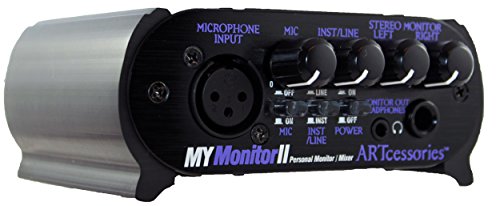
- Blends mic, instrument, and stereo sources
- Passes phantom power for condenser mics
- Pop-less mute switch and blend control
Best For: Singers needing a simple wired personal monitoring mixer
Wireless Freedom
LEKATO MS-02 Stereo IEM System

- 2.4G wireless IEM with low latency
- One transmitter can feed up to four receivers
- Mono/stereo modes with battery indicators
Best For: Singers and small groups wanting wireless in-ear monitoring
Budget Studio Mixer
Depusheng M6 Portable 6-Channel Mixer

- 6 channels with XLR/line combo inputs
- USB audio interface for PC monitoring and recording
- Bluetooth plus 48V phantom power support
Best For: Singers needing a compact mixer for monitoring and recording
Ultra-Compact Belt Pack
Behringer P2 Personal IEM Amplifier

- Hard-wired belt-pack monitor control
- Mono/stereo switch with locking combo input
- 3.5 mm output for earbuds or custom IEMs
Best For: Stationary singers wanting a compact wired in-ear monitor amp
Stage-Ready Mixer
Compact 4-Channel Console with USB and FX

- AUX and EFX sends help build separate monitor mixes.
- Independent channel controls make vocal balancing easier.
- USB, Bluetooth, and 16 DSP effects add flexibility.
Best For: Singers and small live setups that need monitor-send control
Compact Creator Mixer
4-Channel Board with 99 DSP Effects

- Monitoring support works well for vocal-focused setups.
- 99 DSP effects and 7-band EQ help shape vocals.
- USB, Bluetooth input, and USB playback support creators.
Best For: Singers and creators needing a compact monitoring mixer
AVB Personal Monitoring for Full Band Control

- 16-channel AVB personal monitor mixer
- Loud headphone amp for low-impedance IEMs
- 3-band EQ, limiter, and scene storage
Best For: Singers and bands on StudioLive Series III AVB systems
Compact USB Mixer for Streaming and Vocal Monitoring

- Four-channel mixer with slider faders
- XLR input with 48V phantom power
- USB plug-and-play with real-time monitoring
Best For: Singers and creators needing an easy USB monitor mixer
Portable Beltpack IEM Amp With Flexible Inputs

- Compact beltpack in-ear monitor amplifier
- Mono, dual mono, and stereo mix options
- XLR/TRS inputs with built-in limiter
Best For: Singers needing a portable, durable IEM beltpack
Analog Monitor Control – ART MyMONITORII Personal Headphone Monitor Mixer
If you want a personal monitor mixer for singers that keeps the setup simple and wired, the ART MyMONITORII is built around blending a microphone, instrument, and stereo source into one personal cue mix. It also gives you a mic input with thru, an instrument/line input with thru, and a stereo monitor input with blend control, which makes it practical for straightforward stage or rehearsal monitoring.
Best For: Singers who want a compact wired belt-pack mixer with mic passthrough and simple source blending.
Pros:
- Blends microphone, instrument, and stereo monitor sources for personal listening
- Passes phantom power, which supports condenser microphone use
- Includes pop-less on/off mute switch for cleaner operation
- Wired 2-channel design keeps the monitoring chain simple
Cons:
- Battery-powered design may not suit users wanting a fully console-style unit
- Only 2 channels, so it is less flexible than larger mixers
- Requires wired connections rather than a wireless monitoring setup
The MyMONITORII is a good fit when you want direct control over a personal mix without extra complexity. It is especially useful for singers who need mic compatibility, stereo blend control, and a compact monitoring box they can rely on night after night.
Wireless Freedom – LEKATO MS-02 Stereo IEM System
For singers who want a personal monitor mixer for singers without being tied to a cable, the LEKATO MS-02 focuses on wireless in-ear monitoring with low-latency 2.4G transmission. It supports one transmitter to multiple receivers, offers mono or stereo operation, and includes LED status feedback plus volume control on the receiver for quick adjustments on stage or in rehearsal.
Best For: Singers, church teams, and small bands that need wireless in-ear monitoring with simple pairing.
Pros:
- Ultra-low latency wireless monitoring with 24bit/48KHz audio quality
- Supports one transmitter to up to four receivers for group use
- Includes mono/stereo mode switching for different monitoring needs
- Up to 6-8 hours of battery life with LED battery and volume indicators
Cons:
- Earbuds are not included and must be purchased separately
- Wireless system adds more setup than a basic wired belt-pack monitor
- Best suited to users who specifically want in-ear monitoring, not a traditional mixer-style box
The MS-02 is a strong pick if mobility matters most and you want a compact wireless monitoring solution for stage use. Its one-to-many capability and quick pairing make it especially appealing for singers who share monitoring across a small group.
Budget Studio Mixer – Depusheng M6 Portable 6-Channel Mixer
The Depusheng M6 is a compact mixer that can work as a practical personal monitor mixer for singers who also need recording, webcast, or computer connectivity. With 6 channels, XLR/line combo inputs, Bluetooth, USB audio interface support, and 48V phantom power, it is aimed at users who want a small mixer that can handle multiple sources and feed a PC or DAW.
Best For: Singers who want a small multi-input mixer for monitoring, recording, or streaming.
Pros:
- 6-channel layout with 4 XLR/line combo mic inputs
- Built-in USB audio interface for PC recording and monitoring
- Includes Bluetooth and RCA stereo input options
- 48V phantom power supports compatible condenser microphones
Cons:
- Designed as a general mixer, so it is less specialized than a dedicated monitor belt pack
- Requires corded or adapter/USB power rather than battery operation
- Heavier and larger than ultra-portable personal monitor units
If your monitoring setup also needs to double as a compact recording or webcast mixer, the M6 offers a lot of connectivity for the size. It is a flexible choice, but singers focused purely on stage monitoring may prefer a more dedicated personal unit.
Ultra-Compact Belt Pack – Behringer P2 Personal IEM Amplifier
The Behringer P2 is a hard-wired personal monitor amplifier made for performers who stay in one place and want direct control over their in-ear mix. It accepts balanced line signals from a mixer, includes mono/stereo switching, and provides a 3.5 mm headphone output for earbuds or IEMs, making it a practical personal monitor mixer for singers who want a compact belt-pack solution.
Best For: Singers, keyboardists, and drummers who want a simple wired in-ear monitor control center.
Pros:
- Ultra-compact belt-pack design with built-in clip for easy wear
- XLR/TRS combo input with locking connector for secure cable connection
- Mono/stereo switch helps match different monitor sources
- 3.5 mm output works with headphones, earbuds, or custom IEMs
Cons:
- Hard-wired design limits movement compared with wireless systems
- Best suited to stationary performers rather than roaming singers
- Requires compatible mixer or line source to get the most out of it
The P2 is one of the most straightforward ways to put monitoring control at your belt. For singers who value reliability, small size, and simple operation over wireless convenience, it is an easy-to-understand stage solution.
Stage-Ready Mixer – Compact 4-Channel Console with USB and FX
If you need a personal monitor mixer for singers that can also handle small live jobs, this Phenyx Pro console is built around flexible routing and simple channel control. Its AUX send and EFX send options make it easy to create separate monitor mixes while still using the board for stage sound, karaoke, or basic recording.
Best For: Singers, small bands, and karaoke setups that want monitor-send control plus USB and Bluetooth connectivity.
Pros:
- 4 mono XLR/line combo inputs support microphones, instruments, and other audio sources.
- Independent gain, EQ, pan, AUX, and EFX controls help shape monitor and front-of-house mixes.
- Built-in 16 DSP effects and 3-band EQ add vocal polish and room for live tweaks.
- USB and Bluetooth support make playback and recording more convenient.
Cons:
- Only four channels, so it may feel limited for larger setups.
- Its main strength is live mixing, not a dedicated personal monitor system.
For singers who want monitor-send flexibility without moving to a more complex desk, this mixer offers a practical balance of routing, effects, and connectivity. It is a versatile choice for small stages, rehearsal spaces, and karaoke rigs.
Wireless Practice IEM Pick – Clip-On 2.4G Monitor System for Singers
This JOYO unit is a true personal monitor mixer for singers who want to move away from a headphone cable during practice, rehearsal, or small live use. It connects from a mixer, audio interface, or amp line out and delivers a simple mono in-ear monitoring path with low-latency wireless operation.
Best For: Vocalists practicing at home or rehearsing in small groups who want cordless in-ear monitoring.
Pros:
- Designed for real-time monitoring with 48kHz/16bit audio and low latency.
- One transmitter can pair with multiple receivers for shared rehearsal monitoring.
- Rechargeable design and battery indicator make it easy to manage during sessions.
- Clip-on receiver stays lightweight and out of the way during movement.
Cons:
- Not recommended for large-stage or complex touring setups.
- Uses a mono 6.35mm TS line input, so it is not for direct guitar connection.
For singers focused on practice and small-room monitoring, this is a straightforward wireless solution that keeps setup simple. It is less about advanced routing and more about freeing you from cables while preserving a clear monitor feed.
Compact Creator Mixer – 4-Channel Board with 99 DSP Effects
If you want a personal monitor mixer for singers that doubles as a compact creator hub, this 4-channel board is built for recording, streaming, and karaoke. Its monitoring support, Bluetooth input, USB audio interface, and more detailed 7-band EQ make it useful when you need to hear yourself clearly while shaping a polished vocal mix.
Best For: Singers, streamers, and home-recording users who want a small mixer with monitoring and vocal effects.
Pros:
- 4-channel layout with XLR and 1/4″ inputs covers mics, instruments, and other sources.
- 99 DSP effects offer a wide range of vocal ambience options.
- 7-band EQ gives more precise tone shaping than basic 2- or 3-band mixers.
- USB audio, Bluetooth input, and USB-drive playback add convenient modern connectivity.
Cons:
- Bluetooth is input-only, so it cannot be used for wireless output.
- It is compact, so it may not suit larger multi-source live rigs.
This mixer is a strong fit for singers who want a compact board with useful monitoring and vocal-processing tools. It is especially appealing if you need a desktop-friendly unit for streaming or home recording as much as for live vocals.
AVB Personal Monitoring for Full Band Control – Presonus EarMix 16M
If you need a personal monitor mixer for singers in a StudioLive AVB setup, the Presonus EarMix 16M is built for exactly that job. It gives performers 16 channels of control, a loud headphone amp for low-impedance in-ears, and onboard EQ plus limiting for shaping a reliable vocal mix on stage.
Best For: Singers and bands using StudioLive Series III gear who want networked personal monitor control.
Pros:
- 16×2 AVB-networked personal monitor mixer with local storage for up to 16 mix scenes
- Loud, clear headphone amp designed to drive low-impedance in-ear monitors
- 3-band EQ and limiter on all channels and the main mix
- Two AVB Ethernet ports and support for power over Ethernet
Cons:
- Routing setup is tied to StudioLive Series III consoles and UC Surface
- Mic stand mounting requires a separate accessory
- Best fit is a networked AVB workflow rather than a simple standalone rig
Overall, this is a strong stage solution for singers who want hands-on control of their monitor mix and are already working in Presonus AVB environments. Its built-in limiting, scene storage, and network expansion make it especially practical for repeatable live setups.
Compact USB Mixer for Streaming and Vocal Monitoring – FIFINE AmpliGame SC3W
The FIFINE AmpliGame SC3W is a practical personal monitor mixer for singers who also record, stream, or game from a PC. It combines four adjustable channels, XLR mic support, 48V phantom power, and real-time monitoring in a simple USB plug-and-play design.
Best For: Singers and creators who want an affordable USB mixer with vocal monitoring and XLR mic support.
Pros:
- Four individual control channels with slider faders
- XLR microphone input with built-in 48V phantom power
- Real-time monitoring plus mute and volume controls
- USB plug-and-play setup with multiple rear audio ports
Cons:
- Only four channels, so it is not built for larger monitor mixes
- 3.5mm output is more limited than pro stage monitor systems
- Feature set is aimed more at streaming and recording than live band monitoring
For singers who want a straightforward mixer for vocal monitoring at a desk or home setup, this model offers a useful mix of mic support and hands-on control. It is less of a full stage monitor solution, but it fits well when simplicity and USB connectivity matter most.
Portable Beltpack IEM Amp With Flexible Inputs – Coda IEM-Pro
If you want a personal monitor mixer for singers that is truly portable, the Coda IEM-Pro focuses on simple in-ear monitoring with strong flexibility. It supports mono, dual mono, and stereo mixes, accepts XLR or TRS inputs, and includes a built-in limiter to help protect your hearing on loud stages.
Best For: Singers and musicians who need a compact, durable beltpack in-ear monitor amp.
Pros:
- Mono, dual mono, and stereo mix options for custom monitoring
- Hybrid XLR and TRS input connectors for flexible stage use
- Built-in limiter helps guard against peaks and clips
- Lightweight, compact enclosure with belt clip for easy transport
Cons:
- Battery-powered design may not suit users who prefer powered network units
- Only two output channels, so it is more focused than a full mixer
- Best for personal in-ear monitoring rather than broader mixing duties
This is a good pick for performers who want a small, tough monitor amp that keeps setup simple while still allowing mix shaping. It is especially appealing for singers who value mobility, flexible connections, and hearing protection in one unit.
How We Picked These Personal Monitor Mixer for Singers Options
We focused on monitoring tools that solve real performance problems: clear vocal playback, simple setup, dependable signal path, and enough control for rehearsals or live shows. The list includes basic personal headphone monitor amps, wireless in-ear monitor systems, and small mixers with monitoring features so singers can match the gear to their workflow.
We also looked for practical details that matter on stage, such as portability, latency, input flexibility, phantom power, and whether the unit works best for solo vocalists, small bands, or more complex monitor rigs.
Quick Comparison: Which Type Fits Your Needs?
If you want the simplest solution, a compact personal monitor amp is usually the fastest path to better monitoring. If you move around a lot on stage, a wireless in-ear system may be the better fit. If you also need to mix microphones, instruments, or backing tracks, a small mixer with monitoring features can pull double duty.
For larger productions, networked personal mixers offer more control and consistency, but they make the most sense when your stage setup already supports that format.
Key Buying Factors for a Personal Monitor Mixer for Singers
Sound Quality and Clarity
Singers should prioritize clean vocal reproduction, low noise, and enough output to stay audible without cranking the volume. A monitoring device should make pitch and phrasing easier to hear, not color the sound in a distracting way.
Latency and Stability
For wireless systems, low latency is essential. Any delay between your voice and what you hear can make timing and intonation feel off. Wired units usually win on reliability, while wireless models trade some simplicity for freedom of movement.
Input Options
Check whether you need XLR, TRS, stereo input, USB, or Bluetooth. Some singers only need one vocal feed and a backing track, while others need a fuller mix with multiple sources. The right input options prevent workarounds later.
Portability and Power
Lightweight beltpack-style units are ideal for rehearsals and gigging. Also consider battery life, phantom power if you use condenser mics, and whether the unit is easy to mount, clip on, or carry.
Who Should Buy Which Personal Monitor Mixer for Singers?
Solo singers and worship vocalists often do well with a simple in-ear amp or basic beltpack monitor. Touring performers and active stage singers may prefer a wireless IEM system for freedom of movement. Home-recording singers, streamers, and hybrid creators may be better served by a small mixer that can handle monitoring, microphones, and playback together.
If you are building a more permanent stage setup, a networked solution can be worth the investment. If you just want better hearing on stage with minimal setup, keep it simple and choose the most reliable option that fits your inputs and performance needs.