Choosing the right mic can make a bigger difference than almost any other piece of recording gear. In a professional recording microphone collection, the best options balance clarity, low noise, durability, and the right connection type for your setup.
Below, we focus on ten strong picks for creators, musicians, podcasters, and streamers, with a guide to help you choose the best match for your voice, room, and workflow.
Best 10 Professional Recording Microphone Collection Picks for 2026
Studio-Grade Versatility

- Smooth, detailed condenser sound with controlled low end
- Cardioid pickup and shielding help reduce unwanted noise
- Includes pop filter, shock mount, and carrying case
Best For: Home studios, vocals, streaming, and camera-facing recording
Road-Tested Vocal Classic
Shure SM58 Pro XLR Dynamic Mic

- Warm, articulate vocal tone with midrange presence
- Cardioid pattern helps reject background noise
- Rugged metal build with built-in pop protection
Best For: Singers, podcasting, live vocals, and broadcast use
Creator-Friendly All-Rounder

- Four pickup patterns cover vocals, instruments, and podcasts
- Blue VO!CE software adds broadcast-style effects
- Plug-and-play USB setup with onboard controls
Best For: Streamers, podcasters, and creators who want simple versatility
Entry Studio Benchmark
Audio-Technica AT2020 XLR Condenser
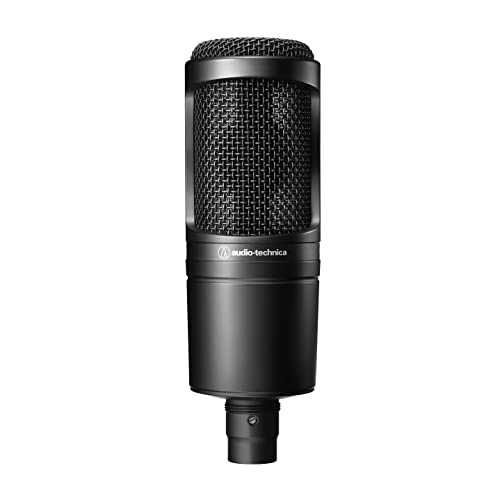
- Known for strong price/performance in home studios
- Cardioid pattern improves isolation of the source
- High SPL handling and wide dynamic range add flexibility
Best For: Project and home studios needing a reliable condenser mic
Dual-Mode Streaming Mic
FIFINE AM8 USB/XLR Dynamic Microphone

- Cardioid dynamic pickup reduces off-axis noise.
- USB mode includes mute, gain, monitoring, and RGB.
- XLR mode supports future upgrade flexibility.
Best For: Streamers and podcasters who want USB convenience plus XLR upgradeability.
Studio Vocal Choice
RØDE NT1 Signature Series Condenser Mic Kit
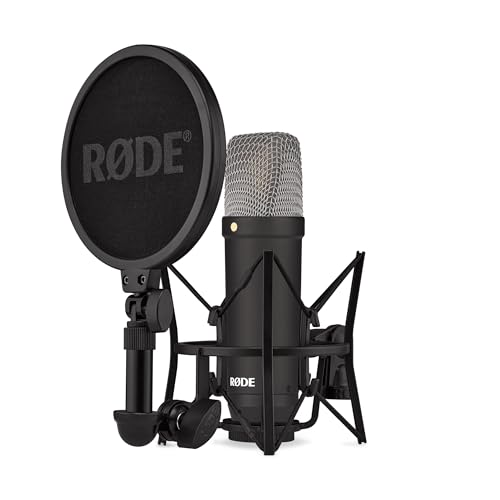
- Large-diaphragm condenser for detailed vocal capture.
- Includes shock mount, pop filter, and XLR cable.
- Suited to music production, streaming, and podcasting.
Best For: Creators building a studio-style vocal setup with included accessories.
Plug-and-Play USB Kit

- 192kHz/24Bit chipset for high-resolution recording.
- Plug-and-play USB setup with no extra driver needed.
- Includes arm stand, shock mount, pop filter, and windscreen.
Best For: Beginners and creators who want an easy all-in-one USB mic package.
Flexible hybrid mic
MAONO PD200W Hybrid Wireless Podcast Microphone

- Wireless, USB, and XLR support
- Dynamic cardioid capsule with noise cancellation
- Dual-mic wireless setup for interviews
Best For: Creators who want one mic for podcasting, streaming, and studio use
Easy USB desktop mic

- Plug-and-play USB connection
- Metal build with tripod stand
- Cardioid pickup with volume control
Best For: Users who want a simple microphone for meetings, streaming, and voiceovers
Versatile studio kit
MAONO A04 Gen2 XLR/USB Condenser Microphone Kit

- XLR and USB connectivity
- Includes boom arm, shock mount, and filters
- Software control with EQ and noise reduction
Best For: Podcasters and creators who want an all-in-one mic bundle
Studio-Grade Versatility – Shure SM4 XLR Recording Kit
If you’re building a professional recording microphone collection around a single versatile XLR condenser, the Shure SM4 is designed to deliver polished, mix-ready audio with minimal fuss. Its smooth frequency response, strong off-axis rejection, and included pop filter and shock mount make it a practical choice for vocals, instruments, voiceover, and camera-facing work.
Best For: Home studios, vocal recording, streaming setups, and creators who want a durable XLR condenser with built-in noise control.
Pros:
- Brass 1-inch dual-diaphragm capsule for clean lows and detailed highs.
- Uniform cardioid pattern helps reject unwanted room noise.
- Integrated pop filter and magnetic external pop filter help reduce plosives.
- Rugged all-metal build and included shock mount add studio durability.
Cons:
- Requires phantom power and an audio interface.
- More of a studio tool than a simple plug-and-play option.
The SM4 stands out as a well-equipped recording mic for users who want cleaner captures before editing starts. If you value consistent results and included accessories, it fits neatly into a serious studio setup.
Road-Tested Vocal Classic – Shure SM58 Pro XLR Dynamic Mic
The Shure SM58 is a staple in any professional recording microphone collection when you need dependable vocal capture with a familiar, proven sound. Its tuned midrange presence, cardioid pickup, and built-in pop protection make it a straightforward option for live vocals, podcasting, broadcast, and recording.
Best For: Singers, spoken-word users, and performers who want a rugged dynamic mic with reliable vocal clarity.
Pros:
- Warm, articulate vocal tuning with subtle midrange lift.
- Uniform cardioid pattern helps minimize background noise and feedback.
- Built-in spherical grille and filter reduce plosives and breath noise.
- Rugged metal construction is made for heavy use.
Cons:
- Dynamic design is less detailed than a condenser for some studio tasks.
- Best results still depend on a proper XLR setup.
The SM58 remains popular because it does one job very well: delivering consistent vocal sound in demanding environments. If your collection needs a trusted all-round vocal workhorse, this is a safe addition.
Creator-Friendly All-Rounder – Blue Yeti USB Streaming Mic
If you want a professional recording microphone collection piece that is easy to use right away, the Blue Yeti is built for fast setup and flexible content creation. Its multi-capsule design, four pickup patterns, and onboard controls make it especially handy for streaming, podcasting, voice recording, and simple music tracking on a PC or Mac.
Best For: Creators who want a versatile USB mic for streaming, podcasting, meetings, and home recording without extra gear.
Pros:
- Four pickup patterns support different recording setups.
- Blue VO!CE software adds broadcast-style vocal effects and processing.
- Onboard controls make gain, mute, and monitoring easy to manage.
- Plug-and-play USB operation simplifies setup on Mac or PC.
Cons:
- USB connection is less expandable than an XLR setup.
- Desk-mounted design may take more space than compact mics.
The Blue Yeti is a strong choice when convenience matters as much as sound quality. It gives beginners and busy creators a flexible mic that can handle multiple recording scenarios without a steep learning curve.
Entry Studio Benchmark – Audio-Technica AT2020 XLR Condenser
The Audio-Technica AT2020 is a classic choice for a professional recording microphone collection if you want a dependable studio condenser at the project-studio level. It combines a cardioid pattern, high SPL handling, and a low-mass diaphragm to deliver clear, versatile recording performance for vocals and instruments.
Best For: Home and project studios looking for an affordable XLR condenser with strong all-around recording capability.
Pros:
- Price/performance reputation makes it a common studio benchmark.
- Cardioid pattern helps isolate the intended source.
- High SPL handling and wide dynamic range increase versatility.
- Low-mass diaphragm supports extended response and good transient detail.
Cons:
- Requires phantom power and an audio interface.
- Bundle is minimal compared with kits that include accessories.
For buyers focused on practical studio value, the AT2020 offers a straightforward path into cleaner XLR recording. It is a sensible pick when you want proven performance without paying for extras you may not need.
Dual-Mode Streaming Mic – FIFINE AM8 USB/XLR Dynamic Microphone
If you’re building a professional recording microphone collection, the FIFINE AM8 is a flexible option that works for both beginners and more advanced setups. Its cardioid dynamic design is aimed at keeping your voice clear while reducing off-axis noise, and the USB/XLR split makes it easy to start simple and upgrade later.
Best For: Streamers, podcasters, and gamers who want one mic that can grow with their setup.
Pros:
- Cardioid dynamic pickup helps reject unwanted ambient noise for clearer vocals.
- USB mode adds tap-to-mute, gain control, headphone monitoring, and RGB lighting.
- XLR mode offers upgrade flexibility with an audio interface or mixer.
- Built-in headphone jack and desktop stand support practical monitoring and placement.
Cons:
- XLR cable is not included.
- RGB and onboard function keys are inactive in XLR mode.
- Best recording range is relatively close, around 2 to 6 inches.
Overall, the AM8 stands out for users who want a versatile mic that can cover casual USB recording now and more refined XLR workflows later. It is a good fit when you want one microphone to handle gaming, streaming, and vocal capture without overcomplicating the setup.
Studio Vocal Choice – RØDE NT1 Signature Series Condenser Mic Kit
The RØDE NT1 Signature Series is a strong pick for a professional recording microphone collection when your priority is clean vocal capture for music production, streaming, or podcasting. As a large-diaphragm condenser microphone with an included shock mount, pop filter, and XLR cable, it is set up for more serious studio-style recording.
Best For: Vocal recording, music production, and creators who want a bundled studio mic kit.
Pros:
- Large-diaphragm condenser design suits detailed vocal and studio capture.
- Includes shock mount, pop filter, and XLR cable for a ready-to-record setup.
- Positioned for music production, streaming, and podcasting use.
- Signature Series package simplifies getting started with a proper recording chain.
Cons:
- XLR connection means you need compatible recording gear.
- No detailed performance specs were supplied in the provided notes.
In practice, this is the most studio-oriented option in the group, especially if you want a classic condenser sound and a bundled accessory set. It makes the most sense for creators who already have, or plan to use, an interface-based recording rig.
Plug-and-Play USB Kit – MAONO A04 Condenser Mic Set
The MAONO A04 is a practical addition to a professional recording microphone collection if you want an easy USB condenser setup with a full accessory kit. It uses a 192kHz/24Bit sound chipset, a 16mm condenser capsule, and plug-and-play USB connectivity, making it straightforward for recording, streaming, and voice work.
Best For: Beginners and content creators who want an all-in-one USB microphone kit.
Pros:
- 192kHz/24Bit chipset supports high-resolution recording.
- Plug-and-play USB setup requires no extra driver or external sound card.
- Includes pop filter, foam windscreen, shock mount, and scissor arm stand.
- Cardioid condenser design and 16mm capsule are aimed at clear voice capture.
Cons:
- Not compatible with Xbox.
- Maono Link is not supported with this model.
- Best recording range is fairly close, around 2 to 6 inches.
For creators who want a simple, bundled microphone kit without piecing together accessories separately, the A04 offers solid utility. It is especially appealing for podcasting, streaming, voice-over, and everyday computer recording where convenience matters.
Flexible hybrid mic – MAONO PD200W Hybrid Wireless Podcast Microphone
If you're building a professional recording microphone collection, the MAONO PD200W stands out for creators who want one mic that can handle wireless, USB, and XLR setups. It's built for podcasting, streaming, vocal recording, and voiceover work, with a dynamic capsule and cardioid pickup aimed at clear speech.
Best For: Solo creators, duo podcasts, and home studios that need flexible connection options.
Pros:
- Offers wireless, USB, and XLR connectivity for different recording setups
- Includes a premium 30mm dynamic capsule with cardioid pickup and 82 dB signal-to-noise ratio
- Supports two wireless desktop mics on one receiver for duo podcasts or interviews
- MaonoLink software lets you adjust presets, EQ, and reverb from PC or smartphone
Cons:
- Some camera and Lightning accessories are sold separately
- Advanced features may be more than needed for very basic recording needs
The PD200W is a strong choice if you want a single microphone that can grow with your setup. Its mix of wireless freedom, studio-style dynamic sound, and software control makes it especially useful for creators who record in multiple environments.
Easy USB desktop mic – FIFINE K669B USB Microphone
The FIFINE K669B is a practical option for a professional recording microphone collection when you want a straightforward USB mic for voice work, meetings, and streaming. It connects directly to a USB-A port, includes a tripod stand, and uses a cardioid pattern to focus on your voice while reducing background noise.
Best For: Beginners, remote workers, and streamers who want an easy plug-and-play desktop mic.
Pros:
- Plug-and-play USB setup with a 5.9-foot cable included
- Metal body and tripod stand add durability and desktop stability
- Built-in volume knob allows quick level control and privacy muting
- Cardioid condenser design helps capture clear, smooth voice audio
Cons:
- Not compatible with Xbox or phones
- USB-only design leaves out XLR upgrade paths
This mic is best when convenience matters more than complex controls. It's a clean, reliable entry point for recording vocals, online meetings, and casual content creation on a desktop or laptop.
Versatile studio kit – MAONO A04 Gen2 XLR/USB Condenser Microphone Kit
The MAONO A04 Gen2 is a versatile addition to a professional recording microphone collection because it combines XLR and USB connectivity with a full accessory kit. It's aimed at podcasting, content creation, voiceover, and streaming, and its software tools make it easy to shape sound in USB mode.
Best For: Creators who want a bundled condenser mic kit with both USB convenience and XLR flexibility.
Pros:
- Dual XLR and USB connectivity for studio or plug-and-play use
- 192kHz/24-bit sampling and a 30Hz-16kHz frequency response for detailed capture
- Includes pop filter, foam windscreen, shock mount, and adjustable arm stand
- MAONO Link software offers gain control, EQ presets, compressor, limiter, and noise reduction in USB mode
Cons:
- XLR operation requires phantom power and an XLR cable is not included
- USB software features only apply in USB mode
If you want an expandable mic kit with a lot in the box, the A04 Gen2 is an easy contender. It gives you room to start simple over USB and move into more advanced studio setups later.
How We Picked the Best Professional Recording Microphone Collection
We looked for a Professional Recording Microphone Collection that covers the most useful use cases without repeating the same kind of mic over and over. The shortlist favors proven brands, solid build quality, dependable noise handling, and flexible connectivity for modern studios and creator setups.
We also prioritized real-world usability: easy setup, useful accessories, and models that suit both treated rooms and typical home environments.
Quick Comparison: Which Mic Type Fits Your Setup?
Condenser mics usually deliver more detail and sensitivity, making them a strong choice for vocals, voice-over, and acoustic instruments in quieter rooms. Dynamic mics are often better at rejecting background noise, which helps in untreated spaces, live-style podcasting, and streaming.
USB models are the easiest path for beginners and desktop creators, while XLR mics give you more upgrade potential through an audio interface or mixer. Hybrid USB/XLR models offer a useful middle ground if you want convenience now and expansion later.
Key Buying Factors for a Professional Recording Microphone Collection
Polar Pattern and Room Noise
Cardioid pickup is the most common choice because it focuses on sound in front of the mic and reduces unwanted room noise. If your space is noisy, a dynamic cardioid mic can be a safer pick than a sensitive condenser.
Connection Type
USB is plug-and-play and ideal for simple workflows. XLR is better if you already use an interface or plan to build a more advanced chain with preamps, mixers, and processing. Hybrid models are especially practical in a Professional Recording Microphone Collection because they adapt as your needs change.
Use Case
Match the mic to the job. Vocal recording, podcasting, gaming, streaming, and voice-over can all benefit from different handling characteristics. There is no single best mic for every creator, but there is usually a best fit for a specific room and workflow.
Accessories and Build
Included mounts, pop filters, shock mounts, cables, and stands can add real value. Metal construction and stable hardware matter too, especially if the mic will live on a desk or travel between sessions.
Who Should Buy Which Professional Recording Microphone Collection?
If you want the most natural studio vocal capture and already have an interface, lean toward XLR condensers like the AT2020 or NT1-style options. If you need a straightforward desktop setup, USB choices from Blue, MAONO, or FIFINE are easier to start with.
For creators who stream, game, or record in a noisy room, dynamic options such as the SM58, AM8, or PD200W can be more forgiving. If you want one mic that can grow with your setup, a hybrid USB/XLR model is often the smartest long-term buy.
In short, the best choice depends less on specs alone and more on how and where you record. Pick the microphone that matches your environment, workflow, and upgrade plans, and your results will improve faster than chasing features you may never use.