Looking for one pedalboard-style unit that can cover practice, recording, and gigs? A guitar multi effects processor with amp modeling can replace several pedals while giving you amp tones, cab IRs, and routing tools in one compact device.
Below, we focus on practical features that matter most: sound quality, ease of editing, connectivity, and the right balance of depth versus simplicity.
Best 10 Guitar Multi Effects Processor with Amp Modeling Picks for 2026
Editor’s Choice
Zoom G6 Guitar Multi-Effects Processor with Amp Modeling
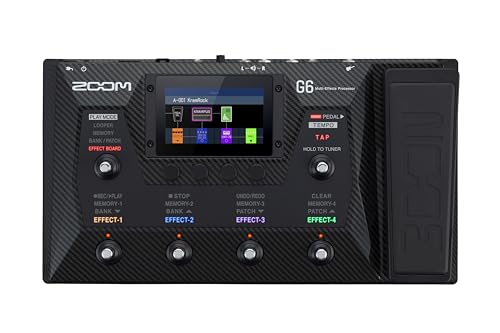
- Up to 7 effects plus amp modeling at once
- 4.3" touchscreen with four play modes
- USB audio interface and SD-card looper
Best For: players who want a versatile all-in-one processor for practice, recording, and live use
Best Compact Modeler
Valeton GP-50 NAM & IR Multi-Effects
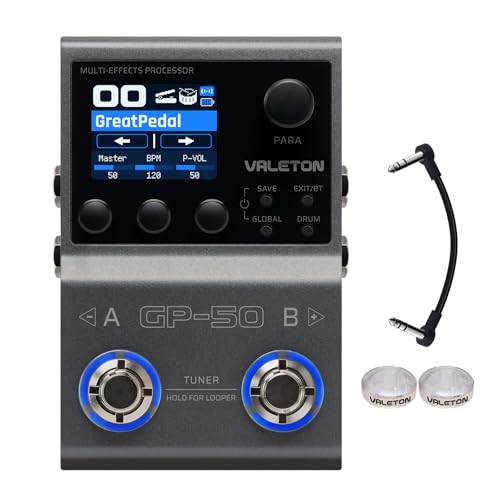
- Over 100 HD effects with NAM and IR loading
- Up to 9 simultaneous modules
- Bluetooth app control and USB audio/MIDI
Best For: guitarists and bass players who want a compact modeler with modern connectivity
Best Practice Amp
JOYO JAM Buddy II Multi-Effects Combo

- 14 amp models and 9 effects in one unit
- 30-second looper with 36 drum patterns
- USB-C OTG recording and Bluetooth playback
Best For: beginners and practice-focused players who want a portable amp-and-effects combo
Best for Easy Setup
NUX MG-30 Guitar Multi-Effects Pedal
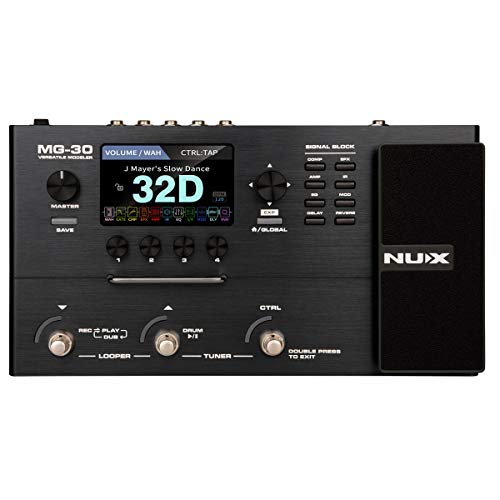
- 4" color LCD with intuitive editing and routing
- 35 amp models plus 56 effects modules
- Supports IR loading, USB audio, MIDI, and 4-cable method
Best For: Players who want deep modeling and easy hands-on control
Best Portable
LEKATO Desktop Multi Guitar Effects Processor

- Compact 145 g unit with about 9 hours of battery life
- 20 amp sims, 20 IRs, and third-party file support
- OTG recording plus app-based drag-and-drop editing
Best For: Players who want a lightweight practice and recording processor
Stage-Ready Flex Control
Valeton GP-200R Multi-Effects Processor

- 11 simultaneous effect modules with independent simulation
- Optical expression pedal and up to 25 assignable controls
- Balanced XLR, FX loop, MIDI, headphone out, and USB editing
Best For: Players who want a stage-focused processor with deep hands-on control
Compact Preset Power
MOOER GE150 Pro Guitar Multi Effects Processor

- 200 presets with 170 effects for broad tonal coverage
- 55 amp models, 26 cab sims, and NAM/MNRS support
- USB OTG recording plus looper, tuner, and drum machine
Best For: Players wanting a compact, preset-heavy modeling floorboard
All-Rounder Rig Builder
Valeton GP-200 Multi-Effects Processor

- Over 240 effects plus 140+ amp and cab models
- 20 user IRs and up to 256 patch slots
- USB-C audio interface with loopback and re-amping
Best For: Players wanting a versatile all-in-one rig for stage, practice, and recording
Editor’s Choice – Zoom G6 Guitar Multi-Effects Processor with Amp Modeling
If you want a guitar multi effects processor with amp modeling that feels built for deep tone crafting, the Zoom G6 gives you a lot to work with. It lets you run up to seven effects plus amp modeling at once, adds IR support, and includes a touchscreen that makes patch building and live switching straightforward.
Best For: Players who want a flexible all-in-one processor for practice, recording, and live use.
Pros:
- Runs up to 7 effects plus amp modeling simultaneously.
- 4.3″ touchscreen and four play modes make navigation easy.
- Includes 70 preloaded IRs, with room for 100 more.
- USB audio interface support makes direct DAW recording simple.
Cons:
- Its larger floor unit design is less compact than mini processors.
- Looping and patch management may be more than casual players need.
The G6 stands out if you value feature depth and hands-on control in one unit. It balances performance tools, recording convenience, and expansion potential in a way that suits guitarists who like to build and refine their sound.
Best Compact Modeler – Valeton GP-50 NAM & IR Multi-Effects
The Valeton GP-50 is a practical pick if you want a guitar multi effects processor with amp modeling-style flexibility in a compact board-friendly format. It combines more than 100 HD effects, NAM loading, and IR cabinet support, so you can build modern tone chains without a bulky setup.
Best For: Guitarists and bass players who want a compact modeler with app editing and broad connectivity.
Pros:
- Supports up to 9 simultaneous modules with custom signal order.
- Loads third-party IR files and up to 80 NAM files.
- Bluetooth app control adds convenient wireless editing.
- USB audio, USB MIDI, and rechargeable battery support make it versatile.
Cons:
- Its small display may feel tight compared with larger touchscreen units.
- Designed more for compact portability than a large hands-on layout.
For players who want modern modeling features in a small footprint, the GP-50 offers a lot of capability per inch. It is especially appealing if you want editing flexibility, portable power options, and multiple ways to connect for practice or recording.
Best Practice Amp – JOYO JAM Buddy II Multi-Effects Combo
The JOYO JAM Buddy II blends amp modeling, effects, and practice features into a portable combo unit that is easy to live with at home or on the go. With 14 amp models, 9 effects, and a built-in looper and drum machine, it covers the core needs of a beginner-friendly guitar multi effects processor with amp modeling.
Best For: Beginners and practice-focused players who want an all-in-one portable amp and effects solution.
Pros:
- Includes 14 amp models and 9 built-in effects.
- 30-second looper and 36-pattern drum machine support practice.
- OTG recording via USB-C is handy for phones and computers.
- Bluetooth playback and headphone output suit silent practice.
Cons:
- 10W output is aimed more at practice than larger gigs.
- Best suited to core tones and convenience rather than deep programming.
This is a strong choice if you want a compact amp/effects setup that keeps things simple. It focuses on everyday usability, recording convenience, and practice tools rather than advanced editing depth.
Best Premium Battery Modeler – Valeton GP-180 HD Multi-Effects Processor
If you want a guitar multi effects processor with amp modeling that leans toward a modern, high-end workflow, the Valeton GP-180 is built for it. It adds over 200 effects, IR and NAM support, a rechargeable battery, and a full USB audio interface, making it a strong fit for players who move between stage, studio, and practice.
Best For: Players who want premium modeling features, battery power, and advanced routing in one processor.
Pros:
- Over 200 effects with up to 12 modules running at once.
- Supports third-party IR files and SnapTone/NAM conversion.
- 3000mAh battery provides over 6 hours of playtime.
- 6-in/4-out USB audio interface supports recording and re-amping.
Cons:
- Feature depth may be overkill for players who only need basic tones.
- Advanced connectivity and routing can take time to learn.
The GP-180 is the most feature-rich option here, especially if battery operation matters. It is a sensible pick for guitarists who want serious modeling capability without being tied to a wall outlet.
Best for Easy Setup – NUX MG-30 Guitar Multi-Effects Pedal
If you want a guitar multi effects processor with amp modeling that feels closer to a pro workstation than a basic pedal, the NUX MG-30 is a strong fit. It combines 35 amp models, 56 effects modules, flexible routing, and IR loading in a compact unit that’s built for both stage and studio use.
Best For: Players who want an all-around modeling processor with deep routing, detailed amp response, and easy screen-based editing.
Pros:
- 4″ color LCD and 5-way encoder make editing and routing straightforward.
- 35 amp models across guitar, acoustic, and bass, plus 56 effects modules.
- Supports 1024-sample IRs, 4-cable method, USB audio, and MIDI.
- Includes NMP-2 footswitch for expanded control.
Cons:
- More advanced setup options may be more than casual users need.
- No dedicated stomp mode is listed, so control depends on external switching options.
The MG-30 stands out for players who care about amp feel, flexible signal paths, and a clear interface. It’s a practical choice if you want one unit that can cover guitar, acoustic-style tones, and bass duties without sacrificing editing depth.
Most Versatile – Donner Arena 2000 Multi-Effects Pedal
The Donner Arena 2000 is a guitar multi effects processor with amp modeling aimed at players who want lots of built-in sounds and live-friendly features. With 278 effect types, 80 amp simulations, 50 cabinet simulations, and IR support, it gives you plenty of room to build tones for practice, recording, or the stage.
Best For: Guitarists who want a feature-rich processor with drum rhythms, looper functions, and flexible output options.
Pros:
- 278 effect types with 80 amp simulations and 50 cabinet simulations.
- Built-in looper and 40 drum rhythms for solo practice and demo work.
- XLR L/R output, MIDI In, Aux In, and cab sim output options.
- Computer or mobile editing via Arena2000 CONTROL.
Cons:
- Headphone performance depends on the recommended 32-64 ohm range.
- No battery compartment, so it’s not a grab-and-go battery unit.
This is a strong pick if you want one processor that can handle a wide range of tones and practical performance tools. The Arena 2000 is especially appealing for players who need amp modeling plus recording, looping, and stage connectivity in one box.
Best Portable – LEKATO Desktop Multi Guitar Effects Processor
If portability matters, this guitar multi effects processor with amp modeling is built for quick practice and lightweight travel use. The LEKATO desktop unit offers 20 amp simulations, 20 cabinet IRs, 80 preset slots, and app-based drag-and-drop editing in a compact body that’s easy to pack and power anywhere.
Best For: Players who want a compact processor for practice, quick recording, and easy preset management.
Pros:
- Compact 145 g design with roughly 9 hours of battery life.
- 20 amp sims, 20 IRs, and support for third-party IR/AMP files.
- OTG USB audio interface and loopback recording for content creation.
- App control with drag-and-drop signal-chain editing.
Cons:
- Only 6 effect modules, so it’s less expansive than larger floor processors.
- 5V battery-powered design may not suit players wanting a full pedalboard-style unit.
The LEKATO makes sense for players who value convenience, portability, and fast editing over maximum processing depth. It’s especially useful for practice sessions, mobile recording, and anyone who wants a lightweight amp-modeling setup that fits in a backpack.
Stage-Ready Flex Control – Valeton GP-200R Multi-Effects Processor
If you want a guitar multi effects processor with amp modeling that is built for live control, the VALETON GP-200R leans hard into performance workflow. It combines amp and cab simulation, an FX loop, MIDI I/O, USB editing, and a footswitch layout designed to keep patch changes and effect control fast on stage.
Best For: Guitarists who want a stage-focused processor with lots of hands-on control and broad connectivity.
Pros:
- 11 switchable effect modules can run simultaneously, with independent simulations.
- Optical sensor expression pedal is smooth and sensitive for parameter control.
- Includes balanced XLR outs, FX loop I/O, MIDI, headphone out, and USB computer editing.
- Up to 25 knobs and buttons are laid out for quick tone shaping and live adjustments.
Cons:
- Large, stage-oriented design may be more than casual players need.
- Best value depends on whether you will use the full I/O and live control features.
The GP-200R stands out if your priority is real-time operation rather than a stripped-down practice unit. It offers a lot of control and routing options, making it a practical fit for players who want to build and manage detailed rigs on the fly.
Compact Preset Power – MOOER GE150 Pro Guitar Multi Effects Processor
The MOOER GE150 Pro is a guitar multi effects processor with amp modeling aimed at players who want a compact, feature-rich setup. It packs 200 presets, 55 amp models, 26 cab sims, IR support, USB OTG recording, and a four-footswitch layout that keeps switching flexible for practice or live use.
Best For: Guitarists who want lots of presets and modeling options in a compact, portable unit.
Pros:
- 200 factory presets and 170 effects give it a wide tonal range.
- 55 amp models, 26 cab sims, and support for NAM/MNRS sample files add modeling depth.
- Four multi-purpose footswitches improve patch browsing and performance control.
- Built-in looper, drum machine, tuner, and OTG recording make it versatile for practice and recording.
Cons:
- Standard version is mains-powered, so portability is better on the battery-equipped GE150 Pro Li.
- Compact format may feel less immediate than larger floor units with more physical controls.
For players who want a modern modeling floor unit without going oversized, the GE150 Pro covers a lot of ground. It balances preset quantity, amp/cab variety, and recording convenience in a compact package.
All-Rounder Rig Builder – Valeton GP-200 Multi-Effects Processor
The Valeton GP-200 is a guitar multi effects processor with amp modeling built for players who want a broad effects library and practical gig features. It combines over 240 effects, more than 140 amp and cabinet models, IR loading, a built-in looper, drum patterns, and USB audio interface functionality in one rugged floor unit.
Best For: Guitar and bass players who want a versatile all-in-one processor for stage, practice, and recording.
Pros:
- Over 240 effects and 140+ amp/cab models provide a deep sound library.
- Supports 20 user cabinet IRs and up to 256 patch slots for flexible rig building.
- Built-in looper, drum patterns, and chromatic tuner help with practice and performance.
- USB-C interface offers 6-in/4-out audio with loopback and re-amping support.
Cons:
- Feature depth may be more than beginners need.
- Best suited to players who will take advantage of the larger routing and editing options.
The GP-200 is a strong choice if you want one processor to cover tones, practice tools, and recording duties. Its mix of modeling depth and connectivity makes it especially useful for players building a flexible live or studio rig.
How We Picked the Best Guitar Multi Effects Processor with Amp Modeling
We prioritized models that combine usable amp tones, flexible effects, and real-world workflow features. That means strong preset capacity, IR support, USB audio, expression control, and reliable live/recording connectivity. We also looked at how easy each unit is to program, since a powerful Guitar Multi Effects Processor with Amp Modeling should be fast enough to use between rehearsals and on stage.
Quick Comparison
The best option for you depends on how you play. Some units lean toward touchscreen editing and deep routing, while others focus on portability, battery power, or a simpler desktop-style layout. If you want one box for direct recording, choose a model with USB audio and cabinet simulation. If you play live, prioritize footswitch count, MIDI, and external loop support.
Key Buying Factors for Guitar Multi Effects Processor with Amp Modeling
Amp and Cab Quality
Check how many amp models are included, whether third-party IRs are supported, and how convincing the clean and driven tones feel. Good amp modeling should cover core styles without requiring heavy editing.
Effects Breadth and Routing
Look for a healthy mix of drives, modulation, delay, reverb, and utility tools, plus the ability to move modules in the signal chain. Flexible routing matters if you want parallel paths, acoustic presets, or bass use.
Control and Workflow
Touchscreens, editor apps, dedicated knobs, and clearly labeled footswitches all improve speed. If you build sounds often, an easy interface can matter as much as raw tone quality.
Connectivity
For modern players, USB audio, MIDI, stereo outputs, expression pedal support, and effects loops are major advantages. These features make the unit easier to integrate with a DAW, live rig, or external pedals.
Portability and Power
Battery operation, desktop form factors, and compact footprints are worth considering if you practice away from a full rig or travel often.
Who Should Buy Which Guitar Multi Effects Processor with Amp Modeling?
If you want the most versatile all-around setup, choose a full-size multi-effects floor unit with extensive I/O and deeper editing. If you mainly record at home, a smaller processor with USB audio and straightforward amp modeling may be the smarter pick. Players who value simplicity should favor easy presets and fast controls, while tone tweakers should look for the broadest effect count, IR loading, and MIDI flexibility.
In short, the right Guitar Multi Effects Processor with Amp Modeling is the one that matches your workflow first, then your tone goals.