Choosing the right XLR condenser microphone can make an immediate difference in clarity, detail, and overall recording quality. Whether you are building a home studio, upgrading a podcast rig, or tracking vocals and instruments, the best option depends on your space, budget, and interface.
This roundup focuses on practical picks that balance sound quality, build, and versatility so you can find a microphone that fits your workflow without overspending.
Best 10 Xlr Condenser Microphones Picks for 2026
Budget Studio Standard
Audio-Technica AT2020 Cardioid Condenser XLR Mic
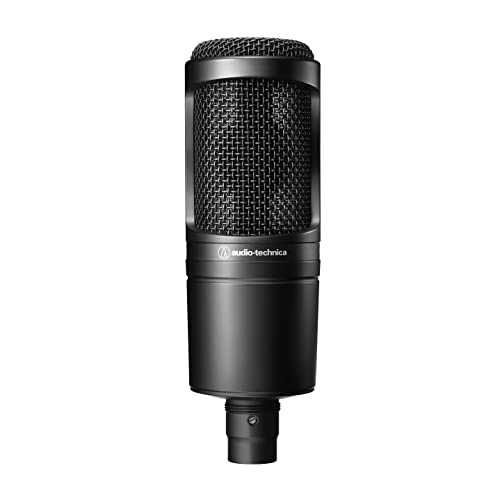
- Price/performance standard for home and project studios
- Cardioid pattern helps reduce side and rear pickup
- High SPL handling and wide dynamic range
Best For: Project and home studio recording
Value Pack Starter
Mackie EM-91C Large-Diaphragm Condenser Mic

- Affordable condenser for home and large studios
- Includes shock mount and XLR cable
- Cardioid pattern helps reduce ambience
Best For: Beginners wanting an all-in-one studio mic bundle
Versatile Pro Pick
Audio-Technica AT2035 Studio XLR Condenser Mic

- Large diaphragm for smooth, natural sound and low noise
- 80 Hz high-pass filter and 10 dB pad add flexibility
- Includes custom shock mount for better isolation
Best For: Vocals, podcasting, streaming, and live performance
Home Recording Kit
Tascam TM-80 Large-Diaphragm XLR Condenser
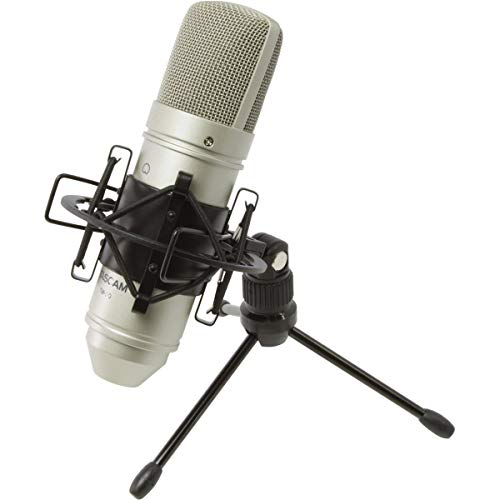
- Cardioid condenser tuned for home recording
- Includes tabletop stand, XLR cable, and shockmount
- 136 dB SPL rating supports loud sources
Best For: Home recording with included accessories
Budget Studio Workhorse
AKG P120 Affordable XLR Condenser

- Clear 2/3-inch diaphragm for vocals, speech, and instruments.
- Handles high sound pressure levels up to 150 dB.
- Easy to pair with common audio interfaces.
Best For: Home studios needing a simple, affordable XLR mic.
Quiet Vocal Specialist
RØDE NT1 Signature Studio Condenser
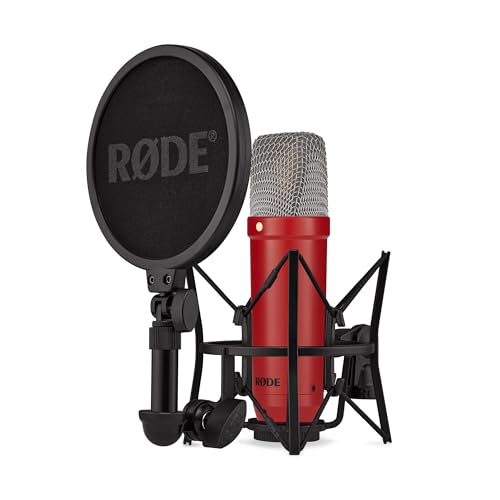
- Very low 4 dBA self-noise for clean recordings.
- Includes shock mount, pop filter, and premium XLR cable.
- Large-diaphragm cardioid design for vocals and streaming.
Best For: Quiet vocal recording and streaming setups.
Eco-Conscious Broadcaster
AKG C104 Large-Diaphragm XLR Mic
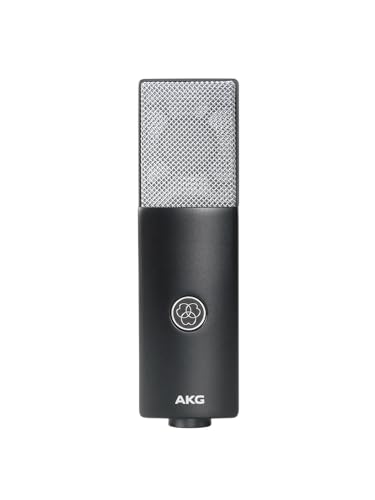
- Cardioid large-diaphragm condenser for focused vocal capture.
- Includes H81 stand mount and quick start guide.
- Built with a sustainable, metal-bodied design.
Best For: Podcasting, streaming, and broadcast vocals.
Studio-Ready Vocal Choice
RØDE NT1 Signature Series Black
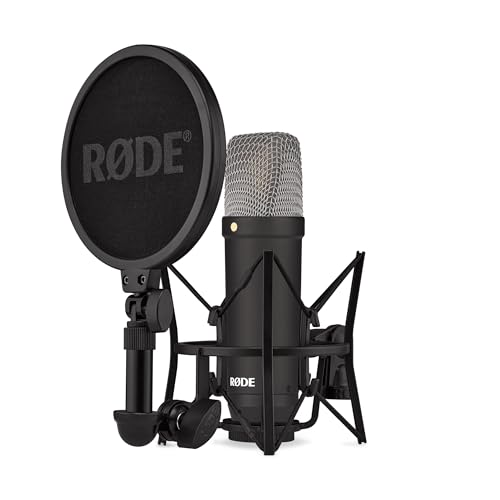
- Large-diaphragm cardioid condenser
- Very low self-noise for clean recordings
- Includes shock mount, pop filter, and XLR cable
Best For: Vocal recording, streaming, and quiet home studio use
Classic Studio Bundle

- 26mm cardioid large-diaphragm capsule
- Includes shock mount, pop filter, XLR cable, and bag
- Needs 48V phantom power and an interface
Best For: Singing, podcasting, and home-studio vocal recording
Budget Desk Kit
PROAR XLR Podcast Microphone Kit

- Includes desktop stand, shock mount, pop filter, and cable
- Cardioid condenser for focused front pickup
- Needs 48V phantom power from an interface or mixer
Best For: Beginners setting up podcasts, streaming, or voice overs at a desk
Budget Studio Standard – Audio-Technica AT2020 Cardioid Condenser XLR Mic
If you’re comparing xlr condenser microphones for a first studio setup, the Audio-Technica AT2020 is a straightforward, well-known choice. It’s built for project and home studio work, with a cardioid pattern that helps reduce side pickup and a low-mass diaphragm designed for clear response and good transient detail.
Best For: Project and home studio users who want a dependable, versatile condenser with a proven price-to-performance balance.
Pros:
- Cardioid pickup helps isolate the desired source from side and rear noise.
- High SPL handling and wide dynamic range add flexibility for different recording tasks.
- Low-mass diaphragm is engineered for extended frequency response and better transient response.
- Wired XLR connection fits standard interface-based recording setups.
Cons:
- Microphone only, so it does not include extras like a shock mount or cable.
- Best suited to studio-style use rather than mobile plug-and-play convenience.
The AT2020 stays popular because it keeps the focus on essentials: solid isolation, wide dynamic range, and simple XLR integration. For a home studio buyer who wants a classic entry point without overcomplicating the purchase, it’s an easy mic to evaluate.
Value Pack Starter – Mackie EM-91C Large-Diaphragm Condenser Mic
Among xlr condenser microphones aimed at affordable studio use, the Mackie EM-91C stands out for keeping the essentials together in one package. It’s a large-diaphragm cardioid condenser built for studio vocals and instruments, and it comes with a shock mount and XLR cable right out of the box.
Best For: Budget-minded creators who want a complete starter condenser setup for home or small studio recording.
Pros:
- Affordable professional-quality condenser design for studio-based recording.
- Cardioid pattern reduces ambience to focus more on the source.
- Includes both a shock mount and XLR cable, which simplifies setup.
- Rugged, reliable construction for regular studio use.
Cons:
- Clearly positioned as an affordable option, not a premium-feature model.
- Best suited to studio use rather than specialty recording needs.
The EM-91C is appealing because it lowers the barrier to getting started: the microphone, cable, and shock mount are all included. For a basic vocal or instrument rig, it offers a practical, no-frills path into condenser recording.
Versatile Pro Pick – Audio-Technica AT2035 Studio XLR Condenser Mic
If your shortlist of xlr condenser microphones needs something more flexible, the Audio-Technica AT2035 is built for critical home, project, and professional studio use. Its large-diaphragm cardioid design aims for smooth, natural sound with low noise, and the included custom shock mount adds useful isolation for recording.
Best For: Creators who want a studio condenser that can handle vocals, podcasting, streaming, and live performance.
Pros:
- Large-diaphragm cardioid capsule is designed for detailed, natural sound.
- Switchable 80 Hz high-pass filter and 10 dB pad improve flexibility.
- High SPL handling and wide dynamic range support more demanding sessions.
- Includes a custom shock mount for better isolation.
Cons:
- Designed for more serious studio work, so it may be more than a basic starter needs.
- Requires a compatible audio interface or mixer with XLR input.
The AT2035 is the most feature-rich option in this group, especially for users who want one microphone that can cover several recording scenarios. If you need a practical studio condenser with extra control over low-end rumble and loud sources, it’s a strong candidate.
Home Recording Kit – Tascam TM-80 Large-Diaphragm XLR Condenser
For buyers looking at xlr condenser microphones for home recording, the Tascam TM-80 is a practical bundled option. It uses a cardioid pickup pattern and an 18mm aluminum diaphragm, and it is tuned to keep noise and distortion down while still delivering a rich, full sound.
Best For: Home recordists who want a condenser mic bundle with the basics included for vocals, acoustic instruments, and louder sources.
Pros:
- 18mm aluminum diaphragm and cardioid pattern suit a range of recording tasks.
- Internal circuitry is optimized to reduce noise and distortion.
- 136 dB SPL rating makes it usable with loud instruments like guitar amps and drums.
- Includes a tabletop stand, XLR cable, and elastic shockmount.
Cons:
- Packaged as a home recording mic, so it’s less specialized than higher-end studio models.
- Best fit is straightforward recording rather than advanced feature sets.
The TM-80 makes sense when convenience matters as much as the microphone itself. Because it includes the stand, cable, and shockmount, it’s a simple way to get a home recording setup moving without hunting for extras separately.
Budget Studio Workhorse – AKG P120 Affordable XLR Condenser
If you want one of the more affordable xlr condenser microphones for home recording, the AKG P120 is built around a clear 2/3-inch diaphragm and a cardioid pickup pattern that works well for vocals, speech, and instruments. It also pairs easily with common audio interfaces, so it fits straightforward project-studio setups without much fuss.
Best For: Home recordists who want a simple, budget-friendly XLR mic for vocals and instruments.
Pros:
- Low-mass diaphragm delivers clear sound with accurate detail.
- Handles loud sources up to 150 dB SPL without distortion.
- Works with popular audio interfaces for easy setup.
- Durable build for regular studio use.
Cons:
- Includes only the microphone and stand adapter in the box.
- Cardioid pattern is practical, but less flexible than multi-pattern mics.
Overall, the P120 is a sensible entry point if you need reliable XLR condenser performance without paying for extras you may not use. Its balance of clarity, high-SPL handling, and simple compatibility makes it a solid general-purpose studio option.
Quiet Vocal Specialist – RØDE NT1 Signature Studio Condenser
The RØDE NT1 Signature Series is aimed at buyers comparing xlr condenser microphones for vocal recording, streaming, and podcasting. Its large-diaphragm cardioid design uses the HF6 capsule for a smooth response, while the very low 4 dBA noise rating makes it especially appealing when you want a clean studio signal.
Best For: Creators who want a very quiet XLR condenser for vocals, streaming, and podcasting.
Pros:
- Exceptionally low 4 dBA noise level.
- Includes studio-grade shock mount, pop filter, and premium XLR cable.
- High sensitivity and very high SPL handling for versatile vocal work.
- Backed by a 10-year warranty.
Cons:
- Single cardioid pattern limits placement options.
- Designed around studio-style use, so it is not a grab-and-go mic.
For buyers prioritizing quiet operation and a polished recording chain, the NT1 stands out as a well-equipped package. The included accessories and premium build make it a strong fit when you want to start recording right away.
Eco-Conscious Broadcaster – AKG C104 Large-Diaphragm XLR Mic
The AKG C104 is a large-diaphragm cardioid option for shoppers who want xlr condenser microphones suited to podcasting, streaming, broadcasting, and music recording. It keeps the setup simple with wired XLR connectivity and a stand mount, while emphasizing low-noise performance and a sustainable design.
Best For: Podcasters and streamers who want a straightforward XLR condenser with an eco-conscious design.
Pros:
- Cardioid large-diaphragm design supports focused vocal capture.
- Low-noise, high-SPL positioning suits speaking and recording tasks.
- Includes an H81 stand mount and quick start guide.
- Eco-conscious design and solid metal enclosure.
Cons:
- Only one microphone is included, with no extra accessories listed beyond the mount.
- Fixed cardioid pattern may be limiting for users who want more flexibility.
As a practical studio mic, the C104 is most attractive if you value clean vocal capture and a no-nonsense setup. It looks like a dependable choice for spoken-word and instrument work when sustainability is part of the buying decision.
Studio-Ready Vocal Choice – RØDE NT1 Signature Series Black
If you’re comparing xlr condenser microphones for vocals or streaming, the RØDE NT1 Signature Series stands out as a ready-to-record studio option. It pairs a large-diaphragm cardioid design with very low self-noise, and the included shock mount, pop filter, and XLR cable make it easier to get started with an audio interface.
Best For: Vocal recording, streaming, and home studio users who want a quiet, classic condenser sound with accessories included.
Pros:
- Legendary NT1 voicing trusted in studios for years
- Among the lowest self-noise microphones available for clean takes
- Tight cardioid pattern helps focus on your voice and reduce room sound
- Includes SM6 shock mount, pop filter, XLR cable, and dust cover
Cons:
- Requires an audio interface to use
- Designed around vocals and streams rather than multi-purpose capture
The NT1 Signature Series is the most polished package here if you want a straightforward vocal mic setup with proven studio credentials. Its strength is clean, quiet recording with useful included accessories that cut down on extra purchases.
Classic Studio Bundle – Melon Audio MA-87 Silver
The Melon Audio MA-87 is a practical xlr condenser microphone bundle for singers, podcasters, and home-studio recording. It uses a large 26mm cardioid capsule and comes with a foam filter, metal shock mount, XLR cable, and mic bag, so you have the essentials in the box.
Best For: Vocal recording, podcasting, and home studio users who want a bundled large-diaphragm condenser with phantom power support.
Pros:
- 26mm large-diaphragm cardioid capsule for balanced low end and clear highs
- Includes shock mount, pop filter, XLR cable, and mic bag
- Solid metal exterior and grill for durable build quality
- Designed for 48V phantom power with an audio interface recommended
Cons:
- Requires 48V phantom power to operate
- Heavier than some simple starter mics at 900 g
If you want a studio-style mic bundle with the core accessories already included, the MA-87 makes a lot of sense. It is aimed at vocal work first, with a classic cardioid condenser approach and a durable all-metal body.
Budget Desk Kit – PROAR XLR Podcast Microphone Kit
The PROAR XLR Podcast Microphone Kit is built for users who want an affordable xlr condenser microphone setup for recording, streaming, voice over, or ASMR. It uses a cardioid condenser capsule and includes a desktop stand, shock mount, pop filter, and XLR cable, making it a complete desk-friendly package.
Best For: Beginners and creators who want an all-in-one desktop XLR mic kit for podcasts, streaming, and voice work.
Pros:
- Complete kit with stand, shock mount, pop filter, and XLR cable
- Cardioid pickup pattern helps focus on sound directly in front
- Works with audio interfaces, mixers, or preamps using 48V phantom power
- Adjustable heavy-base desk stand adds stability and placement flexibility
Cons:
- Requires external phantom power equipment, which is not included
- Best suited to desk use rather than a full mobile setup
This kit is the most convenience-focused option in the group because it bundles the microphone and desk accessories together. It is a sensible pick if you want to start recording quickly and keep your setup compact.
How We Picked the Best Xlr Condenser Microphones
We looked for Xlr Condenser Microphones that offer a strong mix of audio clarity, usable sensitivity, dependable construction, and value for the money. Preference went to models with proven cardioid pickup patterns, sensible accessory bundles, and compatibility with standard audio interfaces and mixers. We also considered whether each mic is better suited to vocals, spoken word, instruments, or general studio work.
Quick Comparison
In this group, some mics lean toward budget-friendly entry-level recording, while others prioritize lower self-noise, better capsule quality, or a more polished vocal sound. If you want a simple first mic, an affordable studio model can be enough. If you are recording critical vocals or narration, stepping up to a more refined design is usually worth it.
Key Buying Factors for Xlr Condenser Microphones
Polar Pattern and Room Noise
Most buyers should start with a cardioid pattern, since it helps focus on the source in front of the mic and reduces room pickup. If your recording space is untreated, this matters even more.
Self-Noise and Sensitivity
Lower self-noise is important for quiet vocal takes, voice-over, and acoustic instruments. Highly sensitive microphones can sound more detailed, but they also reveal more of your room, so placement matters.
Power and Signal Chain
All XLR mics need phantom power from an audio interface, mixer, or preamp. Clean gain is important, especially if you are using a lower-output microphone or recording softer voices.
Accessories and Mounting
Shock mounts, pop filters, and padded cases are useful extras, but they should not outweigh capsule quality or consistent performance. A good bundle can save money if you are starting from scratch.
Who Should Buy Which Xlr Condenser Microphones?
Beginners and budget shoppers should look at affordable studio-ready models that still deliver clear results. Podcasters and streamers may prefer a mic with good vocal presence and manageable proximity effect. Singer-songwriters and instrumentalists should focus on detail, transient response, and a voice that matches the source. If you need one microphone that can handle multiple jobs, choose a balanced all-rounder rather than the cheapest option available.
For most buyers, the best Xlr Condenser Microphones are the ones that fit the room, the interface, and the recording goal—not just the highest spec sheet. Match the mic to your setup, and you will get better results from every session.