The right microphone preamp can give a quiet dynamic or ribbon microphone the clean gain it needs without forcing you to max out your interface’s input.
We selected 10 options ranging from compact inline boosters to tube-equipped preamps and complete USB recording interfaces, so you can match the solution to your microphone, workflow, and budget.
Best 10 Microphone Preamp Picks for 2026
Best Clean Gain Booster

- Adds up to +25 dB of clean gain
- Phantom-powered without passing phantom to passive mics
- Works well for podcasts, vocals, and passive ribbons
Best For: Quiet passive microphones in home or professional recording setups
Best Compact Class-A Option
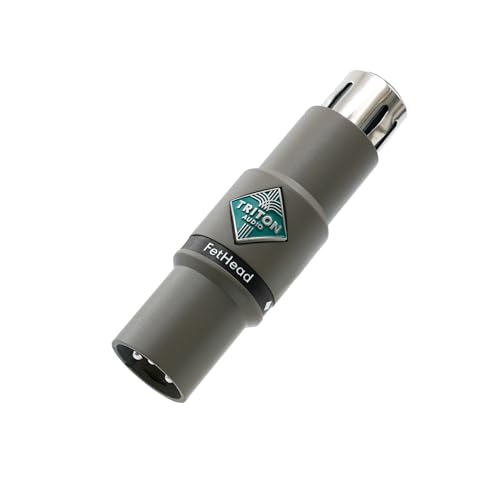
- Low-noise Class-A JFET amplifier
- Shielded enclosure for a focused signal path
- Compact inline microphone preamp design
Best For: Buyers prioritizing Class-A circuitry and compact construction
Best Tube Versatility

- Variable impedance and Valve Voicing controls
- Handles both microphones and instruments
- Includes input/output metering and protection limiting
Best For: Studios wanting a flexible, warm-sounding tube preamp
Best Transparent Gain for Dynamics

- Adds consistent +28 dB of clean gain
- Designed for dynamic and passive ribbon microphones
- Slim all-metal housing with gold-plated XLR connectors
Best For: Podcasting, recording, and live sound with low-output microphones
Best All-Around Interface
Focusrite Scarlett Solo 3rd Gen

- 56dB mic gain with Air mode
- 24-bit/192kHz recording
- Includes software and plug-ins
Best For: Home recording, podcasts, vocals, and guitar
Best Budget Inline Booster

- Adds up to 25dB of clean gain
- Designed for dynamic and ribbon mics
- Requires external 48V phantom power
Best For: Podcasting, broadcast, and live sound with passive mics
Best Professional Mic Activator
Cloudlifter Mini CL-25 Mic Activator
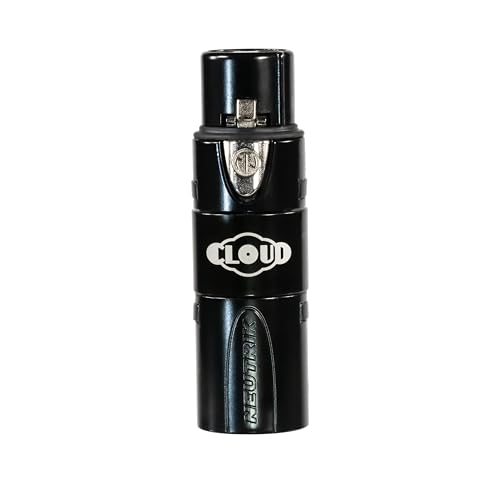
- Adds up to +25dB of inline gain
- Protects passive mics from phantom power
- Compact metal XLR design
Best For: Passive ribbons, dynamic mics, and professional recording
Best All-Around Upgrade

- 19–66dB practical gain range
- -120dBV EIN for low-noise operation
- Supports microphones and instruments
Best For: Flexible home studios, streaming, and portable recording
Best Simple Booster
StudioMan DPM1 Dynamic Mic Preamp

- Adds 29dB of clean gain
- Compact metal XLR design
- Powered by 48V phantom power
Best For: Dynamic and passive ribbon microphones
Best Two-Channel Pick
StudioMan CL-200 XLR Mic Preamp

- Two channels with 25dB gain each
- Low-noise balanced XLR operation
- Phantom-powered dynamic mic booster
Best For: Two-microphone recording and live sound
Best Clean Gain Booster – Cloudlifter CL-1
The Cloudlifter CL-1 is a practical microphone preamp solution for raising the level of quiet passive microphones. It adds up to 25 dB of gain using phantom power while preventing phantom power from reaching the microphone itself, making it suitable for passive ribbons and other low-output sources.
Best For: Home studios, podcasts, streaming, voiceover, live sound, and studio recording setups using passive microphones with phantom-powered inputs.
Pros:
- Provides up to +25 dB of ultra-clean gain.
- Helps improve signal strength and microphone clarity while reducing unwanted noise and feedback.
- Compatible with tube-, battery-, or power-supply-driven microphones and safe for passive ribbon microphones.
Cons:
- Requires a microphone input with standard +48V phantom power.
- Offers one channel.
The CL-1 is a focused, easy-to-integrate choice when a passive microphone needs more usable level before reaching a mixer or interface. Its single-channel format makes it most appropriate for individual vocal, podcast, or instrument chains.
Best Compact Class-A Option – Triton Audio FetHead
The Triton Audio FetHead is an inline microphone preamp built around a low-noise Class-A JFET amplifier. Its shielded enclosure and compact design make it a straightforward way to add gain within an XLR microphone signal path.
Best For: Users seeking a compact inline microphone preamp with Class-A JFET amplification and shielded construction.
Pros:
- Uses a low-noise Class-A JFET amplifier.
- Features a double single-ended amplifier topology.
- Includes a shielded enclosure to help support a clean signal path.
Cons:
- The supplied notes do not specify the amount of available gain.
- The supplied notes do not identify microphone compatibility or phantom-power requirements.
The FetHead is best considered when circuit design and compact inline construction are priorities. Because the available specifications do not state its gain figure or compatibility details, confirm those requirements for your microphone and interface before buying.
Best Tube Versatility – ART TPS II Tube Preamplifier
The ART TPS II is a tube microphone preamp system for buyers who want more control than a simple inline booster provides. It includes variable input impedance, Variable Valve Voicing, metering, and automatic switching between instrument and microphone preamp modes.
Best For: Studio users who need a tube-based preamp for microphones and instruments, with flexible input controls and a warm sound profile.
Pros:
- Offers variable input impedance and Variable Valve Voicing.
- Automatically switches between instrument and microphone preamp operation.
- Includes LED input and analog output meters, plus an OPL output protection limiter.
- Provides a stated 5 Hz–50 kHz frequency range and a toroidal transformer.
Cons:
- Its 19-inch-wide chassis is less compact than an inline preamp.
- Tube-based operation may be more than needed for a simple clean-gain application.
The TPS II is the more feature-rich choice in this group for shaping and monitoring a microphone signal while also accommodating instruments. Choose it when tube character, metering, and input flexibility matter more than a minimal footprint.
Best Transparent Gain for Dynamics – sE DM1 Dynamite Inline Preamp
The sE Electronics DM1 Dynamite is an ultra-slim inline microphone preamp that delivers a consistent +28 dB of clean, transparent gain. It is designed for dynamic and passive ribbon microphones, with FET circuitry, a transformerless design, and 3-pin XLR connections.
Best For: Podcasters, recording engineers, and live-sound users who need clean gain from low-output dynamic or passive ribbon microphones.
Pros:
- Provides a consistent +28 dB of gain independent of the connected load.
- Uses high-grade FET circuitry and a transformerless design for transparent sound.
- Features an all-metal housing, gold-plated XLR connectors, and RF, buzz, and hum reduction.
- Its ultra-slim form adds gain without much bulk.
Cons:
- Designed for passive dynamic and passive ribbon microphones rather than a broad range of microphone types.
- Offers one channel.
The DM1 Dynamite is a strong fit when you want a substantial, consistent gain increase without deliberately adding coloration. Its durable, slim housing also suits portable podcasting and live-sound chains where space and reliability are important.
Best All-Around Interface – Focusrite Scarlett Solo 3rd Gen
The Focusrite Scarlett Solo 3rd Gen is a versatile choice if you want a microphone preamp and USB audio interface in one compact unit. Its XLR mic input provides up to 56dB of gain, while Air mode can add clarity to vocals and acoustic instruments.
Best For: Home recording, podcasts, vocals, and guitar or bass tracking.
Pros:
- High-performance mic preamp with switchable Air mode.
- 24-bit/192kHz recording and low-noise balanced outputs.
- Includes recording software and Hitmaker Expansion content.
- Compatible with macOS, Windows, and iPadOS.
Cons:
- Provides only one XLR mic preamp.
- Requires a computer or compatible device for USB operation.
Choose the Scarlett Solo when you need a complete recording setup rather than a standalone inline booster. It offers microphone preamp functionality, instrument connectivity, monitoring outputs, and useful software in a portable package.
Best Budget Inline Booster – Coda MB-1 25dB Mic Preamp
The Coda MB-1 is a focused microphone preamp for adding clean gain to quiet dynamic and ribbon microphones. It uses 48V phantom power from an audio interface or external supply to provide up to 25dB of boost, but it is not intended for condenser microphones.
Best For: Dynamic-mic podcasts, broadcasts, live sound, and studio recording.
Pros:
- Adds up to 25dB of clean gain.
- Designed to reduce noise, with a stated -70dB noise rating.
- Durable aluminum construction for studio or stage use.
- Can help improve gain before feedback on long cable runs.
Cons:
- Requires 48V phantom power from another device.
- Does not work with condenser microphones.
- Offers one channel only.
The MB-1 makes sense when your existing interface has enough features but not quite enough clean gain for a passive dynamic or ribbon microphone. Confirm phantom-power availability and microphone compatibility before buying.
Best Professional Mic Activator – Cloudlifter Mini CL-25 Mic Activator
The Cloudlifter Mini CL-25 is a compact inline microphone preamp designed to strengthen passive microphone signals before they reach your main preamp. It uses standard +48V phantom power to provide up to 25dB of gain without passing phantom power to the microphone.
Best For: Passive ribbon microphones, dynamic mics, podcasts, voiceovers, and studio or live setups.
Pros:
- Provides up to +25dB of inline preamp gain.
- Does not pass phantom power to passive microphones.
- Compact metal design suited to studio or travel use.
- Compatible with tube-, battery-, or power-supply-driven microphones.
Cons:
- Requires a microphone input with phantom power.
- Provides one channel.
- It adds gain but is not a complete audio interface.
The CL-25 is a strong fit when you want a purpose-built microphone activator between a passive mic and your existing interface or mixer. Its phantom-power isolation is particularly useful for passive ribbon microphones.
Best All-Around Upgrade – RO03 Low-Noise Mic Preamp
The RO03 is a versatile microphone preamp for users who need substantial gain, low noise, and support for multiple microphone types. Its 19–66dB gain range, Type-C power input, and XLR/TRS/TS connectivity make it suitable for vocal recording, instruments, and portable setups.
Best For: Home recording, streaming, and musicians using dynamic, condenser, ribbon, or instrument sources.
Pros:
- Offers a practical 19–66dB gain range with an EIN rating of -120dBV.
- Supports dynamic, condenser, and ribbon microphones, plus instruments through a 1MΩ input.
- Includes XLR, TRS, and TS outputs and a portable Type-C power design.
Cons:
- The two input ports cannot be used simultaneously.
- For the lowest noise, the manufacturer recommends connecting to an interface’s TRS line input rather than its XLR input.
The RO03 is the most flexible option here, especially if your setup includes both microphones and instruments. It delivers broad connectivity and high usable gain, but proper cabling is important for achieving its lowest-noise performance.
Best Simple Booster – StudioMan DPM1 Dynamic Mic Preamp
The StudioMan DPM1 is a compact microphone preamp designed to add clean gain to low-output dynamic and passive ribbon microphones. It provides a straightforward plug-and-play connection between a microphone and an audio interface or mixer, using 48V phantom power from the connected device.
Best For: Podcasters, streamers, and vocalists using dynamic or passive ribbon microphones with a compatible interface or mixer.
Pros:
- Adds 29dB of clean, transparent gain to help avoid pushing an interface’s preamp too hard.
- Compact metal housing helps provide durability and interference shielding.
- Works with standard balanced XLR connections and requires no separate power adapter.
Cons:
- It is not compatible with condenser microphones.
- 48V phantom power is required but is not included with the unit.
The DPM1 is a focused solution rather than a general-purpose preamp. Choose it when you need a simple 29dB boost for a quiet dynamic or passive ribbon microphone and already have phantom power available.
Best Two-Channel Pick – StudioMan CL-200 XLR Mic Preamp
The StudioMan CL-200 is a two-channel microphone preamp for boosting signals from dynamic and passive ribbon microphones. Its dual-channel layout can process two microphones at once, while balanced XLR connections and phantom-powered operation suit home studios and live sound systems.
Best For: Two-microphone recording, podcasting, voice-over work, and live setups using dynamic or passive ribbon microphones.
Pros:
- Provides two channels with 25dB of clean gain for simultaneous microphone use.
- Uses balanced XLR input and output connections with a compact metal housing.
- Designed for low noise and offers a 10Hz–20kHz frequency response within ±1dB.
Cons:
- It is not compatible with condenser microphones because phantom power is not passed through.
- The manufacturer recommends keeping the microphone-to-booster XLR cable under 30 feet.
- It requires 48V phantom power from a mixer, interface, or preamp.
The CL-200 stands out when one channel is not enough. Its two-channel design is useful for multi-microphone recording and live applications, provided your microphones are dynamic or passive ribbon models and your system supplies phantom power.
How We Picked These Microphone Preamps
We focused on products that solve common gain-staging problems: weak output from passive dynamic and ribbon microphones, added noise at high input levels, limited interface preamp headroom, and the need for a more flexible recording chain. The selection includes inline microphone boosters, standalone preamp systems, and an audio interface with built-in microphone amplification.
We also considered gain amount, phantom-power requirements, compatibility, connection type, portability, channel count, and intended use. An inline unit may be ideal for a single broadcast microphone, while a two-channel or tube preamp can make more sense in a studio setup.
Quick Comparison
| Type | Best For | What to Look For |
|---|---|---|
| Inline activator | Dynamic and passive ribbon microphones | Clean gain, phantom-power pass-through, compact XLR design |
| Standalone preamp | Studio recording and tonal control | Input flexibility, output connections, noise performance, controls |
| USB audio interface | Home recording and podcasting | Mic gain, converters, monitoring, computer compatibility |
| Multi-channel preamp | Two-microphone and instrument setups | Channel count, independent controls, phantom-power options |
Key Buying Factors for a Microphone Preamp
Gain and Noise Performance
Check whether the unit provides enough clean gain for your microphone. Many low-output dynamics and passive ribbons benefit from roughly 20 to 30 dB of additional gain, while unusually quiet sources may need more. High gain is useful only when the circuit remains quiet, so look for low-noise specifications and avoid running every stage at maximum.
Microphone Compatibility
Inline boosters are most commonly used with dynamic and passive ribbon microphones. Condenser microphones already require phantom power and usually have their own active electronics, so confirm that a booster is designed to work safely with your signal chain. Never apply phantom power to a ribbon microphone unless the manufacturer explicitly says it is protected.
Phantom Power and Connections
Most inline activators draw power from 48V phantom power supplied by your interface or mixer. They generally do not create phantom power themselves. Confirm that your interface can provide it, and check whether the preamp uses XLR input and output, quarter-inch connections, or USB.
Form Factor and Controls
A compact XLR adapter is convenient for mobile recording and simple podcast rigs, but it offers fewer controls than a desktop preamp. If you need input gain, impedance choices, tube coloration, metering, or multiple channels, choose a larger standalone model.
Who Should Buy Which Microphone Preamp?
For a Quiet Dynamic or Passive Ribbon Microphone
Choose an inline Microphone Preamp such as a Cloudlifter, FetHead, Dynamite, Coda, or comparable booster. These are the simplest way to add gain before a less powerful interface preamp.
For Podcasting and Voice Recording
A compact single-channel booster is a practical choice when your microphone and interface already meet your needs. If you are starting from scratch, a USB interface such as the Scarlett Solo can provide preamp gain, headphone monitoring, and computer connectivity in one device.
For Studio Experimentation
Consider a standalone system such as the ART TPS II when you want more control or a different sonic character than a basic inline gain stage can provide.
For Two Microphones or Expanded Setups
A two-channel unit such as the StudioMan CL-200 may be more convenient than buying separate boosters. Before purchasing, verify channel controls, phantom-power behavior, connector layout, and the gain required by each microphone.