The AKG C104 Microphone review starts with one simple idea: this is a serious XLR condenser for creators who want cleaner, more detailed sound.
If you already use an interface or recorder, it brings a polished studio feel without overcomplicating the workflow.
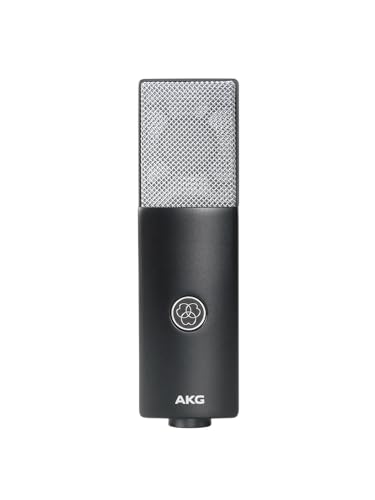
AKG C104 Review Summary
If you want a versatile, studio-style microphone that can handle speech, vocals, and even louder instruments with confidence, the AKG C104 Microphone is built for that job.
It is a strong fit for podcasters, streamers, voice talent, home recordists, and video creators who care more about audio quality and workflow than plug-and-play simplicity.
What stands out most is the combination of a large-diaphragm cardioid condenser design, a low-noise transformerless FET circuit, and a claimed ability to handle up to 143 dB of sound pressure.
That mix makes the AKG C104 Microphone feel more like a flexible creator tool than a one-purpose vocal mic.
At the same time, this is not the easiest choice for beginners who want a direct USB solution.
You need an interface, mixer, or compatible recorder, and you will get the best results in a controlled room.
In other words, the AKG C104 Microphone is most appealing to buyers who want to step into better audio rather than start from zero.
Scorecard
| Category | Score | Why It Matters |
|---|---|---|
| Sound Clarity | 9.0 | Large-diaphragm condenser tuning is aimed at pristine, detailed capture for speech and music. |
| Noise Handling | 9.0 | The transformerless FET circuit is positioned for an extremely low noise floor. |
| Headroom and Distortion Control | 9.0 | High SPL handling helps loud vocals and instruments stay clean. |
| Room Rejection | 8.0 | Cardioid pickup focuses on the source and limits surrounding noise in controlled spaces. |
| Versatility | 9.0 | Useful for podcasting, streaming, broadcasting, music recording, and video work. |
| Build and Sustainability | 8.0 | Metal construction and recycled-material design feel durable and thoughtful. |
| Setup and Compatibility | 7.0 | XLR gear requirements add quality, but also add complexity for beginners. |
Verdict: The AKG C104 Microphone is a smart buy for creators who want cleaner, more professional audio in an XLR format.
It is especially compelling if you record a mix of voice and instruments and want one mic that can do both well.
Key Features and Specifications of AKG C104
The AKG C104 Microphone leans into the core strengths buyers care about most: clarity, headroom, and practical studio flexibility.
Here is a closer look at the specifications that shape its real-world performance.
| Brand | AKG |
|---|---|
| Model Name | C104 Microphone |
| Model Number | AKG-C104 |
| Microphone Type | Large diaphragm cardioid condenser |
| Connectivity | Wired XLR |
| Polar Pattern | Unidirectional / cardioid |
| Form Factor | Stand mountable |
| Frequency Response | Up to 20,000 Hz |
| Audio Sensitivity / SPL Handling | Up to 143 dB |
| Signal-to-Noise Ratio | 80 dB |
| Impedance | 1 kiloohm |
| Audible Noise | 30 dB |
| Enclosure Material | Metal |
| Color | Black |
| Special Feature | Eco-conscious build |
- Nickel-sputtered large diaphragm capsule for detailed vocal and instrument capture
- Transformerless FET circuit for a low-noise, wide-dynamic-range sound path
- Cardioid pickup pattern for better source focus
- Metal body for a sturdy, pro-ready feel
- 100% recycled PIR metal construction and fully recyclable packaging and accessories
- Designed for podcasting, streaming, broadcasting, music recording, and video production
- Also suitable for vocals, drum, guitar amplifier, horn, percussion, piano, string instrument, and woodwind applications
On paper, those specs point to a microphone that is meant to outperform entry-level creator mics in both detail and headroom.
The AKG C104 Microphone is not trying to be a trendy all-in-one gadget; it is a more traditional pro-audio tool aimed at buyers who value sound quality first.
Pros and Cons of AKG C104
Before deciding if the AKG C104 Microphone belongs on your desk or studio stand, it helps to look at the AKG C104 Microphone pros and cons in plain language.
Pros
- Clear, detailed sound that suits both speech and music
- Very good headroom for louder sources
- Low-noise design helps recordings stay clean
- Cardioid pickup improves focus on the desired source
- Flexible across many creator and studio applications
- Durable metal build with a more eco-conscious approach
Cons
- Requires XLR gear, so it is not immediately beginner-friendly
- Not as simple as USB microphones for casual users
- Room quality still matters because condenser mics can reveal reflections
The biggest strength is obvious: the AKG C104 Microphone is built to sound refined and professional.
The biggest drawback is equally clear: you need the right setup to unlock that quality.
Who Should Buy AKG C104?
The AKG C104 Microphone is best for buyers who already understand, or are ready to learn, the XLR side of recording.
If you have an audio interface, mixer, or a compatible recorder, this mic offers a genuine upgrade path over basic USB models.
- Podcasters who want more polished voice capture
- Streamers who need better vocal clarity and a professional look
- Musicians recording vocals, acoustic instruments, amps, or percussion
- Video creators who want studio-grade audio for voiceover or production work
- Home studio users who want one mic that covers multiple tasks
It is also a good choice if you value a microphone that feels modern, durable, and thoughtfully built.
The eco-conscious materials are not the main reason to buy it, but they add a nice extra layer of appeal.
Who should skip it? Absolute beginners who want a mic that works straight out of the box may be happier with a USB condenser.
If you are recording in an untreated bedroom and cannot manage room noise, you may also want a more forgiving dynamic mic instead.
How the AKG C104 Handles Vocals and Speech
For spoken word, the AKG C104 Microphone should be strong because its design centers on detail and low noise.
That matters a lot for podcasts, narration, and streaming, where listeners notice harshness, hiss, or a thin tone very quickly.
The large-diaphragm condenser capsule tends to deliver a fuller and more open presentation than many budget voice mics.
In practice, that usually means better presence in the upper mids and a more “finished” sound with less processing needed later.
At the same time, this kind of mic can be more revealing than a dynamic alternative.
If your room has hard walls, fans, or echo, the AKG C104 Microphone may capture all of that with impressive accuracy.
That is not a flaw in the mic so much as a reminder that good vocal recording is a system, not just a microphone purchase.
For creators who want to sound clear and articulate without fighting a noisy signal chain, this is one of the most appealing use cases for the AKG C104 Microphone.
Podcasting vs Music Recording Use Cases
One of the biggest selling points of the AKG C104 Microphone is versatility.
It is marketed for both spoken and musical work, and the specs support that positioning.
For podcasting and streaming, the cardioid pattern helps keep attention on the speaker.
The low-noise circuit is also important here because spoken content often runs at lower average levels, where background noise becomes more obvious.
For music recording, the stated ability to handle up to 143 dB gives this mic a lot of headroom for loud vocals, amps, horns, percussion, and even some close-miked instruments.
That level of flexibility is useful in small studios where you may not want to own a separate mic for every task.
If your work leans heavily toward one category, you may still prefer a specialist.
A dynamic mic can be better for untreated rooms and live-style voice capture, while an ultra-low-noise studio condenser can be better for pristine vocal tracking.
But as a balanced all-rounder, the AKG C104 Microphone makes a strong case.
XLR Setup and Required Gear
The XLR connection is both a strength and a limitation.
It gives the AKG C104 Microphone a more standard pro-audio path, but it also means you need extra equipment before you can use it.
At minimum, plan on an audio interface, mixer, or compatible recorder with XLR input.
You may also want a boom arm or stand, a pop filter, and basic acoustic treatment if you are recording voice seriously.
Those accessories are not unique to this mic, but they are part of the true cost of an XLR setup.
This is where buyer intent matters.
If you are searching for a direct, minimal-setup solution, the AKG C104 Microphone may feel like a step too far.
If you want better gain staging, more control, and a more expandable studio workflow, the XLR format is the right choice.
Buying advice: choose this mic if you are already committed to XLR, or if you want your next microphone to grow with your setup instead of being replaced quickly.
Check the AKG C104 Microphone on Amazon
Cardioid Pattern and Room Noise Rejection
The cardioid polar pattern is one of the most important design choices on the AKG C104 Microphone.
It focuses on sound from the front and reduces pickup from the sides and rear, which helps isolate the speaker or instrument.
For a buyer, that means more usable recordings in real-world rooms.
It will not erase echo or background noise, but it can make a meaningful difference when you are trying to capture a cleaner signal from a desk setup or small studio.
This is also why placement matters.
If you move too far off-axis, the tone can shift.
If the room is very reflective, you may still hear ambient character in the recording.
The good news is that the cardioid design gives the AKG C104 Microphone a sensible balance between focus and versatility.
Compared with an omnidirectional mic, this is much better for home recording.
Compared with some dynamic vocal mics, it can sound more open and detailed, though also a bit less forgiving.
Eco-Conscious Build and Packaging
The AKG C104 Microphone also stands out because of its more eco-conscious build approach.
The company highlights 100% recycled PIR metal construction along with fully recyclable packaging and accessories.
That does not directly improve the sound, but it does improve the ownership story.
Buyers who care about reducing waste or prefer brands making visible sustainability efforts will appreciate that design choice.
The metal enclosure also contributes to a more premium feel.
In a category where cheap plastic mics can feel disposable, the AKG C104 Microphone gives a better impression of longevity and studio durability.
One caution: warranty coverage is tied to purchase from authorized North American dealers, so buyers should verify seller legitimacy if manufacturer support matters to them.
Comparable Alternatives to Consider
If you are comparing the AKG C104 Microphone against other widely available models, these are the most sensible alternatives to look at:
- Shure SM58 — a classic dynamic vocal mic that is more forgiving in untreated rooms and great for speech-focused buyers.
- Audio-Technica AT2020 — an entry-level condenser option that is popular for home recording and podcasting.
- Rode NT1 — a strong low-noise studio condenser if your priority is ultra-clean vocal capture.
- AKG C214 — a step-up large-diaphragm condenser if you want a more premium AKG studio path.
If you want the simplest setup possible, a USB mic may be more practical than any of these.
But if you are comparing proper studio-style XLR choices, the AKG C104 Microphone sits in a very appealing middle ground.
Is AKG C104 Worth It?
So, is AKG C104 Microphone worth it?
For the right buyer, yes.
It offers the kind of clarity, noise control, and headroom that make a real difference when you care about audio quality.
The strongest reason to buy the AKG C104 Microphone is that it feels genuinely versatile.
It can serve as a podcast mic, streaming mic, voiceover mic, or music-recording tool without feeling narrow or compromised.
That makes it especially attractive if you want one microphone that can move between projects.
The main reason to pass is equally straightforward: it is an XLR condenser, so you need supporting gear and a decent recording environment.
If you want something easy and self-contained, this is not the fastest path.
Final verdict: the AKG C104 Microphone is a smart, practical, and professional-sounding purchase for creators who are ready for XLR and want one mic that can handle voice and instruments with confidence.
If that describes your setup, it is absolutely worth serious consideration.