A reliable metronome can make practice more focused by giving you a steady pulse for scales, technique drills, rhythm work, and full pieces. The right choice depends on whether you prefer digital precision, mechanical movement, audible counting, or extra features such as tuning and rechargeable power.
We selected 10 metronomes for different instruments, practice styles, and budgets, including compact digital models, traditional wind-up designs, and vocal-counting options for more demanding rhythm training.
Best 10 Metronomes Picks for 2026
Best All-Around Tuner Metronome

- 40–208 BPM tempo range
- A=440Hz and Bb tone generators
- LED beat cue and earphone jack
Best For: Players seeking tempo control plus convenient tuning features
Best Digital Mechanical-Style Metronome

- Eight selectable metronome sounds
- 19 beat patterns
- Readable display with one-touch operation
Best For: Players wanting traditional styling with digital rhythm flexibility
Best Traditional Value Metronome
Universal Mechanical Metronome

- 40–208 BPM adjustment
- Five selectable heavy-bell patterns
- One-year manufacturer warranty
Best For: Beginners and players who prefer straightforward mechanical operation
Best Classic Pendulum Design

- Spring-driven pendulum mechanism
- Rich, deep sound
- Matte fingerprint-resistant finish
Best For: Musicians who prefer traditional acoustic metronome operation
Best Rechargeable Digital Metronome
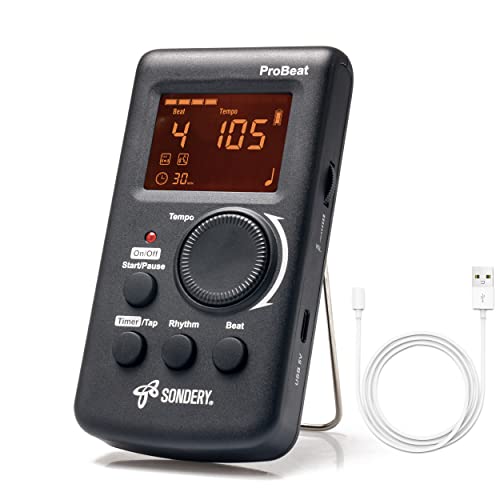
- Rechargeable USB-powered design
- Vocal counting, tap tempo, and timer
- Color display, LED indicator, and earphone jack
Best For: Flexible portable practice with digital features
Best Mechanical Metronome

- Battery-free wind-up mechanism
- 40–208 BPM range with selectable beats
- Classic tower design with click and bell
Best For: Traditional stationary music practice
Best Long-Battery Digital Metronome

- Up to 400 hours on alkaline batteries
- Large display and louder buzzer
- Tap, timer, sound-out, and multiple rhythm modes
Best For: Clear, dependable daily practice
Classic Rhythm Practice

- Battery-free wind-up operation
- 40–208 BPM tempo range
- Audible click and selectable bell
Best For: Traditional practice at the piano, with strings, guitar, or drums
Guided Digital Practice
SDREAM Vocal Counting Metronome

- English vocal counting or electronic beats
- 10 rhythm patterns and 40–208 BPM
- USB-C charging and headphone output
Best For: Private, feature-rich practice for piano and other instruments
Colorful Beginner Pick

- Beginner-friendly mechanical design
- 40–208 BPM with five beat settings
- Plastic-and-metal movement in pink
Best For: Children and beginners practicing common instruments
Best All-Around Tuner Metronome – Seiko SQ50-V
The Seiko SQ50-V combines practical tuning features with flexible tempo control, making it a versatile choice for musicians comparing metronomes. Its 40–208 BPM range, adjustable volume, and visual beat indicator suit both focused practice and group settings.
Best For: Musicians who want a compact digital metronome with tuning tones and silent-practice support.
Pros:
- 39-position rotary dial covers tempos from 40 to 208 BPM.
- Offers high- and low-tone click options with adjustable volume.
- Includes A=440Hz and optional Bb tone generators.
- Red LED beat indicator and earphone jack support visual or quiet practice.
Cons:
- Requires a 9V battery.
- Synthetic construction may feel less traditional than a mechanical metronome.
The SQ50-V is a strong pick when accurate tempo control and basic tuning functionality matter more than a traditional pendulum design.
Best Digital Mechanical-Style Metronome – Korg KDM3WH
The Korg KDM3WH brings the visual appeal of a mechanical metronome to a digital design. With eight metronome sounds, 19 beat patterns, one-touch operation, and an easy-to-read display, it offers broad practice flexibility for different musical styles.
Best For: Players who prefer a digital metronome with a traditional mechanical-metronome look and varied rhythm options.
Pros:
- Stylish design inspired by a mechanical metronome.
- Eight sounds include a mechanical metronome sound.
- 19 beat patterns accommodate songs across genres.
- Simple one-touch controls and readable display.
Cons:
- Uses a CR2 battery.
- Does not list built-in tuning tones in the supplied specifications.
The KDM3WH is a flexible digital option for players who want varied beat patterns without giving up the familiar look of a traditional metronome.
Best Traditional Value Metronome – Universal Mechanical Metronome
This black mechanical metronome offers a familiar pendulum-style approach for practicing steady timing. Its 40–208 BPM range and selectable bell patterns make it suitable for piano, guitar, violin, drums, and other instruments.
Best For: Beginners, children, and players who prefer an easy-to-use mechanical metronome with adjustable accents.
Pros:
- Adjustable tempo range from 40 to 208 BPM.
- Selectable 0, 2, 3, 4, and 6 heavy-bell patterns.
- Designed for use with piano, violin, guitar, drums, and other instruments.
- Includes a 30-day return period and one-year manufacturer warranty.
Cons:
- Plastic and metal construction weighs about 1.2 pounds.
- Its larger mechanical design is less compact than digital alternatives.
For shoppers comparing metronomes on simplicity and traditional operation, this model provides broad tempo and accent settings without a complicated interface.
Best Classic Pendulum Design – Yamaha MP-90BK
The Yamaha MP-90BK is a spring-driven pendulum metronome built around a classic triangular pyramid shape. Its rich, deep sound and matte finish make it a straightforward choice for musicians who value traditional metronome styling and operation.
Best For: Players seeking a classic Yamaha pendulum metronome with a distinctive acoustic sound.
Pros:
- Spring-driven pendulum mechanism provides traditional operation.
- Produces a rich and deep sound.
- Classic triangular pyramid-style design.
- Matte finish helps prevent fingerprints.
Cons:
- Supplied notes do not specify its tempo range or bell settings.
- Plastic body may not satisfy shoppers seeking a wood enclosure.
- Traditional design is less feature-rich than digital metronomes.
The MP-90BK is best suited to buyers who prioritize a familiar pendulum experience and resonant sound over digital controls or extra functions.
Best Rechargeable Digital Metronome – Sondery ProBeat
The Sondery ProBeat is a practical choice for musicians who want flexible digital metronomes with clear visual and audible feedback. Its color screen, rotary tempo dial, vocal counting, tap function, and rechargeable battery make it adaptable for focused practice.
Best For: Players who want a portable, rechargeable metronome with multiple sound and rhythm-training options.
Pros:
- Offers tempo control from 40 to 208 BPM, 10 beat patterns, and tap tempo.
- Provides vocal counting, three digital sounds, a bright LED tempo indicator, and a large speaker.
- Includes a timer, earphone jack, and rechargeable lithium battery charged through USB.
- Compact 5 x 3 x 1-inch design weighs only 0.26 pounds.
Cons:
- Requires charging rather than using easily replaceable standard batteries.
- Plastic construction may feel less traditional than a mechanical metronome.
Choose this model if you value convenience and varied practice features in a small package. The visual indicator and earphone connection are especially useful when practicing with other instruments or in quieter settings.
Best Mechanical Metronome – Ueteto Wood-Grained Tower
The Ueteto mechanical metronome suits musicians who prefer a traditional wind-up approach. This tower-style option produces an audible click and bell ring without batteries, while its classic wood-grained finish fits neatly into a dedicated music practice space.
Best For: Students and players seeking a traditional, battery-free metronome for piano, strings, guitar, bass, or drums.
Pros:
- Mechanical wind-up operation requires no batteries.
- Supports tempos from 40 to 208 BPM and beat selections of 0, 2, 3, 4, and 6.
- Produces an audible click and bell ring for following rhythm while reading music.
- Plastic housing with a metal mechanism offers stated timing tolerance below 1%.
Cons:
- A full wind lasts at least 18 minutes, depending on the selected tempo.
- At 650g, it is substantially heavier than the compact digital options.
- It lacks digital conveniences such as tap tempo, a timer, or headphone output.
This is a good fit when the tactile setup and familiar sound of mechanical metronomes matter more than portability. Its tower design also makes it an appealing stationary option for a home practice area.
Best Long-Battery Digital Metronome – Korg MA-2
The Korg MA-2 is a streamlined digital metronome for musicians who need clear timing feedback and dependable battery life. Its larger display, louder buzzer, tap tempo, timer, sound-out mode, and broad rhythm settings make it a versatile choice for daily practice.
Best For: Orchestral instrumentalists and other players who need a compact digital metronome that remains audible during practice.
Pros:
- Features a 30% larger display with beat visuals and a louder electronic buzzer.
- Offers Pendulum, Full Step, and Tap Tempo modes, plus 0–9 beats and eight rhythm types.
- Includes timer and sound-out modes for structured practice and pitch reference.
- Provides approximately 400 hours of continuous use with alkaline batteries.
Cons:
- Uses replaceable AAA batteries rather than a rechargeable battery.
- Does not offer the vocal counting feature included with the Sondery model.
The MA-2 is a strong everyday option when visibility, volume, and long operating time are priorities. Its compact body and flexible tempo modes cover routine practice without the maintenance of a mechanical wind-up unit.
Classic Rhythm Practice – Ueteto Mechanical Metronome
This Ueteto mechanical metronome is a straightforward choice for musicians who want an audible, battery-free rhythm reference. Its wind-up mechanism, bell option, and broad tempo range make it suitable for practicing piano, violin, guitar, bass, drums, and other instruments.
Best For: Beginners and players who prefer a traditional mechanical metronome with a noticeable click and bell.
Pros:
- Wind-up operation requires no battery.
- Tempo range of 40–208 BPM supports varied practice speeds.
- Offers beat selections of 0, 2, 3, 4, and 6, plus an audible bell.
Cons:
- A full wind lasts at least 18 minutes, depending on tempo.
- Its 1.2-pound metal construction is less portable than a compact digital model.
The Ueteto is a practical pick when you want simple controls and a strong audible pulse without relying on batteries. Consider its wind-up design and larger metal build when comparing metronomes for regular travel or extended sessions.
Guided Digital Practice – SDREAM Vocal Counting Metronome
The SDREAM digital metronome adds vocal counting to a flexible electronic practice setup. With separate tempo, beat, and rhythm controls, a display, headphone output, and USB-C recharging, it suits musicians who want more feedback and listening flexibility than a basic click.
Best For: Piano, guitar, or violin players who benefit from English voice counting or private headphone practice.
Pros:
- English vocal counting can be switched to electronic beats.
- Provides 40–208 BPM, 10 rhythm patterns, and beat settings from 0 to 9.
- Includes a 3.5mm headphone output, LCD display, and USB-C charging.
Cons:
- Battery runtime varies with settings, although testing reported more than 8 hours per charge.
- Plastic construction may feel less substantial than a metal mechanical metronome.
The SDREAM is a versatile option for focused practice, especially when vocal cues or headphones are useful. Its compact pyramid design is easy to position, while the separate rhythm controls offer room to tailor exercises.
Colorful Beginner Pick – Pink Mechanical Metronome
This pink mechanical metronome offers the familiar visual pendulum and audible bell of a traditional practice tool at a compact size. Its 40–208 BPM range and selectable beat sounds cover common exercises for piano, guitar, violin, drums, and other instruments.
Best For: Children, beginners, and musicians looking for an approachable mechanical metronome in a distinctive color.
Pros:
- Simple design is intended to be easy for beginners and children to use.
- Supports 40–208 BPM with 0, 2, 3, 4, and 6 beat-bell settings.
- Combines plastic and metal components for a durable, stable movement.
Cons:
- As a mechanical model, it does not offer digital display or headphone features.
- The pink finish may not suit every practice space.
Choose this model if you want an uncomplicated mechanical metronome with broad tempo coverage and a playful appearance. Its included warranty and 30-day return guarantee add reassurance for first-time buyers.
How We Picked These Metronomes
We focused on the features that matter during everyday practice: dependable tempo control, clear sound, useful rhythm functions, portability, power options, and ease of operation. The selection includes digital and mechanical Metronomes so you can compare precise electronic controls with the visual movement and familiar feel of a pendulum.
We also considered practical differences between products, including built-in tuning functions, vocal counting, rechargeable batteries, volume flexibility, and designs suited to different instruments. A good metronome should be easy to start, adjust, and hear without interrupting your practice.
Quick Comparison
- Best for tuning and basic practice: The Seiko SQ50-V combines metronome and tuner functions in one compact unit.
- Best for broad digital control: The Korg KDM3WH offers a dedicated digital design for musicians who want clear settings and an easy-to-read display.
- Best for traditional practice: The mechanical Universal and Ueteto models provide a visual pendulum and classic wind-up operation.
- Best for portability: Compact digital options such as the Yamaha MP-90BK and Korg MA-2 are convenient for lessons, rehearsals, and travel.
- Best for vocal counting: Sondery and SDREAM models add spoken counting that can help reinforce subdivisions and timing.
Key Buying Factors for Metronomes
Digital or Mechanical Operation
Digital Metronomes are usually more compact and offer precise tempo adjustments, visual displays, and additional rhythm settings. Mechanical models do not require batteries and provide a moving pendulum that some players find easier to follow, but they can be less convenient to transport and may need winding during longer sessions.
Sound, Volume, and Counting
Choose a unit with enough volume for your instrument and practice space. Vocal counting can be useful when learning subdivisions, while a simple click may be less distracting for advanced players. Look for adjustable volume or headphone compatibility if you practice in shared spaces.
Power and Portability
Battery-powered models are convenient, while USB-C or rechargeable designs reduce the need for disposable batteries. Consider the instrument case, music bag, or stand where you will store the metronome, and check whether its controls are easy to use while playing.
Extra Features
A tuner is valuable for string players and anyone who wants one compact practice tool. Rhythm patterns, accent settings, memory functions, and multiple beat divisions can also help, but they are only worthwhile if you will use them regularly.
Who Should Buy Which Metronomes?
Choose a digital metronome if you want portability, precise adjustments, and a clear display. Pick a mechanical model if you prefer traditional piano-room aesthetics, a visible beat, and battery-free operation. A tuner-metronome suits string players who want fewer accessories, while a vocal-counting model is a strong choice for beginners, rhythm students, and musicians working on complex subdivisions.
For most buyers, the best option is the model that is loud enough, simple enough to use consistently, and appropriate for the way you practice. Extra functions are helpful, but a dependable pulse and easy tempo control should come first.