If you need cleaner stage wiring, faster setup, and more control at mix time, a digital mixer with stage box can make a major difference. These systems are built to keep the inputs on stage while putting the mix controls where you need them.
In this roundup, we focus on practical options for bands, houses of worship, rehearsal spaces, and mobile rigs that want dependable remote I/O without overcomplicating the workflow.
Best 10 Digital Mixer with Stage Box Picks for 2026
Tablet-Controlled Rack Mixer
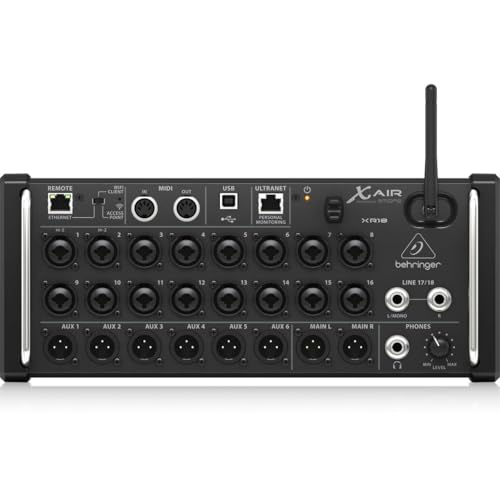
- 18 channels with 12-bus digital mixing
- 16 MIDAS-designed programmable preamps
- Built-in Wi-Fi and 18x18 USB audio
Best For: Tablet-controlled live mixing and multitrack recording
Networked Stage Box
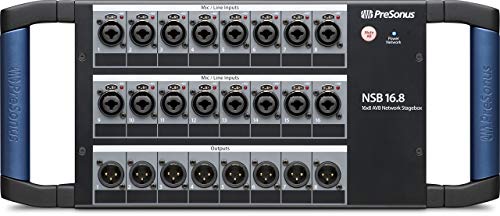
- 16 locking mic/line inputs plus 8 XLR outputs
- Remote XMAX preamps with gain compensation
- Dual AVB ports for Series III systems
Best For: Expanding a compatible PreSonus digital mixer system
Rack Digital Mixer

- 18-channel, 12-bus rackmount mixer
- 16 gain-programmable MIDAS preamps
- Built-in Wi-Fi and multichannel USB
Best For: Compact live setups and tablet-based recording
32-Channel Digital Stage Box

- 32 Midas mic preamps for large inputs
- 16 balanced line outputs
- Dual AES50 ports for cascading
Best For: Large live rigs needing high-channel stage expansion
AVB Rack Mixer

- AVB stage box mode for StudioLive Series III consoles
- 32-channel rack mixer with 24 locking combo inputs
- 16 FlexMixes, AVB/USB recording, and included software
Best For: StudioLive Series III users needing an AVB stage box and monitor mixer
AES50 Stage Box

- 16 remote-controllable MIDAS-designed mic preamps
- 8 XLR outputs plus 4-port ULTRANET hub
- AES50 networking for digital stage I/O
Best For: Compact AES50 stage-box expansion with remote preamps and monitoring
Compact AVB Rack Mixer

- AVB stage box mode for StudioLive Series III consoles
- 16-channel rack mixer with recallable XMAX Class A preamps
- 18x18 USB, 32x32 AVB, and SD card recording
Best For: Smaller live rigs needing compact AVB stage-box flexibility
Compact Stage Snake
Behringer SD16 16-Channel Digital Stage Box

- 16 remote-controllable Midas-designed preamps
- 8 XLR outputs plus AES50 networking
- ULTRANET support for P16 monitoring
Best For: Small-to-medium venues that need a compact digital stage box
Flexible Networked Mixer
StudioLive Series III SE 24 with Stage Box Support

- 40-channel console with 26 mix buses
- Milan-certified AVB for stage box expansion
- 64x64 USB interface with multitracking
Best For: Installed systems and live rigs needing a networked digital mixer
High-Count Digital Snake
Behringer S32 32-Preamp Stage Box Bundle

- 32 remote-controllable MIDAS preamps
- Dual AES50 ports up to 96 channels
- Includes 2 XLR cables and expansion outputs
Best For: Bigger live systems that need a high-input stage box bundle
Tablet-Controlled Rack Mixer – Behringer XR18 Digital Mixer
If you need a digital mixer with stage box flexibility for small-to-mid live setups or studio recording, the Behringer XR18 is built around tablet control and a rackmount form factor. It offers 18 channels, 16 MIDAS-designed preamps, built-in Wi-Fi, and an 18×18 USB interface, so it can handle both mixing and multitrack capture without extra hardware.
Best For: Bands, engineers, and creators who want compact tablet mixing with recording and built-in wireless control.
Pros:
- 18-input, 12-bus digital mixer controlled from iPad or Android tablets
- 16 fully programmable MIDAS-designed preamps for mic inputs
- Built-in tri-mode Wi-Fi router for direct wireless operation
- 18×18 bidirectional USB interface for recording and playback
Cons:
- Tablet-based workflow may not suit users who prefer physical faders
- Built around 2 XLR main outputs, so larger rigs may need additional routing planning
Overall, the XR18 is a practical choice when you want a compact digital mixer that keeps setup simple while still offering serious input count and recording capability. Its integrated Wi-Fi and USB interface make it especially useful for mobile mixes and small venue workflows.
Networked Stage Box – PreSonus NSB 16.8 Stage Box
The PreSonus NSB 16.8 is a dedicated stage box designed to expand a Series III digital mixer system over AVB networking. With 16 locking mic/line inputs, 8 XLR outputs, remote-controllable XMAX preamps, and dual AVB ports, it fits neatly into setups where the mixer and stage box need to stay connected and easy to manage.
Best For: Series III mixer users who need a rugged AVB stage box with remote preamp control.
Pros:
- 16 locking mic/line inputs and 8 locking XLR outputs
- Remote-controllable XMAX preamps with gain compensation
- Dual AVB ports with locking XLR Ethernet jacks
- Works with Series III mixers and UC Surface software
Cons:
- Requires an AVB-based workflow, so it is not a standalone mixer
- Best suited to compatible PreSonus systems rather than universal use
As a stage box, the NSB 16.8 is focused on clean expansion rather than onboard mixing features. That makes it a strong fit for users who already run a compatible PreSonus system and want reliable remote input access at stage level.
Rack Digital Mixer – Behringer XR18 X AIR
If you are comparing a digital mixer with stage box-style flexibility, the Behringer XR18 is a compact rackmount option with 18 channels, built-in Wi-Fi, and multichannel USB audio. It is designed for iPad or Android tablet control and includes 16 gain-programmable MIDAS preamps, making it suitable for live sound or recording setups that need a streamlined footprint.
Best For: Mobile engineers and small venues that want tablet control and USB recording in a compact rack unit.
Pros:
- 12-bus rackmount digital mixer with 18-channel capability
- 16 gain-programmable MIDAS preamps
- Integrated Wi-Fi module for wireless control
- Multichannel USB audio interface for recording workflows
Cons:
- Physical controls are minimal compared with traditional analog mixers
- Wireless reliance may not be ideal in every live environment
The XR18 is a useful fit when you want modern digital control without adding a separate stage box and mixer combination. Its combination of Wi-Fi, tablet control, and USB interfacing makes it especially practical for compact rigs.
32-Channel Digital Stage Box – Midas DL32 Stage Box
The Midas DL32 is a high-capacity digital stage box built for larger systems that need extensive input and output counts at the stage. It provides 32 Midas microphone preamplifiers, 16 balanced outputs, ULTRANET support, and dual AES50 SuperMAC ports, making it a strong fit when the priority is routing multiple sources to a compatible digital mixer.
Best For: Larger live sound rigs that need a high-channel-count stage box with Midas preamps.
Pros:
- 32 input channels with 32 Midas microphone preamplifiers
- 16 electronically balanced low-impedance line outputs
- Dual AES50 SuperMAC ports for cascading additional stage boxes
- ULTRANET and ADAT connectivity for monitoring and digital integration
Cons:
- Requires a compatible digital system to use its stage box features
- More capacity than many small venues need
The DL32 is the most expansion-focused option in this group, aimed at systems that need lots of clean stage inputs and flexible digital routing. If your mix setup is already built around compatible networking, it offers substantial channel count and expandability.
AVB Rack Mixer – PreSonus StudioLive 24R
PreSonus StudioLive Series III 24R Digital Rack Mixer with Studio One Pro Software
Check Price On AmazonIf you want a digital mixer with stage box flexibility, the PreSonus StudioLive 24R is built for exactly that workflow. It can operate as an AVB stage box for StudioLive Series III consoles, or as a stage box plus monitor mixer, while also serving as a fully recallable 32-channel rack mixer with onboard recording and networked integration.
Best For: StudioLive Series III users who need a rack mixer that can double as an AVB stage box and monitor mixer.
Pros:
- AVB stage box mode plus stage box + monitor mixer mode for flexible live setups
- 32-channel design with 24 locking combo mic/line inputs and recallable XMAX Class A preamps
- 16 FlexMixes and 4 dedicated subgroups for monitor, aux, subgroup, or matrix routing
- Includes UC Surface control, Capture software, Studio One Artist, and QMix-UC compatibility
Cons:
- Designed around StudioLive Series III and AVB workflows, so it may not fit every rig
- Onboard feature set is broad, which may be more than simple users need
The 24R stands out if you need a mixer that can live at the stage and still tie into a larger AVB ecosystem. Its combination of recallable inputs, flexible mixes, and included software makes it a strong pick for connected live sound and recording setups.
AES50 Stage Box – Behringer SD16 Stage Box
The Behringer SD16 is a straightforward choice if you need a digital mixer with stage box-style remote I/O expansion. It pairs 16 remote-controllable Midas mic preamps with AES50 networking, giving you a compact way to move inputs and outputs to the stage while keeping digital control in the system.
Best For: Bands and engineers who need a compact AES50 stage box with remote-controlled preamps and monitoring distribution.
Pros:
- 16 MIDAS-designed, fully programmable mic preamps for remote input control
- 8 analog, servo-balanced XLR outputs for stage monitoring or system routing
- AES50 networking with KLARK TEKNIK SuperMAC capability for low-latency connectivity
- 4-port ULTRANET distribution hub for P16-M personal monitoring mixers
Cons:
- Acts as an I/O stage box rather than a full standalone mixer
- Best suited to systems that already use AES50 or ULTRANET
For live rigs built around digital networking, the SD16 keeps stage cabling organized while giving you remote preamp control. It is a practical expansion piece when you want distributed inputs, outputs, and personal monitoring in one compact unit.
Compact AVB Rack Mixer – PreSonus StudioLive 16R
PreSonus StudioLive Series III 16R Digital Rack Mixer with Studio One Pro Software
Check Price On AmazonIf you are shopping for a digital mixer with stage box capability in a smaller format, the PreSonus StudioLive 16R is built for that role. It works as an AVB stage box for StudioLive Series III consoles, or as a stage box plus monitor mixer, while also providing a fully recallable 16-channel rack mixer with recording and control software included.
Best For: Smaller live rigs that want an AVB stage box, monitor mixer, and compact rack-based digital mixer in one unit.
Pros:
- AVB stage box mode and stage box + monitor mixer mode for flexible deployment
- 16-channel rack mixer with 16 locking combo mic/line inputs and recallable XMAX Class A preamps
- 6 FlexMixes and scene management with Scene Safe for live mixing control
- 18×18 USB and 32×32 AVB recording interfaces plus onboard SD card recording
Cons:
- Smaller channel count than the 24R if you need more inputs
- Uses Ethernet/AVB-focused connectivity, so it is most useful in compatible setups
The 16R is a good fit when you need the stage-box workflow without the size or channel count of a larger rack mixer. It keeps the feature set useful for live sound and recording, but in a more compact package.
Compact Stage Snake – Behringer SD16 16-Channel Digital Stage Box
If you need a digital mixer with stage box support for a smaller live setup, the Behringer SD16 is built to move analog lines to the stage and keep the console connection simple. It gives you 16 remote-controllable Midas-designed mic preamps, 8 XLR outputs, AES50 networking, and ULTRANET compatibility for personal monitoring.
Best For: Bands, churches, and small-to-medium venues that want a compact digital snake with remote preamps and stage monitoring integration.
Pros:
- 16 remote-controllable Midas-designed microphone preamps
- 8 XLR outputs for stage or monitor routing
- AES50 networking with Klark Teknik SuperMac technology
- ULTRANET integration for Powerplay P16 personal monitoring systems
Cons:
- Limited to 16 channels, so it may not suit larger input lists
- Stage box only; it is not a full mixing console
The SD16 is a practical choice when you want to reduce stage clutter and keep the signal path organized without adding complexity. Its feature set is focused on connectivity and remote preamp control rather than onboard mixing.
Flexible Networked Mixer – StudioLive Series III SE 24 with Stage Box Support
If you want a digital mixer with stage box integration, the StudioLive Series III SE 24 is aimed at full-system workflows. It offers 40 channels, 26 mix buses, AVB networking for connecting PreSonus NSB stage boxes and EarMix 16M mixers, plus a 64×64 USB 2.0 interface for recording and playback.
Best For: Production teams, installed systems, and live rigs that need a feature-rich digital console with stage box networking.
Pros:
- 40-channel digital console with 26 mix buses
- Milan-certified AVB networking for stage box and monitor expansion
- 64×64 USB 2.0 interface with included multitracking software
- Remote control via Universal Control over local network or internet
Cons:
- Larger and heavier than a simple stage box solution
- May be more mixer than you need for basic setups
This model makes sense if you want the mixer and networked expansion path to grow together. It is less about portability and more about building a complete, interconnected live or studio system.
High-Count Digital Snake – Behringer S32 32-Preamp Stage Box Bundle
For a digital mixer with stage box-style front-end expansion, the Behringer S32 is built for larger input counts and fast stage-to-console routing. It provides 32 remote-controllable MIDAS preamps, dual AES50 ports for up to 96 bidirectional channels, and rugged etherCON connectors for touring use.
Best For: Bigger live systems, touring rigs, and users who need a high-input digital stage box bundle with cable accessories included.
Pros:
- 32 remote-controllable MIDAS preamps for higher channel-count setups
- Dual AES50 ports with up to 96 bidirectional channels
- ULTRANET, ADAT, and AES/EBU outputs for flexible expansion
- Bundle includes 2 x 25′ XLR mic cables and a limited warranty
Cons:
- Stage box only, so you still need a compatible digital console
- More capacity than smaller venues may require
The S32 is a strong fit when you need plenty of inputs and a setup that can scale. Its touring-friendly hardware and broad digital connectivity make it a straightforward backbone for larger stage systems.
How We Picked the Best Digital Mixer with Stage Box
We looked for systems that balance channel count, remote preamp control, network reliability, and real-world ease of use. Priority went to gear that works well in live environments, supports scalable stage I/O, and offers enough routing flexibility for monitors, FOH, and recording workflows.
Quick Comparison
Some models are compact all-in-one rack mixers, while others are dedicated stage boxes intended to pair with a compatible console or networked ecosystem. If you want a simple portable rig, an integrated rack mixer may be the better fit. If you already own a compatible digital console, a stage box can expand your input count and keep your stage tidy.
Key Buying Factors for a Digital Mixer with Stage Box
Input and Output Count
Choose a system that covers your current channel needs with some headroom for growth. Bands with full drum kits, multiple vocalists, and stereo playback often need more inputs than they expect.
Networking and Compatibility
Make sure the mixer and stage box use the same ecosystem and network protocol. Compatibility matters more than raw specs, especially when pairing racks, consoles, and remote control apps.
Preamps and Headroom
Remote-controllable preamps are standard on many modern systems, but sound quality and gain range still matter. Cleaner preamps can reduce the need for aggressive EQ or gain staging fixes later.
Monitoring and Routing
Look for enough monitor mixes, direct outputs, and flexible routing to support both performers and front-of-house. Personal monitoring hubs and multichannel outputs are especially useful for bands with in-ear monitoring.
Portability and Setup Speed
Rack formats and stage boxes can dramatically reduce cable clutter, but weight, power needs, and Wi-Fi or network setup still affect how fast you can get soundchecked.
Who Should Buy Which Digital Mixer with Stage Box?
Small bands and mobile acts: A compact rack mixer is usually the easiest way to get a full digital workflow without extra outboard gear.
Growing venues and churches: A dedicated stage box is often the smartest investment if you already have a compatible console and want more inputs on stage.
Production teams and larger stages: Higher-channel systems with strong networking and expansion options are best when multiple mixes, sources, and operators need to work together.
If you want the most flexible path, start with the system you can actually deploy confidently every week. The best Digital Mixer with Stage Box is the one that matches your channel count, workflow, and long-term expansion plans.