Choosing the right digital mixer for multitrack recording can simplify your setup, improve workflow, and make every session easier to capture and edit later. The best models balance input count, recording flexibility, monitoring, and hands-on control.
Below, we focus on mixers that suit musicians, podcasters, and small studios that need dependable multitrack capture without unnecessary complexity.
Best 10 Digital Mixer for Multitrack Recording Picks for 2026
Live-Recording Powerhouse
Zoom LiveTrak L-20 20-Channel Multitrack Mixer
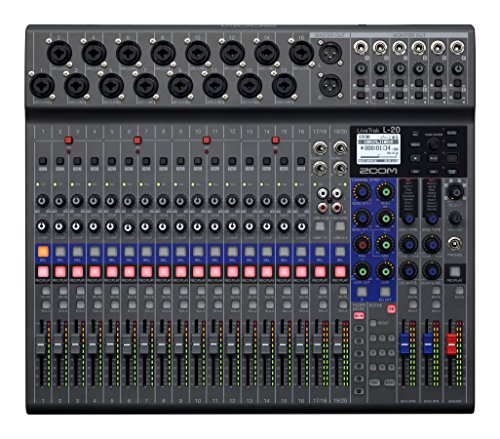
- 22-track 24-bit/96kHz SD recording
- Six independent monitor mixes
- USB interface with wireless iOS control
Best For: Large bands and live productions needing multitrack recording
Studio Console Choice
PreSonus StudioLive Classic 16.0.2 USB

- 18-in/16-out USB multitrack interface
- 12 XMAX preamps with Fat Channel processing
- Includes DAW and mixer-control software
Best For: Small studios and bands wanting console-style USB recording
Portable Multitrack Favorite
Zoom LiveTrak L-12 12-Channel Recorder

- 14-track 24-bit/96kHz SD recording
- Five separate monitor mixes
- Battery power for mobile sessions
Best For: Mobile recording, podcasts, and small-band multitrack work
Hands-On Digital Desk
ALTO TMD16 16-Channel Touchfader Mixer

- 16 channels with 10 digital mic preamps
- 7-inch display and capacitive touchfaders
- USB recording with Bluetooth and app control
Best For: Small venues and users wanting tactile digital mixing
Portable Multitrack Pick
Zoom LiveTrak L-8 for Musicians & Podcasters

- Records 12 tracks simultaneously to SD card.
- Four headphone outs with three monitor mixes.
- Can record to SD card and computer at once.
Best For: Portable multitrack sessions, podcasts, and small bands
Budget USB Capture Pick
XTUGA DM80 8-Channel Digital Mixer

- Direct-to-USB flash drive recording without a computer.
- 24-bit/48kHz computer recording support.
- Per-channel EQ, noise gate, and 16 effects.
Best For: Streamers and home studios needing simple direct capture
Versatile Hybrid Pick
Mackie ProFX10v3+ with USB-C and Bluetooth

- 24-bit/192kHz USB-C audio interface.
- Three recording modes for different workflows.
- Bluetooth channel plus editable GigFX+ effects.
Best For: Home studios and streamers needing a hybrid mixer-interface
Top Pick
Zoom LiveTrak L-12 12-Channel Digital Mixer

- Built-in 14-track SD recorder
- 12 channels with 8 mono and 2 stereo inputs
- USB audio interface with iOS compatibility
Best For: Musicians and podcasters needing built-in multitrack recording
Budget-Friendly Option
8-Channel Mixer with USB and Bluetooth

- 8 mic inputs with XLR and 1/4" support
- USB audio interface and USB flash drive recording
- Bluetooth playback plus onboard EQ and effects
Best For: Small recording, streaming, and karaoke setups
Bundle Value
Zoom LiveTrak L-12 Bundle with Accessories

- 14-track recording at up to 24-bit/96 kHz
- Five powered headphone outputs
- Includes cables, straps, and cleaning kit
Best For: Users who want the L-12 plus included setup accessories
Live-Recording Powerhouse – Zoom LiveTrak L-20 20-Channel Multitrack Mixer
If you want a digital mixer for multitrack recording that can handle a full band, the Zoom LiveTrak L-20 is built for exactly that job. It records up to 22 tracks at 24-bit/96kHz straight to SD card, while also working as a USB audio interface for DAW sessions and live streaming.
Best For: Large bands, live shows, and engineers who need lots of inputs plus independent monitor mixes.
Pros:
- Records 22 tracks at 24-bit/96kHz directly to SD card.
- Six independent monitor/headphone outputs for custom performer mixes.
- 20 onboard effects and -128dBu EIN preamps for flexible, clean signal handling.
- Wireless iOS control adds convenience during setup and mixing.
Cons:
- Best suited to larger setups, so it may be more mixer than solo creators need.
- Requires corded power rather than battery operation.
The L-20 stands out when multitrack capture and live monitoring need to happen at the same time. It is a rugged all-in-one option for musicians who want recording, monitoring, and interface duties in one road-ready unit.
Studio Console Choice – PreSonus StudioLive Classic 16.0.2 USB
For buyers looking for a digital mixer for multitrack recording with a more traditional console feel, the PreSonus StudioLive Classic 16.0.2 USB offers a focused studio-and-stage workflow. It records all channels and the main L/R mix over USB and includes built-in processing, effects, and software tools for capture and mix control.
Best For: Small bands, studios, and users who want integrated processing with USB multitrack recording.
Pros:
- 18-in/16-out USB interface records all channels plus the main L/R mix.
- 12 XMAX mic preamps and Fat Channel processing on all channels and buses.
- Two stereo digital effects processors plus EQ, compressor, expander, and limiter tools.
- Includes control software and bundled recording/DAW applications for Mac and Windows.
Cons:
- Records over USB 2.0 at 24-bit/44.1 kHz or 48 kHz, not high-resolution SD-card capture.
- Larger and heavier than compact portable mixers.
This is a strong pick if you want hands-on faders, deep onboard processing, and reliable multitrack USB recording in one console. It makes the most sense when you value studio-style control more than ultra-portable design.
Portable Multitrack Favorite – Zoom LiveTrak L-12 12-Channel Recorder
The Zoom LiveTrak L-12 is a practical digital mixer for multitrack recording when portability matters. It records up to 14 tracks at 24-bit/96kHz to SD card, can send audio over USB to a computer, and adds five monitor mixes for rehearsal, stage use, or podcast work.
Best For: Mobile musicians, podcasters, and small groups that need easy multitrack recording.
Pros:
- Records 14 tracks at 24-bit/96kHz directly to SD card.
- Five separate headphone/monitor mixes for performers.
- -128dBu EIN preamps with up to +60dB of gain.
- Can run on batteries for mobile recording sessions.
Cons:
- Fewer channels than larger mixers like the L-20.
- Best for smaller ensembles rather than big live productions.
If you need a compact all-in-one recorder that still feels serious about audio quality, the L-12 is easy to recommend. It balances multitrack capture, monitoring, and portability better than many larger desktop mixers.
Hands-On Digital Desk – ALTO TMD16 16-Channel Touchfader Mixer
The ALTO TMD16 is a digital mixer for multitrack recording if you want modern controls without relying on a tablet. It pairs 16 channels, USB recording, and Bluetooth with a 7-inch color display, capacitive touchfaders, and onboard processing for quick setup in live or rehearsal spaces.
Best For: Small venues, rehearsal spaces, and gigging users who want tactile control and simple USB recording.
Pros:
- 16-channel digital mixer with 10 digital mic preamps.
- 7-inch display, touchfaders, and dedicated encoders reduce menu diving.
- USB recording and Bluetooth connectivity add flexibility.
- Scene recall, aux sends, and subgroups support repeatable setups.
Cons:
- Does not include SD-card multitrack recording like the Zoom models.
- More focused on live mixing than built-in recorder workflows.
The TMD16 is a smart choice when you want fast, hands-on control and a compact digital mixer that still covers core recording needs. It is especially appealing for users upgrading from analog gear and looking for an all-in-one live sound solution.
Portable Multitrack Pick – Zoom LiveTrak L-8 for Musicians & Podcasters
If you want a digital mixer for multitrack recording that can move from rehearsal space to podcast setup without fuss, the Zoom LiveTrak L-8 is a strong fit. It records up to 12 tracks simultaneously to SD card at 24-bit/96kHz, while also working as a USB audio interface for computer recording.
Best For: Musicians, podcasters, and small live sessions that need portable multitrack recording with independent headphone mixes.
Pros:
- Records 12 tracks simultaneously to SD card at 24-bit/96kHz.
- Six preamps with a -121dBu noise floor and up to +54dB of gain.
- Four headphone outputs with three independent monitor mixes.
- Can record to SD card and computer at the same time.
Cons:
- Only 8 channels total, so larger setups will need more inputs elsewhere.
- Compact format is practical, but not as expansive as bigger studio mixers.
The L-8 stands out if you value flexible recording paths and easy monitoring in a compact unit. For creators who need a take-anywhere mixer/recorder rather than a full-size console, it covers the essentials well.
Budget USB Capture Pick – XTUGA DM80 8-Channel Digital Mixer
For buyers looking for a digital mixer for multitrack recording with simple direct-to-drive capture, the XTUGA DM80 focuses on practical recording features. It supports computer-free USB flash drive recording and offers 24-bit/48kHz computer recording for studio, streaming, or home production use.
Best For: Streamers, home studios, and podcast setups that want direct USB-drive recording and basic multitrack mixing tools.
Pros:
- Records directly to a USB flash drive without a computer.
- 24-bit/48kHz computer recording for mixing and capture.
- 4-band EQ with sweepable mid filter on each channel.
- Built-in noise gate, mute switch, and 16 studio-grade effects.
Cons:
- Only stereo files are recorded directly to USB flash drive.
- No warranty description is provided in the supplied notes.
The DM80 is appealing if you want hands-on control and direct-to-USB convenience more than advanced studio workflow. Its color display, faders, and onboard processing make it a straightforward option for small recording and streaming rigs.
Versatile Hybrid Pick – Mackie ProFX10v3+ with USB-C and Bluetooth
If your shopping list calls for a digital mixer for multitrack recording that also works smoothly for streaming and day-to-day content creation, the Mackie ProFX10v3+ is built around that hybrid role. It pairs analog mixing with a 24-bit/192kHz USB-C audio interface and three recording modes for different capture needs.
Best For: Home studios, streamers, and musicians who want an analog-style mixer with high-resolution USB recording and Bluetooth connectivity.
Pros:
- 24-bit/192kHz USB-C 2×4 interface for high-resolution recording.
- Three USB recording modes: Standard, Loopback, and Interface.
- Bidirectional Bluetooth with Mix Minus for phone audio.
- Onyx preamps, EQ, one-knob compression, and editable GigFX+ effects.
Cons:
- It is an analog mixer first, so it is less specialized for built-in multitrack workflow than dedicated recorders.
- Only 4 Onyx mic preamps are included.
The ProFX10v3+ is a strong middle ground for creators who want recording flexibility without giving up a familiar mixer layout. Its USB-C interface, Bluetooth channel, and adjustable effects make it especially useful when mixing studio work with live streaming.
Top Pick – Zoom LiveTrak L-12 12-Channel Digital Mixer
Zoom LiveTrak L-12-12-Channel Digital Mixer & Multitrack Recorder with Cables and Headphone
Check Price On AmazonIf you want a digital mixer for multitrack recording that can also handle live mixing, the Zoom LiveTrak L-12 is built around that workflow. It combines 12 input channels, a built-in 14-track SD recorder, and a 14-in/4-out USB audio interface, so you can record sessions directly and move them into your computer when needed.
Best For: Musicians, podcasters, and small teams who want a compact mixer with built-in multitrack recording and USB interface support.
Pros:
- Built-in 14-track SD recorder for direct multitrack capture
- 12 channels with 8 mono inputs and 2 stereo inputs
- USB audio interface with iOS compatibility
- Channels 1-2 include Hi-Z inputs, phantom power, and -26 dB pad
Cons:
- Only two channels include Hi-Z input support
- Only 12 mixer channels, which may be limiting for larger setups
Overall, the L-12 stands out when recording flexibility matters as much as mixing control. Its built-in recorder and interface make it a practical all-in-one choice for users who want fewer devices in the signal chain.
Budget-Friendly Option – 8-Channel Mixer with USB and Bluetooth
This digital mixer for multitrack recording is aimed at users who need straightforward routing, USB connectivity, and basic onboard control in a small-format board. With 8 mic inputs, USB audio interface support, and Bluetooth wireless connection, it fits simple recording, streaming, and small-event setups.
Best For: Budget-conscious buyers who need an 8-channel mixer for recording, streaming, and small live setups.
Pros:
- 8-channel layout with XLR and 1/4″ input support
- USB audio interface plus USB flash drive recording support
- Bluetooth wireless connection for playback from phones or tablets
- 3-band EQ, gain controls, and reverb/delay effects
Cons:
- Fewer channels than the 12-channel options in this roundup
- No built-in SD multitrack recorder listed
For compact setups, this mixer covers the essentials without adding much complexity. It is a practical pick if you value USB recording, Bluetooth playback, and onboard effects more than advanced multitrack features.
Bundle Value – Zoom LiveTrak L-12 Bundle with Accessories
If you are looking for a digital mixer for multitrack recording with a ready-to-use accessory package, this Zoom LiveTrak L-12 bundle is the most complete option here. It offers 12 channels, 14-track simultaneous recording at up to 24-bit/96 kHz, and a 14-in/4-out USB audio interface, plus bundled cables and cleaning gear.
Best For: Buyers who want the L-12 feature set plus included accessories for immediate setup.
Pros:
- 14-track simultaneous recording at up to 24-bit/96 kHz
- 12 discrete channels with XLR or 1/4″ inputs
- Five powered headphone outputs for monitoring
- Includes cables, straps, and a cleaning kit
Cons:
- Bundle adds accessories, which may be unnecessary if you already own them
- Heavier than the other listed mixer at 8.88 pounds
This bundle is the strongest fit if you want a mixer that is ready to work out of the box. The extra accessories and monitoring features make it especially convenient for collaborative recording sessions.
How We Picked the Best Digital Mixer for Multitrack Recording
We prioritized mixers that combine multitrack recording, practical channel counts, usable monitoring options, and straightforward computer or SD-card workflows. We also looked for models that are easy to integrate into live and studio setups, with enough headroom for expanding sessions.
For a Digital Mixer for Multitrack Recording, the most important factor is not just the number of inputs. A strong choice should also offer stable recording paths, clear gain staging, and enough flexibility for headphones, aux sends, or USB audio when you need to move from rehearsal to capture quickly.
Quick Comparison
Higher-channel models are better for full bands, rehearsal spaces, and live capture. Mid-channel mixers are usually the sweet spot for singer-songwriters, podcast teams, and small project studios. Smaller units make sense when portability, simplicity, and low setup time matter most.
Some mixers in this roundup emphasize standalone recording to SD card, while others are better suited to computer-based production. If you want the most versatile workflow, look for both multitrack recording and USB interface support so you can track live and edit later with minimal hassle.
Key Buying Factors for a Digital Mixer for Multitrack Recording
Input and Output Count
Count every source you plan to record now and in the near future, including vocals, instruments, playback channels, and extra mics. Also check headphone outputs and monitor mixes if multiple performers need custom monitoring.
Recording Format and Connectivity
Verify whether the mixer records to SD card, streams multitrack audio over USB, or does both. Compatibility with your DAW and operating system matters just as much as feature count.
Hands-On Control and Workflow
Faders, screen layout, app control, and preset recall can save time in real-world sessions. If you often work alone, an intuitive surface is especially valuable.
Power, Portability, and Build
Battery power, rack-friendly design, and durable construction are useful if you record on location or move between venues. For fixed studios, prioritize stability and monitoring convenience.
Who Should Buy Which Digital Mixer for Multitrack Recording?
Large bands and live recordists should lean toward higher-channel mixers with strong monitor routing and multiple headphone outputs. Small studios and content creators usually get the best value from compact units that still offer true multitrack capture and USB audio. If you need a simple live board first and recording second, a more basic digital or hybrid mixer may be enough, but serious tracking work benefits from a purpose-built multitrack design.
In short, choose the model that matches your channel needs, monitoring demands, and preferred recording workflow rather than chasing the biggest spec sheet.