Finding the right compressor on a budget can make recordings sound tighter, vocals sit better in the mix, and live levels feel more controlled.
This roundup of the best audio compressors under 200 focuses on practical value, useful features, and the kinds of setups most buyers actually use.
Best 10 Audio Compressors Under 200 Picks for 2026
Studio Dynamics Workhorse
Behringer Composer Pro-XL MDX2600 Compressor with De-esser

- 2-channel compressor/limiter/gate design
- Built-in de-esser for vocal sibilance
- Auto or manual attack and release controls
Best For: Recording, mixing, mastering, and live sound
Stereo Rack Control
ART SCL2 Dual/Stereo Compressor/Limiter Expander/Gate
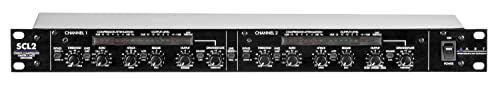
- Dual-channel or linked stereo operation
- Balanced TRS and XLR inputs
- Selectable auto/manual attack and release
Best For: Engineers and home-studio users needing stereo-linked dynamics control
Bundle Value Pick
Behringer Composer Pro-XL MDX2600 Bundle with XLR Cable

- Includes the MDX2600 and a 10-foot XLR cable
- De-esser with male/female voice detection
- Tube simulation and dynamic enhancer included
Best For: Buyers who want the compressor plus an included cable
Pedal Compression Classic

- 1176-inspired studio-style pedal design
- Tone, attack, and release controls
- Parallel clean blend preserves dynamics
Best For: Guitarists wanting detailed pedal compression with classic character
Rack-Mount Dynamics Workhorse
Behringer COMPOSER PRO-XL MDX4600 V2

- 4-channel rack compressor with expander/gate
- Dynamic Enhancer and Low Contour filter
- Interactive Knee and Ratio control for flexible compression
Best For: Multi-channel studio or live dynamics control
Inline Mic Leveler
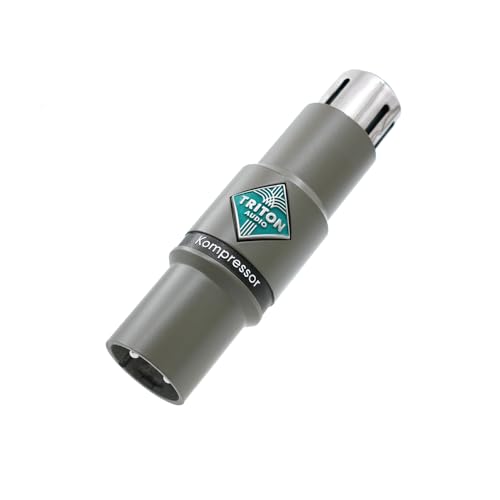
- In-line FET-OPTO compressor with 25 dB gain
- One-knob control for fast level setting
- Blocks phantom power while protecting ribbon mics
Best For: Podcasting and low-output mic leveling
Dual-Channel Rack Compressor
Professional Vocal Compressor/Limiter

- Dual-channel rack unit with compression and gate
- Overeasy-style compression for smoother leveling
- Sidechain insert for ducking and low-end control
Best For: Vocals and live/streaming dynamics control
Classic FET Rack Pick
Klark Teknik 76-KT FET-Style Compressor

- Modeled after the classic 1176LN sound
- Discrete signal path with Class-A output amp
- Midas transformers and multiple ratio options
Best For: Professional audio users wanting vintage-style compression
Dual-Channel Control Pick
Professional Dual-Channel Black Dynamic Processor

- Dual-channel compressor with Overeasy control
- XLR/TRS I/O plus sidechain insert
- Built-in noise gate and LED monitoring
Best For: Studio, live, and streaming users needing flexible dynamics control
Clean Vocal Utility Pick
Professional Dual-Channel Audio Processor

- Dual-channel VCA processor with Overeasy compression
- XLR/TRS I/O and sidechain input
- Noise gate with LED monitoring
Best For: Vocal and general-purpose compression in rack setups
Studio Dynamics Workhorse – Behringer Composer Pro-XL MDX2600 Compressor with De-esser
If you want audio compressors under 200 that can handle both studio and live duties, the Behringer Composer Pro-XL MDX2600 is built around flexible 2-channel dynamics control. It combines compression, limiting, gating, and de-essing in one rack unit, making it a practical choice for cleaning up vocals, tightening mixes, or managing peaks without adding extra boxes.
Best For: Recording, mixing, mastering, and live sound users who want a multi-function dual-channel dynamics processor.
Pros:
- 2-channel compressor/limiter/gate design gives you multiple dynamics tools in one unit.
- Built-in de-esser helps reduce vocal sibilance.
- Switchable automatic or manual attack and release settings add control.
- Side-chain input/output supports more advanced processing setups.
Cons:
- Rack-style unit is less portable than a pedal compressor.
- Best suited to users comfortable with more involved dynamics controls.
The MDX2600 stands out as a utility-focused compressor for people who need more than basic compression. If you value a full set of processing options in a single affordable unit, it fits the brief well.
Stereo Rack Control – ART SCL2 Dual/Stereo Compressor/Limiter Expander/Gate
For buyers comparing audio compressors under 200, the ART SCL2 is aimed at users who want flexible stereo or dual-mono control in a rack format. Its balanced TRS and XLR inputs, linked stereo mode, and selectable auto/manual attack and release make it a versatile fit for shaping dynamics in studio or system-processing roles.
Best For: Engineers and home-studio users who need dual-channel or linked stereo compression with clear metering.
Pros:
- Dual-channel or linked stereo operation adds routing flexibility.
- Balanced 1/4-inch TRS and XLR inputs support common studio connections.
- Selectable auto/manual attack and release helps tailor response.
- Precise LED level meters make gain staging easier.
Cons:
- Rack-mounted design is not the most portable option.
- Function set is oriented more toward system control than simple one-knob compression.
The SCL2 is a straightforward choice if you want a rack compressor with stereo linking and solid connectivity. It looks especially useful for setups where metering and balanced inputs matter as much as compression itself.
Bundle Value Pick – Behringer Composer Pro-XL MDX2600 Bundle with XLR Cable
This bundled version of the Behringer Composer Pro-XL MDX2600 is a practical entry in the audio compressors under 200 category because it includes the compressor plus a 10-foot XLR cable. The unit itself offers independent or stereo-linked processing, de-essing, tube simulation circuitry, and dynamic enhancement, so it covers a wide range of studio and live-sound needs right out of the box.
Best For: Buyers who want the MDX2600 compressor plus an included balanced XLR cable for immediate setup.
Pros:
- Includes the MDX2600 compressor/expander/gate and a 10-foot XLR male-to-female cable.
- De-esser with male and female voice detection modes adds vocal flexibility.
- Tube simulation circuitry and dynamic enhancer expand its tonal and leveling options.
- Automatic or manual attack and release controls allow more precise shaping.
Cons:
- Bundle value depends on whether you need the included cable.
- Like other rack processors, it is less convenient than a pedal-style compressor.
If you are already considering the MDX2600, this bundle can simplify the first setup because the cable is included. That makes it a sensible pick for buyers who want a ready-to-go package rather than a standalone unit.
Pedal Compression Classic – Wampler EGO 76 Compressor
If your search for audio compressors under 200 is really about guitar dynamics, the Wampler EGO 76 Compressor brings a studio-style approach in a pedal format. It is designed as a tribute to the classic 1176 peak limiter and adds tone, attack, release, and parallel clean blend controls, giving players more shape than a basic one-knob pedal.
Best For: Guitarists who want a pedal compressor with classic 1176-inspired character and detailed control.
Pros:
- 1176-inspired design aims for a familiar studio-compressor feel.
- Tone control adds brightness control for more tailored response.
- Attack and release knobs provide detailed compression adjustment.
- Parallel clean blend helps preserve dynamics while smoothing levels.
Cons:
- It is a pedal compressor, so it is not intended for rack audio processing.
- Best fit is guitar use rather than general studio compression.
The EGO 76 is a strong pick if you want compressor behavior that feels more like studio gear but lives on a pedalboard. Its extra controls make it more adaptable than simple stompbox compressors.
Rack-Mount Dynamics Workhorse – Behringer COMPOSER PRO-XL MDX4600 V2
If you want audio compressors under 200 that can handle a full rack setup, the Behringer COMPOSER PRO-XL MDX4600 V2 is built for multi-channel control. Its 4-channel design, program-adaptive compression, and built-in expander/gate make it a practical pick for taming peaks while keeping noise and low-end pumping under control.
Best For: Home studios, live rigs, and anyone needing four channels of rackmount dynamics processing.
Pros:
- 4-channel compressor, expander/gate, and peak limiter in one rack unit
- Switchable dynamic Enhancer helps keep compressed audio lively
- Low contour filter helps reduce pumping from bass-heavy material
- Interactive Knee Adaptation and Interactive Ratio Control add flexible dynamics handling
Cons:
- Rackmount, corded design is less portable than inline options
- More control than a simple one-knob compressor, so setup takes more time
- Best suited to users who need multiple channels rather than a single-mic solution
For buyers comparing audio compressors under 200, this model stands out for versatility rather than simplicity. It offers a lot of control for studio and live use, especially if you need compression plus gating and limiting in one unit.
Inline Mic Leveler – Triton Audio Kompressor
Among audio compressors under 200, the Triton Audio Kompressor is the most straightforward option for low-output microphones. This in-line FET-OPTO compressor and preamp adds up to 25 dB of gain in a compact XLR barrel, making it a simple way to smooth levels right at the source.
Best For: Podcasts, voice recording, and dynamic or ribbon mics that need clean gain and gentle compression.
Pros:
- Compact in-line XLR design combines compression and preamp gain
- Up to 25 dB gain is useful for dynamic and ribbon microphones
- One-knob control makes compression quick to dial in
- Blocks 48V phantom power from reaching the microphone while operating
Cons:
- Single-knob control offers less fine-tuning than full-featured compressors
- Designed for microphone-level use rather than general rack processing
- Best for source-level leveling, not multi-channel studio dynamics
This is a strong pick if you want an easy, compact compressor that improves mic consistency without adding a rack unit. It makes the most sense for creators who want broadcast-ready voice control and a cleaner signal path with minimal setup.
Dual-Channel Rack Compressor – Professional Vocal Compressor/Limiter
If you’re shopping audio compressors under 200 for studio or live vocal control, this dual-channel rackmount unit covers a lot of ground. It combines compression, a noise gate, and sidechain insert support with XLR/TRS connectivity, making it a flexible choice for vocals, guitars, drums, and streaming setups.
Best For: Vocal tracking, live sound, and streaming rigs that need dual-channel dynamics with gate control.
Pros:
- Dual-channel design works for multiple sources or stereo processing
- Overeasy compression aims for smoother, more natural gain reduction
- Built-in noise gate helps reduce background noise
- Sidechain insert supports frequency-based ducking and tighter low end
Cons:
- Rackmount format is less convenient for portable or desktop use
- More complex than a simple compressor for users who only need basic leveling
- Best value depends on whether you need the gate and sidechain features
This model is a practical all-rounder if you want more than basic compression in a single rack space. Its dual-channel layout, gate, and sidechain options make it well suited to users who want flexible control without moving into higher-priced pro hardware.
Classic FET Rack Pick – Klark Teknik 76-KT FET-Style Compressor
If you’re shopping for audio compressors under 200 and want a more vintage-flavored control tool, the Klark Teknik 76-KT brings a classic FET-style approach modeled after the iconic 1176LN. Its fully discrete signal path, Class-A line-level output amplifier, and Midas transformers make it a strong fit when you want fast, hands-on dynamics control in a rack unit.
Best For: Professional audio users who want a classic FET-style compressor for recording or mix duties.
Pros:
- Classic FET-style design modeled after the 1176LN, with D and E revision inspiration
- Completely discrete signal path with Class-A line-level output amplifier
- Custom-built MIDAS input and output transformers
- Push-button ratio selection plus all-button mode, attack, and release controls
Cons:
- More specialized than a simple set-and-forget compressor
- Geared toward professional audio applications rather than casual use
This is the pick for buyers who value a recognizable vintage compressor workflow and the added color of transformer-based circuitry. It stands out by packing a classic approach into an affordable rack format.
Dual-Channel Control Pick – Professional Dual-Channel Black Dynamic Processor
For buyers comparing audio compressors under 200, this dual-channel rack unit focuses on flexible everyday dynamics control. It combines Overeasy compression, auto attack/release, XLR/TRS connectivity, and a built-in noise gate, making it a practical option for studio, live, and streaming setups.
Best For: Dual-channel compression with gate control for studio, live, or streaming rigs.
Pros:
- Dual-channel design with Overeasy compression and auto attack/release
- XLR and 1/4" TRS inputs and outputs for flexible integration
- Built-in noise gate plus LED indicators for gain reduction and thresholds
- Side chain insert for targeted control of bass, kick, and other sources
Cons:
- Rackmount form factor may be more than some small setups need
- Best suited to users comfortable with compressor and gate controls
Overall, this model is a strong utility choice if you need a straightforward dual-channel processor with monitoring and routing features. It is especially appealing when gate control and sidechain flexibility matter.
Clean Vocal Utility Pick – Professional Dual-Channel Audio Processor
If you want audio compressors under 200 that prioritize simple rack integration and vocal control, this dual-channel processor is built around practical studio and live use. Its Overeasy compression, auto attack/release, XLR/TRS connections, and built-in noise gate make it a solid choice for clean, controlled dynamics.
Best For: Vocal and general-purpose compression in studio, live, or broadcast setups.
Pros:
- Advanced dual-channel compression with Overeasy and auto attack/release settings
- XLR and 1/4" TRS inputs and outputs for straightforward routing
- Classic VCA circuit designed to enhance vocal warmth and detail
- LED gain-reduction monitoring, noise gate, and sidechain input
Cons:
- No detailed control layout or preset-focused workflow mentioned
- Primarily a rack solution, so it may not suit portable setups
This is a sensible pick for users who want a feature-rich compressor/limiter that can stay in the rack and handle multiple tasks. Its value comes from blending vocal focus, monitoring, and routing tools in one unit.
How We Picked the Best Audio Compressors Under 200
We focused on units that offer the most usable compression features for the price, not just the lowest sticker cost. That means balanced attention to control layout, channel count, limiter or gate functions, sidechain options, build quality, and whether the compressor fits studio tracking, live sound, or pedalboard use.
For Audio Compressors Under 200, value often comes from flexibility. A rack unit with dual channels may be ideal for vocals or a small studio, while a compact pedal or inline unit may be a better fit for guitar, broadcast, or a single microphone chain.
Quick Comparison: What You’re Really Buying
Before choosing, decide where the compressor will live in your signal chain. Rackmount models usually suit mixers, vocal racks, and home studios. Pedal-style compressors are better for instrument dynamics and tone shaping. Inline microphone compressors are useful when you want simple, front-end control for dynamic or ribbon mics.
Also compare whether the unit is a compressor only or a multi-function processor. Many of the best budget options combine compression with gating, limiting, de-essing, or enhancement features, which can be helpful if you need one box to do several jobs.
Key Buying Factors for Audio Compressors Under 200
Channel Count and Application
Single-channel models are often enough for a vocal mic, bass, or guitar. Dual-channel units are more versatile for stereo sources, dual vocals, or small live racks. Four-channel processors can be a strong fit for utility compression across multiple sources.
Controls and Ease of Use
Look for clearly labeled threshold, ratio, attack, release, and output controls. Budget compressors vary a lot in how transparent or hands-on they feel, so simplicity matters if you need quick setup rather than deep tweaking.
Extra Processing Features
Noise gates help clean up live vocals and close-mic recordings. De-essers can tame harsh vocal sibilance. Sidechain inserts are valuable for more advanced studio routing. If you want a compressor that does more than level control, these features can deliver real utility.
Build and Connectivity
Confirm the I/O matches your gear: XLR, TRS, insert points, rack size, and any phantom-power or mic-preamp needs. For studio and stage use, solid connectors and consistent gain staging matter just as much as compressor type.
Who Should Buy Which Audio Compressors Under 200?
If you want a straightforward vocal or rack solution, choose a dual-channel or 1U rack compressor with a gate and limiter. If you record guitar or bass and want character, a pedal compressor is often the best fit. If you use dynamic or ribbon microphones and want compact front-end control, an inline compressor/preamplifier can be the most efficient choice.
In short, the best Audio Compressors Under 200 are the ones that match your workflow first, then add the right amount of processing without complicating your setup.