Apartment rooms can make bass sound boomy, uneven, or difficult to control. The right corner treatment helps reduce low-frequency buildup without taking over your living space.
We selected 10 bass traps for apartments in different sizes, materials, and configurations so you can match your treatment plan to your room, listening goals, and installation limits.
Best 10 Bass Traps for Apartments Picks for 2026
Best Modular Pick

- Deep open-cell foam corner design
- Stackable for taller coverage
- Includes 30 adhesive mounting tabs
Best For: Apartment studios needing scalable vertical-corner treatment
Best Framed Option
ATS Acoustics Corner Bass Trap
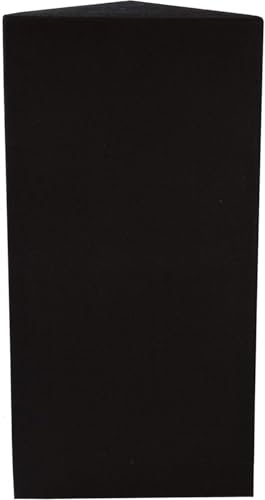
- NRC 1.40 absorption rating
- Solid wood internal frame
- Mounting hardware and template included
Best For: Users wanting a durable, finished corner trap
Best Budget Foam Pack

- Four compact foam corner blocks
- Targets low and mid frequencies
- Lightweight and versatile to mount
Best For: Affordable multi-corner treatment in smaller rooms
Best Decorative Narrow Trap

- Perforated wood and foam construction
- Compact 19.7-inch corner format
- Combines absorption and diffusion
Best For: Space-conscious apartments where appearance matters
Best Compact Foam Value
TroyStudio 12-Piece Corner Bass Traps

- 12 lightweight high-density foam panels
- Designed for low-frequency absorption
- Flame-retardant, odorless, and non-toxic
Best For: Small apartments, bedrooms, and compact home studios
Best for Larger Corner Coverage
8-Pack Acoustic Foam Bass Traps

- Eight 8-by-8-by-12-inch corner traps
- Targets low-frequency standing waves
- High-density, fire-retardant polyurethane foam
Best For: Apartment theaters and larger recording or podcast rooms
Best Fabric-Frame Upgrade

- Two large 24-by-12-inch panels
- Wood frame with fabric and fiberglass interior
- Targets low and mid frequencies, reverb, and flutter echo
Best For: Apartment listening rooms, home theaters, and design-conscious studios
Compact Foam Coverage

- 12 polyurethane foam corner blocks
- Targets low and mid frequencies
- Vacuum-compressed; allow 24 hours to expand
Best For: Multi-corner treatment in small home studios and apartments
Renter-Friendly Freestanding
TroyStudio Stackable Bass Traps

- Two movable freestanding absorbers
- Stackable for taller corner coverage
- No tools, brackets, or adhesive required
Best For: Renters needing flexible, portable acoustic treatment
Adhesive Curved Coverage
Large 4-Pack Curved Bass Traps

- Four large curved corner traps
- Removable double-sided tape included
- Targets low-frequency reflections and reverb
Best For: Wall-mounted treatment in apartment studios and media rooms
Best Modular Pick – Foroomaco Delta Bass Traps
For apartment owners looking for bass traps for apartments, the Foroomaco Delta offers a practical way to target vertical wall corners without committing to a permanent studio-style installation. Its deep foam body and stackable design support flexible, scalable treatment.
Best For: Apartment studios, bedrooms, and listening spaces where modular corner coverage and easier installation are priorities.
Pros:
- Deep 16.5 x 15.8 x 12-inch open-cell foam construction provides more corner depth than a standard wall panel.
- Stackable shape can build partial-height or floor-to-ceiling vertical columns.
- Includes 30 double-sided adhesive mounting tabs for convenient installation.
- Two-pack format allows targeted treatment of a pair of wall corners.
Cons:
- Foam construction may offer less decorative appeal than framed or wood-faced alternatives.
- The large corner profile requires sufficient clearance in compact rooms.
The Delta is a strong choice when flexibility matters. It can be used as a focused two-corner treatment now and expanded later, making it especially suitable for renters or apartment users working within limited space.
Best Framed Option – ATS Acoustics Corner Bass Trap
ATS Acoustics Corner Bass Trap, Low Frequency Range, NRC 1.40, 24" x 48" x 13" (Black)
Check Price On AmazonThe ATS Acoustics Corner Bass Trap is a substantial option for shoppers comparing bass traps for apartments and wanting a framed product with a finished appearance. Its 24 x 48 x 13-inch profile is designed for corner placement and low-frequency absorption.
Best For: Apartment recording rooms, home theaters, or listening spaces where a durable, fabric-covered framed trap is preferred.
Pros:
- Listed NRC of 1.40 indicates strong overall sound absorption.
- Low-range design targets bass frequencies while reflecting high-frequency sound.
- Solid wood internal frame helps protect edges and corners.
- Includes mounting hardware and a template for installation.
Cons:
- At 41 pounds, it is much heavier than foam-based alternatives.
- The 48-inch height and framed construction may be harder to accommodate in a small apartment.
- Its substantial design may require more careful wall-mounting preparation.
This is the most robust-looking choice in the group, but its weight and size deserve attention in an apartment. It makes the most sense when you want a finished, furniture-like acoustic treatment and have suitable mounting space.
Best Budget Foam Pack – JBER Corner Bass Traps
For shoppers seeking affordable bass traps for apartments, the JBER four-pack provides lightweight foam blocks for treating multiple corners or adding coverage gradually. The compact 7-inch corner pieces are designed for low- and mid-frequency absorption.
Best For: Budget-conscious home studios, podcast rooms, bedrooms, and living spaces needing lightweight corner treatment.
Pros:
- Four-piece pack supports treatment of several corners.
- Lightweight construction is easier to handle in an apartment.
- Designed to absorb low- and mid-frequency sound.
- Can be installed with glue, double-sided tape, or nails.
Cons:
- At 7 inches, the blocks provide less physical depth than larger bass traps.
- Mounting supplies are not specified as included.
- Foam finish may look less polished than framed or wood-faced designs.
The JBER pack is a practical entry point for renters and beginners who want broader corner coverage at a relatively light and simple format. Its smaller size makes it easier to place, though it is not as substantial as the larger options.
Best Decorative Narrow Trap – PULSE-mini Corner Bass Trap
The PULSE-mini is a narrow wood-and-foam option for bass traps for apartments where appearance and limited wall space matter. Its perforated HDF face combines absorption and diffusion in a compact corner-oriented design.
Best For: Apartment bedrooms, offices, podcast rooms, and home theaters where a slimmer decorative treatment is useful.
Pros:
- Perforated wood and acoustic foam construction provides absorption and diffusion.
- Narrow 19.7 x 9.25 x 4-inch format can suit tighter corners.
- Designed for low-frequency absorption and hum suppression.
- Includes double-sided adhesive tape for mounting.
Cons:
- Its listed overall NRC of 0.41 is lower than the ATS option’s stated NRC.
- Two traps may provide less total coverage than larger or four-piece alternatives.
- Ceiling-corner installation may require additional glue or construction adhesive.
The PULSE-mini stands out when you want a more finished, furniture-friendly appearance without using a bulky corner block. Its compact profile is apartment-friendly, but buyers seeking maximum absorption coverage may prefer a deeper or larger trap.
Best Compact Foam Value – TroyStudio 12-Piece Corner Bass Traps
For apartment owners seeking bass traps for apartments, the TroyStudio set offers a compact foam solution for treating wall, floor, and ceiling corners. Its 4-by-4-by-12-inch high-density polyurethane panels are designed to reduce low-frequency buildup, echoes, and overlapping sounds without taking up much room.
Best For: Apartment bedrooms, small home studios, podcast spaces, and other compact rooms where lightweight corner treatment is useful.
Pros:
- Includes 12 lightweight, high-density foam panels.
- Extra thickness and density target low-pitched sounds more effectively than regular acoustic foam.
- Flame retardant, odorless, and non-toxic construction.
- Panels can be cut and installed with spray adhesive, tape, screws, or small T-pins.
Cons:
- Installation accessories are sold separately.
- The smaller 4-inch corner profile may provide less coverage than larger traps.
This is a practical pick when you want broad coverage from multiple small panels and a relatively unobtrusive apartment setup. Plan the mounting method in advance, especially if minimizing wall damage matters.
Best for Larger Corner Coverage – 8-Pack Acoustic Foam Bass Traps
These bass traps for apartments use larger 8-by-8-by-12-inch corner foam pieces to address low-frequency standing waves. The high-density polyurethane design is intended for corners and ceiling junctions, making it a suitable option when you have room for more substantial acoustic treatment.
Best For: Apartment theaters, recording spaces, podcast rooms, and larger corners where expanded foam coverage is a priority.
Pros:
- Eight larger 8-by-8-by-12-inch bass traps provide substantial corner coverage.
- Designed to absorb low-frequency standing waves and improve sound clarity.
- High-density foam passed CA117 testing and is described as B1 fire-retardant.
- Can be mounted with double-sided tape or spray adhesive.
Cons:
- Mounting materials are not included.
- Compressed packaging requires 24 to 48 hours in a ventilated area to expand.
- The larger dimensions may be more visually prominent in a small apartment.
Choose this set if your apartment room has enough corner space for larger traps and you want a more substantial foam profile. Allow time for expansion before installation and verify the placement will not interfere with doors, furniture, or walkways.
Best Fabric-Frame Upgrade – QGU Wooden Bass Traps
For a more furniture-like approach to bass traps for apartments, these two 24-by-12-inch wooden corner panels combine a solid wood frame, fabric covering, and fiberglass interior. They are designed to reduce low-frequency and mid-frequency issues, including reverb and flutter echoes, in small to medium rooms.
Best For: Apartment listening rooms, home theaters, studios, and living spaces where a fabric-covered wooden design is preferable to exposed foam.
Pros:
- Large 24-by-12-inch panels provide a substantial treatment surface.
- Wooden frame and fabric finish offer a more traditional room aesthetic.
- Fiberglass interior is designed to address low-frequency and mid-frequency problems.
- Flame-retardant, recyclable, odorless, and non-toxic materials.
Cons:
- At 20.5 pounds, the pair is substantially heavier than foam alternatives.
- The supplied dimensions and mounting method are not clearly detailed.
- A framed panel may require more careful placement and wall support in an apartment.
This set makes the most sense when appearance and broader low/mid-frequency control matter as much as portability. Its heavier framed construction may deliver a more finished look, but check your wall and installation requirements before buying.
Compact Foam Coverage – 12-Pack Corner Bass Traps
If you need bass traps for apartments and want broad corner coverage, this 12-pack of polyurethane foam blocks is a practical option. The 12-by-7-by-7-inch pieces are designed to absorb low and mid frequencies, helping reduce reverb, flutter echoes, and low-end room problems in a home studio or theater.
Best For: Apartment-dwellers who want multiple lightweight foam blocks for treating several room corners.
Pros:
- Includes 12 corner foam blocks for wider room coverage.
- Designed to address low-end frequencies that standard acoustic panels may miss.
- Made from high-density, flame-retardant, non-toxic polyurethane.
- Can be used alongside acoustic foam panels for broader acoustic treatment.
Cons:
- Arrives vacuum-compressed and needs about 24 hours to recover its shape.
- Foam corner blocks require installation rather than freestanding placement.
- Best suited to acoustic control, not blocking sound from entering or leaving an apartment.
This is a straightforward choice when quantity and corner coverage matter most. Allow time for the foam to expand before installing, and pair it with regular panels if your room also needs mid- and high-frequency treatment.
Renter-Friendly Freestanding – TroyStudio Stackable Bass Traps
For bass traps for apartments without adhesive or permanent mounting, the TroyStudio pair offers a flexible freestanding design. Each cylindrical absorber combines an acoustic felt shell with a dense open-cell foam core, and the stackable format can extend corner coverage toward the ceiling.
Best For: Renters, podcasters, streamers, and home-studio users who need movable acoustic treatment.
Pros:
- Freestanding setup requires no tools, brackets, or adhesive.
- Stackable design supports floor-to-ceiling corner coverage.
- 360-degree felt exterior absorbs sound from multiple directions and diffuses higher frequencies.
- Can be repositioned, vacuumed on low suction, and used as a plant stand or display pedestal.
Cons:
- Sold as a two-piece set, providing less overall unit count than multi-pack foam options.
- Inner foam arrives compressed and may take up to 48 hours to fully restore.
- Its freestanding footprint requires available floor space in the corner.
This is the most apartment-friendly design of the three because it avoids wall attachment and moves easily between rooms. It also offers a more furniture-like appearance, making it useful when permanent acoustic foam is not desirable.
Adhesive Curved Coverage – Large 4-Pack Curved Bass Traps
These large curved foam units are a useful option for bass traps for apartments when you want to mount treatment directly in corners. The four 16.5-by-6.3-by-12-inch traps use updated-density foam to reduce low-frequency reflections, reverb, and bass-related echoes from speakers, instruments, or home theater equipment.
Best For: Apartment studios and media rooms where large corner traps and removable adhesive installation are preferred.
Pros:
- Large curved pieces provide substantial corner coverage.
- Designed to reduce low-frequency reflections, reverb, and echoes.
- Includes 30 pieces of washable, removable double-sided adhesive tape.
- Made from high-density, fireproof, non-toxic material.
Cons:
- Adhesive mounting is less flexible than a freestanding design.
- Each trap requires six pieces of tape for installation.
- The four-piece set covers fewer corners than the 12-pack foam option.
This set suits buyers who want larger foam traps and a relatively wall-friendly mounting method. Before installation, plan the corner locations carefully and confirm that the supplied tape is appropriate for your wall surface.
How We Picked the Best Bass Traps for Apartments
We compared these products by corner coverage, stated absorption performance, construction, installation style, size, quantity, and suitability for smaller rooms. We also considered whether each design can work in a rented apartment, home studio, bedroom, or compact theater setup.
Because product specifications vary, treat ratings such as NRC as useful reference points rather than guarantees of equal performance in every room. Bass control depends heavily on placement, thickness, air gaps, and the room’s dimensions.
Quick Comparison
| Type | Best For | Main Advantage | Potential Trade-Off |
|---|---|---|---|
| Foam corner blocks | Budget-conscious users | Lightweight and easy to install | Usually less effective at very low frequencies |
| Large fabric or fiberglass-style traps | Serious room treatment | Greater corner coverage and absorption potential | More space and mounting effort |
| Wooden or perforated designs | Visible, finished interiors | More furniture-friendly appearance | Often heavier or more expensive |
| Freestanding traps | Renters and flexible layouts | No permanent wall installation | They occupy floor space |
Key Buying Factors for Bass Traps for Apartments
Size and Corner Coverage
Measure each corner before ordering. Larger units generally provide more effective treatment, but narrow rooms may need compact blocks that leave doors, windows, radiators, and walkways accessible.
Material and Low-Frequency Performance
Dense, deep absorbers with an air gap typically offer better low-end control than thin decorative foam. Look for products that explicitly describe bass or low-frequency absorption, and avoid assuming that any acoustic foam will solve sub-bass problems.
Installation and Rental Restrictions
Adhesive mounting can damage paint or wallpaper. Freestanding, stackable, or tension-fit designs are usually safer for renters. If mounting is necessary, check the product’s weight and use removable hardware where appropriate.
Safety and Appearance
Check fire-resistance claims, edge stability, and surface durability. In a living room, fabric or finished wood may blend in better than exposed black foam; in a dedicated studio, performance and coverage may matter more than appearance.
Who Should Buy Which Bass Traps for Apartments?
- Choose compact foam corner traps if you need an affordable starting point for a bedroom, desk setup, or small recording space.
- Choose larger two-pack or fabric-style traps if your room has obvious bass buildup and you can dedicate substantial corner volume to treatment.
- Choose freestanding or stackable models if you rent, rearrange furniture often, or cannot permanently attach treatment to the walls.
- Choose wooden or perforated-panel designs if appearance, durability, and integration with a finished room are priorities.
- Choose multi-piece foam packs if you need to treat several corners or combine corner treatment with wall and ceiling panels.
For the best results, place traps in the room’s front corners first, then reassess with familiar music or measurement software. Bass traps work best as part of a broader plan that may include speaker positioning, listening-position changes, and broadband absorption.