Choosing the right mic can make an immediate difference in clarity, presence, and how “pro” your voice sounds on air. For broadcasters, the best dynamic microphones for broadcasting balance rejection of room noise, strong vocal focus, and dependable performance.
This roundup covers 10 options across XLR, USB, and dual-output designs, so you can match your setup, budget, and workflow without overbuying features you won’t use.
Best 10 Dynamic Microphones for Broadcasting Picks for 2026
Broadcast-Ready XLR Pick
RØDE PodMic Cardioid Dynamic Broadcast Microphone

- Speech-tuned dynamic capsule for broadcast use
- Internal pop filter and shock mounting reduce plosives
- All-metal XLR design for long-term durability
Best For: XLR-based podcasters and streamers who want a rugged, speech-focused mic
Studio Broadcast Standard
Shure SM7B Dynamic Vocal Microphone
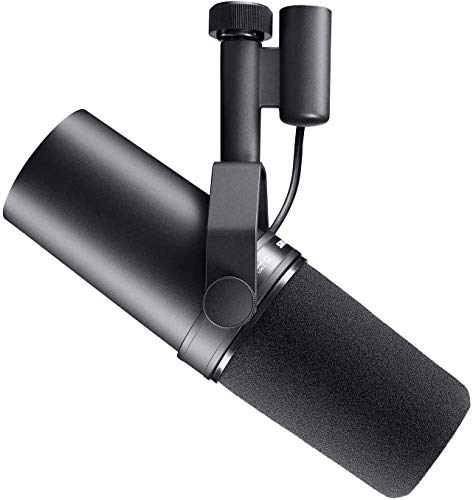
- Warm, balanced vocal sound for broadcast and voice work
- Cardioid pickup and isolation reduce noise and vibration
- Built-in pop filtering and windscreen help clean up speech
Best For: Serious broadcasters and podcasters building a professional XLR setup
Flexible USB/XLR Choice
Shure MV7+ USB-C & XLR Podcast Dynamic Mic

- USB-C and XLR support gives setup flexibility
- Voice isolation and denoiser help reduce ambient noise
- Auto Level Mode and digital pop filter streamline recording
Best For: Creators who want a broadcast mic that works for both simple and advanced setups
Budget Broadcast Starter
Amazon Basics Dynamic Vocal Microphone

- Cardioid pattern focuses on the main voice source
- Built-in wind and pop filter helps tame breath noise
- Zinc die-cast body and steel mesh head add durability
Best For: Budget buyers who need a simple, durable XLR mic for voice-focused use
Broadcast Isolation Pick
Audio-Technica AT2040 Hypercardioid Dynamic Podcast Mic
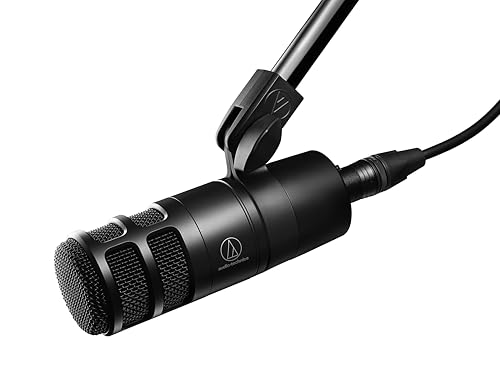
- Hypercardioid pattern reduces side and rear pickup
- Integrated shock mount helps limit vibration noise
- Foam windscreen improves internal pop filtering
Best For: Podcasters and streamers who want focused vocal isolation
Industry Standard Workhorse
Shure SM58 Pro XLR Dynamic Vocal Microphone

- Cardioid pattern focuses on the voice
- Built-in filter helps reduce plosives and breath noise
- Rugged metal build suits frequent use
Best For: Broadcasters and podcasters who want a dependable classic vocal mic
Simple Handheld Pick
Sennheiser XS 1 Handheld Dynamic Microphone

- Cardioid pattern keeps pickup focused
- Silent mute switch adds convenient control
- Includes mic clip and carrying pouch
Best For: Users who want a simple handheld mic for speech and vocal use
Starter Broadcast USB/XLR Value Pick
Samson Q2U USB/XLR Dynamic Microphone Pack

- USB-C and XLR output for flexible setup
- Includes desktop stand, cables, clip, and windscreen
- Unidirectional metal handheld design
Best For: Beginners who want an easy USB-C start with an upgrade path to XLR
All-In-One Boom Arm Broadcast Kit
FIFINE AmpliTank K688CT Podcast Microphone Kit

- USB/XLR dynamic mic with boom arm included
- Tap-to-mute, gain knob, headphone monitoring, and volume control
- Cardioid pattern and accessories help cut desk noise
Best For: Creators who want a bundled boom-arm kit for podcasting or streaming
Flexible USB/XLR Broadcast Mic
FIFINE AmpliTank K688 Dynamic Microphone

- USB/XLR dynamic mic with metal build
- Includes shock mount, windscreen, USB cable, and adapter
- USB controls include mute, gain, and monitoring
Best For: Podcasters and streamers who want a mic-only setup with upgrade flexibility
Broadcast-Ready XLR Pick – RØDE PodMic Cardioid Dynamic Broadcast Microphone
If you’re comparing dynamic microphones for broadcasting, the RØDE PodMic is built for creators who want a focused speech sound without extra fuss. Its broadcast-tuned dynamic capsule, internal pop protection, and heavy-duty metal body make it a strong pick for treated or untreated rooms when you already have an XLR interface or mixer.
Best For: Podcasters and streamers who want a rugged XLR broadcast mic with built-in plosive control.
Pros:
- Broadcast-quality dynamic capsule tuned for speech
- Internal pop filter and shock mounting help reduce plosives and desk noise
- Cardioid pattern rejects room sound well in untreated spaces
- All-metal build is designed for long-term use
Cons:
- Requires an XLR interface or mixer, so it is not plug-and-play USB
- Best suited to speech-focused use rather than general casual recording
The PodMic makes sense if your setup already includes XLR gear and you want a straightforward broadcast mic with solid noise rejection. It prioritizes practical voice capture over extras, which is exactly what many home broadcasters need.
Studio Broadcast Standard – Shure SM7B Dynamic Vocal Microphone
Among dynamic microphones for broadcasting, the Shure SM7B is a classic choice for creators who want warm, balanced vocal capture with strong rejection of background noise. Its cardioid pattern, air suspension isolation, and built-in pop filtering make it a reliable fit for podcasting, streaming, voiceover, and close-mic studio work.
Best For: Broadcasters and voice creators who want a professional XLR mic with smooth, polished vocals.
Pros:
- Warm, balanced vocal tone with wide-range frequency response
- Cardioid pickup and shock isolation help reduce room noise and handling vibration
- Built-in pop filtering and detachable windscreen control plosives and breath noise
- Rugged all-metal body with electromagnetic shielding
Cons:
- Needs an XLR interface or mixer for use
- At least 60dB of gain is recommended for the most iconic sound
The SM7B is a strong fit if you want a broadcast microphone with a proven vocal sound and are willing to support it with proper gain staging. It rewards more serious setups with a polished, consistently controlled result.
Flexible USB/XLR Choice – Shure MV7+ USB-C & XLR Podcast Dynamic Mic
If you want dynamic microphones for broadcasting that work in both beginner and pro setups, the Shure MV7+ is a versatile option. It supports USB-C and XLR, adds Voice Isolation Technology and real-time denoising, and includes helpful tools like Auto Level Mode, a digital pop filter, and an LED touch panel for streaming control.
Best For: Streamers and podcasters who want one mic that can start simple and scale into an XLR rig.
Pros:
- USB-C and XLR connectivity offers flexible setup options
- Voice Isolation Technology and real-time denoiser help keep vocals clear
- Auto Level Mode and digital pop filter simplify clean speech capture
- LED touch panel adds mute control and customizable lighting
Cons:
- More feature-rich than a basic broadcast mic, so it may be more than some users need
- Works best when you want app control and active DSP features
The MV7+ is a smart middle ground if you want broadcast-style sound with modern convenience. It is especially appealing for creators who need USB simplicity now but want XLR flexibility later.
Budget Broadcast Starter – Amazon Basics Dynamic Vocal Microphone
For shoppers looking at dynamic microphones for broadcasting on a tighter budget, this Amazon Basics model covers the fundamentals. It uses a cardioid pattern to focus on your voice, includes a built-in spherical wind and pop filter, and comes with a cable for straightforward connection to compatible audio gear.
Best For: Budget-minded users who want a simple XLR dynamic mic for voice work and casual broadcasting.
Pros:
- Cardioid pattern helps isolate the main sound source
- Built-in wind and pop filter reduces breath and pop noise
- Zinc die-cast housing and steel mesh head add durability
- Includes cable for easier setup with mixers or amplifiers
Cons:
- Uses an XLR connection, so it is not a USB plug-and-play mic
- Less feature-rich than higher-end broadcast models
This is a practical entry-level option if you want the basic behavior of a broadcast-style dynamic mic without paying for premium extras. It focuses on clear vocal capture and simple compatibility rather than advanced controls.
Broadcast Isolation Pick – Audio-Technica AT2040 Hypercardioid Dynamic Podcast Mic
If you want dynamic microphones for broadcasting with a more isolated vocal sound, the Audio-Technica AT2040 is built to keep the focus on your voice. Its hypercardioid pattern, integrated shock mount, and multistage foam windscreen are all aimed at reducing room noise, plosives, and handling vibrations in podcasting, streaming, and other spoken-word setups.
Best For: Podcasters and streamers who want strong vocal isolation and built-in pop and shock control.
Pros:
- Hypercardioid pattern helps reduce pickup from the sides and rear.
- Integrated shock mount cuts stand and boom vibration.
- Multistage foam mesh windscreen adds internal pop filtering.
- Warm, assertive broadcast sound is tuned for podcasting.
Cons:
- XLR connection means you’ll need an interface or mixer.
- Large, front-address design may take more positioning care than a handheld mic.
The AT2040 is a practical choice if your priority is clean spoken audio with less fuss from plosives and desk noise. It brings several broadcast-friendly features into one mic, making it a strong fit for controlled voice capture.
Industry Standard Workhorse – Shure SM58 Pro XLR Dynamic Vocal Microphone
The Shure SM58 remains one of the most recognized dynamic microphones for broadcasting thanks to its familiar cardioid pickup, durable build, and vocal-first tuning. It’s designed to deliver clear, articulate speech and handle live, recording, podcasting, and broadcast use without requiring a lot of extra setup.
Best For: Broadcasters, performers, and podcasters who want a reliable all-purpose vocal mic with a classic sound.
Pros:
- Cardioid pattern helps focus on your voice and reduce background noise.
- Built-in spherical grille and filter help control plosives and breath noise.
- Rugged metal construction is made for heavy use.
- Known for warm, articulate vocals that cut through a mix.
Cons:
- XLR-only design requires an audio interface or mixer.
- Handheld form factor may be less convenient for fixed desk-mounted broadcast setups.
If you want a proven broadcast vocal mic that is easy to trust across many use cases, the SM58 is still a safe bet. It balances clarity, durability, and versatility in a way that suits both studio and live environments.
Simple Handheld Pick – Sennheiser XS 1 Handheld Dynamic Microphone
For buyers comparing dynamic microphones for broadcasting, the Sennheiser XS 1 offers a straightforward handheld option with a cardioid pickup pattern and XLR connectivity. It’s positioned as a simple vocal mic for speech and singing, and it adds a silent mute switch plus included clip and carrying pouch for easy everyday use.
Best For: Users who want an easy handheld broadcast-style microphone for speech, karaoke, or general vocal use.
Pros:
- Cardioid pattern helps keep the mic focused on the source.
- Silent mute switch adds practical control during use.
- Includes a mic clip and carrying pouch.
- Metal enclosure gives it a solid, durable feel.
Cons:
- Handheld design is less suited to permanent desk-style broadcasting.
- XLR connection means you’ll need compatible audio gear.
The XS 1 makes sense if you want a no-frills handheld mic that covers basic broadcast-style speaking needs. It doesn’t load on extras, but it does cover the essentials cleanly and simply.
Starter Broadcast USB/XLR Value Pick – Samson Q2U USB/XLR Dynamic Microphone Pack
If you want one of the more straightforward dynamic microphones for broadcasting, the Samson Q2U is a practical place to start. It gives you both USB-C and XLR output, so you can plug directly into a computer now and upgrade to an interface later without replacing the mic. The included desktop stand, XLR cable, USB-C cable, mic clip, and windscreen make it ready for basic podcasting and voice recording right out of the box.
Best For: Beginners and budget-conscious creators who want a simple dynamic mic that can start on USB-C and later move to XLR.
Pros:
- USB-C and XLR connectivity for flexible setup options
- Includes tripod desktop stand, cables, clip, and windscreen
- Unidirectional pattern helps focus on your voice
- Metal build and 2-year warranty add everyday practicality
Cons:
- Single-channel mic system, so it is built for one voice at a time
- Specs show a modest 50Hz–15kHz frequency range
- Best results will still depend on how close you speak to the mic
This pack works well if you want a broadcast-ready dynamic mic with fewer extra purchases. It is especially appealing for first-time buyers who value plug-and-play simplicity but also want an XLR path for future upgrades.
All-In-One Boom Arm Broadcast Kit – FIFINE AmpliTank K688CT Podcast Microphone Kit
The FIFINE AmpliTank K688CT is aimed at buyers who want dynamic microphones for broadcasting with a complete setup included. It combines USB and XLR connectivity with a metal boom arm, shock mount, windscreen, and onboard controls, making it a strong option for podcasting, streaming, and voice work. The cardioid pattern is designed to reduce ambient noise, and the mic is rated to handle up to 130dB SPL without distortion.
Best For: Streamers and podcasters who want a full boom-arm kit with simple USB use and future XLR flexibility.
Pros:
- USB and XLR outputs offer flexible recording options
- Includes durable boom arm, shock mount, and windscreen
- Tap-to-mute, gain knob, headphone jack, and volume control on USB
- Cardioid pickup helps reduce background noise
Cons:
- All onboard function keys are inactive when using XLR
- C-clamp fits desks under 2 inches thick
- Requires close speaking distance for best input volume
This is a convenient broadcast-style kit if you want more desk hardware bundled together. It is most attractive for users who want to record immediately via USB while keeping the option to move to a more advanced XLR workflow later.
Flexible USB/XLR Broadcast Mic – FIFINE AmpliTank K688 Dynamic Microphone
The FIFINE AmpliTank K688 is a flexible choice for people comparing dynamic microphones for broadcasting. It offers both USB and XLR output, a metal build, and a cardioid pattern meant to focus on your voice while reducing common background noise like fans or hard drives. Since the package includes a shock mount, windscreen, USB cable, and adapter, it suits creators who want a simple setup with room to grow.
Best For: Podcasters, streamers, and home recordists who want USB convenience now and XLR expansion later.
Pros:
- USB and XLR connectivity for dual-use flexibility
- Metal construction and 130dB SPL handling support clean vocal capture
- Tap-to-mute, gain knob, and headphone monitoring available on USB
- Includes shock mount, windscreen, USB cable, and adapter
Cons:
- Arm stand, mic stand, and XLR cable are not included
- Function keys only work in USB mode
- Best recording results still require close mic technique
If you already have some accessories or want to choose your own stand, this version keeps the focus on the microphone itself. It is a strong option for buyers who want a broadcast mic that can work as a quick USB tool or part of a more advanced XLR chain.
How We Picked the Best Dynamic Microphones for Broadcasting
We focused on Dynamic Microphones for Broadcasting that deliver clean vocal capture, practical gain handling, and real-world usability. Priority factors included pickup pattern, build quality, connectivity, isolation from background noise, and whether the mic suits solo voice work, live hosting, or hybrid podcast-and-streaming setups.
Quick Comparison
At a high level, XLR models are best for traditional broadcast chains and interface-based setups, while USB/XLR options are ideal if you want flexibility between desktop recording and more advanced gear later. Handheld dynamics are a stronger fit for live presentation and field use, while broadcast-style side-address mics usually excel for seated voice work.
Key Buying Factors for Dynamic Microphones for Broadcasting
Pickup Pattern and Off-Axis Rejection
Cardioid and hypercardioid patterns help reduce room noise, keyboard bleed, and nearby distractions. If your space is untreated, this matters more than almost any other spec.
Output Type
Choose XLR if you already use an audio interface or mixer. Choose USB if you want simple plug-and-play setup. USB/XLR microphones offer the most flexibility if your setup may change later.
Gain Requirements
Some dynamic mics need more preamp gain than others. If your interface is low-powered, pair a gain-hungry microphone with a clean booster or pick a more efficient model to avoid noisy amplification.
Use Case and Form Factor
For seated broadcasting, a broadcast-style desktop mic often gives the most polished result. For live announcing or general-purpose use, a handheld dynamic microphone can be easier to manage. If you need one mic for multiple roles, versatility should weigh heavily in your decision.
Who Should Buy Which Dynamic Microphones for Broadcasting?
If you want a classic broadcast voice and already have an interface, an XLR broadcast mic is usually the best path. If you need simplicity for streaming or content creation, a USB or USB/XLR hybrid is more convenient. Budget shoppers should look for solid cardioid performance first, while users in noisy rooms should prioritize stronger rejection and consistent vocal isolation over extra features.
In short, the best Dynamic Microphones for Broadcasting are the ones that match your room, your gear, and your workflow. Start with compatibility and noise control, then narrow down by feature set and budget.