Music production files grow quickly, from sample libraries and multitrack sessions to project backups and exported masters. The right external drive can expand your workspace, protect important recordings, and make it easier to move projects between studios and computers.
We selected 10 external hard drives for music production across portable SSD, rugged HDD, and high-capacity desktop categories. Use the guide below to match speed, durability, capacity, and connectivity to your workflow.
Best 10 External Hard Drives for Music Production Picks for 2026
Best Portable SSD
SanDisk Extreme 2TB Portable SSD
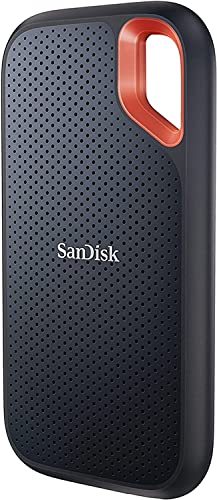
- Up to 1050MB/s read speeds
- IP65 water and dust resistance
- 256-bit AES hardware encryption
Best For: Fast, rugged mobile music production storage
Best High-Capacity Drive

- 8TB enterprise-class storage
- Up to 260MB/s transfer speeds
- Includes data-recovery coverage
Best For: Large studio libraries and demanding production workflows
Best Backup-Friendly HDD

- One-touch automatic backup
- Three-stage shock protection
- Includes recovery software
Best For: Portable project backups and everyday studio storage
Best Rugged HDD
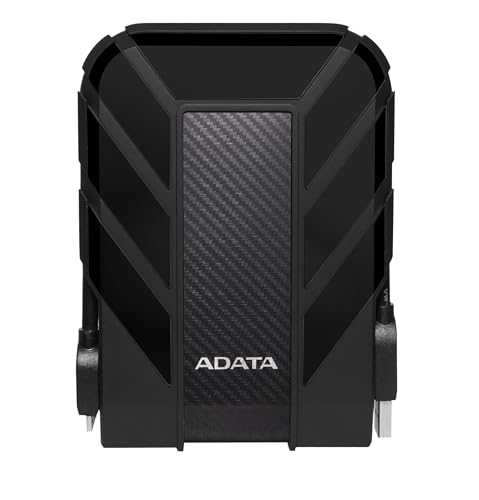
- IP68 waterproof and dustproof design
- Military-grade shock resistance
- Compatible with Mac, PC, and Linux
Best For: Traveling producers needing highly protected storage
High-Capacity Desktop Pick
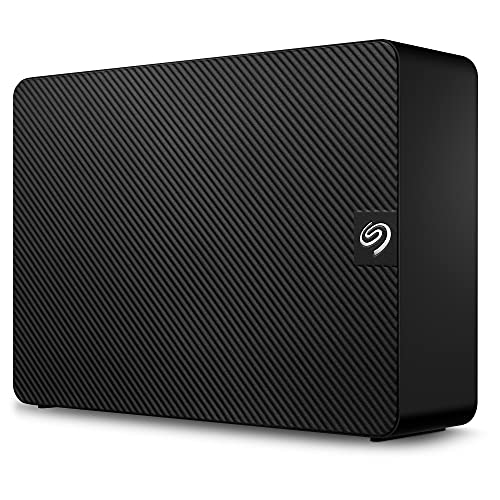
- 4TB capacity for sessions and sample libraries
- USB 3.0 with up to 120MB/s read speed
- Desktop design includes data recovery services
Best For: Desktop producers needing substantial studio storage
Portable Capacity Pick
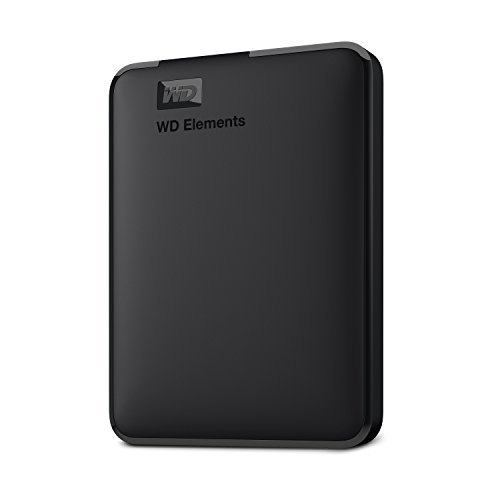
- 6TB capacity in a portable 2.5-inch format
- Plug-and-play USB 3.2 Gen 1 connectivity
- Useful for music libraries, backups, and archives
Best For: Producers seeking maximum portable storage capacity
Rugged Road Companion

- Rugged against drops, dust, rain, and shocks
- 2TB portable storage for sessions and backups
- USB-C and USB 3.0 compatible
Best For: Mobile producers and travel-heavy recording setups
Capacity Value Pick
- Generous 5TB capacity for audio libraries
- Plug-and-play USB 3.2 Gen 1 connectivity
- Works with PC and Mac
Best For: Large sample collections, archives, and backups
Secure Session Keeper

- Includes backup and device-management software
- Password protection and hardware encryption
- Slim portable design with a three-year warranty
Best For: Producers prioritizing secure backups and portability
Best Portable SSD – SanDisk Extreme 2TB Portable SSD
For music producers who need fast, portable external hard drives for music production, the SanDisk Extreme Portable SSD is a strong fit. Its 2TB capacity, up to 1050MB/s read speed, and USB 3.2 Gen 2 connectivity can support moving sessions, samples, and project libraries efficiently.
Best For: Producers who prioritize fast transfers, portability, and protection for mobile recording setups.
Pros:
- Up to 1050MB/s read and 1000MB/s write speeds
- Compact SSD design with up to 3-meter drop protection
- IP65 water and dust resistance
- 256-bit AES hardware encryption and a five-year limited warranty
Cons:
- 2TB capacity may be limiting for very large sample libraries
- Performance can vary depending on the host device and other factors
This is the most performance-focused and travel-friendly option in the group. It costs storage capacity compared with the desktop Glyph drive, but its SSD speed and rugged design are especially practical for producers working between studios.
Best High-Capacity Drive – Glyph Blackbox PRO 8TB
The Glyph Blackbox PRO is designed for demanding creative workflows and offers substantially more room than most portable external hard drives for music production. Its 8TB 7,200 RPM enterprise-class hard drive reaches speeds up to 260MB/s and connects through USB-C, USB 3.0, or Thunderbolt 3.
Best For: Studio-based producers managing large sample collections, multitrack sessions, and other multimedia projects.
Pros:
- Large 8TB capacity for extensive music libraries
- 7,200 RPM enterprise-class drive with speeds up to 260MB/s
- Aluminum shell helps dissipate heat during sustained use
- Includes USB-C and USB-A cables plus a three-year hardware warranty
Cons:
- Desktop design requires an external power adapter
- Mechanical storage is less compact than a portable SSD
- Formatted for macOS and requires reformatting for Windows
Choose this drive when capacity and sustained studio performance matter more than pocket-sized portability. Its creative-professional positioning, included cables, and data-recovery coverage make it particularly suitable for a permanent production workspace.
Best Backup-Friendly HDD – Transcend StoreJet 25M3 2TB
The Transcend StoreJet 25M3 is a practical choice for producers seeking affordable external hard drives for music production and backups. It provides 2TB of storage, USB 3.1 Gen 1 connectivity, a one-touch backup button, and a three-stage shock-protection system in a portable design.
Best For: Home producers who want a straightforward project-backup drive with added physical protection.
Pros:
- Portable 2TB capacity for sessions and backups
- One-touch automatic backup button
- Three-stage shock-protection system
- Includes Transcend Elite management and RecoveRx recovery software
Cons:
- Mechanical HDD design is slower than the SanDisk SSD
- USB 3.1 Gen 1 connectivity is less current than USB 3.2 Gen 2
- Only a three-year limited warranty is listed
This drive emphasizes simple backup management and durability rather than maximum transfer speed. It is a sensible secondary drive for protecting music projects, especially when a one-touch backup workflow is more important than SSD-level performance.
Best Rugged HDD – ADATA HD710 Pro 2TB
The ADATA HD710 Pro is a rugged 2TB option for producers who carry external hard drives for music production between locations. Its USB 3.1 interface, triple-layer construction, IP68 waterproof and dustproof design, and military-grade shock resistance are built for demanding travel conditions.
Best For: Students, traveling producers, and professionals who need a highly protected portable project drive.
Pros:
- IP68 waterproof and IP6X dustproof protection
- MIL-STD-810G 516.6 shock resistance
- Compatible with Linux, Mac, and PC
- Includes cable management for tidier portability
Cons:
- Listed read speed of 90MB/s is modest for active project work
- 2TB capacity may not suit extensive sample libraries
- USB 3.0 connectivity is older than newer USB standards
The HD710 Pro makes the most sense as a durable travel or backup drive. Its environmental protection is stronger than the other mechanical portable HDDs here, but its listed transfer speed makes it better for storing and transporting projects than for the fastest sample-loading workflow.
High-Capacity Desktop Pick – Seagate Expansion 4TB
For producers building a sizable sample library or archiving finished sessions, the Seagate Expansion Desktop is a straightforward option among external hard drives for music production. Its 4TB capacity, USB 3.0 connectivity, and plug-and-play setup make it well suited to desktop studio storage and backups.
Best For: Desktop-based producers who want high-capacity storage for sessions, samples, and music files.
Pros:
- Large 4TB capacity for extensive music libraries and project archives.
- USB 3.0 supports fast file transfers, with stated read speeds up to 120MB/s.
- Automatic recognition on Windows and Mac computers simplifies setup.
- Includes limited warranty and rescue data recovery services.
Cons:
- Requires a power supply, so it is less convenient for mobile recording setups.
- Reformatting is required for Time Machine use.
- The 3.5-inch desktop design is less portable than a compact 2.5-inch drive.
This is a practical capacity-first choice for a fixed workstation. It offers plenty of room and simple operation, but its powered desktop format makes it better for studio storage than travel.
Rugged Portable Pick – G-Drive ArmorATD 2TB
The SanDisk Professional G-Drive ArmorATD is a durable portable option among external hard drives for music production. Its 2TB capacity, USB-C connection, aluminum enclosure, and protective bumper make it a useful choice for producers who move projects between studios or recording locations.
Best For: Mobile producers who prioritize portable, rugged storage for project backups and music files.
Pros:
- Rugged aluminum enclosure and easy-grip bumper are designed for durability.
- USB-C connectivity supports transfers at up to 5Gbps.
- Offers stated read speeds up to 130MB/s.
- Works with macOS out of the box and includes a three-year limited warranty.
Cons:
- Its 2TB capacity is smaller than the higher-capacity desktop and portable alternatives.
- Windows users need to reformat the drive.
- It is a mechanical HDD rather than a solid-state drive.
The ArmorATD balances portability and protection well. It is especially appealing for location work and routine backups, while producers with very large libraries may prefer more capacity.
Portable Capacity Pick – WD Elements Portable 6TB
The WD Elements Portable offers unusually high capacity in a portable 2.5-inch format, making it a strong value-oriented option among external hard drives for music production. With 6TB of space and plug-and-play USB connectivity, it can hold large collections of samples, recordings, music files, and project backups.
Best For: Producers who want maximum portable capacity for music libraries and multimedia storage.
Pros:
- 6TB capacity provides extensive room for music projects, samples, and archives.
- Portable 2.5-inch design is easier to move than a desktop drive.
- Plug-and-play setup supports convenient expansion for PCs and Macs.
- SuperSpeed USB 3.2 Gen 1 offers a 5Gbps interface.
Cons:
- The plastic enclosure offers less stated protection than the rugged SanDisk model.
- Its mechanical-drive design may be less suitable for demanding active project work than an SSD.
- The supplied specifications list variable media speeds, so real-world performance may vary.
For producers focused on capacity per dollar and portability, the WD Elements is compelling. It is best used for storage, backups, and library management rather than as a premium high-performance production drive.
Rugged Road Companion – LaCie Rugged USB-C 2TB
For music producers who need external hard drives for music production on the move, the LaCie Rugged USB-C offers 2TB of portable storage in a shock-, dust-, and water-resistant design. Its USB-C and USB 3.0 compatibility makes it practical for newer and older computers.
Best For: Mobile producers, field recording, and studios that need extra physical protection.
Pros:
- Rugged protection against drops, shocks, dust, and rain
- 2TB capacity for projects, samples, and backups
- USB-C and USB 3.0 compatibility for flexible connections
- Works with Mac and PC systems
Cons:
- Mechanical 5,400-rpm drive is less suited to demanding real-time workloads than an SSD
- 2TB offers less capacity than some larger portable drives
- Listed read speed is up to 130 MB/s
The LaCie is a strong choice when durability and portability matter more than maximum drive speed. It is especially useful for carrying sessions between locations while keeping the drive better protected from everyday travel hazards.
Capacity Value Pick – WD Elements Portable 5TB
The WD Elements Portable is a straightforward option for external hard drives for music production when capacity is the priority. With 5TB of storage and plug-and-play USB connectivity, it can hold large sample libraries, project archives, and backups without extra setup.
Best For: Producers who want maximum portable capacity at a simple, no-frills price point.
Pros:
- Large 5TB capacity for libraries, projects, and backups
- Plug-and-play setup for straightforward expansion
- USB 3.2 Gen 1 and USB 3.0 connectivity
- Compatible with PC and Mac platforms
Cons:
- Basic design lacks the listed rugged protection of the LaCie model
- Mechanical portable drive is not an SSD
- Supplied notes identify it primarily for personal storage rather than production-specific features
The Elements Portable makes sense for a home studio or archive drive where abundant space is more important than specialized software or protective construction. Its simple plug-and-play approach keeps expansion uncomplicated.
Secure Session Keeper – WD My Passport 2TB
The WD My Passport combines portable 2TB storage with backup software, password protection, and hardware encryption. For external hard drives for music production, it is a practical fit when protecting project files and carrying a compact drive are both important.
Best For: Producers who want portable session storage with added backup and file-security features.
Pros:
- Includes device-management and backup software
- Password protection and hardware encryption help secure files
- Slim, durable 2.5-inch portable design
- Three-year limited warranty
Cons:
- 2TB capacity may be limiting for very large sample libraries
- Mechanical drive is not an SSD
- USB connectivity is compatible with USB 2.0 and USB 3.0 systems, rather than USB-C
The My Passport is a sensible choice for producers who value organized backups and security alongside portability. It is less focused on rugged travel protection or maximum capacity, but its included safeguards add useful peace of mind.
How We Picked These External Hard Drives for Music Production
We focused on the factors that matter most in real recording and production workflows: sustained transfer performance, usable capacity, connection standards, portability, durability, backup features, and compatibility with common Windows and Mac setups. The selection includes SSDs for fast session work, portable hard disk drives for affordable storage, rugged models for mobile production, and desktop drives for large sample libraries and backup archives.
Manufacturer speed ratings describe ideal conditions, so actual performance can vary with the computer, cable, file size, and drive format. For active sessions, consistency and reliability are often more important than the highest advertised burst speed.
Quick Comparison
| Drive type | Best use | Main advantage | Trade-off |
|---|---|---|---|
| Portable SSD | Active projects and sample libraries | Fast, quiet, and compact | Higher cost per terabyte |
| Portable HDD | Affordable mobile storage | Good capacity for the price | Slower and more sensitive to drops while operating |
| Rugged HDD | Travel and location work | Added protection from shocks and weather | Usually slower than an SSD |
| Desktop HDD | Studio archives and backups | Large capacities at lower cost | Requires a power adapter and fixed workspace |
Key Buying Factors for External Hard Drives for Music Production
Speed and Latency
An SSD is generally the best choice for large sample libraries, frequent project transfers, and sessions opened directly from the external drive. HDDs can work well for backups, completed projects, and less demanding libraries, but they have slower seek times and moving parts.
Capacity and Workload
Estimate more than your current needs. Audio projects, high-resolution recordings, virtual instruments, and duplicate backups can consume terabytes quickly. A 2TB drive suits many mobile setups, while 4TB to 8TB desktop models are better for extensive libraries and long-term archives.
Connection and Compatibility
USB-C describes the connector, not necessarily the speed. Check whether the drive supports USB 3.2, USB 3.0, or another standard, and use a suitable cable. Confirm formatting requirements when moving between macOS and Windows, especially if the drive will be used for both systems.
Durability and Backup
Rugged construction helps protect portable drives during transport, but it does not replace backups. Keep at least one additional copy of irreplaceable sessions, preferably on a separate drive or cloud service. Password protection and bundled backup software can add convenience, but they are not substitutes for a backup strategy.
Who Should Buy Which External Hard Drives for Music Production?
Choose a portable SSD if you record or produce on the move and need fast, silent access to active sessions. Choose a rugged portable HDD if travel protection and affordable capacity matter more than maximum speed. Choose a desktop HDD for a home or studio archive, large sample collection, or scheduled backup drive. A standard portable HDD is the budget-friendly middle ground for storing finished projects and secondary copies.