Choosing a guitar speaker cabinet for modeling amp use is all about matching your rig to the way you actually play. The right cab can keep your modeled tones punchy, natural, and stage-ready.
Below, we focus on cabinets that suit different needs, from compact practice rigs to louder live setups and full-range options for more accurate amp-model playback.
Best 10 Guitar Speaker Cabinet for Modeling Amp Picks for 2026
FRFR Modeler Choice

- 250-watt powered cab with up to 128 dB peak SPL
- Switchable flat FRFR or six guitar speaker models
- 12" coaxial driver built for modeler-friendly response
Best For: Players who want FRFR accuracy with classic cab voicing options
Classic Passive Cab
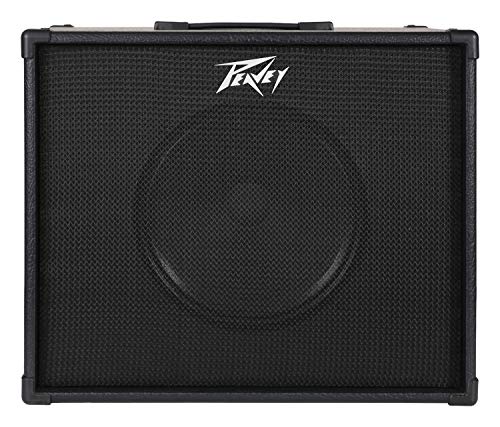
- Passive 1x12 cab with a 12" Blue Marvel speaker
- 16-ohm, 40-watt RMS design in a wood enclosure
- Backed by a 5-year warranty
Best For: Players who want a simple passive extension cab
High-Power FRFR

- 1300W peak active FRFR speaker with Class D power
- 10" woofer and 1" tweeter for full-range tone
- Dual combo inputs plus XLR link output
Best For: Guitarists needing a compact, high-output FRFR speaker
Compact Mini Cab

- Closed-back 1x8 cabinet with classic Orange styling
- 8" speaker and 8-ohm impedance
- Designed for Micro Terror, Micro Dark, and Terror Stamp
Best For: Players building a tiny practice rig with compatible small amps
FR-Ready Stage Cab
Blackstar Artist FR Standard 1x12

- Custom FR speaker with 3-band EQ
- Powered 50W cabinet with XLR out
- Rugged build for home, stage, and small gigs
Best For: Players needing a compact powered cab for modeling amps and small live setups
Empty Builder Cab

- Empty 1x12 cabinet for custom speaker installs
- Birch plywood build with closed-back design
- Compatible with Celestion and Eminence speakers
Best For: Builders who want a 1x12 enclosure for their own speaker choice
High-Power Companion Cab

- Dual 12-inch speakers with punchy full sound
- Detachable back panel for open or closed-back tones
- 150W power capacity with rugged build
Best For: Katana-Head users and players wanting a powerful 2x12 cabinet
Classic 1x12 Convertible Cab
Peavey 112C 1x12 Convertible Guitar Cabinet
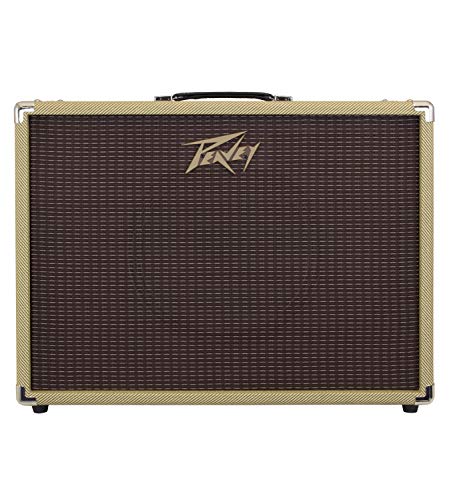
- Celestion Vintage 30 12-inch speaker
- Convertible open-back or closed-back operation
- 16-ohm mono / 8-ohm per-side switchable
Best For: Modeling amp players who want a flexible 1x12 cabinet with a familiar Vintage 30 sound
Compact Desktop Practice Cab
JOYO BANTCAB 1x8 Closed-Back Speaker Cabinet

- Celestion Eight 15 8-inch speaker
- Closed-back design for focused tone
- Compact 10.4 lb desktop-friendly build
Best For: Bedroom, desktop, and home studio players using compact modeling or mini amp heads
Greenback 1x12 Straight Cab
Peavey 03614690 1x12 Greenback Guitar Cabinet

- Celestion 12-inch Greenback 25 speaker
- Convertible open-back or closed-back design
- 16-ohm mono / 8-ohm per-side switchable
Best For: Modeling amp players who want a classic 1x12 cab with flexible wiring and enclosure options
FRFR Modeler Choice – Line 6 PowerCab 112
If you want a guitar speaker cabinet for modeling amp rigs that feels more like a real cab than a generic PA speaker, the Line 6 PowerCab 112 is built for that job. It gives you a choice between flat FRFR playback and six classic guitar speaker models, so you can keep your modeler flexible while still getting a more traditional on-stage feel.
Best For: Players who want one powered cab that can switch between FRFR accuracy and familiar guitar speaker voicing.
Pros:
- 250-watt powered design with up to 128 dB peak SPL
- 12″ custom hybrid coaxial driver for a more unified response
- Flat mode offers a neutral 70Hz-20kHz range for modelers
- Six built-in speaker models add extra tonal options
Cons:
- Powered format means it needs corded electric power
- Not a simple passive extension cabinet
The PowerCab 112 stands out if your goal is a practical guitar speaker cabinet for modeling amp use with real flexibility. It is especially appealing when you want both FRFR clarity and the option to move toward traditional cab behavior without changing gear.
Classic Passive Cab – Peavey 1×12 Extension Cabinet
If you need a straightforward guitar speaker cabinet for modeling amp setups and prefer a passive box, the Peavey 1×12 Extension Guitar Cabinet keeps things simple. It uses a 12″ Blue Marvel speaker, 16-ohm impedance, and a wood enclosure, making it a traditional cab-style option for pairing with the right amp or modeling rig.
Best For: Players who want a simple passive 1×12 cabinet with a classic guitar-cab format.
Pros:
- 12″ Blue Marvel speaker for a familiar guitar cab feel
- 16-ohm, 40-watt RMS design
- Wood body with a compact 1×12 format
- Five-year warranty adds peace of mind
Cons:
- Passive cabinet requires an appropriate external amp or power source
- Not designed as an FRFR or full-range modeler monitor
This is a solid pick if you want a no-frills extension cabinet rather than a powered modeling speaker system. It suits players who like the simplicity of a traditional guitar cab and already know how they want to drive it.
High-Power FRFR – Valeton VFR-110
For a guitar speaker cabinet for modeling amp setups that needs serious output, the Valeton VFR-110 is a powerful FRFR-style active speaker. Its 10″ woofer and 1″ tweeter are tuned for instrument use, and the 1300-watt peak rating gives it plenty of headroom for rehearsals, studio work, and live performance.
Best For: Guitarists who want a compact, high-output active FRFR speaker for modelers and multi-FX rigs.
Pros:
- 1300W peak power with Class D amplification
- 10″ woofer plus 1″ tweeter for full-range reproduction
- 124 dB max SPL and 55Hz-20kHz frequency range
- Dual XLR/TRS combo inputs and XLR link output
Cons:
- Heavier than the most compact practice-size options
- Uses an active, powered setup rather than a passive cabinet
The VFR-110 is a strong choice when output and flexibility matter more than a traditional passive cab format. It is especially useful for players who want one cabinet that can cover rehearsal, studio, and stage use with modelers.
Compact Mini Cab – Orange PPC108 1×8
If you want a small guitar speaker cabinet for modeling amp practice or ultra-compact setups, the Orange PPC108 keeps the footprint tiny while delivering a classic cab look. It is a closed-back 1×8 cabinet designed for use with Orange Micro Terror, Micro Dark, and Terror Stamp amplifiers, so it makes the most sense in matching small-rig environments.
Best For: Players building a very compact practice or desktop rig around compatible small amps.
Pros:
- Very compact closed-back 1×8 cabinet
- 8″ speaker with 8-ohm impedance
- Classic Orange Tolex and cloth grille styling
- Built for Micro Terror, Micro Dark, and Terror Stamp use
Cons:
- 20-watt output is limited for larger rooms
- Best suited to specific small-format amps rather than full-size modeler rigs
The PPC108 is more about portability and matching aesthetics than broad modeling flexibility. If your priority is a tiny, grab-and-go cabinet for a small practice rig, it is an easy fit.
FR-Ready Stage Cab – Blackstar Artist FR Standard 1×12
If you want a guitar speaker cabinet for modeling amp setups that keeps things simple onstage, the Blackstar Artist FR Standard 1×12 is built around a custom flat-response speaker, 3-band EQ, and XLR out. It is a powered 50-watt cabinet designed for practicing at home, stage monitoring, and small gigs, with a straightforward control layout and a ground lift for cleaner connection management.
Best For: Players who want a compact powered FR-style cab for modeling amps, rehearsals, and small live rigs.
Pros:
- Custom FR speaker and 3-band EQ help shape tone without menu diving.
- XLR output and ground lift support simple stage connections.
- 50-watt powered design fits home practice, monitors, and smaller gigs.
- Rugged build is aimed at consistent night-to-night use.
Cons:
- Mono 1×12 format may not provide the spread of a larger cab.
- Best suited to players who want a powered cabinet rather than a passive enclosure.
This is a practical choice if you value easy setup and direct tonal control over deep editing. It leans toward a usable, gig-friendly modeling amp solution rather than a highly specialized feature set.
Empty Builder Cab – Sound Town 1×12 Birch Cabinet
If you already have the speaker you want, this guitar speaker cabinet for modeling amp rigs gives you a simple empty enclosure with birch plywood construction and a closed-back design. The Sound Town 1×12 is built for Celestion and Eminence-compatible speakers, and its removable rear panel makes rear loading more convenient when you are assembling a custom setup.
Best For: Players building a custom 1×12 cab around their own speaker choice.
Pros:
- Empty cabinet lets you choose the speaker that fits your rig.
- Birch plywood construction with black tolex adds a solid feel.
- Closed-back design is aimed at a tight, punchy low end and focused sound.
- Rubber-gripped side handles improve portability.
Cons:
- Speaker is not included, so it is not plug-and-play out of the box.
- Less convenient for buyers who want an all-in-one powered solution.
This cabinet makes sense if your modeling amp or rig is built around a specific speaker and you want a straightforward enclosure. It is more of a customization platform than a ready-to-go amplification package.
High-Power Companion Cab – BOSS Katana Cabinet 212
The BOSS Katana Cabinet 212 is a guitar speaker cabinet for modeling amp players who want a larger, high-power companion cab with flexible voicing. It uses two custom 12-inch speakers, a detachable back panel for closed-back or open-back tones, and an 8-ohm design with 150-watt power capacity, making it suited to louder practice, rehearsals, and bigger guitar rigs.
Best For: Katana-Head users and players who want a powerful 2×12 cabinet with flexible back-panel voicing.
Pros:
- Two custom 12-inch speakers deliver a full, punchy sound with strong low end.
- Detachable back panel allows closed-back or open-back-style tones.
- 150-watt capacity and 8-ohm impedance suit more powerful setups.
- Rugged construction is designed for durability and easy mobility.
Cons:
- Larger and heavier than a 1×12 cabinet.
- It is a companion cab, so it is less universal than a simple empty enclosure.
This cabinet stands out when you want more size, output, and tonal flexibility from a modeling amp rig. If you need a cab that can move from clean to heavy with headroom to spare, it is an easy one to evaluate.
Classic 1×12 Convertible Cab – Peavey 112C 1×12 Convertible Guitar Cabinet
If you want a guitar speaker cabinet for modeling amp setups that can handle either a more open feel or a tighter closed-back response, the Peavey 112C is built for that kind of flexibility. Its 1×12 design, Celestion Vintage 30 speaker, and switchable 16-ohm mono / 8-ohm per-side operation make it a practical option for players matching different amp modelers and cab simulations.
Best For: Players who want a versatile 1×12 cabinet with a Vintage 30 and convertible back design for modeling amps or small rig setups.
Pros:
- One Celestion 12″ Vintage 30 speaker for a familiar guitar cab voice
- Convertible open-back/closed-back design for different tonal feels
- 16 ohms mono or 8 ohms per side, switchable for flexible use
- 18mm plywood construction with metal corners and top handle
Cons:
- At 37.7 pounds, it is not the lightest portable choice
- Single 12-inch format may be too compact for players wanting a larger cabinet
This cabinet stands out for players who value tonal flexibility over ultra-portability. If your modeling amp needs a straightforward 1×12 guitar speaker cabinet with a proven speaker and convertible enclosure, the 112C is an easy one to put on the short list.
Compact Desktop Practice Cab – JOYO BANTCAB 1×8 Closed-Back Speaker Cabinet
The JOYO BANTCAB is a compact guitar speaker cabinet for modeling amp players who need a small, desk-friendly extension cab for home practice or recording. With a genuine Celestion Eight 15, closed-back design, and 8-ohm input, it is aimed at tighter, more focused tone in a minimal footprint.
Best For: Bedroom players, desktop rigs, and home studios needing a small closed-back cabinet for mini amp heads and compact modeling setups.
Pros:
- Genuine Celestion Eight 15 1×8″ speaker
- Closed-back cabinet for tighter bass and stronger projection
- Compact 12.8 x 6.3 x 10.2 in. size fits desktops and shelves
- Light 10.4 lb build with 12 mm MDF and rugged PVC exterior
Cons:
- 20W rating makes it better suited to practice than larger live setups
- 8-inch speaker format will not deliver the low-end scale of a 12-inch cab
- Designed around 8-ohm mini heads, so compatibility should be checked first
For small rooms and recording spaces, this cabinet keeps the footprint low while still delivering real speaker-cab behavior. If your modeling amp rig is built around compact output and you want focused response without taking up floor space, the BANTCAB is a smart fit.
Greenback 1×12 Straight Cab – Peavey 03614690 1×12 Greenback Guitar Cabinet
If you are shopping for a guitar speaker cabinet for modeling amp use and prefer a classic 1×12 format, the Peavey 03614690 keeps things straightforward. It pairs a Celestion 12″ Greenback 25 with convertible open-back/closed-back operation and switchable 16-ohm mono / 8-ohm per-side wiring, giving you options for different modeler and amp setups.
Best For: Players who want a traditional 1×12 cabinet with a Greenback-style speaker and flexible enclosure options for modeling rigs.
Pros:
- One Celestion 12″ Greenback 25 speaker for a classic guitar cab tone
- Convertible open-back/closed-back design for tonal flexibility
- 16 ohms mono or 8 ohms per side, switchable for adaptable hookup options
- 18mm plywood construction with metal corners and top handles
Cons:
- At 12.6 kg, it is not especially light for frequent transport
- Single 12-inch cabinet may be limiting for players wanting more output size
This is a practical choice if you want a familiar 1×12 cabinet that can work well with modelers without overcomplicating the setup. The Greenback speaker and convertible back design make it a solid pick for players who want classic cab behavior in a manageable format.
How We Picked the Best Guitar Speaker Cabinet for Modeling Amp
We looked for cabinets that make sense with modern modelers, amp profilers, and multi-effects units. That means paying attention to speaker format, power handling, cabinet construction, portability, and whether the design is voiced for traditional guitar tone or fuller-range model reproduction.
We also favored options with practical real-world features such as balanced outputs, EQ controls, rugged enclosures, and sizes that fit home, rehearsal, and live use.
Quick Comparison
In a broad lineup like this, the main split is between traditional guitar cabinets and FRFR-style systems. Traditional cabs tend to add their own character and work best when you want familiar cab feel. FRFR and powered speaker designs are usually the better fit when you want your modeler to sound as close as possible to the preset you built.
Smaller cabs are easier to carry and work well at lower volumes, while 1×12 and 2×12 formats typically offer more headroom, fuller low end, and a better live-stage presence.
Key Buying Factors for a Guitar Speaker Cabinet for Modeling Amp
FRFR Vs. Traditional Guitar Cab
If your modeler already includes cabinet simulations, an FRFR or powered full-range cab usually preserves those tones most accurately. If you prefer the feel of a real guitar cab and want the speaker to add its own color, a traditional passive cabinet may be the better choice.
Power Handling and Impedance
Make sure the cab can handle your amp or power amp’s output comfortably, with some headroom. Check impedance carefully so your hardware is matched correctly and you avoid volume loss or damage.
Size, Projection, and Portability
For bedroom or studio use, a compact 1×8 or 1×10 can be enough. For rehearsals and gigs, 1×12 and 2×12 options usually provide better projection and a more complete low-end response.
Connections and Control
Powered cabinets may offer XLR input, EQ, or ground lift controls that make integration easier. Passive cabinets keep the setup simple but require the right amp or power amp to drive them.
Who Should Buy Which Guitar Speaker Cabinet for Modeling Amp?
Players who want the most authentic sound from modern amp modeling should lean toward FRFR or active speaker solutions. Guitarists who prefer a classic cabinet feel, simpler signal chains, or more traditional stage tone should look at passive guitar cabinets.
If you need a lightweight practice rig, choose a smaller cabinet with modest wattage and easy placement. If you play live, prioritize headroom, rugged build quality, and a format that can keep up with drums and bass.
For the best results, match the cabinet to your modeler’s output, your typical volume level, and whether you want accurate playback or the added character of a traditional guitar speaker.