Choosing voice recorders for beginners should feel simple, not technical. The best options balance clear audio, easy controls, and storage or battery life that fit real-world use.
This roundup focuses on devices that are approachable for first-time buyers, whether you need a recorder for classes, meetings, interviews, or quick voice notes.
Best 10 Voice Recorders for Beginners Picks for 2026
Editor’s Pick
EVISTR 64GB Voice Recorder for Clear, Flexible Recording

- 2-button recording and save design
- Voice activation with 7 sensitivity levels
- 64GB storage with playback tools
Best For: Beginners who want simple controls and extra recording features
Best Simple Pick
Sony ICD-PX240 Compact 4GB Recorder

- Compact 2.5-ounce design
- Built-in USB with MP3 recording
- 32-hour battery life
Best For: First-time users who want a simple recorder for everyday notes
Long Battery Choice
Olympus WS-852 Stereo Recorder with 110-Hour Life
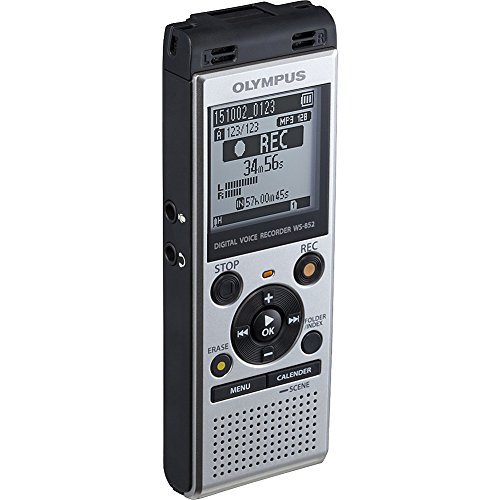
- 110-hour battery life
- True stereo mic for better capture
- microSD slot plus USB direct connection
Best For: Beginners who need long battery life and easy file transfer
Expandable Storage Pick
Sony ICD PX333 with MicroSD Expansion

- microSD slot for added storage
- Intelligent noise cut feature
- USB transfer to Mac or PC
Best For: Beginners who want a simple recorder with expandable memory
Simple Starter Recorder
136GB Digital Voice Recorder with Playback

- Three-button controls for easy use
- Voice-activated recording saves space
- 136GB storage with long battery life
Best For: Beginners who want simple controls and lots of storage
Simple Brand-Name Option
Sony ICD-AX412 Stereo Digital Voice Recorder

- Built-in 2GB flash memory
- MP3 recording with memory expansion
- Up to 500 hours maximum recording time
Best For: New users who want a basic recorder from Sony
Most Organized Beginner Pick
EVIDA 128GB Voice Activated Recorder
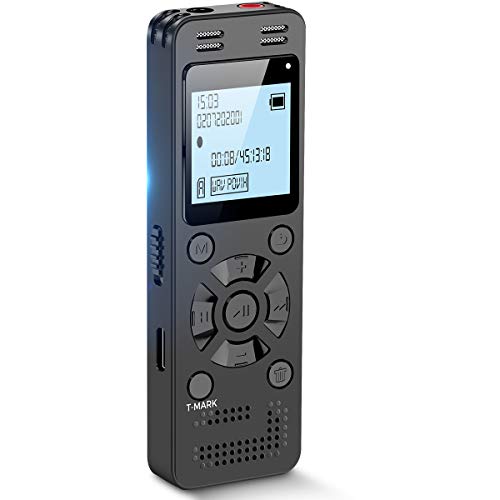
- Six-level voice activation
- Four-folder storage for organization
- 128GB capacity with USB transfer
Best For: Beginners who want organized files and easy transfers
Simple Starter Pick
Digital Voice Recorder 16GB Voice Recorder with Playback
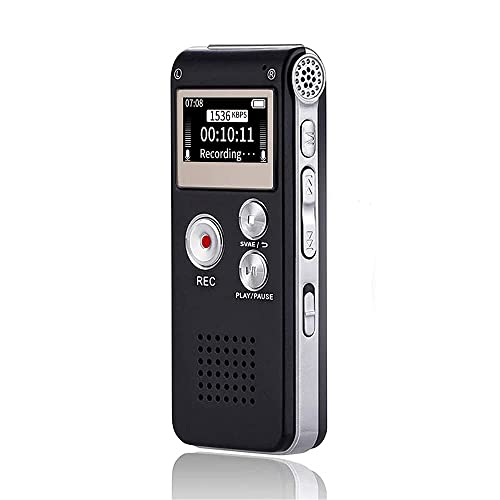
- One-button REC/STOP/PLAY controls
- Noise reduction with voice activation
- USB rechargeable and doubles as storage
Best For: Beginners who want a simple recorder for lectures and notes
Longest-Running Choice
Tonfarb 136GB Digital Voice Recorder

- Huge 136GB total memory
- Up to 68 hours of recording
- One-click record with LCD screen
Best For: Beginners who need maximum storage and long battery life
Editor’s Pick – EVISTR 64GB Voice Recorder for Clear, Flexible Recording
If you want voice recorders for beginners that still offer plenty of room to grow, the EVISTR L357 is a strong place to start. It keeps operation simple with just two main buttons, while adding useful features like voice activation, playback controls, and adjustable recording gain for more controlled results.
Best For: Beginners who want an easy recorder with advanced features for classes, meetings, and interviews.
Pros:
- Simple 2-button recording and saving makes it easy to learn fast.
- Voice activation with 7 sensitivity levels helps reduce silent gaps.
- 64GB storage and up to 32 hours of continuous recording support long sessions.
- Playback tools like A-B repeat, rewind, and variable speed add convenience.
Cons:
- Feature set may be more than a very casual user needs.
- Menu-based functions still require a bit of setup compared with ultra-basic models.
Overall, this EVISTR model balances beginner-friendly controls with enough flexibility for school and work notes. It is a practical pick if you want something straightforward now and more capable later.
Best Simple Pick – Sony ICD-PX240 Compact 4GB Recorder
The Sony ICD-PX240 is a straightforward choice for voice recorders for beginners who want a compact, no-fuss device. With MP3 recording, built-in USB, and a simple layout, it covers the basics without adding a complicated learning curve.
Best For: First-time users who want a lightweight recorder for basic lectures, reminders, and notes.
Pros:
- Compact 2.5-ounce design is easy to carry every day.
- Built-in USB and MP3 recording make file transfer simple.
- 32-hour battery life is solid for basic use.
- 2.4-inch LCD helps with quick navigation.
Cons:
- 4GB storage is modest compared with larger-capacity models.
- Battery and recording time are enough for basics, but not ideal for extended heavy use.
This Sony model keeps things practical and easy to understand, which is exactly what many beginners need. It is a dependable entry-level option if your priority is simplicity over advanced features.
Long Battery Choice – Olympus WS-852 Stereo Recorder with 110-Hour Life
For voice recorders for beginners who care most about long battery life, the Olympus WS-852 is an easy model to recommend. It offers true stereo recording, a built-in microSD slot, and USB direct connection, giving you a useful mix of convenience and flexibility.
Best For: Beginners who need long runtime for classes, meetings, or travel use.
Pros:
- 110-hour battery life is a major advantage for long sessions.
- True stereo mic supports better sound capture than basic mono recorders.
- microSD slot adds extra storage flexibility.
- USB direct connection makes file transfer more convenient.
Cons:
- Uses 2 AAA batteries instead of a built-in rechargeable battery.
- Size and controls may feel a little less minimal than ultra-basic beginner models.
Overall, this Olympus recorder stands out for endurance more than flash. If you want a beginner-friendly recorder that can go for a long time between battery changes, it is an excellent practical choice.
Expandable Storage Pick – Sony ICD PX333 with MicroSD Expansion
The Sony ICD PX333 is a practical option among voice recorders for beginners who want something simple but more expandable than the most basic models. It records mono MP3s, includes intelligent noise cut, and adds a microSD expansion slot for more storage headroom.
Best For: Beginners who want a basic recorder with extra storage expansion and simple file transfer.
Pros:
- microSD expansion slot gives you more storage flexibility.
- Intelligent noise cut can help clean up recordings.
- A-B repeat and track mark functions add useful playback control.
- USB cable support makes transfer to Mac or PC straightforward.
Cons:
- Mono recording is less full than stereo options.
- Requires 2 AAA batteries, so you will need replacements on hand.
This Sony model is a sensible middle ground for beginners who expect to save a lot of recordings. It stays approachable while offering a few features that help it scale beyond the basics.
Simple Starter Recorder – 136GB Digital Voice Recorder with Playback
If you want voice recorders for beginners that are simple to learn but still packed with useful features, this model is a strong place to start. It uses a three-button layout for recording, saving, and playback, while adding voice activation, password protection, and easy file naming to keep things organized.
Best For: Beginners who want a straightforward recorder with lots of storage and long battery life.
Pros:
- Three-button controls make recording, saving, and playback easy to understand.
- Voice-activated recording helps reduce blank sections and save memory.
- Large 136GB capacity and up to 33 hours of continuous recording suit long sessions.
- Includes playback features like A-B repeat, fast forward, rewind, and variable speed.
Cons:
- The feature set is extensive, so beginners may not use every function right away.
- Storage is split between built-in memory and an included TF card, which may require a quick setup check.
- Best results depend on learning the menu and voice-activation settings.
Overall, this is a beginner-friendly choice if you want simple basics first and room to grow later. It balances easy operation with practical extras for lectures, meetings, and classes.
Simple Brand-Name Option – Sony ICD-AX412 Stereo Digital Voice Recorder
For shoppers comparing voice recorders for beginners, this Sony model keeps the focus on the basics: simple MP3 recording, built-in storage, and a familiar compact design. It offers a straightforward setup with enough battery life and memory expansion to handle everyday note-taking and personal recording needs.
Best For: New users who want a no-frills recorder from a well-known brand.
Pros:
- Built-in 2GB flash memory gives you an easy starting point.
- MP3 recording support keeps playback and file handling familiar.
- Up to 500 hours of maximum recording time is listed for extended use.
- Memory card expansion slot adds flexibility if you need more space later.
Cons:
- Uses AAA batteries rather than a built-in rechargeable battery.
- Only 2GB of built-in memory, so expansion may be important for longer sessions.
- Compared with newer models, it has fewer modern convenience features.
This is a practical pick if you prefer a simple recorder with a traditional design and don’t need a long list of extras. It suits basic lectures, reminders, and everyday voice notes well.
Most Organized Beginner Pick – EVIDA 128GB Voice Activated Recorder
If you’re looking for voice recorders for beginners that make file handling easier, this EVIDA model stands out with organized folder storage, voice activation, and playback support. It is built for lectures, meetings, and conversations, and it adds practical tools like password protection and USB transfer for a smoother first experience.
Best For: Beginners who want organized recording features and easy file transfer.
Pros:
- Voice activation with six sensitivity levels helps capture speech and reduce dead air.
- 128GB capacity and up to 54 hours of continuous recording support long use.
- Four-folder storage system helps keep recordings and files organized.
- Includes playback, password protection, A-B repeat, and USB file transfer.
Cons:
- Uses a mono noise-cancellation microphone, which is more functional than advanced.
- No headphone jack is listed in the supplied details.
- There are many features to learn beyond basic recording and playback.
This is a smart beginner pick if organization matters as much as recording quality. It offers a lot of utility without being limited to one use case, making it a flexible option for school, work, and personal notes.
Simple Starter Pick – Digital Voice Recorder 16GB Voice Recorder with Playback
If you want voice recorders for beginners that keep things straightforward, this 16GB model is built around one-button recording and simple playback. It also adds voice activation, noise reduction, and USB charging, so it covers the basics without making setup complicated.
Best For: Beginners who want an easy-to-use recorder for lectures, interviews, and quick note-taking.
Pros:
- One-button REC/STOP/PLAY controls make it easy to learn fast.
- Noise reduction and a sensitive microphone help capture clearer speech.
- Voice-activated recording helps save space and battery.
- Can also work as a music player and USB storage device.
Cons:
- Smaller 16GB capacity than larger-memory alternatives.
- Basic design may not suit users who want more advanced controls.
For a beginner-friendly recorder, this one focuses on ease of use first and extras second. The long recording time and simple file transfer make it a practical starter choice for everyday use.
Longest-Running Choice – Tonfarb 136GB Digital Voice Recorder
Among voice recorders for beginners, this Tonfarb model stands out if you want more storage and longer runtime without adding much complexity. It offers one-click recording, a large LCD screen, voice activation, and easy USB-C file transfer, which makes it approachable even for first-time users.
Best For: Beginners who need lots of storage and long battery life for classes, meetings, or interviews.
Pros:
- Large 136GB total memory helps store a huge amount of audio.
- Up to 68 hours of continuous recording on one charge.
- One-click record/save and a big LCD screen simplify operation.
- Metal casing and password protection add durability and security.
Cons:
- Heavier than smaller pocket recorders.
- Many features may be more than some casual users need.
If your main concern is not running out of space or battery during long sessions, this recorder is a strong fit. It blends beginner-friendly controls with standout endurance and storage.
Budget Classroom Pick – Digital Voice Recorders 8GB Audio Recorder
This 8GB recorder is a practical entry-level option for voice recorders for beginners who want simple controls and useful learning features. It includes three-button recording, voice activation, A-B repeat, and MP3 playback, making it easy to use for study sessions and everyday recording.
Best For: Beginners looking for an affordable recorder for classes, meetings, and replaying key sections.
Pros:
- Simple three-button recording, saving, and playback.
- Voice-controlled recording helps reduce silent sections.
- A-B repeat and variable playback speed support study use.
- Supports MP3/WAV files and easy computer transfer via USB.
Cons:
- 8GB storage is smaller than some competing models.
- Battery life is shorter than the longest-running options here.
This model covers the core features most beginners actually need without overwhelming extras. It is especially appealing if you want a simple recorder that also helps with review and language study.
How We Picked the Best Voice Recorders for Beginners
For this roundup of Voice Recorders for Beginners, we prioritized models that are easy to use right out of the box, offer straightforward recording and playback, and provide enough battery life or storage for everyday tasks. We also looked for useful beginner features such as voice activation, USB charging, clear menus, and simple file transfer.
We favored recorders that make it easy to start recording without a steep learning curve. Extra features are helpful, but only when they support convenience rather than adding confusion.
Quick Comparison
If you want the simplest setup, choose a basic model with dedicated record and stop controls. If you plan to record long lectures or meetings, look for higher storage capacity and longer battery life. For interviews or clearer spoken-word capture, stereo microphones and noise handling can make a noticeable difference.
Voice activation is useful when you want to avoid silent gaps and save space, while password protection can matter if you store sensitive notes. USB transfer and rechargeable power are also strong convenience features for first-time users.
Key Buying Factors for Voice Recorders for Beginners
Ease of Use
Look for large buttons, simple mode switching, and a screen that clearly shows recording status. Beginners usually benefit from fewer settings and predictable controls.
Audio Quality
For speech, clarity matters more than fancy specs. Built-in stereo microphones, decent sensitivity, and stable recording levels are the most useful basics.
Storage and Battery Life
More storage helps if you record long sessions, while long battery life reduces the chance of missing important content. Models with expandable memory or large internal capacity are especially convenient.
Transfer and Playback
USB connectivity and simple playback controls make it easier to review files on the device or move them to a computer. This is especially important if you are new to digital recorders.
Useful Extras
Features like voice activation, date/time stamping, and file locking can improve day-to-day usability. Choose extras that solve a real need rather than adding complexity.
Who Should Buy Which Voice Recorders for Beginners?
If you are a student, a straightforward recorder with easy playback and enough battery life for lectures is usually the best fit. For professionals taking meeting notes or conducting interviews, prioritize audio clarity and memory capacity.
If you want the least hassle, choose a simple model with basic controls and USB charging. If you record often or for long periods, a higher-capacity option with voice activation may be the smarter choice. The best Voice Recorders for Beginners are the ones that match how you actually plan to use them.