If you need clean location audio with flexible mic connectivity, a field recorder with dual XLR can be one of the smartest upgrades for your kit. It gives you balanced inputs, better gain control, and more reliable recording for film, video, and interviews.
Below, we focus on the most useful options for creators who want portability, strong audio performance, and the right features for real-world shoots in 2026.
Best 10 Field Recorder with Dual Xlr Picks for 2026
Ultra-Portable Timecode Pick
TASCAM FR-AV2 32-Bit Float Recorder

- Dual XLR/TRS combo inputs
- 32-bit float with dual ADCs
- Built-in timecode generation
Best For: videographers needing compact dual XLR recording with internal sync
Interchangeable Capsule Classic
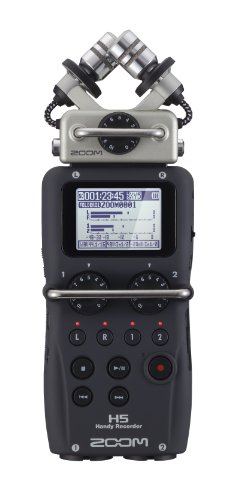
- Two XLR/TRS combo inputs
- Interchangeable input capsules
- Four-track simultaneous recording
Best For: filmmakers and musicians wanting flexible handheld recording
Camera-Mount Production Workhorse
TASCAM DR-70D 4-Channel Recorder
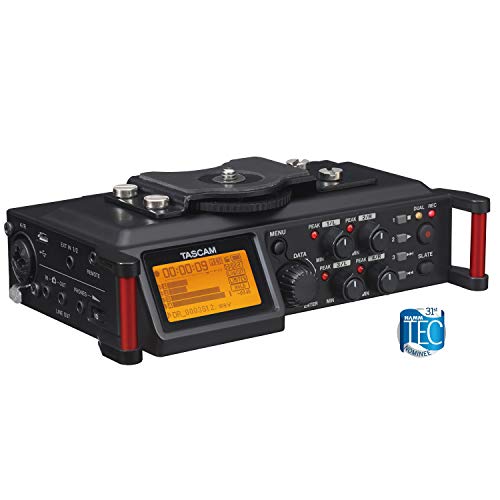
- Four combo XLR/TRS inputs
- Built-in microphones included
- Dual Recording safety copy mode
Best For: DSLR and documentary shooters needing camera-mounted multi-track audio
Run-and-Gun Float Pick

- Dual locking XLR inputs
- 32-bit float clip-free capture
- Ultra-low-noise preamps
Best For: run-and-gun filmmakers needing secure dual XLR recording
Most Versatile Bundle Pick

- Dual XLR-1/4" combo inputs with phantom power
- 32-bit float recording with X/Y microphones
- USB-C audio interface plus SD card recording
Best For: Creators who want a portable recorder with built-in mics and dual XLR inputs
Compact Dual-Input Option

- Two locking XLR/TRS inputs for flexible sources
- 32-bit / 96kHz recording with waveform display
- 3.5mm input and headphone output included
Best For: Filmmakers and podcasters who want a simple, portable dual-input recorder
Best for Clean Field Capture
Dual XLR 32-Bit Float Recorder

- Dual balanced mic/line XLR inputs with phantom power
- 32-bit float with dual A/D converters prevents clipping
- USB-C audio interface and up to 192 kHz recording
Best For: Field recordists who want distortion-free two-channel capture
Pro Film Field Recorder
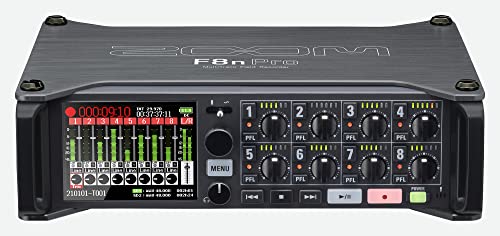
- 8 inputs and 10-track recording
- 32-bit float with dual AD converters
- Dual SD slots and timecode support
Best For: Professional film and field audio
Portable Combo-Input Kit

- 4 XLR-1/4" combo inputs with preamps
- 32-bit float recording with X/Y mics
- Bundle includes adapter, card, and accessories
Best For: Portable creator recording and quick setups
4K Hybrid Audio-Video Pick

- Dual XLR mic/line inputs
- UHD 4K video with up to four audio channels
- USB webcam and audio interface support
Best For: Creators needing audio and 4K video in one device
Ultra-Portable Timecode Pick – TASCAM FR-AV2 32-Bit Float Recorder
If you want a field recorder with dual XLR inputs that keeps setup simple for video work, the TASCAM FR-AV2 is built around fast, reliable capture. Its 32-bit float recording, dual ADCs, and built-in timecode generation make it a strong fit when you need clean audio without constant level riding.
Best For: Videographers who want compact dual XLR/TRS recording with internal timecode and no-clip capture.
Pros:
- Dual XLR/TRS combo inputs with Ultra HDDA preamps
- 32-bit float recording with dual ADCs for worry-free level handling
- Built-in timecode generation and Timecode IN/OUT for video workflows
- Optional AK-BT2 Bluetooth adapter for wireless monitoring
Cons:
- Wireless monitoring requires the optional AK-BT2 adapter
- Relies on 3 AA batteries for power
The FR-AV2 is especially appealing if you want a compact recorder that reduces accessories and streamlines sync on set. It balances pro-oriented features with a small footprint, making it practical for run-and-gun production.
Interchangeable Capsule Classic – Zoom H5 Handheld Recorder
The Zoom H5 is a versatile field recorder with dual XLR inputs that works well when you need both handheld convenience and flexible input options. It includes a detachable X/Y capsule, four-track recording, and selectable phantom power, making it practical for filmmakers who want an adaptable all-in-one unit.
Best For: Filmmakers and musicians who want a flexible recorder with swap-in capsules and dual XLR/TRS inputs.
Pros:
- Two mic/line inputs with XLR/TRS combo connectors
- Interchangeable input capsules for added flexibility
- Four-track simultaneous recording
- Selectable phantom power and -20dB pad
Cons:
- Records to SD/SDHC cards up to 32GB
- Uses 2 AA batteries, so runtime depends on spare power
As a practical production recorder, the H5 gives you useful safety and routing options without being complicated. It’s a solid pick if you want a familiar handheld format that can still handle dual-input video or music recording.
Camera-Mount Production Workhorse – TASCAM DR-70D 4-Channel Recorder
If you need a field recorder with dual XLR-style connectivity for production sound, the TASCAM DR-70D is designed for compact camera rigs and multi-track capture. It offers four combo XLR/TRS inputs, built-in microphones, and safety-focused recording features that suit interviews, dialogue, and on-set audio.
Best For: DSLR and documentary shooters who want a camera-friendly recorder with four combo inputs and built-in mics.
Pros:
- Four balanced XLR mic inputs with phantom power
- Compact design can mount above or below a camera
- Built-in microphones for on-set capture
- Dual Recording mode creates a lower-level safety copy
Cons:
- Requires 4 AA batteries
- Not as small as simpler dual-input recorders
The DR-70D is a practical choice when you need more than basic dual-input recording and want stronger control over multi-source production audio. Its layout and safety features make it especially useful for camera-based workflows.
Run-and-Gun Float Pick – Zoom F3 Dual XLR Recorder
The Zoom F3 is a compact field recorder with dual XLR inputs built for situations where you can’t afford to miss a take. Its 32-bit float recording and ultra-low-noise preamps make it a smart option for unpredictable field work, while the locking connectors help keep cables secure in more complex rigs.
Best For: Filmmakers and recordists who need clip-free dual XLR recording in demanding, unpredictable environments.
Pros:
- Dual locking XLR inputs for secure connections
- 32-bit float recording for clip-free capture
- Ultra-low-noise preamps for clean audio
- Flexible power and USB workflows for long days on set
Cons:
- No built-in microphone highlighted in the supplied specs
- Requires 2 AA batteries
If your priority is dependable audio capture over extra features, the F3 keeps the focus on sound quality and simplicity. It’s a strong fit for field recording setups where secure dual XLR input and no-clip handling matter most.
Most Versatile Bundle Pick – 4-Track 32-Bit Float Recorder
If you’re shopping for a field recorder with dual xlr inputs that can also handle music, dialogue, and streaming, the Zoom H4essential bundle is built to do a lot in one compact unit. Its 32-bit float recording, X/Y mics, and dual XLR-1/4" combo inputs make it a practical pick for creators who want flexible capture without constantly riding gain.
Best For: Filmmakers, musicians, podcasters, and creators who want a portable recorder with dual XLR connectivity and built-in mics.
Pros:
- Dual XLR-1/4" combo inputs with Zoom ultraclean preamps and +48V phantom power
- 32-bit float recording and X/Y microphones for high dynamic range capture
- Works as a 4-in / 2-out USB-C audio interface while recording to SD card
- Bundle includes battery pack, microSD card, cables, and travel bag
Cons:
- Larger than a basic handheld recorder
- Uses two AA batteries, so long sessions benefit from the included power bank
The H4essential stands out if you need a field recorder with dual xlr inputs plus built-in microphones and USB-C interface features in one package. It offers broad versatility for location audio, but the best value comes when you can use the extra connectivity and bundled accessories.
Compact Dual-Input Option – Compact Dual-Input Recorder
The Zoom H1 XLR is a straightforward field recorder with dual xlr/trs inputs for users who want pro-style connections in a compact format. It records in 32-bit / 96kHz, adds an OLED waveform display for level checking, and includes 3.5mm input/output options for extra flexibility.
Best For: Filmmakers, podcasters, and mobile recordists who want a simple recorder with two locking XLR/TRS inputs.
Pros:
- Two locking XLR/TRS combo inputs for microphones, instruments, and more
- 32-bit / 96kHz recording for detailed capture
- OLED waveform display helps monitor levels at a glance
- 3.5mm stereo input and headphone output add flexibility
Cons:
- No built-in X/Y microphone mentioned in the supplied notes
- More minimal feature set than larger multi-track recorders
As a field recorder with dual xlr support, the H1 XLR focuses on simple setup and clean results rather than extra complexity. It makes the most sense if you value compact size, visible level monitoring, and direct input flexibility.
Best for Clean Field Capture – Dual XLR 32-Bit Float Recorder
For buyers focused on a field recorder with dual xlr inputs and distortion-free recording, the Zoom F3 is the most purpose-built option here. Its dual A/D converters and 32-bit float technology are designed to capture quiet dialogue and loud sources without clipping, while the locking XLR mic/line inputs keep it ready for professional field work.
Best For: Filmmakers, journalists, and sound designers who need a compact recorder built around dual XLR inputs and 32-bit float capture.
Pros:
- Dual balanced mic/line inputs with locking XLR jacks
- 32-bit float recording with dual A/D converters for distortion-free audio
- Supports uncompressed BWF up to 192 kHz in mono or stereo
- USB-C can function as a 2×2 audio interface with 32-bit float/96 kHz resolution
Cons:
- No built-in microphone is listed in the supplied notes
- More specialized for two-channel field capture than multi-track recording
The F3 is the strongest match if your main priority is clean, dependable location recording through dual XLR mic or line sources. It keeps the design focused on core production tasks, which is ideal when you want capture quality over extra extras.
Pro Film Field Recorder – Zoom F8n Pro 8-Input Recorder
If you need a field recorder with dual xlr workflows for film or location sound, the Zoom F8n Pro is built for serious production work. It offers 8 inputs, 10-track recording, 32-bit float capture, and dual AD converters to help keep takes clean across a wide dynamic range. The dual SD slots, timecode support, and USB audio interface mode make it a flexible fit for demanding shoots.
Best For: Filmmakers and field recordists who want clip-free, multi-input recording with reliable timecode and redundant media.
Pros:
- 8-channel/10-track recording with 32-bit float and dual AD converters
- Dual SD card slots support redundant recording for added safety
- Up to 75dB gain and -127dBu EIN preamps for clean input capture
- Works as an 8-in/4-out USB audio interface while recording to card
Cons:
- More recorder than casual users likely need
- Bulky compared with smaller handheld options
- Built for production setups rather than simple grab-and-go recording
Overall, the F8n Pro is the most full-featured choice here for high-pressure production environments. If your priority is dependable field recording with dual XLR-style input flexibility, strong preamps, and pro workflow tools, it stands out clearly.
Portable Combo-Input Kit – Zoom H6essential 6-Track Kit
The Zoom H6essential is a practical field recorder with dual xlr-style versatility thanks to its 4 XLR-1/4″ TRS combo inputs and removable X/Y mics. Its 32-bit float recording means you do not need to worry about level adjustment in the moment, which is helpful for interviews, run-and-gun shoots, and creator work. This bundle also adds a Bluetooth adapter, memory card, wind screen, batteries, and cleaning cloth for a ready-to-use setup.
Best For: Creators who want a compact recorder with multiple combo inputs and an easy bundle for getting started fast.
Pros:
- 4 XLR-1/4″ TRS combo inputs with preamps
- 32-bit float recording reduces the need for level setting
- Removable X/Y mics handle up to 135 dB
- Bundle includes useful accessories like Bluetooth adapter and micro-SD card
Cons:
- Only 6-track recording, so it is less expandable than larger field units
- Kit extras may be unnecessary if you already own accessories
- Better suited to portable recording than advanced location-production rigs
This is a strong all-in-one option if you want a handheld recorder that can handle multiple mic inputs without much setup fuss. It balances portability and flexibility well for creators who need a field recorder with dual xlr-capable inputs in a compact format.
4K Hybrid Audio-Video Pick – Zoom Q8n-4K Bundle
If your priority is a field recorder with dual xlr inputs that also handles video, the Zoom Q8n-4K is worth a look. It records UHD 4K video at 30 fps and captures up to four simultaneous audio channels through its dual XLR mic/line inputs and detachable X/Y microphone. That makes it a practical option for music videos, streaming, podcasts, and self-contained video production.
Best For: Video creators and streamers who want built-in 4K capture plus flexible dual XLR audio input.
Pros:
- Dual XLR mic/line inputs with up to four simultaneous audio channels
- Records UHD 4K video at 30 fps
- Detachable X/Y microphone and wide 150° lens
- Doubles as a USB webcam and audio interface
Cons:
- More of a hybrid video/audio device than a pure recorder
- 2-inch flip-out screen is compact for monitoring
- App control requires an optional adapter
The Q8n-4K is a smart pick if you want one device to cover both camera and audio duties. It is less specialized than a dedicated field recorder, but its dual XLR input support and integrated 4K workflow make it appealing for content creators.
How We Picked the Best Field Recorder with Dual Xlr
We focused on recorders that are practical for filmmakers, videographers, podcasters, and solo creators who need dependable dual XLR input support. Priority went to sound quality, portability, input flexibility, recorder format, and useful production features like 32-bit float, timecode, limiting, and monitoring.
We also favored devices that make sense on set, not just on paper: simple controls, strong battery options, clear file handling, and enough headroom for unpredictable sources.
Quick Comparison
If you want the simplest path to better audio, a compact Field Recorder with Dual Xlr is usually the right balance of size and capability. Smaller units are easier to mount on a camera rig or carry in a bag, while larger multi-input recorders are better when you are running several microphones or building a more complete production workflow.
In general, choose compact two-input models for interviews and mobile shoots, four-input recorders for small crews, and multi-track options if you regularly record panel discussions, narrative scenes, or multi-mic setups.
Key Buying Factors for Field Recorder with Dual Xlr
Input Type and Mic Compatibility
Make sure the recorder supports true XLR inputs, not just adapters. Dual XLR is ideal for balanced microphones, lav receivers, and external preamps. Combo XLR/TRS inputs can add versatility if you also use line-level gear.
Recording Format and Headroom
32-bit float is a major advantage for fast-moving shoots because it helps prevent clipping when levels change suddenly. If a recorder does not offer that, look for strong limiters, clean preamps, and dependable metering.
Track Count and Workflow
Two inputs may be enough for interviews, but more tracks matter if you plan to separate talent, ambient sound, or backup feeds. Think about how many sources you actually record at once, not just how many you might someday need.
Portability and Power
Handheld models are easier for run-and-gun work, while box-style recorders usually fit better in bag rigs and larger productions. Battery life, USB power, and media support are important if you record for long sessions.
Who Should Buy Which Field Recorder with Dual Xlr?
Choose a compact dual-input recorder if you mainly shoot interviews, wedding content, documentaries, or YouTube work and want a simple setup. Step up to a four-channel or multi-track field recorder if you need more routing, more mic inputs, or a better fit for professional camera and sound bags.
If your priority is maximum flexibility and future-proofing, look for a Field Recorder with Dual Xlr that includes 32-bit float, timecode, and strong monitoring tools. That combination is especially helpful for filmmakers who cannot afford to lose takes.