Small gaps around a studio door can undermine recording quality, mixing accuracy, and room comfort. The right removable studio door seal can help reduce outside noise, drafts, and unwanted light while preserving access to the room.
This roundup compares adhesive foam, rubber, silicone, flap, and door-sweep designs in several widths and lengths, so you can match the seal to your door gap, surface, and studio setup.
Best 10 Removable Studio Door Seals Picks for 2026
Studio Door Seal Kit

- Treats up to four standard doors
- Includes seals and a door sweep
- Designed to block sound through gaps
Best For: Multi-door studio sound treatment
Flexible Silicone Seal
Transparent 49-Foot Draft Seal
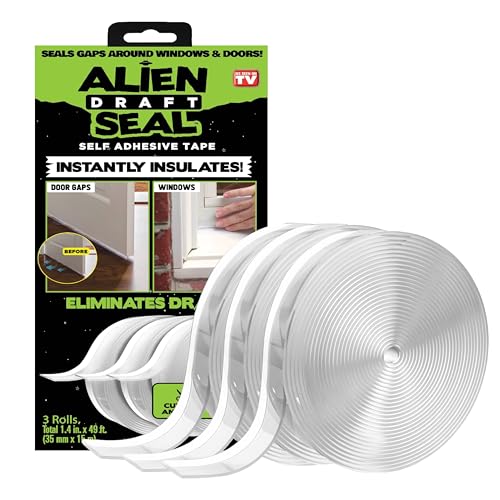
- Includes 49 feet across three rolls
- Flexible, moisture-resistant silicone
- Works on many door and window surfaces
Best For: Discreet multipurpose gap sealing
Foam Door Seal Tape

- High-density foam for doors and windows
- Adhesive backing makes installation simple
- Helps reduce noise, drafts, and energy loss
Best For: Small door-frame sealing projects
Large-Gap D-Seal
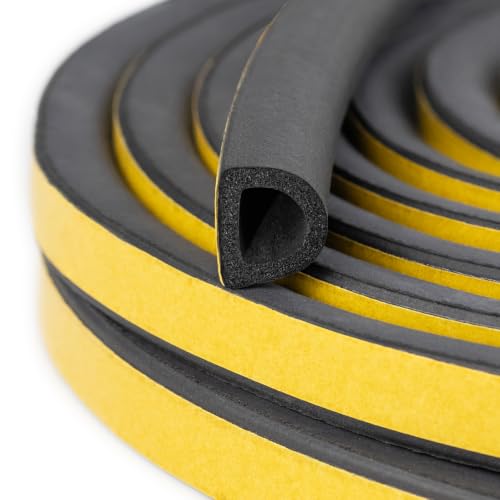
- Fits 5/16–15/32-inch gaps
- Compressible EPDM rubber profile
- Helps reduce drafts, dust, light, and noise
Best For: Uneven or oversized door gaps
Best Flexible Fit

- Flexible EVA foam adapts to varied gaps
- Mesh adhesive backing is designed for firm hold
- Suitable for sound, light, and draft reduction
Best For: Studios with uneven gaps and multiple sealing needs
Best Heavy-Duty Adhesion

- Dense CR foam resists deformation
- Grid adhesive supports a firm application
- Helps reduce light, drafts, rattles, and sound
Best For: Studio doors needing a durable, dense foam seal
Best for Narrow Gaps

- Sized for approximately 4–5 mm gaps
- Waterproof and windproof rubber construction
- White profile suits light-colored frames
Best For: Studio doors with narrow, consistent gaps
Soft Gap-Filling Seal

- Flexible foam fills larger gaps
- Offers insulation and sound reduction
- Designed for clean removal
Best For: Indoor studio doors needing cushioning and adaptable gap coverage
Studio Door Seal Kit – Large Acoustic Door Seal Set
Audimute Soundproofing Acoustic Door Seal Kit - Door Sweep and Seal - (Large Size)
Check Price On AmazonFor treating several doors at once, this large acoustic kit is a practical option among removable studio door seals. It includes two 50-foot door-seal rolls and a 25-foot door sweep, with enough material to treat up to four standard-size doors and help block sound through perimeter gaps.
Best For: Studios, apartments, and multi-door projects needing both edge seals and door sweeps.
Pros:
- Includes two door seals and one door sweep.
- Designed to treat up to four standard-size doors.
- Polyurethane construction and straightforward installation.
Cons:
- The supplied notes do not specify a residue-free removal method.
- Large kit may provide more material than needed for a single door.
This is the most purpose-built choice here for studio sound control, especially when multiple door gaps need attention. Confirm the dimensions and installation approach if removability is a priority.
Flexible Silicone Seal – Transparent 49-Foot Draft Seal
This transparent silicone tape is a flexible alternative for removable studio door seals when you also want draft and moisture resistance. The three-roll set provides 49 feet total, and the material can be measured, cut, and applied around doors or windows.
Best For: Renters and home studios seeking a less visually obtrusive seal for door gaps, windows, or other smooth surfaces.
Pros:
- Provides 49 feet across three rolls.
- Transparent silicone is flexible and moisture resistant.
- Adheres to surfaces including painted wood, glass, metal, ceramic, fiberglass, and plastic.
Cons:
- Uses adhesive, so the notes do not confirm damage-free removal.
- Primarily described for draft, insulation, and moisture control rather than dedicated acoustic treatment.
The transparent finish can help maintain a discreet appearance, while the long total length suits several applications. It is a versatile gap-sealing option, but users should test adhesive compatibility before applying it to a studio door.
Foam Door Seal Tape – 16-Foot Soundproofing Strip
This 16-foot adhesive foam tape offers a compact approach to removable studio door seals for door frames and windows. Its high-density foam is intended to reduce drafts, leaks, and noise infiltration while creating a thermal barrier around the frame.
Best For: Small studio or home projects that need an easy-to-install foam seal for a door frame.
Pros:
- High-density foam helps seal doors and windows.
- Adhesive backing simplifies installation.
- Supports sound, draft, and thermal insulation needs.
Cons:
- Only 16 feet of tape is included.
- The supplied notes do not establish residue-free removal.
- Adhesive foam may be less suitable where frequent removal is required.
This is a straightforward, budget-style sealing strip for a single modest project. Measure the frame first, and treat the adhesive as a permanent or semi-permanent installation unless the surface manufacturer confirms otherwise.
Large-Gap D-Seal – 20-Foot Black EPDM Strip
For larger or uneven gaps, this D-shaped EPDM strip is a robust option among removable studio door seals. It fits stated gaps from 5/16 to 15/32 inch, compresses as the door closes, and may help reduce drafts, dust, light leaks, and some outside noise.
Best For: Doors with large, uneven perimeter gaps where a compressible rubber profile is more suitable than flat tape.
Pros:
- Designed for 5/16–15/32-inch gaps.
- Flexible EPDM rubber remains usable in hot and cold conditions.
- Mesh-reinforced adhesive backing supports a secure installation.
Cons:
- Adhesive installation may not be damage-free to remove.
- Requires accurate gap measurement before application.
- Offers 20 feet, which may not cover multiple large doors.
The hollow D profile is a good match for doors that need substantial compression to close gaps. Follow the surface-preparation and 24-hour bonding guidance, and verify the fit before peeling the backing.
Best Flexible Fit – 33FT EVA Foam Door Seal
For removable studio door seals that need to handle varied gaps, this 33-foot EVA foam strip offers a soft, flexible option with strong adhesive backing. It can help with sound insulation, light blocking, drafts, and general cushioning around doors and frames.
Best For: Studios needing a versatile seal for uneven or relatively large gaps around doors, windows, and other openings.
Pros:
- Flexible foam can be cut to suit different gap sizes.
- Mesh-style adhesive backing is designed for firm attachment.
- EVA material is waterproof, insulating, and suitable for sound reduction.
- 33 feet provides material for multiple sealing projects.
Cons:
- Self-adhesive installation may not be ideal for surfaces that need frequent repositioning.
- The notes do not specify a removable or residue-free adhesive.
This is a practical choice when flexibility and broad household use matter most. For a studio door, prepare the surface carefully and measure the gap before cutting.
Best Heavy-Duty Adhesion – Trisiki Foam Door Seal
This closed-cell CR foam tape is a strong candidate for removable studio door seals when reliable adhesion and resistance to deformation are priorities. Its lightproof and noise-reduction properties can also help improve the separation between a studio and adjacent spaces.
Best For: Studio doors and frames requiring a dense foam seal that can reduce drafts, light, rattles, and some noise.
Pros:
- Grid adhesive backing is designed to distribute glue and reduce air bubbles.
- High-density CR foam resists deformation and supports a tight seal.
- Can block light, dust, bugs, and air while reducing rattles and vibrations.
- Two rolls provide 26 feet in total for multiple seals.
Cons:
- At 1/2 inch wide and 1/4 inch thick, it may not fit every door gap.
- The strong adhesive may make clean removal more difficult than repositionable tape.
Choose this strip if durability and firm contact matter more than easy repositioning. It is especially useful where a studio door needs added insulation and protection from rattles.
Best for Narrow Gaps – CloudBuyer D-Type Seal
For removable studio door seals designed around a smaller, consistent gap, this white D-type foam strip is a straightforward option. It is sized for approximately 4–5 mm gaps and can help limit wind, dust, cold air, sound, and wear around doors and windows.
Best For: White doors or frames with narrow 4–5 mm gaps where a low-profile weather seal is appropriate.
Pros:
- Designed for a stated suitable gap of approximately 4–5 mm.
- Waterproof, windproof, and resistant to aging according to the supplied notes.
- 33 feet of material supports multiple door or window applications.
- Simple peel-and-stick installation requires no extra tools.
Cons:
- Adhesive performance depends on applying it within the recommended 55–104°F temperature range.
- Its narrow gap range makes it less suitable for larger or irregular openings.
- The notes do not specify residue-free removal.
This seal is best when the gap is measured first and falls within its specified range. Follow the temperature guidance during installation, particularly in a studio with unusually cold or hot surfaces.
Clear Silicone Coverage – 2-Inch Door Seal Strip
For removable studio door seals that cover wider gaps, this clear silicone strip offers a flexible, low-visibility option for doors and windows. Its 2-inch width is designed for gaps up to 1 inch, while the adhesive-backed design can be cut to length for installation along sides or bottoms.
Best For: Glass, sliding, or frameless studio doors where a clear, wide seal is preferred.
Pros:
- Clear silicone construction is flexible and resistant to hot and cold conditions.
- 2-inch width and 0.08-inch thickness provide broad gap coverage.
- Suitable for glass, tile, metal, wood, plastic, and other listed surfaces.
- Helps block drafts, rain, dust, and sound while cushioning against impacts.
Cons:
- Surface must be flat, clean, and dry for reliable adhesion.
- Adhesive may require warming with a hair dryer in winter.
- Its maximum stated gap coverage is 1 inch, so larger gaps need another solution.
This is a practical choice when studio appearance matters and you need wide, transparent coverage. Measure the door gap and prepare the surface carefully before cutting and applying.
Heavy-Duty Frame Seal – 50-Foot D-Shape Rubber Strip
For removable studio door seals around a frame, this D-shaped rubber weather strip provides a long 50-foot roll and included tailor scissors. It is sized for gaps from 2.5 to 5.5 mm, making it a better fit for smaller, consistent gaps than wide bottom-gap strips.
Best For: Studio door frames and windows with measured gaps between 2.5 and 5.5 mm.
Pros:
- 50 feet of black rubber strip supports multiple doors or extensive frame coverage.
- Flexible material is designed to resist freezing and cracking in extreme temperatures.
- Self-adhesive backing installs by peeling off the protective film.
- Included scissors make it easier to cut sections to size.
Cons:
- Only suitable for the specified 2.5–5.5 mm gap range.
- Black color may be more noticeable on light-colored studio frames.
- The adhesive should be left for 24 hours before it is considered firmly set.
This roll is a strong fit for larger installations where a consistent D-profile seal is needed. Measure the gap first, since choosing the wrong size can affect both fit and door operation.
Soft Gap-Filling Seal – 33-Foot EVA Foam Tape
This EVA foam tape is a versatile option for removable studio door seals when you need soft cushioning along door frames or windows. The wider, thicker foam can be cut to size, and its upgraded mesh adhesive backing is designed for easier removal without sticky residue.
Best For: Indoor studio doors and frames needing flexible gap filling, sound reduction, or impact cushioning.
Pros:
- Soft, flexible EVA foam can accommodate larger gaps and irregular applications.
- Waterproof material provides insulation, sound reduction, and cushioning.
- Mesh adhesive backing is designed to peel away without leaving sticky residue.
- 33-foot length supports use on doors, windows, and other equipment.
Cons:
- Foam construction may be less suitable where a rigid, precision-fit seal is needed.
- White color may stand out on darker studio doors or frames.
- The supplied notes do not specify an exact supported gap range.
Choose this tape when versatility and cushioning are more important than a defined profile. It is especially useful for indoor applications where the seal may also serve as padding, noise reduction, or light blocking.
How We Picked the Best Removable Studio Door Seals
We focused on door and window sealing products that can address common studio problems without requiring major construction. Our selections cover adhesive foam tapes, D-shaped rubber seals, silicone strips, flexible flap designs, and kits that combine a perimeter seal with a bottom sweep.
We compared coverage length, profile size, material, adhesive-backed installation, flexibility, and suitability for side, top, and bottom gaps. Because acoustic performance depends heavily on the size and location of the opening, the best option is not necessarily the thickest or longest product.
Quick Comparison
- Best for complete door coverage: A kit with both perimeter sealing and a door sweep.
- Best for long runs: 33- to 50-foot rolls are useful for large doors, multiple openings, or replacement sections.
- Best for narrow gaps: Thin foam tape can close small, consistent spaces with minimal interference.
- Best for larger gaps: D-shaped rubber and wide silicone profiles generally provide more compression and coverage.
- Best for flexible installation: Flap-style seals can conform to uneven gaps around doors and windows.
Key Buying Factors for Removable Studio Door Seals
Measure the Gap First
Close the door and measure the largest gap along the sides, top, and bottom. Select a seal that is thick enough to compress against the frame without preventing the door from latching. A seal that is too large can create pressure, damage the adhesive, or leave the door slightly open.
Match the Material to the Location
Foam is lightweight, easy to cut, and practical for smaller gaps. Rubber and silicone typically offer better resilience where the door is opened frequently or the seal must withstand compression. A bottom sweep or flexible flap is usually more appropriate for the threshold than ordinary narrow tape.
Check the Mounting Surface
Self-adhesive products work best on clean, dry, smooth surfaces. Remove dust and grease, allow painted surfaces to cure, and press the strip firmly into place. On porous, textured, or dusty frames, adhesive may require extra preparation or a different mounting method.
Consider Removability and Acoustic Expectations
These products mainly seal air paths; they do not replace a solid-core door, acoustic treatment, or full room isolation. If you rent your studio, test a short section first and confirm that removal will not pull paint or finish from the frame.
Who Should Buy Which Removable Studio Door Seals?
Choose a combined door-seal kit if you can feel airflow beneath the door as well as around its perimeter. Choose narrow foam tape for modest side or top gaps where clearance is limited. For uneven or larger gaps, consider a D-shaped rubber or silicone strip with a profile suited to the measured opening. Long EVA foam rolls are practical when you need to seal several sections or keep replacement material available.
For a recording, podcasting, or mixing room, prioritize a continuous seal with no breaks at the corners. Install carefully, check the latch after application, and use the smallest profile that closes the gap reliably.